

-
Architects: Estudio Iza Arquitectura, azab
- Area: 2054 m²
- Year: 2018
-
Manufacturers: Kalzip, Forbo Flooring Systems, Cortizo, Dott.Gallina, HERAKLITH, +2
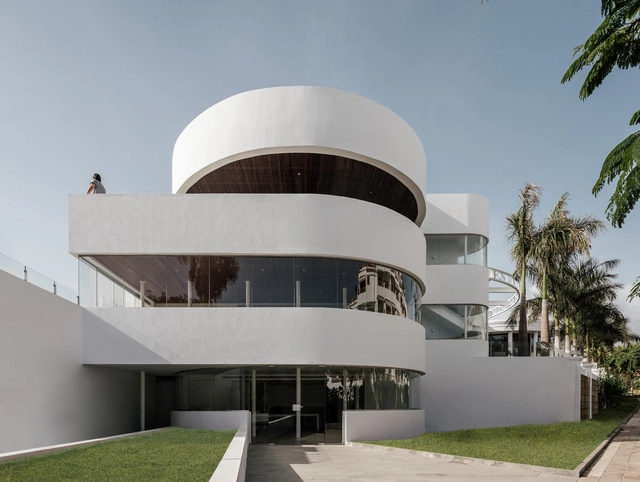

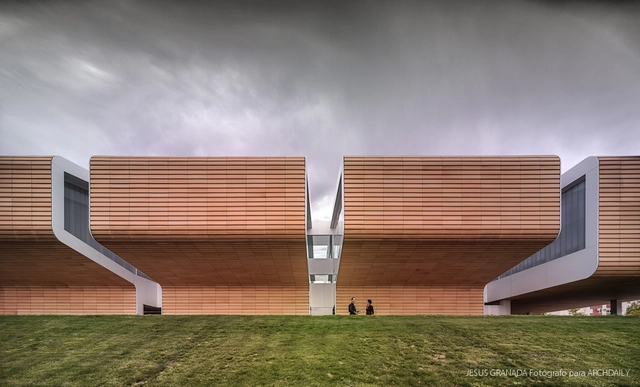

For the eighth consecutive year, the UIC Barcelona School of Architecture is hosting an exhibition of final degree projects at the restored Ca l'Alier factory in the Poblenou district. Titled "22@_What? How to achieve balance in Northern Poblenou, Barcelona," the exhibition reexamines the 22@ Plan, launched by the Barcelona City Council in 2000 to repurpose the neighborhood's former industrial zones. The plan aimed to create a compact city model where businesses, universities, research centers, and technology transfer hubs could coexist with housing, public facilities, and green spaces. Twenty years later, UIC Barcelona students have taken up the challenge, presenting new programmatic and architectural proposals for Northern Poblenou—a territory they believe is in need of new solutions and patterns.
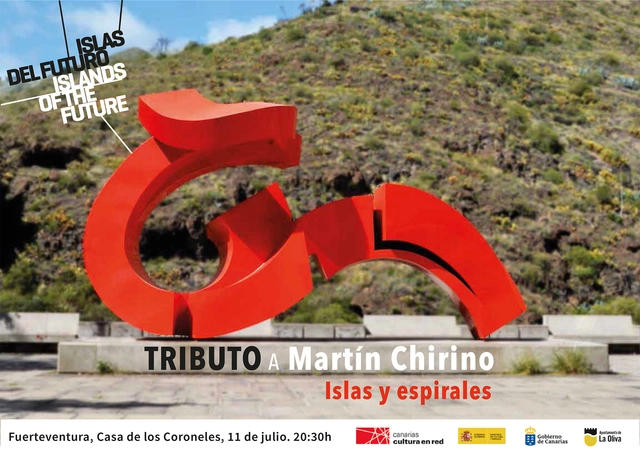
A dialogue on the contribution of Martín Chirino to architecture, landscape, and the identity of the Canary Islands through his sculpture. In his spiral structures, the smallest part is always equal to the largest through a multiplication that tends toward infinity. Chirino's spiral appears to be an interpretation of the structure that distributes the islands throughout the world; in part, it reflects how islanders view themselves. Participants include Magüi González, architect and professor of Projects at the Higher Technical School of Architecture of the University of Las Palmas; Fernando Menis, architect and president of the Laboratory for Innovation in Architecture, Landscape and Advanced Tourism of Tenerife; and Jesús Castaño, director of the Martín Chirino Foundation for Art and Thought.
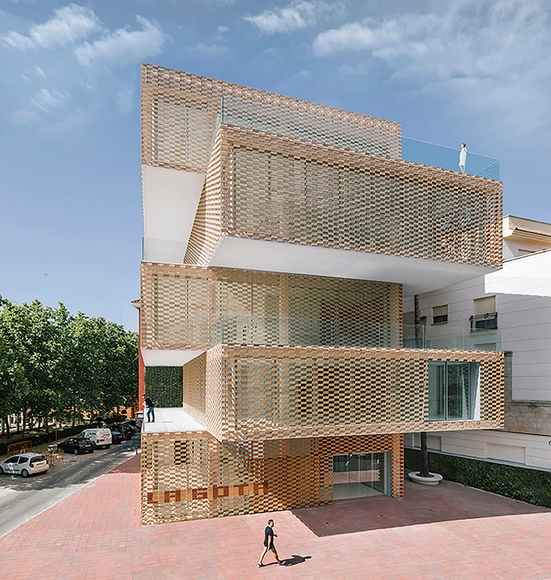

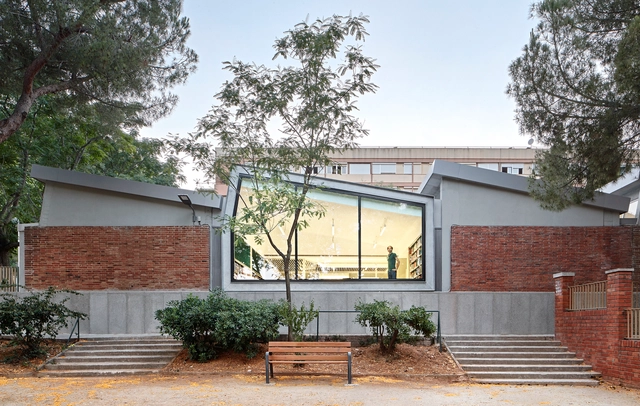
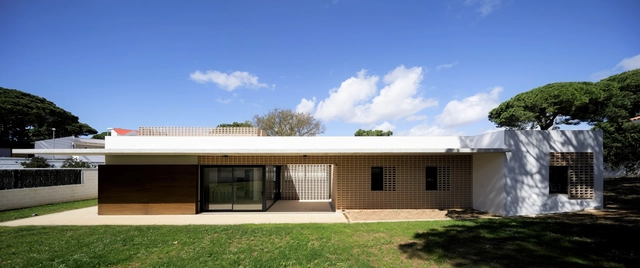

Open House is an architecture and city festival that takes place one weekend a year in more than 40 cities around the world. For two days, the doors of dozens of public buildings, workspaces, residences, and artist and architect studios that are not usually accessible to the public are opened. It is a free event for the public that promotes knowledge of the city and recognition of the value of urban space. In Madrid, it is a project by the non-profit association Culture Care.
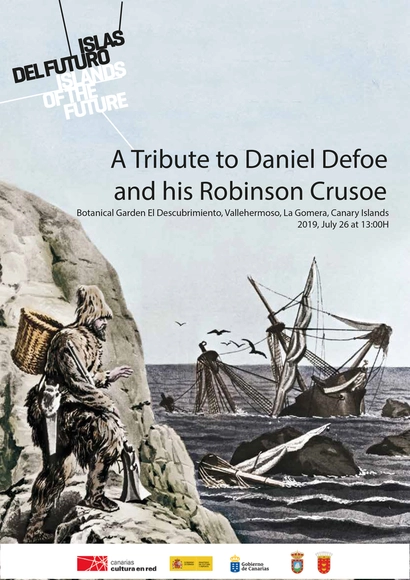
Islands have always exerted a peculiar fascination on the individual and collective imagination, as evidenced by their diverse representations in art, culture, and literature, as well as their success in the contemporary tourism industry. While in exile and attempting to familiarize herself with the Caribbean islands, María Zambrano wrote: "the role of islands is to act as a magnet that draws the imagination toward something primary, not yet corrupted by human nature." This tendency to project the most idyllic places onto the edges of the sea persists in the collective imagination today. When we think of summer or vacations, our minds often gravitate toward the mental construction of islands—places where we dream and fantasize that happiness, calm, and harmony are possible alongside a sunset.
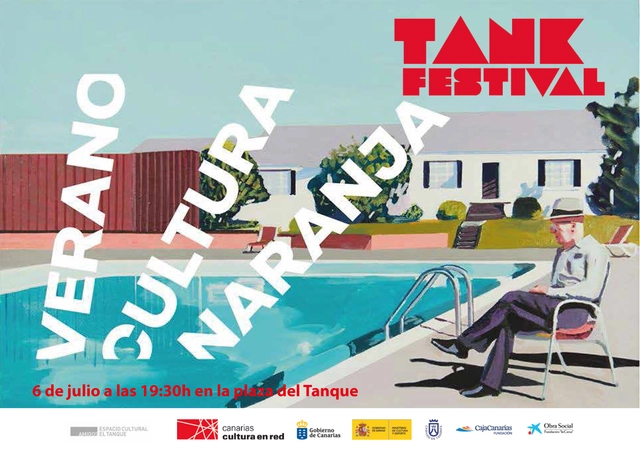
As part of the fifth edition of the Tank Festival, on July 6, 2019, at 7:30 p.m., in the vacant lot currently surrounding the El Tanque Cultural Space in Santa Cruz de Tenerife, the works of more than 30 artists will be displayed—literally—on a tower created from wooden chairs. This action will advocate for strengthening the Cultural Space through consistent programming and appropriate public funding, as well as for the renovation of its surroundings based on the design by architect Fernando Menis, who proposed a banana tree garden.

In the year marking the centenary of his birth, the fifth edition of the Canary Islands' Tank Festival is dedicating an event to the work and memory of artist César Manrique. The event will feature a screening of the documentary "Taro, el eco de Manrique" (58 min., Miguel G. Morales), a feature film that brings us closer to the figure and ecological message of the Spanish artist, born in Lanzarote, through his own voice, reflections, actions, and projects. His involvement, his advocacy, his confrontations with authorities and developers, and his commitment to the cultural and landscape values of Lanzarote transformed him into a symbol, adding a socio-political dimension to his creative personality. The screening will be followed by a discussion between the documentary's director, Miguel G., and architect Fernando Menis. This event is held in collaboration with the César Manrique Foundation and the Hatching Festival.
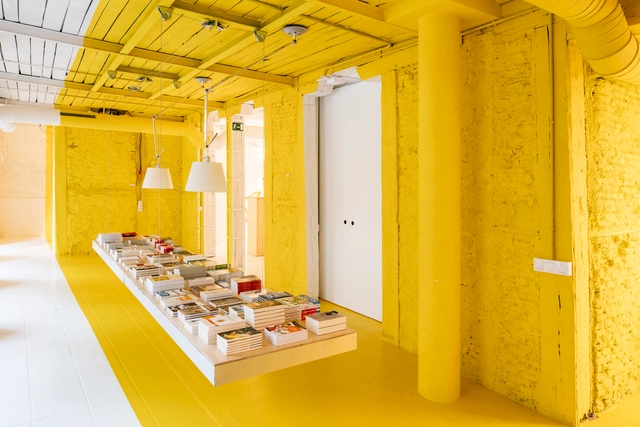
.jpg?1563006346)
.jpg?1563006593 "© Luis Beltrán")
.jpg?1563007109 "© Luis Beltrán")
.jpg?1563006832 "© Luis Beltrán")
.jpg?1563006895 "© Luis Beltrán")
.jpg?1563391256)