
CineCubo IAB: "Banco Imobiliário,"
followed by a conversation with Miguel Antunes Ramos.
CineCubo IAB: "Banco Imobiliário,"
followed by a conversation with Miguel Antunes Ramos.
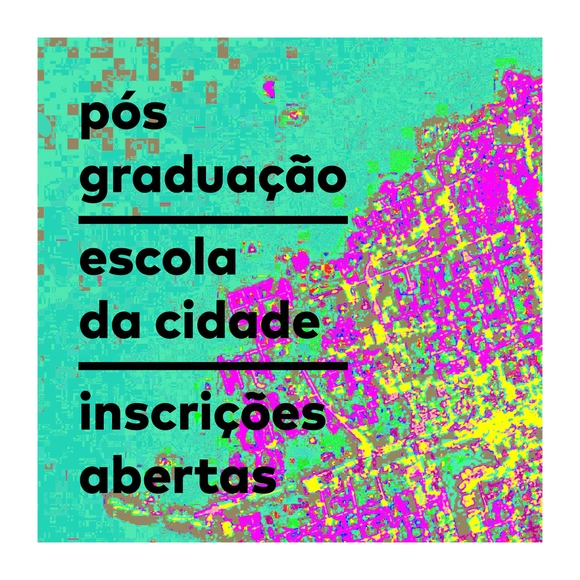
Escola da Cidade is now accepting applications for its second-semester postgraduate programs. Among the offerings are two new courses—one focused on mobility and another on technology. See the details below:

Sidewalks, also known as public walkways, can be understood as multifunctional open spaces where a range of activities occur, from pedestrian flow to social interaction.
From this perspective, public walkways have great potential to host green infrastructure solutions—such as rain gardens, bioswales, and stormwater planters—capable of providing a series of environmental services for cities. These include mitigating urban pollution (water, air, and soil), providing habitats for urban fauna, contributing to the control of stormwater runoff volume and velocity, and improving local microclimatic quality and thermal comfort for adjacent buildings through shading and evapotranspiration, in addition to serving as an aesthetic element.
Currently, emerging ecological sidewalk design techniques that add value and attractiveness to properties are well-known, utilized, and proven.
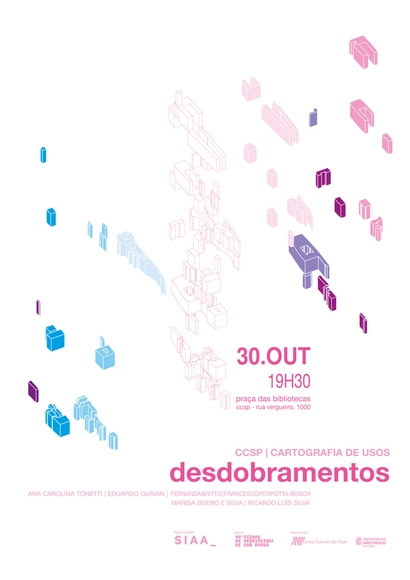
Drawing from the theme "In Project" of the 11th Architecture Biennial, the firm SIAA Arquitetos Associados reflects on the potential for alternative relationships between architectural design, the built environment, and its public occupation over time, whether anticipated or not. To this end, they use the Centro Cultural São Paulo building—designed by architects Eurico Prado Lopes and Luiz Telles—as the foundation for their reflection, and not by coincidence.

In its tenth edition, the Escola da Cidade symposium has established itself as a forum for discussing undergraduate research in architecture and urbanism from across Brazil.

The institution is hosting an exhibition, a talk, an urban expedition, and a collective action designed to encourage the public to reflect on the influence of design in social environments.

The Ibero-American Society of Digital Graphics (SIGraDi) is a non-profit association that brings together architects, urban planners, designers, and artists working with digital media. Its primary objectives are to contribute to the academic debate on digital media and its applications, promote the production and advancement of scientific knowledge in general, and foster research and education within this context of significant technological transformation.

Spanning 9 hours and held on Tuesdays—December 4, 11, and 18—the course "Great Themes in Architecture: Cities" will be taught by Professor Heloisa Dallari, an architect with a PhD in Architecture from the USP School of Architecture and Urbanism, a professor of undergraduate and graduate courses at FAAP, and a lecturer and consultant in Interior Design.

WRI Brasil and IAB São Paulo invite you to the panel discussion: Integrating TOD Strategies into Master Plans.

CineCubo is a film club hosted by the Institute of Architects of Brazil (IAB) designed to foster dialogue between audiovisual and architectural languages and to debate perspectives on the city.
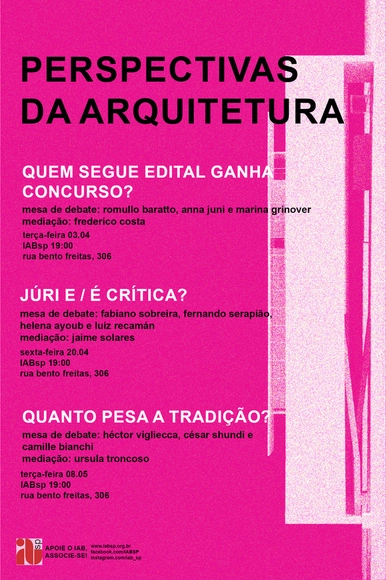
Aiming to discuss the trajectory of Brazilian architecture, based on current discussions and critiques published in specialized media, the IAB will host a series of debates centered on the practice of architectural competitions.
The complexity of addressing this issue has led the IAB to foster a broader reflection on these topics and to invite architects to discuss both the conditions of competitions within the current professional context and their role in a wider urban and social dimension, viewing the city and architecture as social rights for the entire population.
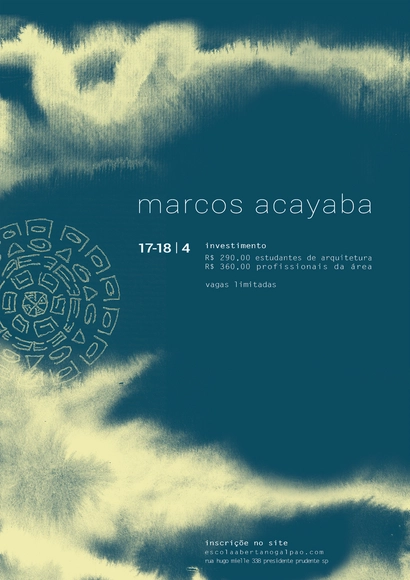
The "Escola Aberta no Galpão" (Open School in the Warehouse) project stems from a desire to share and build critical thinking regarding architecture, urbanism, art, cinema, geography, and other fields that play a fundamental role in transforming urban lifestyles.
Connection is what drives us. Building knowledge is what sustains us.
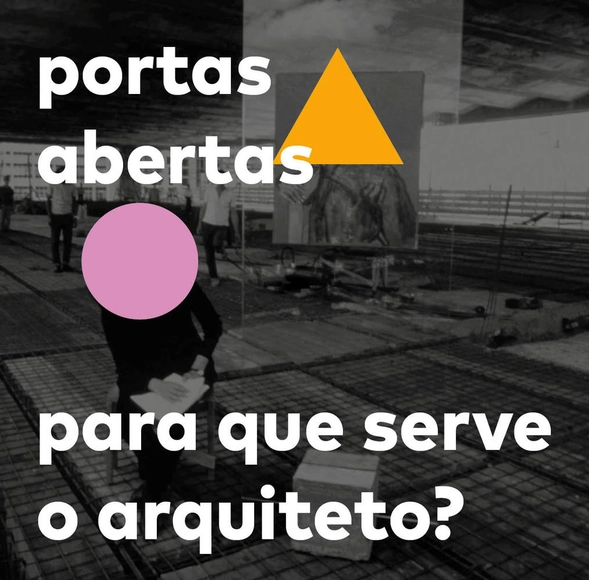
A lecture on the role of the architect, delivered by the school's director, Ciro Pirondi, followed by a guided tour of the exhibition on the Osaka Pavilion by Paulo Mendes da Rocha, will take place on November 27. Registration is open. Free of charge.

Book Launch: "Arquitetos Associados" and Exhibition by architects Alexandre Brasil, André Luiz Prado, Carlos Alberto Maciel, Bruno Santa Cecília, and Paula Zasnicoff Cardoso

CineCubo is a film club hosted by the Institute of Architects of Brazil (IAB) designed to foster dialogue between audiovisual and architectural languages and to debate perspectives on the city. On the third Tuesday of every month at 7:30 PM, CineCubo screens films followed by a discussion at the IAB-SP headquarters. Curated and moderated by Nana Maiolini, Travessia Filmes, and guests, the sessions are free and open to the general public.

These courses cover a wide range of topics—such as dance, gender, diagrams, sustainability, history, and geoprocessing—all of which are articulated through the lens of architecture and the city. Registration is open until August 10.

The "Infinito Vão" exhibition arrives in Brazil from November 6th to 9th. A group of architects involved in the exhibition on 90 years of Brazilian architecture—currently on display at the Casa da Arquitectura (CA) – Portuguese Centre for Architecture in Matosinhos, Portugal—will participate in a series of talks and debates at the Instituto Moreira Salles in São Paulo. The program features Portuguese architect Inês Lobo, among many other professionals from various generations and backgrounds. Admission is free.
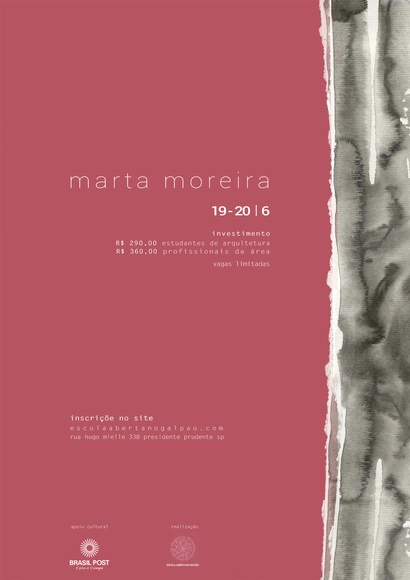
A project born from a desire to share and foster critical thinking on architecture and urbanism, the arts, cinema, geography, and other fields that play a fundamental role in how we appropriate and transform urban life. Connection drives us; building knowledge sustains us.