We have compiled a list of our best articles, projects, and products on natural and artificial lighting in architecture.
Romullo Baratto is an architect with a PhD from FAUUSP and Managing Editor of ArchDaily. He previously coordinated the editorial team of the 11th São Paulo Architecture Biennial and served as Managing Editor of ArchDaily Brasil, where he led the platform to win the FNA Award—the first time the honor was granted to a media outlet. He collaborated on the editing of the book "Concrete Jungle", published by gestalten, and has curated architecture exhibitions in Brazil, Chile, Denmark, and Italy, as well as delivered lectures and moderated debates in Spain, the United States, and Portugal. His doctoral thesis investigates the urban landscapes of São Paulo through cinema. His work spans academic research and editorial practice, communicating architecture through texts, interviews, lectures, curatorship, and photography. Follow him on Instagram @romullobf.
We have compiled a list of our best articles, projects, and products on natural and artificial lighting in architecture.

While the first edition's theme was SHARE, and the second was CIRCULATE, the 3rd Tomie Ohtake Institute Leroy Merlin Design Award proposes REVIEW as its core concept—an opportunity to look at our social and environmental context, critically analyze it, and ask: how can a project contribute based on what is already in place?
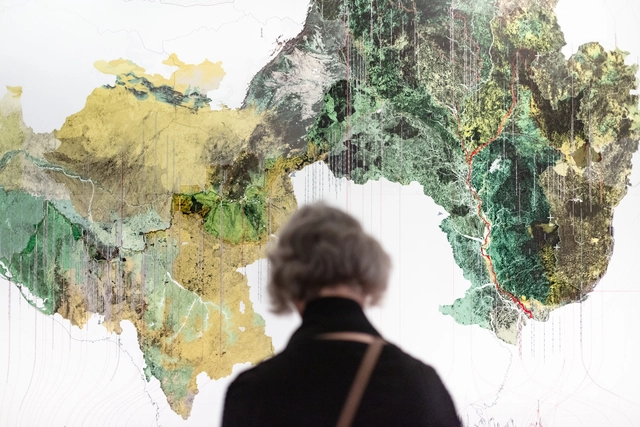
The recently launched non-profit initiative TomorrowAnew (Amanhã (de)Novo) is selling 10 large-scale maps produced for the Brazilian pavilion’s exhibition at the Venice Architecture Biennale 2018 to help fight COVID-19 in Brazil.
The cartographies reveal different facets of Brazil and examine the nature of the visible and invisible walls that define the country. They were produced by the exhibition’s curators Gabriel Kozlowski, Sol Camacho, Laura González Fierro and Marcelo MaiaRosa in collaboration with 200 professionals from 10 different disciplines
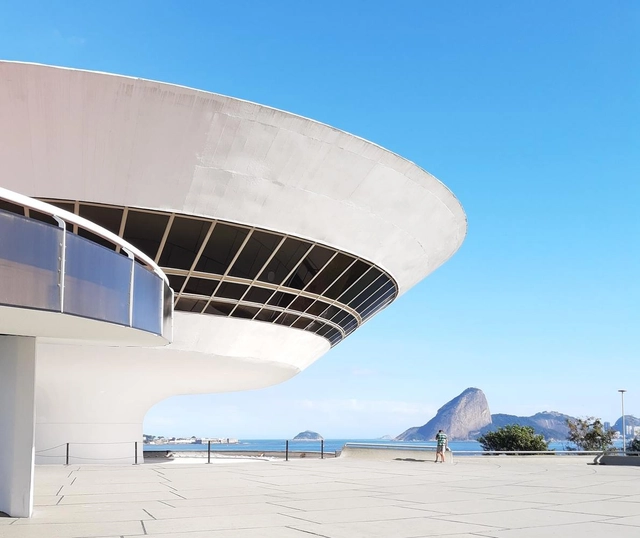
CAU/RJ has launched the eighth edition of its Cultural Sponsorship Program. Due to the COVID-19 pandemic, this year the program will only consider projects featuring remote activities. Applications will also be submitted virtually.
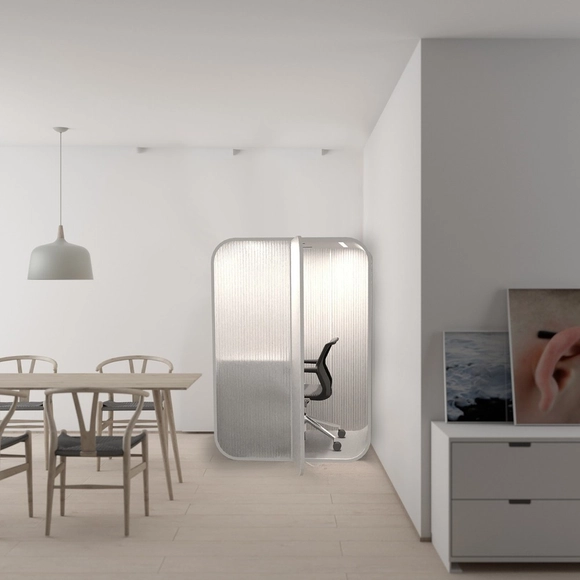
Brazilian architecture firm Atelier Marko Brajovic in partnership with the agency ℓiⱴε (Live) and Oca Brasil has just launched their new project, HOM, a kind of portable capsule that provides suitable workspace inside the house. The design explores a relatively new demand of the post-pandemic household, offering "a safe, controlled and equipped workspace," which integrates organically with the home environment.
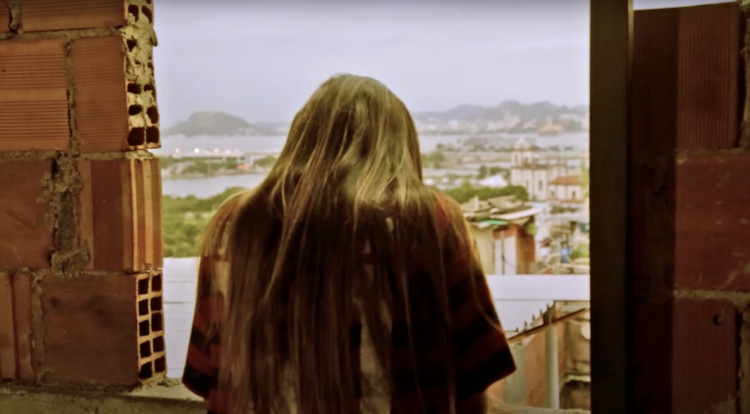
Dia a dia is a three-part mid-length film miniseries developed by the Urban Policy Commission (CPU) of CAU/RJ. Each episode is dedicated to one of the three pillars proposed within the theme of the right to the city—sanitation, mobility, and housing—through the perspectives and daily lives of three women living in completely different areas of Rio de Janeiro: Realengo, Barra da Tijuca, and the Santo Amaro community (Catete). The first episode, which premiered on August 21 and addresses housing, is available online.
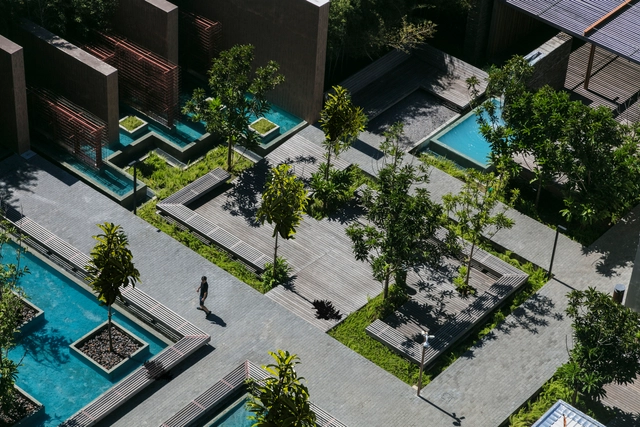
"Landscaping is the only artistic expression that includes all five human senses," says Benedito Abbud in his book Creating Landscapes – a guide to Working in Landscape Architecture. While architecture works mainly with sight and touch, landscaping also embraces smell, hearing and taste, "which provides a rich sensorial experience, by combining the most diverse and full perception experiences. The more a garden can sharpen all the senses, the better it fulfills its role."

In the year that the nation's capital turns 60, the Council of Architecture and Urbanism of the Federal District (CAU/DF) is launching the CAU/DF Seal - Architecture of Brasília. The initiative celebrates the modern architecture of the Plano Piloto Urban Ensemble, highlighting the city's non-monumental architecture. The goal is to recognize the historical value of these buildings and their authors—who are often little known by the general public—as well as to promote best practices in building conservation and maintenance that have preserved the architectural language of the Modern Movement.

Coronavida: pandemia, cidade e cultura urbana, the new book by artist and professor Giselle Beiguelman, addresses the impacts of the coronavirus on culture and daily life in cities. The suppression of public space, new forms of activism, the pandemic of images (from livestreams to memes), the molecular surveillance of the "new normal," the precariousness of social relations, and remote work are among the topics explored.
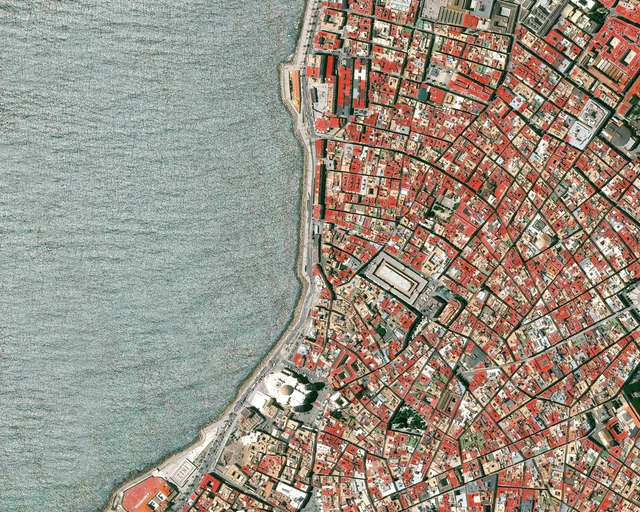
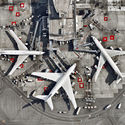
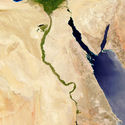
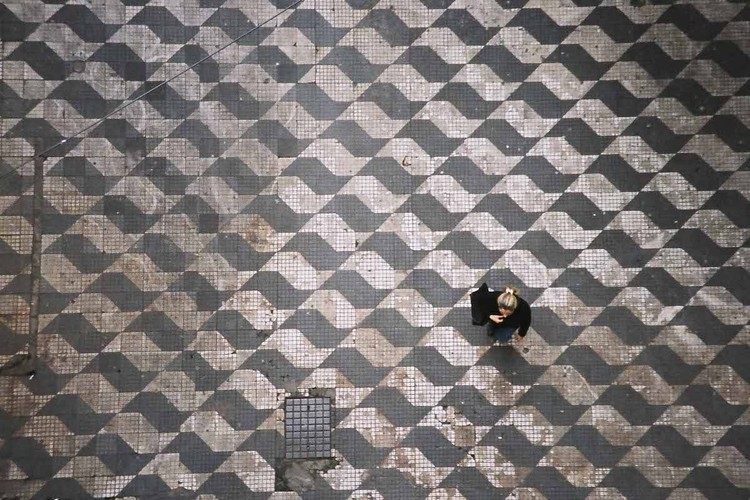
Seeing from above – the aerial vantage point – is the illusion of knowledge. This was the idea of Frenchman Michel de Certeau, a historian who was interested in the everyday practices that occur on the ground, on the streetscape. In contrast to Certeau's view, satellite images can be a powerful tool to understand, predict, and strive for a better future for humankind. This is the mission of Benjamin Grant, founder of Overview, a platform that explores human activity on Earth through aerial imagery.
Interested in fostering "an experience of awe" through elevated vantage points of our world, Overview offers snapshots featuring traces of human activity on the surface of the planet. Photos of cities and other cultural artifacts join pictures of mesmerizing topography and natural beauty in an impressive archive of drone and satellite images. Awe abounds as we face not only some of the most impressive human endeavors seen from the sky, but also as we are confronted with the rather gruesome side-effects of our very existence on Earth.

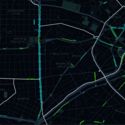
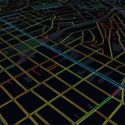
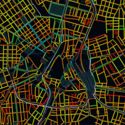
The quality of streets and sidewalks is a widely debated topic in Brazil, and the coronavirus pandemic has added another layer of complexity—public health—prompting us to question whether it is actually possible for pedestrians to practice social distancing. This concern led architecture student Conrado Freire to develop a map of sidewalk widths in São Paulo.
Adapted from Meli Harvey's Sidewalk Widths NYC project on New York City sidewalks, Largura do Passeio uses sidewalk data provided by the GeoSampa portal to visually synthesize information about São Paulo's pedestrian pathways that is not typically accessible to the general public. Based on the open-source code released by Harvey—which has also been adapted for cities like Toronto, Washington, Berlin, and Milan—Freire creates a visual mapping of what is often only felt by pedestrians moving through São Paulo's urban space.

Since its founding in 1937, and despite recent controversies surrounding its administration and leadership, the National Institute of Historic and Artistic Heritage (Iphan) has built one of Brazil's largest bibliographical, documentary, and iconographic collections. In total, 13 interconnected libraries house over 500,000 books and periodicals, which are also linked to the country's main libraries. A significant portion of this rich material is available online—free of charge—on the Institute's online platform.

The Institute of Architects of Brazil – São Paulo Department has reactivated its educational platform. In line with the 2020-2022 administration's program, particularly regarding the promotion and consolidation of a space for debate on pressing issues in the training of architects and urban planners, the Institute has undergone a complete restructuring that deepens and strengthens the democratizing spirit of past experiences.
The 13th São Paulo International Architecture Biennial has adopted reconstruction as the central theme for its 2022 edition. As a preparatory activity for the co-curatorship competition, IABsp organized three debates that promote a discussion on the very essence of art and architecture exhibitions, while also inviting us to reflect on the role of architects, urban planners, and many other professionals in building more just and democratic cities.
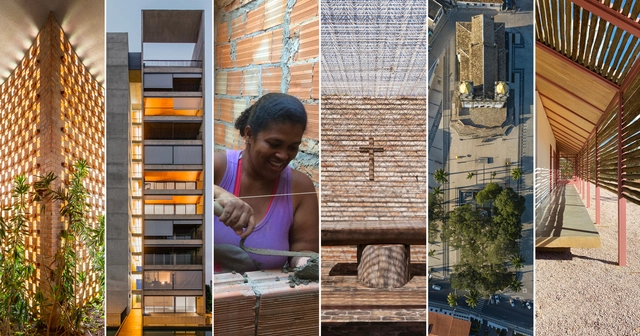
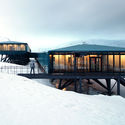
The Instituto Tomie Ohtake and AkzoNobel have announced the 13 projects selected for the seventh edition of the Instituto Tomie Ohtake AkzoNobel Architecture Prize. The finalists include works located in Amazonas, Bahia, Ceará, Goiás, Minas Gerais, Rio de Janeiro, Santa Catarina, São Paulo, and King George Island in Antarctica. The selection was made by a jury comprising architects Diego Mauro, Elisabete França, Fernando Túlio, Juliana Braga, and Pedro Varella.
Confirmed as a keynote speaker for UIA2021RIO, Tatiana Bilbao, one of Mexico's most prominent architects today, shared some of her thoughts on current challenges. Tatiana was interviewed by the co-president of IAB-RJ, Tainá de Paula, on the UIA2021RIO YouTube channel.

In one of the country's hardest-hit cities by the Covid-19 pandemic – São Paulo – and in the face of the suffocating socio-environmental crisis plaguing our world and our time, how can architects and urban planners take a stand and effectively act against widespread asphyxiation and for the fundamental right to breathe, to exist, and to inhabit the Earth?

As part of our partnership with the 27th World Congress of Architects, we are sharing here an interview with architect Francis Kéré, a speaker confirmed for the UIA2021RIO, conducted by architect Miguel Pinto Guimarães.