Romullo Baratto is an architect with a PhD from FAUUSP and Managing Editor of ArchDaily. He previously coordinated the editorial team of the 11th São Paulo Architecture Biennial and served as Managing Editor of ArchDaily Brasil, where he led the platform to win the FNA Award—the first time the honor was granted to a media outlet. He collaborated on the editing of the book "Concrete Jungle", published by gestalten, and has curated architecture exhibitions in Brazil, Chile, Denmark, and Italy, as well as delivered lectures and moderated debates in Spain, the United States, and Portugal. His doctoral thesis investigates the urban landscapes of São Paulo through cinema. His work spans academic research and editorial practice, communicating architecture through texts, interviews, lectures, curatorship, and photography. Follow him on Instagram @romullobf.
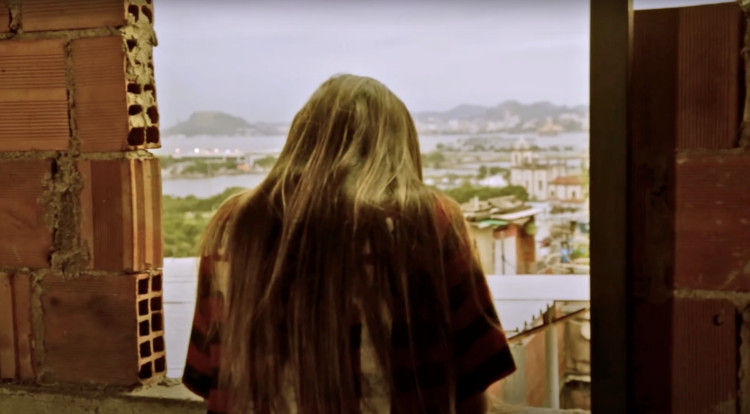
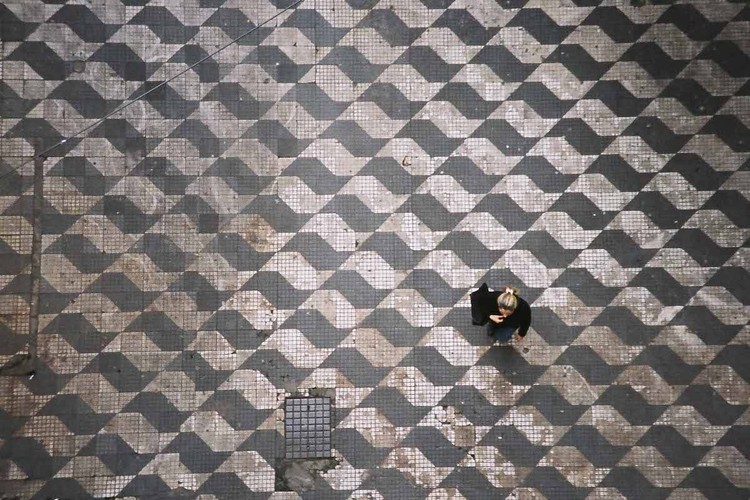
(Image: Diego Herculano / Folhapress, via Futuro do Morar - Contrastes report)
What does the home of the future hold for us? And for whom will it become a reality? These questions served as the guiding principles for The Future of Living - Contrasts. With a keen eye on identifying the emerging movements that shape how we will live tomorrow, the research team at the Istituto Europeo di Design used the world during the COVID-19 pandemic as their primary backdrop. Drawing from this context, rather than simply discussing housing trends, the researchers address the challenges that must be resolved to make these trends a reality for everyone, rather than a mere set of forecasts that segregate rather than create opportunities.
Downtown São Paulo will receive a statue honoring Joaquim Pinto de Oliveira, an enslaved Black 18th-century architect known as Tebas. The announcement was made yesterday, September 10, by Mayor Bruno Covas at the São Paulo City Council.
Architecture is one of the most beautiful professions—there is an undeniable romance in building the spaces where human beings dwell. It is also one of the oldest: if considered as an activity that organizes space, some form of architectural thinking can be identified dating back at least hundreds of thousands of years. Its beauty, however, is partially eclipsed by widespread frustration within the professional field in Brazil. A general lack of awareness regarding its importance to society, difficulty securing contracts, fierce competition, scarce opportunities in public projects, low-paying jobs, and a willingness to work without fees all contribute to the precarious state of architecture and urban planning.
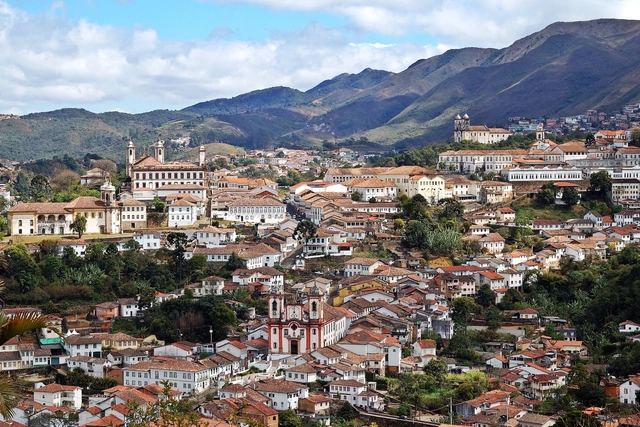
Ouro Preto, Minas Gerais. Photo by Rosino, Flickr. Licensed under CC BY-SA 2.0
In August, the city of Ouro Preto, in Minas Gerais, signed a public-private partnership for a "smart city" project, setting in motion plans to become Brazil's first historic smart city. The contract entails an investment of R$ 10 million and establishes an administrative concession for the Ouro Luz consortium to operate Ouro Preto's public lighting network and telecommunications infrastructure for 25 years.
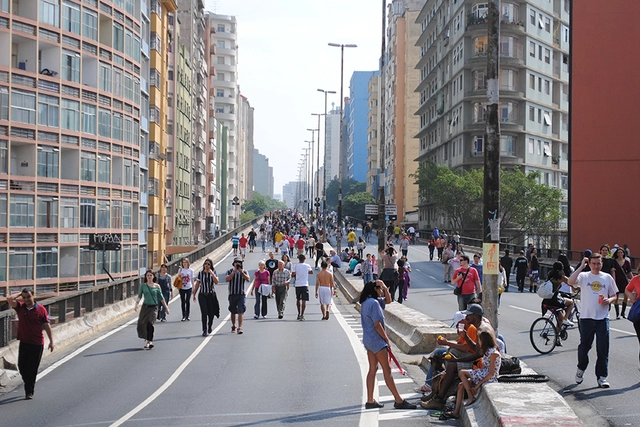
Gentrification has been one of the main points of debate regarding the project that aims to transform the Minhocão into a linear park. Image: Felipe Rodrigues
One of the most prevalent themes in current discussions about the city is gentrification. Broadly defined as "when someone different from you moves into your neighborhood," this urban phenomenon is far more complex than that, involving issues of land use, real estate speculation, public and leisure spaces, and urban planning.
Sítio Roberto Burle Marx. Photo by Halley Pacheco de Oliveira, via Wikipedia. CC BY-SA 3.0 license.
On Wednesday, September 9, the book Patrimônio Arquitetônico Brasil – Portugal will be launched. This activity is part of the 7th FIPA - International Forum on Architectural Heritage Brazil – Portugal and will be broadcast online.
Modern Portuguese architecture has a renowned tradition of exploring the virtues of the landscape, either by integrating or emphasizing the natural elements to create new landscapes that result from the overlapping of culture and nature. Some fine examples are the Boa Nova Tea House and the Leça da Palmeira Tide Pools, both designed by Álvaro Siza, reacting to the rocky seascape where they lie, each in its own way.
However, it is not just Modern Architecture that is concerned with the landscape. In Portugal, contemporary works have been revealing exciting examples of the possibilities of approaching the natural environment, exploring its potential without compromising its integrity. To illustrate this, we have gathered 12 contemporary projects that use different resources to explore the relationship between natural and built.
While the first edition's theme was SHARE, and the second was CIRCULATE, the 3rd Tomie Ohtake Institute Leroy Merlin Design Award proposes REVIEW as its core concept—an opportunity to look at our social and environmental context, critically analyze it, and ask: how can a project contribute based on what is already in place?
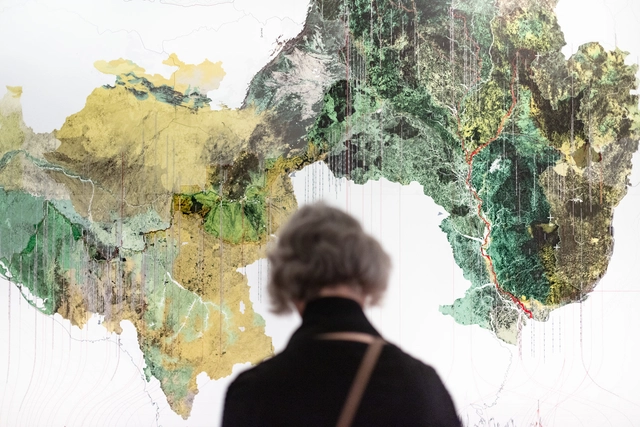
The cartographies reveal different facets of Brazil and examine the nature of the visible and invisible walls that define the country. They were produced by the exhibition’s curators Gabriel Kozlowski, Sol Camacho, Laura González Fierro and Marcelo MaiaRosa in collaboration with 200 professionals from 10 different disciplines
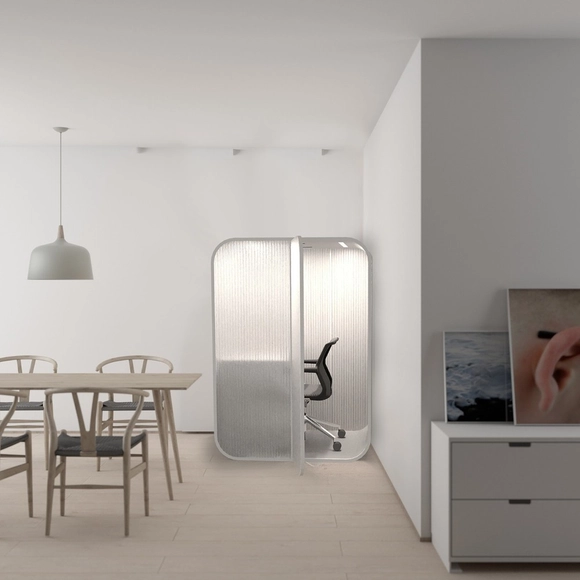
Brazilian architecture firm Atelier Marko Brajovic in partnership with the agency ℓiⱴε (Live) and Oca Brasil has just launched their new project, HOM, a kind of portable capsule that provides suitable workspace inside the house. The design explores a relatively new demand of the post-pandemic household, offering "a safe, controlled and equipped workspace," which integrates organically with the home environment.
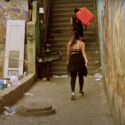
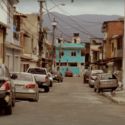
Dia a dia is a three-part mid-length film miniseries developed by the Urban Policy Commission (CPU) of CAU/RJ. Each episode is dedicated to one of the three pillars proposed within the theme of the right to the city—sanitation, mobility, and housing—through the perspectives and daily lives of three women living in completely different areas of Rio de Janeiro: Realengo, Barra da Tijuca, and the Santo Amaro community (Catete). The first episode, which premiered on August 21 and addresses housing, is available online.
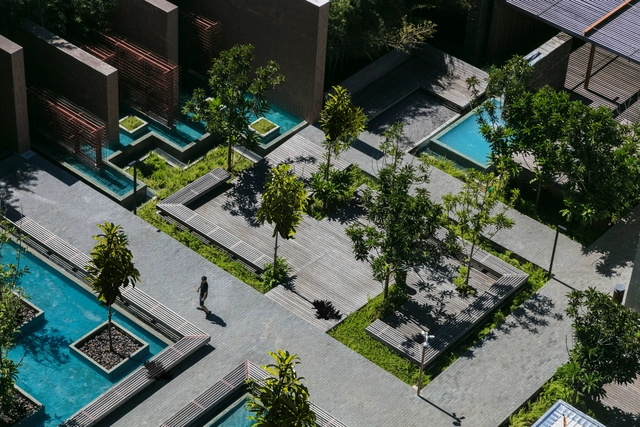
"Landscaping is the only artistic expression that includes all five human senses," says Benedito Abbud in his book Creating Landscapes – a guide to Working in Landscape Architecture. While architecture works mainly with sight and touch, landscaping also embraces smell, hearing and taste, "which provides a rich sensorial experience, by combining the most diverse and full perception experiences. The more a garden can sharpen all the senses, the better it fulfills its role."
In the year that the nation's capital turns 60, the Council of Architecture and Urbanism of the Federal District (CAU/DF) is launching the CAU/DF Seal - Architecture of Brasília. The initiative celebrates the modern architecture of the Plano Piloto Urban Ensemble, highlighting the city's non-monumental architecture. The goal is to recognize the historical value of these buildings and their authors—who are often little known by the general public—as well as to promote best practices in building conservation and maintenance that have preserved the architectural language of the Modern Movement.
“Lute” [Fight], phrases by Mariana Lacerda and Joana Amador projected by Paulinho Fluxus and Lucas Bambozzi at the 9 de Julho Occupation. São Paulo, March 12, 2020. Photo: Paulinho Fluxus
Coronavida: pandemia, cidade e cultura urbana, the new book by artist and professor Giselle Beiguelman, addresses the impacts of the coronavirus on culture and daily life in cities. The suppression of public space, new forms of activism, the pandemic of images (from livestreams to memes), the molecular surveillance of the "new normal," the precariousness of social relations, and remote work are among the topics explored.
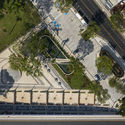
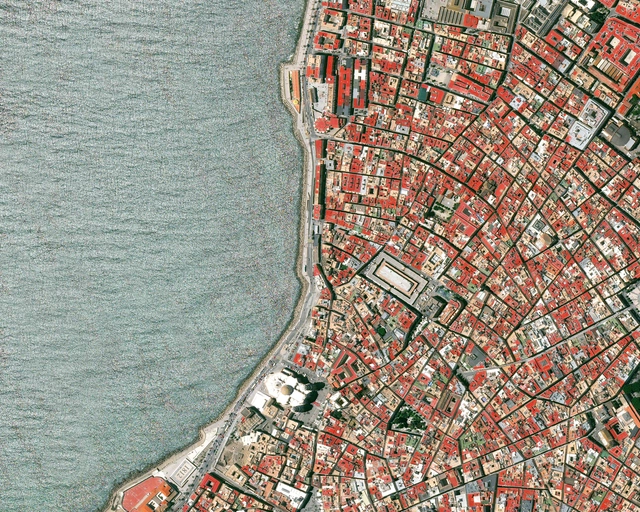
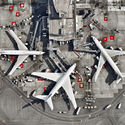
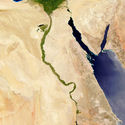
Seeing from above – the aerial vantage point – is the illusion of knowledge. This was the idea of Frenchman Michel de Certeau, a historian who was interested in the everyday practices that occur on the ground, on the streetscape. In contrast to Certeau's view, satellite images can be a powerful tool to understand, predict, and strive for a better future for humankind. This is the mission of Benjamin Grant, founder of Overview, a platform that explores human activity on Earth through aerial imagery.
Interested in fostering "an experience of awe" through elevated vantage points of our world, Overview offers snapshots featuring traces of human activity on the surface of the planet. Photos of cities and other cultural artifacts join pictures of mesmerizing topography and natural beauty in an impressive archive of drone and satellite images. Awe abounds as we face not only some of the most impressive human endeavors seen from the sky, but also as we are confronted with the rather gruesome side-effects of our very existence on Earth.
São Paulo sidewalk. Image courtesy of Caos Planejado
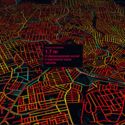
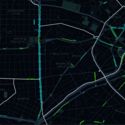
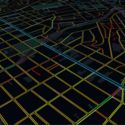
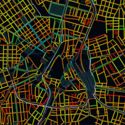
The quality of streets and sidewalks is a widely debated topic in Brazil, and the coronavirus pandemic has added another layer of complexity—public health—prompting us to question whether it is actually possible for pedestrians to practice social distancing. This concern led architecture student Conrado Freire to develop a map of sidewalk widths in São Paulo.
Adapted from Meli Harvey's Sidewalk Widths NYC project on New York City sidewalks, Largura do Passeio uses sidewalk data provided by the GeoSampa portal to visually synthesize information about São Paulo's pedestrian pathways that is not typically accessible to the general public. Based on the open-source code released by Harvey—which has also been adapted for cities like Toronto, Washington, Berlin, and Milan—Freire creates a visual mapping of what is often only felt by pedestrians moving through São Paulo's urban space.