Romullo Baratto

Romullo Baratto is an architect with a PhD from FAUUSP and Managing Editor of ArchDaily. He previously coordinated the editorial team of the 11th São Paulo Architecture Biennial and served as Managing Editor of ArchDaily Brasil, where he led the platform to win the FNA Award—the first time the honor was granted to a media outlet. He collaborated on the editing of the book "Concrete Jungle", published by gestalten, and has curated architecture exhibitions in Brazil, Chile, Denmark, and Italy, as well as delivered lectures and moderated debates in Spain, the United States, and Portugal. His doctoral thesis investigates the urban landscapes of São Paulo through cinema. His work spans academic research and editorial practice, communicating architecture through texts, interviews, lectures, curatorship, and photography. Follow him on Instagram @romullobf.

BROWSE ALL FROM THIS AUTHOR HERE
↓

Tourism-Oriented Rehabilitation: Interview with Fernando Coelho

Subscriber Access | 

No País dos Arquitectos is a podcast created by Sara Nunes, who also runs the architectural film production company Building Pictures. The podcast aims to profile the professionals, projects, and stories behind landmark contemporary Portuguese architecture. With just over 10 million inhabitants, Portugal is a highly intriguing country in this professional field, and its architectural output far exceeds what its small population and territorial scale might suggest.

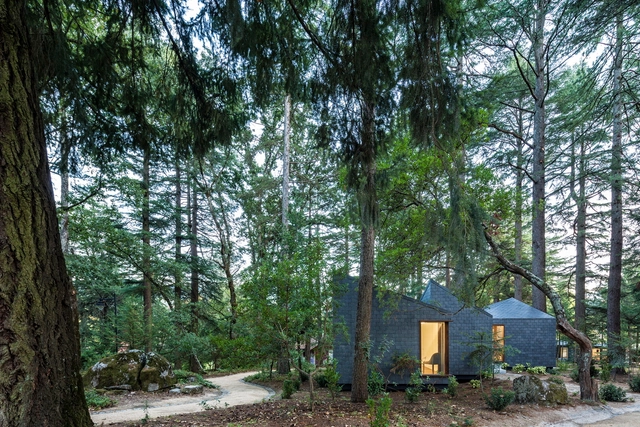
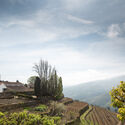
In this episode of the sixth season, Sara talks with architect Fernando Coelho of the firm FCC Arquitectura about the Monverde Rural Hotel project, located in Quinta da Lixa. Listen to the conversation and read an excerpt of the interview below.

Tourism-Oriented Rehabilitation: Interview with Fernando Coelho - More Images+ 8

São Caetano do Sul begins offering free public transit for all ages

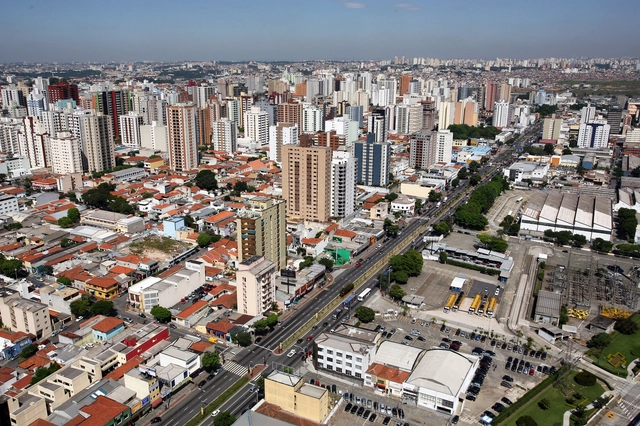
On the first of this month, São Caetano do Sul (SP) implemented free fares on municipal buses through its "Zero Fare Program." Far from an isolated initiative, the measure aims to encourage public transportation use, providing direct savings to residents while improving air quality.

“Architecture Can Be Bigger Than Its Own Scale or Temporality”: An Interview With Diogo Aguiar Studio

As tragic as they may be, crises often foster adaptability and resilience. In architecture, they challenge professionals to adapt their production to smaller and less frequent orders. That is the case of Diogo Aguiar Studio, a Portuguese studio based in Porto founded in 2016, in the recovery from a profound economic crisis, which, since its emergence, has been forced to reinvent ways of operating within the field of architecture.

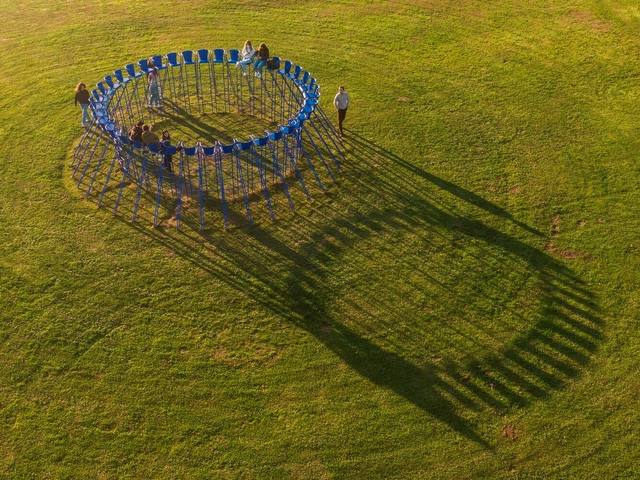
Interested in varied scales and typologies, the studio works between the fields of architecture and art, carrying out small-scale architectural projects and spatial installations, temporary or not, for public spaces. Formed by Diogo Aguiar, Daniel Mudrák, Adalgisa Lopes, João Teixeira, Cláudia Ricciuti, and Marta Bednarczyk, the studio bases its practice on the belief that "there are no small projects and, above all, that there are no smaller projects." The ability to respond inventively to diverse demands and contexts earned the studio a place on ArchDaily's 2023 Best New Practices list.

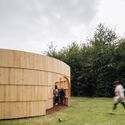
“Architecture Can Be Bigger Than Its Own Scale or Temporality”: An Interview With Diogo Aguiar Studio - 1 的图像 4“Architecture Can Be Bigger Than Its Own Scale or Temporality”: An Interview With Diogo Aguiar Studio - 2 的图像 4“Architecture Can Be Bigger Than Its Own Scale or Temporality”: An Interview With Diogo Aguiar Studio - 3 的图像 4“Architecture Can Be Bigger Than Its Own Scale or Temporality”: An Interview With Diogo Aguiar Studio - 4 的图像 4“Architecture Can Be Bigger Than Its Own Scale or Temporality”: An Interview With Diogo Aguiar Studio - More Images+ 10

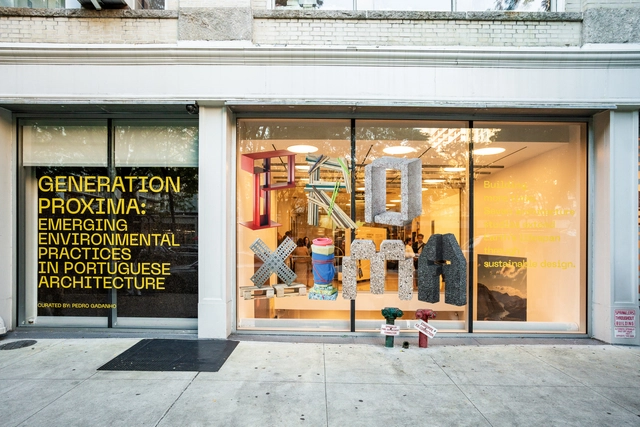
“If we were at the center of the problem, now we can be at the center of the solutions”: Pedro Gadanho on the Generation Proxima exhibition

Subscriber Access | 

No País dos Arquitectos is a podcast created by Sara Nunes, who also runs the architectural film production company Building Pictures. The podcast aims to profile the professionals, projects, and stories behind landmark contemporary Portuguese architecture. With just over 10 million inhabitants, Portugal is a highly compelling country within this professional field, and its architectural output far exceeds what its population and territorial scale would suggest.

In this episode of the sixth season, Sara talks with architect and curator Pedro Gadanho about the exhibition Generation Proxima: Emerging Environmental Practices in Portuguese Architecture. Listen to the conversation and read part of the interview below.

"The architect doesn't think about the place, the architect thinks about life": Interview with Manuel Aires Mateus

Subscriber Access | 

No País dos Arquitectos is a podcast created by Sara Nunes, who is also responsible for the architectural film production company Building Pictures. The podcast aims to profile the professionals, projects, and stories behind leading contemporary Portuguese architecture. With just over 10 million inhabitants, Portugal is a highly compelling country in this professional field, and its architectural output far exceeds its population or territorial scale.

In the first episode of the sixth season, Sara talks with Manuel Aires Mateus of the firm Aires Mateus about the House in Monsaraz. Listen to the conversation and read part of the interview below.

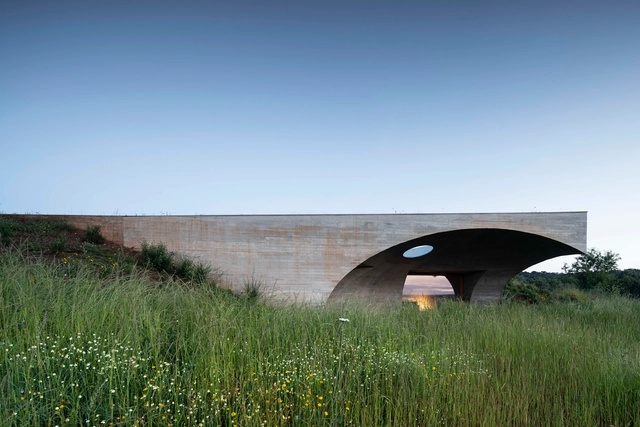
The architect doesn't think about the place, the architect thinks about life: Interview with Manuel Aires Mateus - More Images+ 2

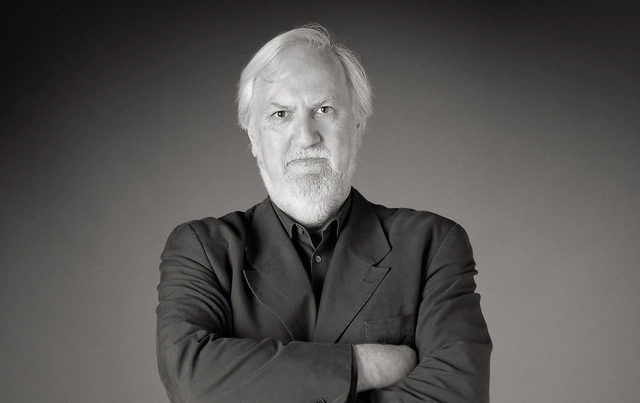
Architect and Theorist Anthony Vidler Dies Aged 82

Architect, researcher, and architectural theorist Anthony Vidler passed away last night, on October 20, 2023, at the age of 82, according to Princeton University School of Architecture. Vidler had a distinguished career at the prestigious institution, where he served as the inaugural director of the Doctoral Program in History and Theory. His passion for architecture, nurtured in Essex, England, led him to earn both an undergraduate and a master's degree in architecture at the University of Cambridge. Later, he obtained a doctorate in Architectural History and Theory from Delft University of Technology. His influential career spanned over 50 years, leaving a profound impact on architectural research and education.

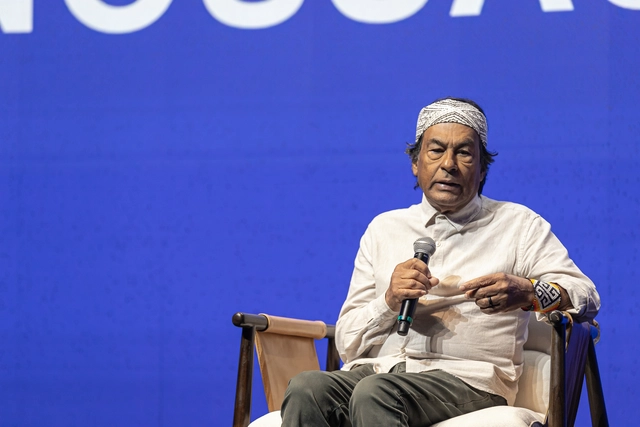
Ailton Krenak: “Instead of Operating in the Landscape, We Should Blend in With It”

Subscriber Access | 

Ailton Krenak is a renowned environmentalist, philosopher, writer, and poet who holds honorary doctorates from the Federal University of Minas Gerais and the Federal University of Juiz de Fora. As an Indigenous leader, he played a pivotal role in advocating for Indigenous Rights, which were eventually enshrined in the 1988 Constitution of Brazil. His profound ideas have been disseminated through lectures, educational courses, and books, including notable works such as Ideas to Postpone the End of the World, Life is not Useful, and Ancestral Future.

Krenak has a unique talent for transforming his life experiences into profound concepts, which he conveys through oral and poetic language. His worldview blurs the boundaries between landscapes, human beings, animals, rivers, and mountains. He strongly advocates for a reassessment of our lifestyle, emphasizing the importance of 'breaking up the ground to allow the channeled waters to resurface.' On September 5th, he participated in a discussion in São Paulo during the Archtrends Summit 2023, organized by Portobello. During this event, he shared his insights on topics such as cities, forests, and the future of our planet.

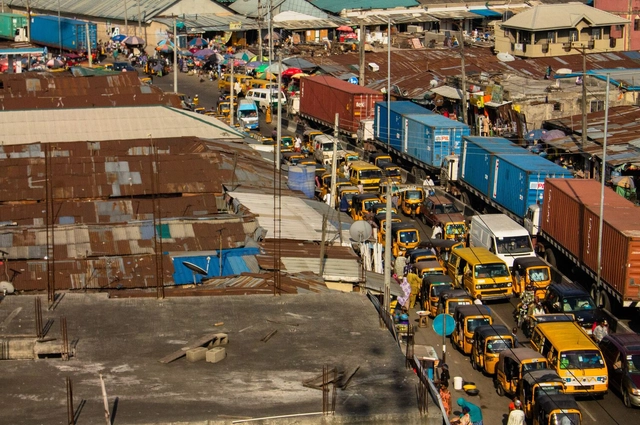
African nations call for a global carbon tax

African countries have issued a stark joint declaration calling on major polluting nations to help poorer countries develop without further destroying the planet's climate and ecosystems, as wealthy nations did. They advocate for a global carbon tax as the primary mechanism to enable sustainable investment in vulnerable countries.

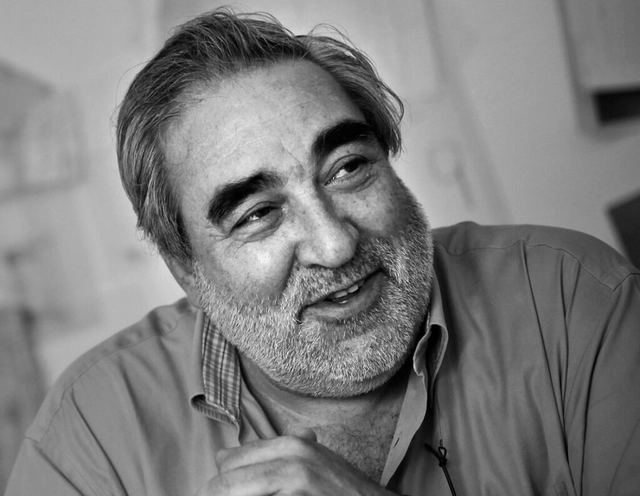
Eduardo Souto de Moura Receives the Gold Medal from the Círculo de Bellas Artes in Madrid

The Portuguese architect Eduardo Souto de Moura will receive yet another international recognition for his career. On October 20th, the Circle of Fine Arts of Madrid or Círculo de Bellas Artes de Madrid (CBA) will award the architect the Gold Medal, its highest distinction. This tribute not only adds to Souto de Moura's extensive list of accolades, which includes the 2011 Pritzker Prize and the 2013 Wolf Prize, among others but also represents an expression of appreciation from the world of culture and the arts for a career and body of work that transcend architecture and "reach the dimension of poetry through the acceptance of the technical demands of buildings

Lessons from Recife's Porto Digital

Subscriber Access | 

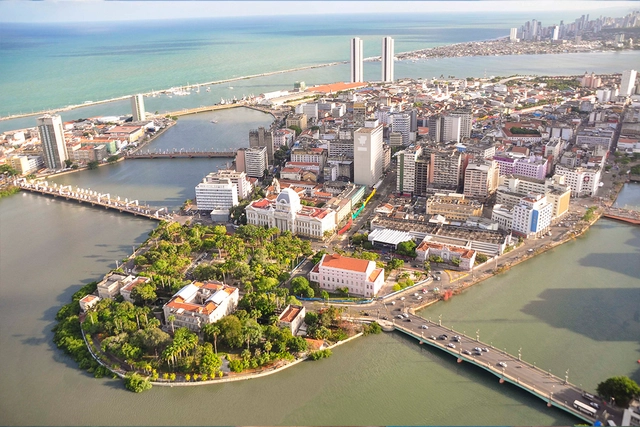
There are many reasons why some urban areas deteriorate while others thrive, including economic, planning, social, and cultural factors, as well as sheer chance. Understanding these dynamics—and, more importantly, minimizing the risk of decay while fostering vitality in urban areas—is a recurring theme in urban planning, driven by the shared and legitimate desire to live in beautiful, pleasant, and prosperous environments.

"For us, the project is the center of everything": Interview with Branco Del Rio Arquitectos

Subscriber Access | 

Doing more with less is an urgent architectural imperative. This is especially true in our recent global context, where environmental concerns are compounded by economic and social crises in various parts of the world. Within this landscape, the firm Branco Del Rio Arquitectos has been developing its practice since its founding in Coimbra in 2014. Established during a period of instability in Portugal, the office is the result of Paula del Rio and João Branco's pursuit of a simple architecture that seeks to address contemporary demands as objectively as possible.

In less than ten years of activity, the firm has garnered competition awards and international recognition, and was recently selected as one of ArchDaily's Best New Practices of 2023. We had the opportunity to speak with the architects about their experience with architectural rehabilitation, their collective housing projects, and their practice characterized by an economy of means.

Bucolic Landscapes: 15 Country Houses in Portugal

Subscriber Access | 

With a population of a little over ten million people, of which almost two-thirds are living in urban areas, Portugal is still one of the most rural countries in Europe to this day. A significant part of the population is distributed along the Atlantic Ocean coast, concentrated mainly in Lisbon and Porto, which account for almost half of the country's residents, resulting in a large and sparsely populated inland area with predominantly rural characteristics.

Despite the low density and the countryside atmosphere, these regions are not lacking in quality architecture. Many buildings - mostly residential - stand out for their ability to blend into the landscape, repurpose old structures, or pay homage to local vernacular techniques. The following 15 country houses are examples of this:

Bucolic Landscapes: 15 Country Houses in Portugal - Image 1 of 4Bucolic Landscapes: 15 Country Houses in Portugal - Image 2 of 4Bucolic Landscapes: 15 Country Houses in Portugal - Image 3 of 4Bucolic Landscapes: 15 Country Houses in Portugal - Image 4 of 4Bucolic Landscapes: 15 Country Houses in Portugal - More Images+ 11

Architect and Curator Jean-Louis Cohen Passes Away at 74

Architect, critic, and curator Jean-Louis Cohen passed away at the age of 74 yesterday, August 7. Recognized for his extensive research in the field of modern architecture and urban planning, he held the Sheldon H. Solow Chair of Architectural History at New York University since 1994.

Cohen served as a curator for various prestigious exhibitions, including some held at the Museum of Modern Art, the Canadian Centre for Architecture, the Centre Georges Pompidou, the Cité de l'Architecture et du Patrimoine, and the MAXXI. More recently, alongside Brazilian researcher Vanessa Grossman, he curated the exhibition "Geografias Construídas: Paulo Mendes da Rocha," which opened in May at the Casa da Arquitectura in Portugal.

Working with what already exists: interview with fala atelier

Subscriber Access | 

No País dos Arquitectos is a podcast created by Sara Nunes, who also runs the architectural film production company Building Pictures. The podcast aims to profile the professionals, projects, and stories behind leading contemporary Portuguese architecture. With just over 10 million inhabitants, Portugal is a fascinating country within this professional field, producing architecture that far exceeds its small population and territorial scale.

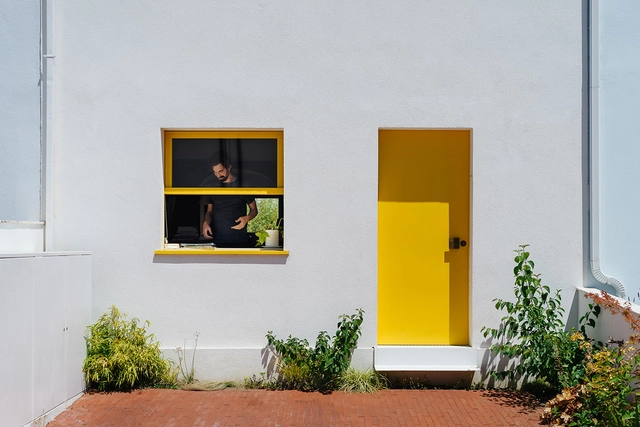
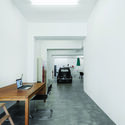
In the first episode of the fifth season, Sara talks to the architects of fala atelier about the Casa Garagem project. Listen to the conversation and read part of the interview below.

Working with what already exists: interview with fala atelier - Image 1 of 4Working with what already exists: interview with fala atelier - Image 2 of 4Working with what already exists: interview with fala atelier - Image 3 of 4Working with what already exists: interview with fala atelier - Image 4 of 4Working with what already exists: interview with fala atelier - More Images+ 5

Large Cities as Living Organisms: Interview with Ana Aragão

Subscriber Access | 

No País dos Arquitectos is a podcast created by Sara Nunes, who also runs the architectural film production company Building Pictures. The show aims to introduce the professionals, projects, and stories behind leading contemporary Portuguese architecture. With just over 10 million inhabitants, Portugal is a fascinating country when it comes to this professional field, and its architectural output far exceeds its population or territorial scale.

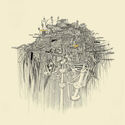
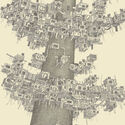
In this episode of the fifth season, Sara talks with designer Ana Aragão about her illustrations dedicated to architecture and cities. Listen to the conversation and read part of the interview below.

Large Cities as Living Organisms: Interview with Ana Aragão - 1 的图像 4Large Cities as Living Organisms: Interview with Ana Aragão - 2 的图像 4Large Cities as Living Organisms: Interview with Ana Aragão - 3 的图像 4Large Cities as Living Organisms: Interview with Ana Aragão - 4 的图像 4Large Cities as Living Organisms: Interview with Ana Aragão - More Images+ 4

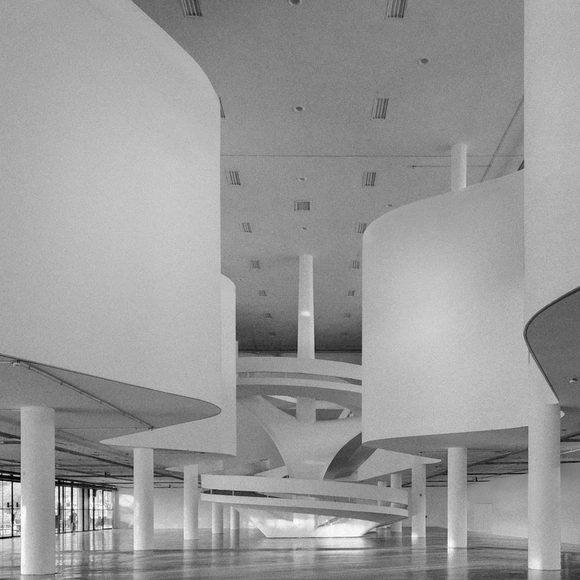
With exhibition design by Vão Arquitetura, the São Paulo Biennial announces the list of 120 participating artists

The 35th Bienal de São Paulo – choreographies of the impossible, organized by the Fundação Bienal de São Paulo and curated by Diane Lima, Grada Kilomba, Hélio Menezes, and Manuel Borja-Villel, presents the complete list of participating artists and collectives. The exhibition design for this edition is by the São Paulo-based office Vão.

The announced list consolidates the extensive research carried out by the curators into urgent issues of the contemporary world, revealing a diversity of forms, movements, and interpretations under the theme "choreographies of the impossible." Featuring 120 confirmed names, the list embraces voices from the diasporas and indigenous peoples, fostering a broader local and international dialogue.

Accessibility to quality housing: interview with Branco del Río, Arquitectos

Subscriber Access | 

No País dos Arquitectos is a podcast created by Sara Nunes, who also runs the architectural film production company Building Pictures. The podcast aims to profile the professionals, projects, and stories behind leading contemporary Portuguese architecture. With just over 10 million inhabitants, Portugal is a highly compelling country regarding this professional field, and its architectural output punches far above its demographic or territorial scale.

In this episode of the fifth season, Sara talks with architects Paula del Rio and João Branco, from the firm Branco del Río, Arquitectos, about collective housing. Listen to the conversation and read part of the interview below.

Eduardo Souto de Moura's Memorial for the Victims of the Fire in Portugal

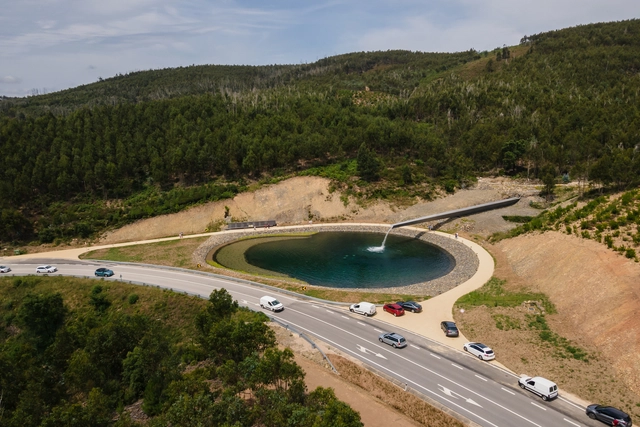
Pedrógão Grande, a Portuguese municipality located about 55 kilometers from Coimbra, inaugurated last week the Memorial in Homage to the Victims of the 2017 Forest Fires, a tragedy that claimed the lives of 66 people and left 253 others injured. The monument was designed by architect Eduardo Souto de Moura, winner of the Pritzker Prize in 2011.
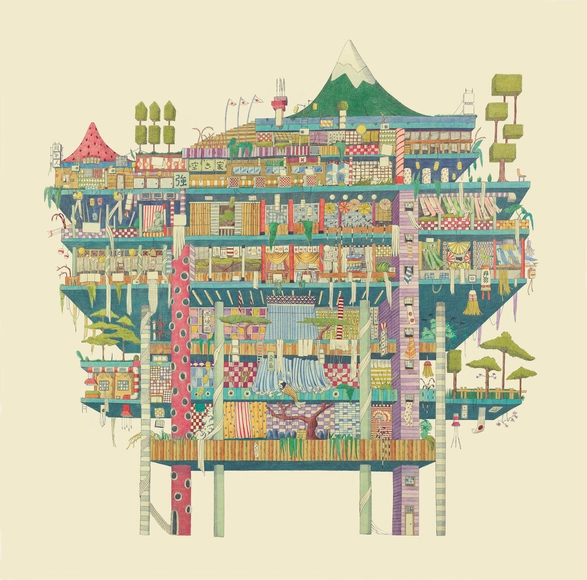
The work cost about 1.8 million Euros and was initiated two years ago by Infraestruturas de Portugal (IP). The monument features "a framing lake, with about 2,500 square meters of area, fed by a 60-meter long gargoyle, bordered by a strip of plants consisting of white water lilies, lilies, and ranunculus," according to IP. In addition, the project includes a wall with the name of each victim inscribed on it.

Eduardo Souto de Moura's Memorial for the Victims of the Fire in Portugal  - Image 1 of 4Eduardo Souto de Moura's Memorial for the Victims of the Fire in Portugal  - Image 2 of 4Eduardo Souto de Moura's Memorial for the Victims of the Fire in Portugal  - Image 3 of 4Eduardo Souto de Moura's Memorial for the Victims of the Fire in Portugal  - Image 4 of 4Eduardo Souto de Moura's Memorial for the Victims of the Fire in Portugal  - More Images+ 10