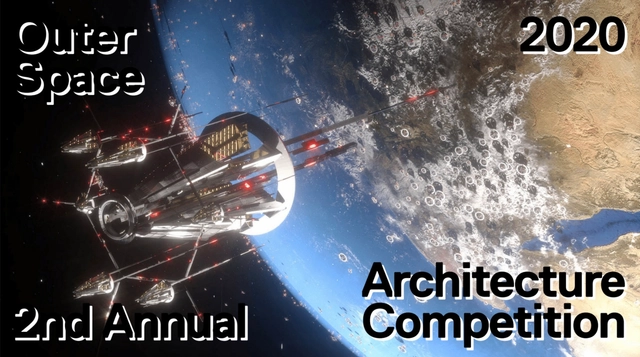
We are on the cusp of the second great age of space exploration.
Outer space has always captured the imaginations of the public. New advances in technology (including comet landings, the Orion Spacecraft, and large scale social experiments leading to exploration of Mars) mean that outer space is no longer a place only astronauts will get to experience – but something you and I can experience within our lifetimes
The proposals that make up the exhibition Ciudad Completa | La Palomera: reconocimiento y celebración (Hacienda La Trinidad Parque Cultural) are the result of a multiplicity of individual and collective exercises, deployed as creative actions—experiences conceived to transcend the boundaries that make it difficult to imagine and experience the city as a diverse and complex fabric, open to the forces of the other, always yet to come; and of the other, the inhabitant who, together with us, inhabits and shapes it. A city for encounter, active consensus, learning, and transformation.
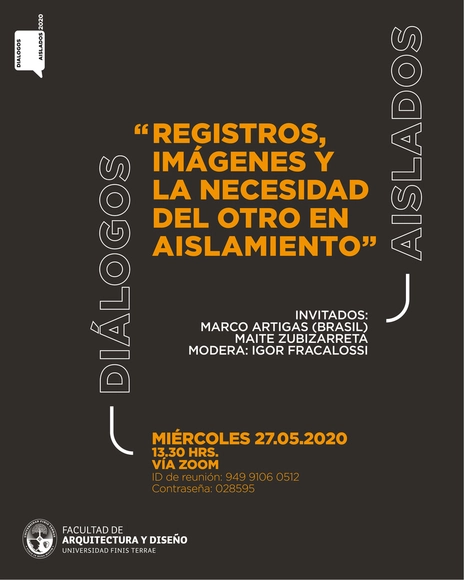
Brazilian architect Matheus Seco and artist Patrícia Osses will discuss "Universal Influences and Local Expression: A Look from Isolation," analyzing the cases of Brasília and São Paulo, the cities where they reside, respectively. This conversation will take place as part of "Isolated Dialogues" (Diálogos aislados), an online series organized by the School of Architecture at Finis Terrae University, which brings together guests from various disciplines to analyze the theme of isolation from different perspectives.
Through its Schools of Architecture in Bogotá, Manizales, and Medellín, the National University of Colombia invites you to this series of online lectures, highlighting key areas such as professional practice, teaching, research, and outreach.
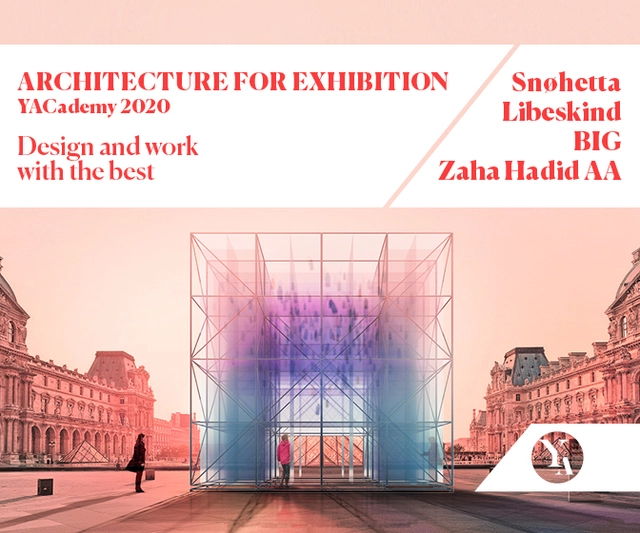
The launch of the 2020 educational offer of YACademy –YAC’s program to open its network of the most prestigious studios in the world for the most deserving young designers– is the right moment also to narrate some of the experiences the students had before starting their collaborations with the main characters of the contemporary architectural world.
Each issue is a new experiment born from its cover image, which serves as a common thread. From there, the articles branch out, interweave, or simply juxtapose, forming a tapestry that everyone is invited to read, discuss, and contribute to.
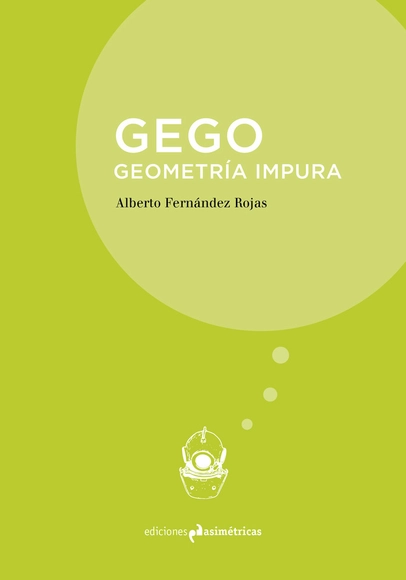
The place Gego's work occupies in Venezuela's abstract-geometric tradition—one of the most fertile in the Americas—is complex; indeed, this subtle body of work, which paradoxically conveys so many meanings, resists definition. Consequently, this book serves as an exploration of how the artist, while engaging with the leading figures of this tradition and acknowledging and sharing some of their ideas, freely expressed their own vision.
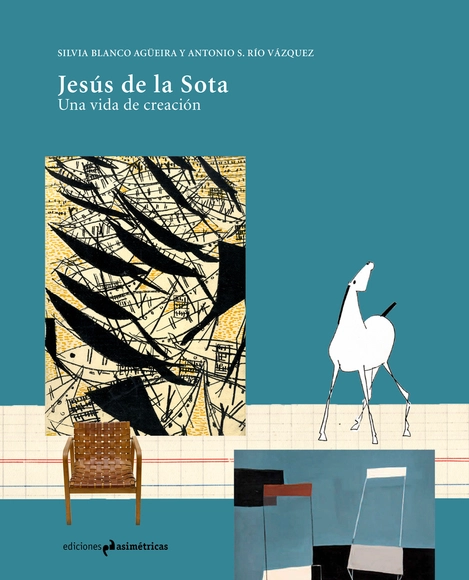
The work of Jesús de la Sota, known primarily for his furniture designs—which often complemented the buildings of renowned architects, such as his older brother Alejandro de la Sota—represents a unique case within 20th-century Spanish design. He was consistently distinguished by his elegant sobriety, brilliant refinement, and clean, powerful lines. He experimented across many diverse creative fields: as a painter, muralist, illustrator, draftsman, and graphic designer, he created chairs, armchairs, tables, and lamps, as well as books, fabrics, and tapestries, all in an attempt to unite utility and beauty in every sphere of daily life. He launched the firm Cores y Sota, a comprehensive interior design project capable of generating architecture from a small scale, in a constant search for the essential and the minimal.
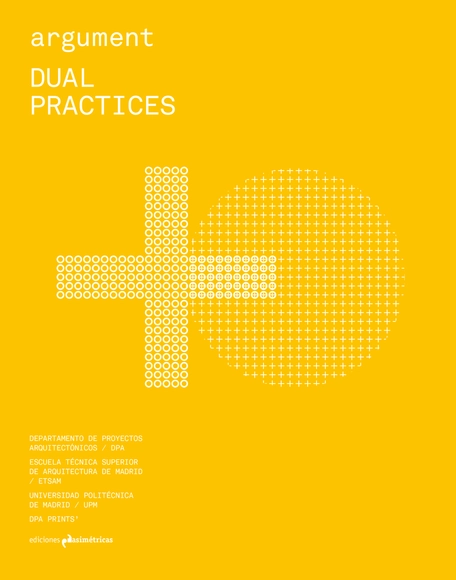
For some time, an entire generation of architect-educators has been exploring the real connections between the speculation inherent in design studios and the professional practices of those who lead them.
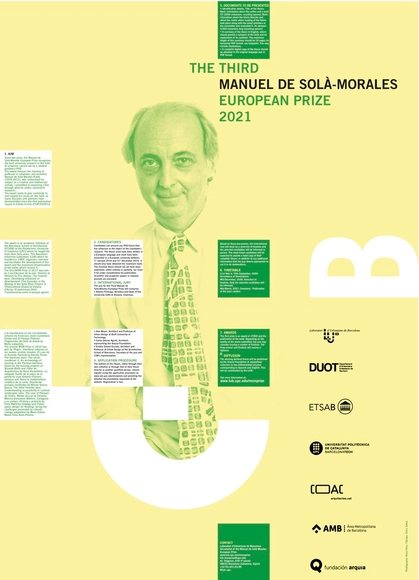
Every two years, the Manuel de Solà-Morales European Prize recognizes the best university research in the field of urbanism carried out by a student granted a PhD.
A discussion featuring faculty from the School of Architecture, Urbanism, and Design at the Universidad del Norte (Colombia) and Colombian architects Giancarlo Mazzanti and Daniel Bonilla.
The "Communication and Media 6" course at the Universidad Católica de Colombia’s Faculty of Design Architecture Program is hosting an online exhibition/presentation of academic portfolios created by students in the architecture program.
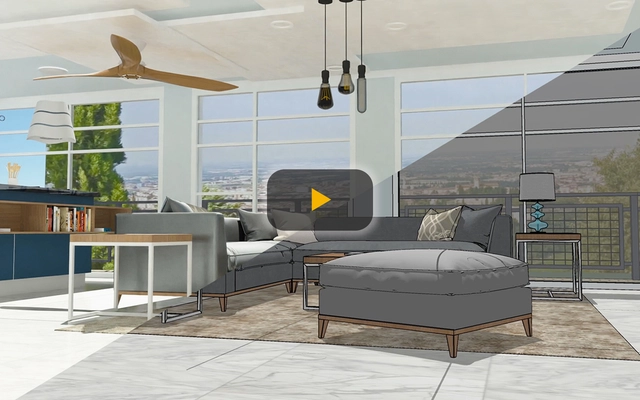
The last decade has seen an enormous influx of new technologies in architecture. Ever since CAD revolutionized traditional pen and paper design methods, many forms of technology have found a comfortable place in the architect’s workflow. While the human experience has always been the cornerstone of architecture, innovations for the AEC industry aren’t always “people-centric”. High barriers to entry, whether that be price or ease-of-use, have kept many practitioners from realizing their full potential.
Jonk travels the world looking for abandoned places. Today, he has visited more than one thousand and five hundred of them in almost fifty countries on four continents. To be touched by a place, he needs to see that only time passing had an impact on it, without any human intervention: cracked walls, peeling paints, rusted iron and nature taking over.
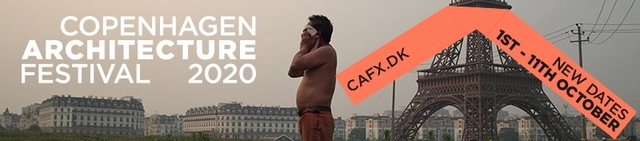
The festival attracts between 50-100.000 audiences every year to a public program of guided tours, film screenings, debates, seminars, workshops and exhibitions focusing on architecture and urbanism.
Due to the recent pandemic situation, for the courses held between September 2020 and January 2021, YAC has taken extraordinary measures to ensure the best performance of its activities and to facilitate access to its courses. In accordance with safety criteria, participation in the courses will be possible through a remote connection. Five scholarships are available for the full cost of enrollment and the full rules of the course are available on YAC's website.
Isolation, viewed from various perspectives and disciplines, is the central theme of the "Isolated Dialogues" series, organized by the Universidad Finis Terrae School of Architecture, which takes place every Wednesday through July. The series features national and international artists, architects, designers, musicians, scientists, and journalists.


.jpg?1590710505&format=webp&width=640&height=580)