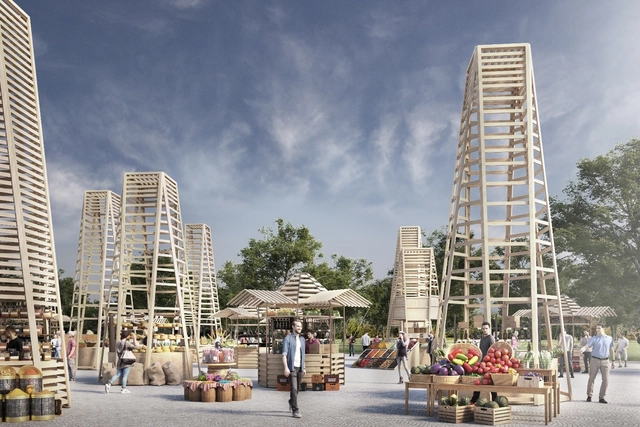
"Making Markets" AMDL CIRCLE Postpandemic Research
Inoltre, a new project by Unipol Group, aims to revive Milan's suburbs with art and beauty. Three suburban areas, belonging to the municipalities number 5, 8, and 9 of Milan, will be the focus of the project. Unipol will conduct research, host events and interventions to begin the rehabilitation, in a context which can typically be complex and of difficult management. The project will have an international scope, with coordination by the University of Pavia and interventions led by YAC. These will include the realization of 3 micro-architectural and tactical urbanism interventions, intended to bring authorial architecture where it is not usually seen; quality where there are economically-led decisions; and beauty where it is not usually searched for.
Call for international workshop Metaform is now officially open till October 1st, 2020. The event will take place from 19th till the 30th of October 2020 in Tbilisi, Georgia.
Big data, smart systems, machine learning – it is inevitable that these new technologies will change the way we study, build and manage our cities. At the same time resurgent interest in consensus and contributive action seems to oppose an exclusively data-driven urbanism. Is the opposition of machine intelligence and democracy inevitable, or are shared trajectories possible?
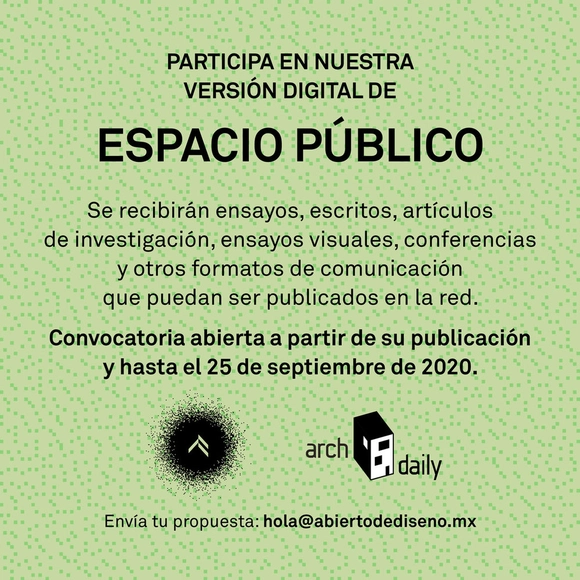
The SARS-CoV-2 coronavirus, better known as COVID-19, has fundamentally altered our reality as a society—both in our daily lives and in the future we will build as we adapt to the current situation. Our public spaces are the first to prompt us to question how interaction and community will function within our cities and living environments. For this eighth edition of the Abierto, we seek to understand how the pandemic will transform our public spaces, how our social, economic, and political relationships will be redefined in light of the current global situation, and how creators, managers, authorities, and citizens perceive these spaces and this relationship.
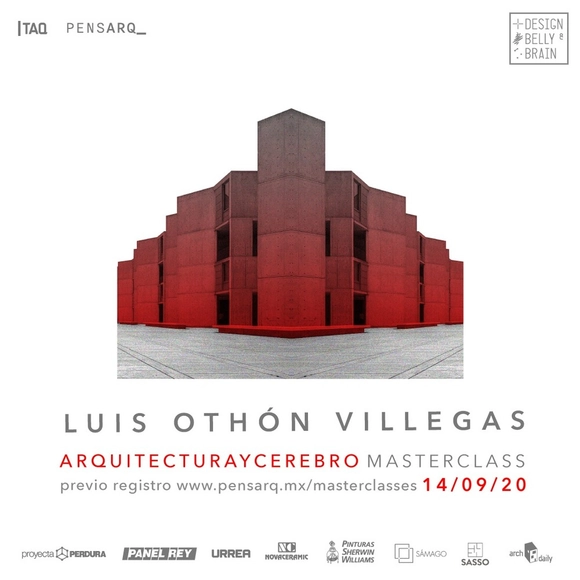
On Monday, September 14, PENSARQ_, the architectural dissemination project by TAQ Arquitectura, will premiere a video Masterclass featuring architect Luis Othón Villegas, founder of LVS Architecture, a design studio that seeks to explore and transform sensory experiences through design and architecture. Villegas has collaborated with Harvard University and on MoMA New York exhibitions such as Design and the Elastic Mind and Safe: Design Takes on Risk.
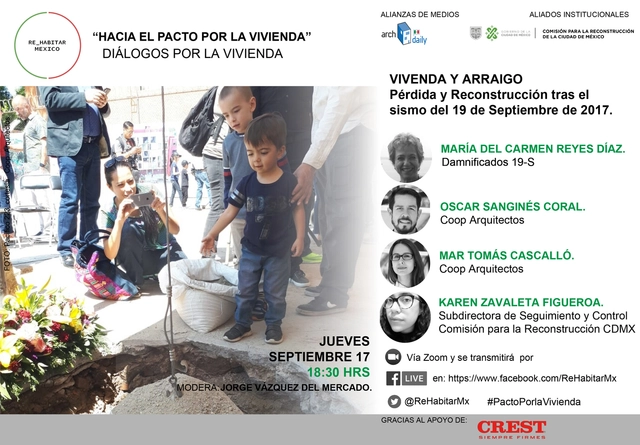
Courtesy of Re_Habitar Mx. Photography: Coop Arquitectos.
The second Housing Dialogue: "Housing and Roots" will explore the case of Pacífico 223. The discussion will cover life before the earthquake, the meaning of housing for individuals and communities, the emotional bonds born from memories associated with a home, the grief that follows its loss, and the collectives that emerge and strengthen through reconstruction efforts.
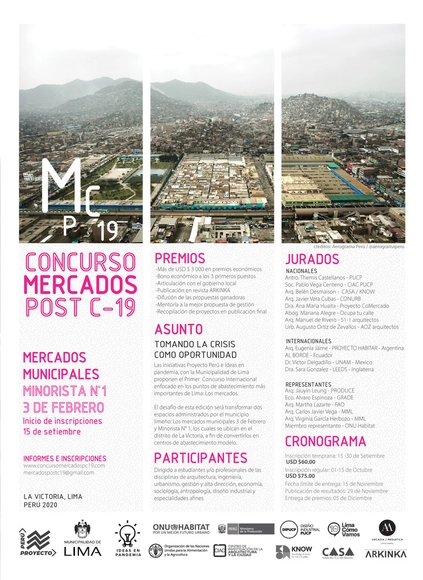
The 'Ideas en Pandemia' and 'Proyecto Perú' initiatives, in collaboration with the Municipality of Lima, have launched a significant effort to bring together diverse civil society actors and local government to address the current challenges facing food markets in the country, specifically in the La Victoria district. This effort promotes formal dialogue between civil society, public agencies, the private sector, and academic institutions in Peru and Latin America to reflect on and resolve shared regional issues.
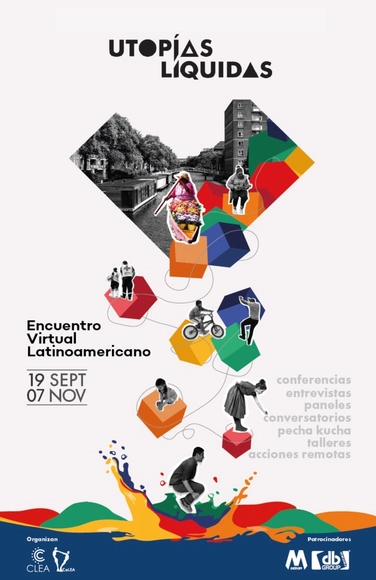
The Latin American Virtual Meeting: Liquid Utopias will be held in a decentralized manner via digital platforms and channels between September 19 and November 7, 2020. From a multidisciplinary perspective, it will feature various activities organized into five weekly blocks, such as conferences, panels, discussions, PechaKuchas, workshops, and remote actions. These aim to problematize, reflect on, and conceive of alternative ideas and visions that allow for the construction of other worlds where all people and living beings can see themselves reflected.
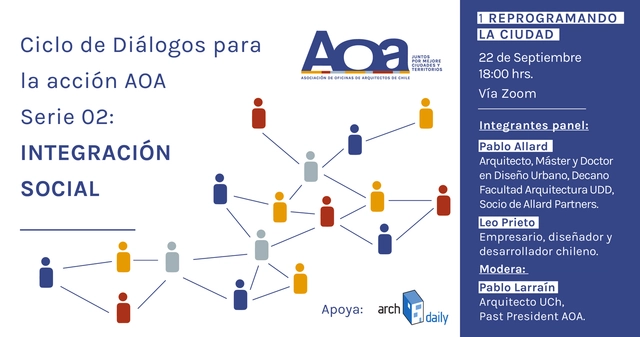
In these times of change, AOA proposes an optimistic approach to the challenges facing cities and their citizens in both local and global contexts. By identifying existing opportunities for positive change in the wake of a crisis, we aim to promote more resilient cities, both in the immediate term and for the future.
5 sessions | 7:00 PM – 8:30 PM | Thursdays October 1, 8, 22, 29 + November 5
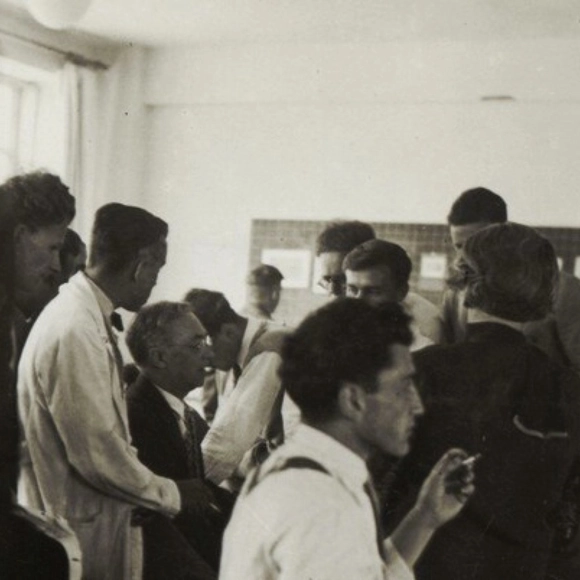
This course uses the Bauhaus as a lens to examine the broader historical trajectory from the 20th century to the present, ultimately returning to our own practice to better understand the school and its lasting impact. It shifts between viewing the Bauhaus from the outside in and observing the world through its perspective. The course emphasizes the relationship between behaviors, objects, and their respective eras, spanning from the dawn of industrial consumer society to our current hyper-consumerist age. In doing so, we will cultivate a multidisciplinary, open, and relational perspective—perhaps the Bauhaus’s most significant contribution to our time.
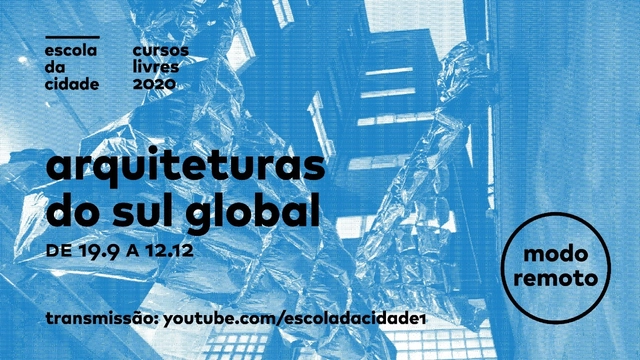
Organized by Marco Artigas and Pedro Vada, this course aims to broaden the repertoire of contemporary architectural production by considering the urgent need for new, fundamentally counter-hegemonic perspectives.
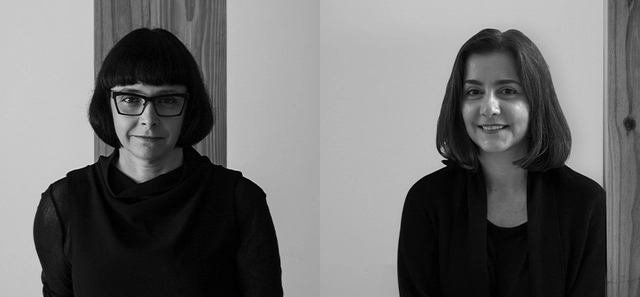
The projects by studio mk27 value formal simplicity and are crafted with extreme attention to detail and finishes. Using photographs and executive drawings of select projects, architect and director Diana Radomysler demonstrates the complexity and care required to achieve the aforementioned formal simplicity.
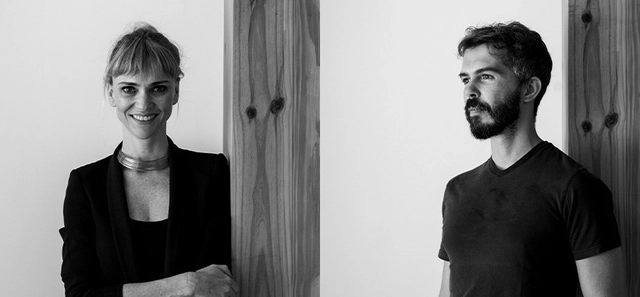
Director and architect Suzana Glogowski will present three residential projects that differ in scale, location, and program, along with the solutions provided by studio mk27 for each.
Modern Architecture and Climate explores how leading architects of the twentieth century incorporated climate-mediating strategies into their designs, and shows how regional approaches to climate adaptability were essential to the development of modern architecture.