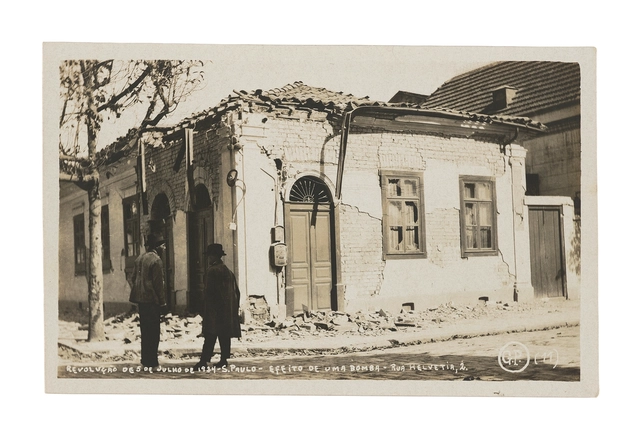
At the beginning of the 20th century, a bomb exploded at 2 Rua Helvetia, in downtown São Paulo. This occurred during the 1924 Paulista Revolution, also known as "the revolution that São Paulo forgot": a tenentista uprising harshly suppressed by government-loyal troops. After 23 days of bombardment that primarily affected the civilian population, newspapers celebrated the victory of legality and the crushing of the revolution. A century later, under the justification of maintaining that same legality, many other bombs—both real and symbolic—have exploded over that same territory, impacting the most vulnerable above all.
Videos
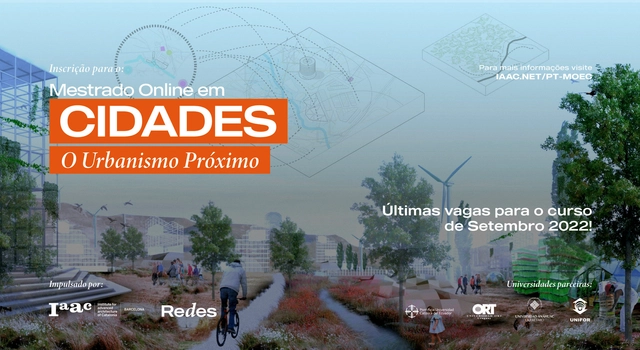
Applications for the Online Master's in Cities open until the end of September 2022
This Master's program is specifically designed for professionals seeking a degree in Cities and Urbanism without the need to travel or relocate abroad. It offers distance learning led by experts in Architecture, Urbanism, Sociology, Ecology, and Economics, featuring faculty from the IAAC and a roster of leading transdisciplinary professionals in the field.
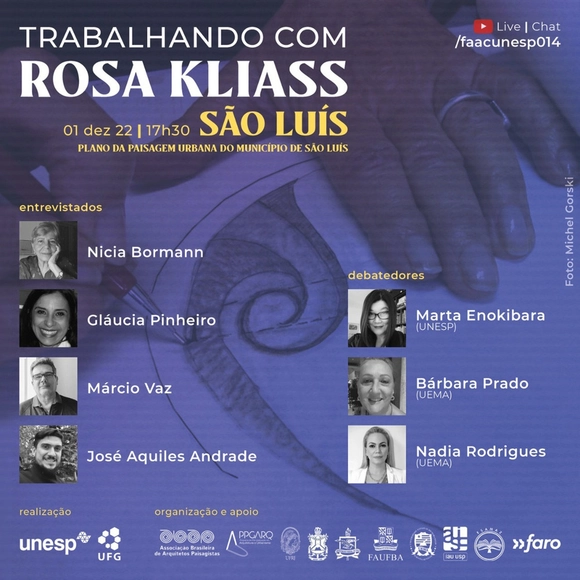
Resuming the “Working with Rosa Kliass” debate series, we are pleased to invite you to the final two sessions, taking place on December 1 and 8, 2022. These sessions will focus on projects developed for São Luís (Maranhão) and Porto Velho (Rondônia), respectively.
Various initiatives have been promoted by public authorities aimed at the recovery of São Paulo's central area, whether focusing on buildings, seeking ways to encourage private investment in the restoration of underutilized or vacant properties, or focusing on open public spaces, such as the squares remaining from road interventions that are the subject of an international public competition.
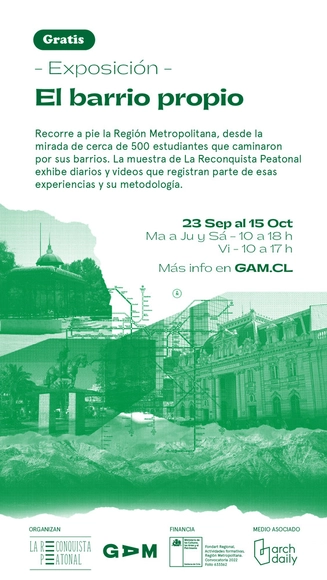
The NGO La Reconquista Peatonal (LRP) seeks to highlight people's experiences in the city, particularly through walking. To this end, it collects walkers' experiences through mobile paper journals that individuals receive, complete, and return with observations, perceptions, and daily experiences in the city. This process has generated over a thousand journals containing diverse records and relevant information on the multiple relationships between people and their environments, highlighting subjective aspects often overlooked in the urban sphere, such as memory, identity, and affection.
School of Architecture, Creative Campus, Andrés Bello University.
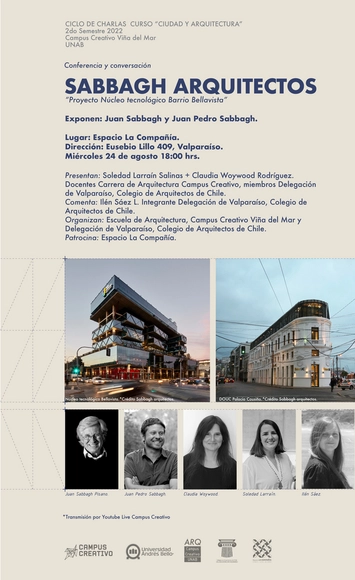
On Wednesday, August 24, at 6:00 PM, the second event in the lecture series organized by the School of Architecture at the Universidad Andrés Bello's Campus Creativo will take place. The series is led by faculty members Claudia Woywood and Soledad Larraín, with the participation of the Valparaíso Zonal Delegation of the College of Architects and Espacio La Compañía, as part of the "City and Architecture" course.
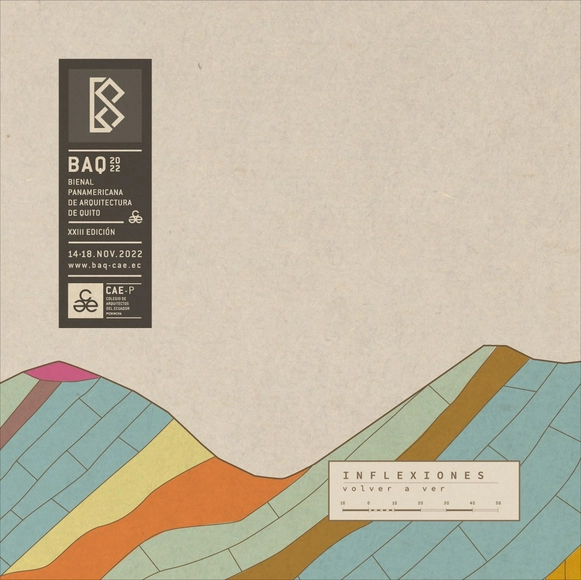
The Pan-American Architecture Biennial of Quito (BAQ2022) will take place at the Casa de la Cultura Ecuatoriana from November 14 to 18. With its agenda now confirmed, the Biennial has brought together prominent professionals from across the continent and the globe to foster dialogue, exchange, and reflection on architecture and the contemporary city, cementing its status as the most important architectural event in the region.
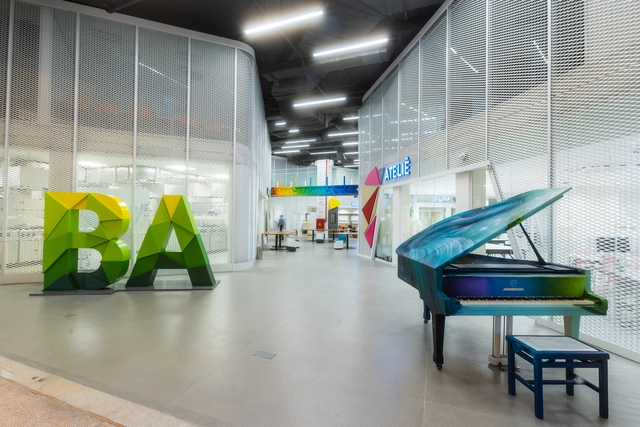
Belas Artes Shopping Cidade Jardim campus. Photo: Courtesy of the institution
On September 6th, Belas Artes is hosting the Belas Artes Design Week. The initiative takes place during DW! São Paulo Design Weekend, the largest design festival in Latin America, and will bring together professionals and companies from various fields within architecture and design to discuss innovation, creativity, art, and entrepreneurship in Brazilian design.
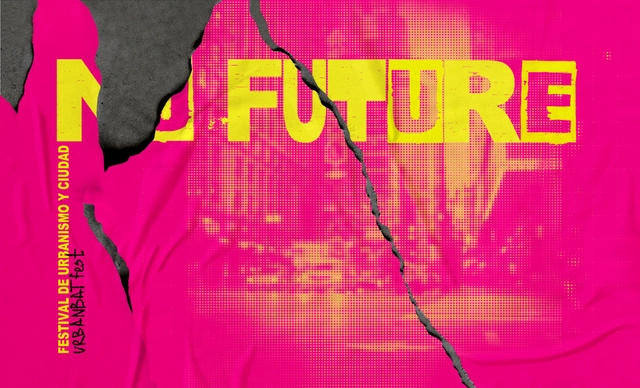
URBANBATfest is a festival that functions as a laboratory—or a laboratory that evolves into a festival. It is a research process focused on urban transformations and an environment for learning, experimentation, and collective creation designed to drive urban innovation.
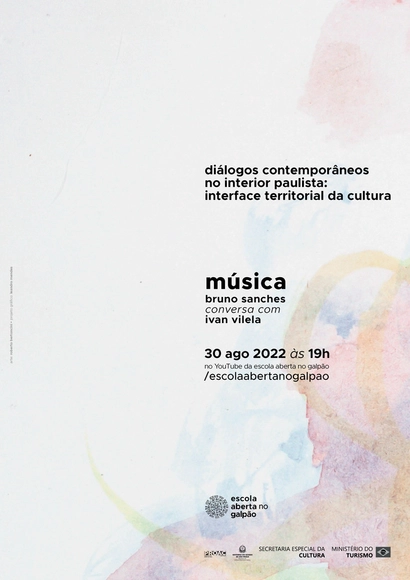
Open School at the Warehouse: Music - Bruno Sanches in conversation with Ivan Vilela. Art: Roberto Bertoncini. Graphic Production: Leandro Mendes
The "Contemporary Dialogues in the Interior of São Paulo" festival aims to address topics related to culture, art, cities, and contemporary ways of being and living, fostering encounters between experts in specific fields of knowledge to debate among themselves and with the public. In 2022, eight free digital meetings will be held under the theme:
Promotional image for Recorte Magazine. Photo by Rodrigo Lins
On Friday, March 11, the launch of Recorte will take place in São Paulo. The magazine, focused on design and creativity, is produced, edited, and funded by a community of designers, illustrators, and creative industry professionals.
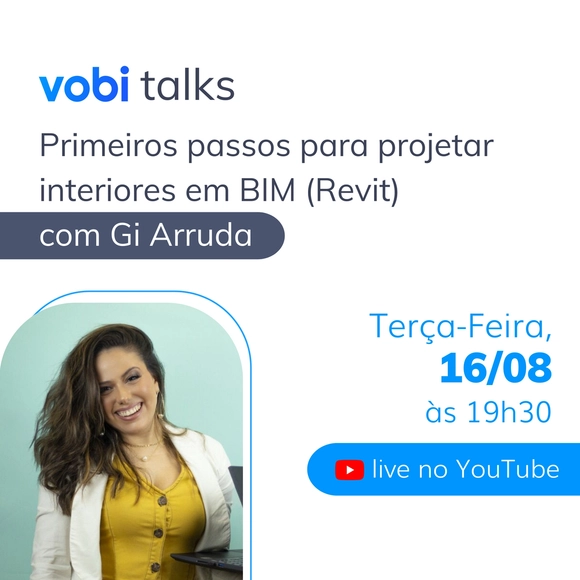
Gigi Arruda is the creator of the first Revit template for comprehensive interior design projects: the Ideal Revit Template for Interiors, better known as #templategigiarruda. A specialist in BIM interior design and an interior designer, Arruda develops templates for both Brazilian and international firms.
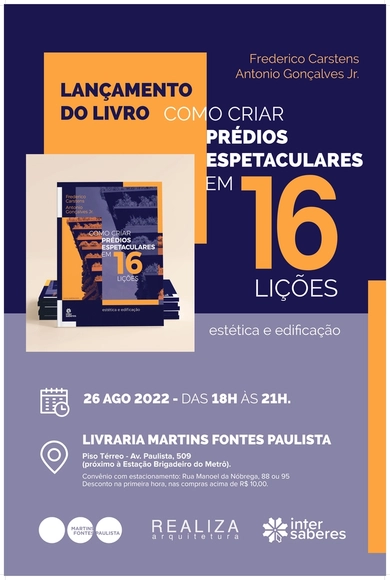
Art, harmony, and construction: a new architecture book lists 16 steps to create spectacular buildings. From aesthetic reflections to detail-rich projects, the work is a theoretical-practical manual being launched in Curitiba and São Paulo. Architecture happens at the intersection of aesthetics and construction; in the delicate balance between art and engineering. Every architectural decision reflects a specific period, a sense of belonging, and a constant invitation to go beyond what already exists.
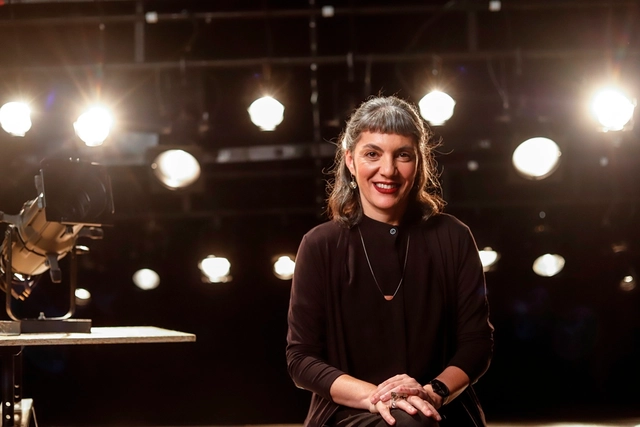
Marisa Bentivegna, creator of the new EAD Sesc Digital course / Photo by Ricardo Ferreira
“Stage Lighting,” the new course from EAD Sesc Digital, will be open to the public starting August 31, featuring content developed by Marisa Bentivegna across a series of six video lessons.
SP Urbanismo, in partnership with the global network C40 Cities, has launched an international competition to select urban design projects for four underutilized public spaces in the city's central region. Open to architects, urban planners, and architecture and urban design firms from Brazil and abroad, the competition aims to gather innovative proposals to transform residual, underutilized road infrastructure into seating and leisure areas that are more inviting for pedestrians and the use of non-polluting transport, such as bicycles.
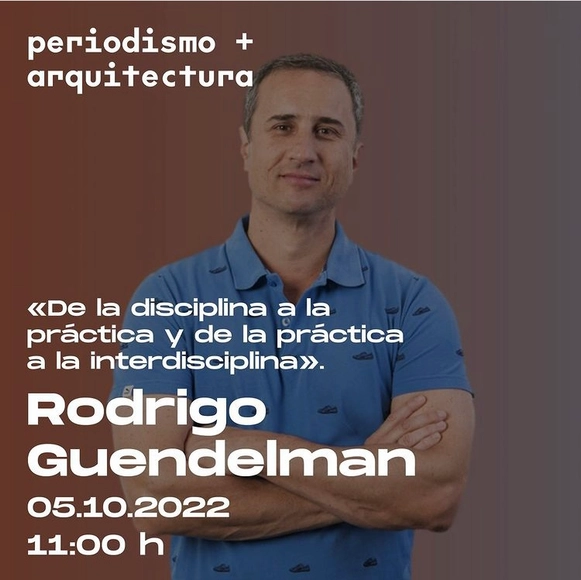
Interdisciplinarity has become a useful tool today for interpreting reality and offering alternatives that allow us to face and resolve the challenges confronting humanity, in a world where “all that is solid melts into air” (Berman, 1988). Hyper-connectivity and the speed of events allow us to stay informed and participate, in real time, in the occurrences of our time—such as violence, the environmental crisis, social crises, and migration—forcing us to confront these threats as individuals and as a community.