The A' Design Award and Competition in pursuit of recognizing excellent design works that were proposed and completed within the last 10 years. Every year, A' Design Award features a reputable jury panel of specialist in various categories, to evaluate design projects that submitted to A' Design Award.
BeeGraphy is thrilled to announce the launch of our Design Awards, an exciting competition designed to push the boundaries of creativity and innovation in computational design. Whether you're an architect, designer, engineer, or a creative enthusiast, this competition offers a unique platform to showcase your talents and make a mark in the world of design.
In the competitive fields of architecture and design, mastering the art of visualization is as crucial as generating innovative ideas. Whether you harness 3D models from SketchUp, use AI-generated images with Diffusion [Labs], or employ external rendering programs like V-Ray, selecting the right visualization technique can significantly advance your professional journey.
Here’s a closer look at the top ten benefits of architectural visualization, illustrated by real-world success stories from the industry.
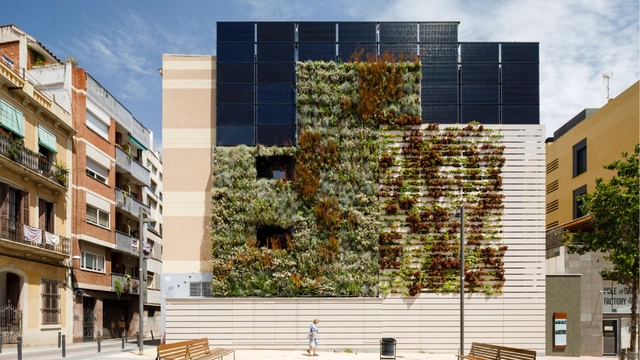
Example of a party wall already transformed in Barcelona. Photography: Marcela Grassi
Taking a step forward to improve the quality of public space as part of the World Capital of Architecture title the city will hold in 2026, Barcelona is launching a new International Ideas Competition for Young Architects to transform 10 permanent party walls—one in each district—into new facades. Organized by the Barcelona City Council and the Fundació Mies van der Rohe, in collaboration with UNESCO and the UIA (International Union of Architects), this call for entries seeks architectural proposals that give meaning to walls that are currently anonymous and unremarkable, exposed in the public realm in a state of permanent temporality.
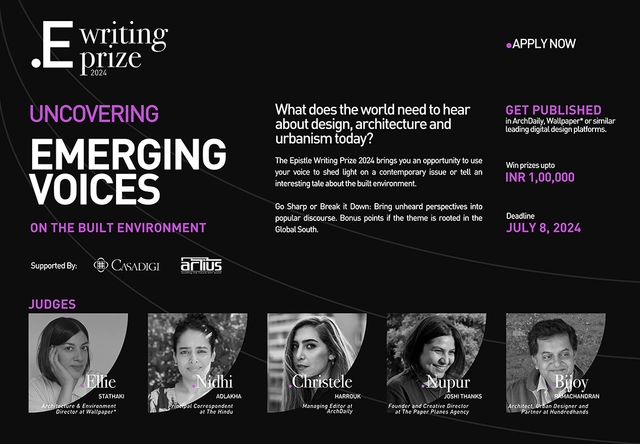
The Epistle Writing Prize is an annual competition dedicated to recognising outstanding writing on design, architecture and environment. Celebrating the power of the written word, participants are invited to inform, intrigue or persuade readers by presenting novel arguments or interesting narratives on the built environment. Stemming from Epistle’s mission to democratise architectural discourse, the 2024 edition seeks to highlight compelling voices and stories from the Global South, bringing attention to previously unheard perspectives.
The next edition of Design Degustação will take place on June 29, from 10:00 AM to 5:00 PM, simultaneously at the IED São Paulo and Rio de Janeiro campuses. The event aims to showcase the Extension, One Year, and Postgraduate courses offered nationwide by the Italian institution, which is recognized as the only college in Brazil 100% focused on design. It will be an immersive day within IED Brasil's laboratories and facilities, featuring lectures, workshops, and even painting sessions, with both free and paid activities available.
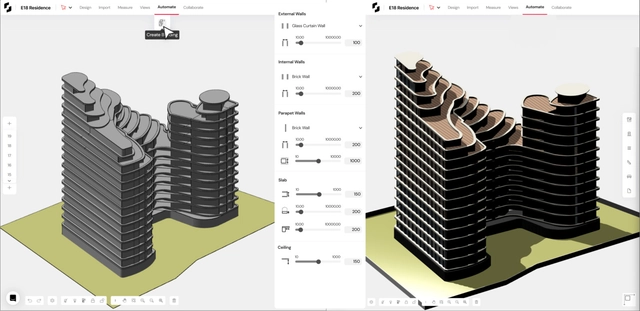
Every project begins with a program brief outlining the spaces, areas, and requirements essential to kick off the design process. This essential document guides architects in understanding client needs, allocating space efficiently and ensuring the design meets the project's functional requirements.
However, manually converting this tabular data from a spreadsheet to spatial data in your massing tool is incredibly tedious and time-consuming. Tools such as Snaptrude are designed to help architects iterate faster and make more informed design decisions.
Louis Henry Sullivan (1856–1924) is a foundational figure in American architecture. Long considered the founding architect of the skyscraper, he first came to wide attention in 1889 with the completion of the Auditorium Building in Chicago. Here, for the first time, every remaining structure designed by Louis Sullivan is captured in striking color by award-winning architectural photographer James Caulfield and is accompanied by highlights of his life and accomplishments, detailed by Patrick F. Cannon.
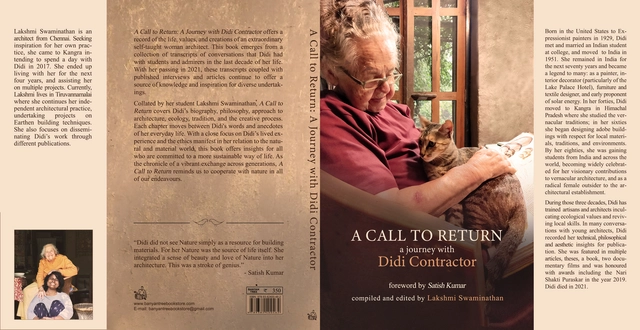
Cover image: Didi Contractor in her home in Sidhbari, Himachal Pradesh, India. Photographed by Lakshmi Swaminathan. Cover page credit: Lakshmi Swaminathan
'A Call to Return: A Journey with Didi Contractor' offers a record of the life, values, and creations of an extraordinary self-taught woman architect. Born in the United States to Expressionist painters in 1929, Didi met an Indian student at college, married, and moved with him to India in 1951. She remained in India for the next seventy years and became a legend to many: as a painter, interior decorator (particularly of the Lake Palace Hotel in Udaipur), furniture and textile designer, and early proponent of solar energy.
The TUMO Center for Creative Technologies is now partnering with Institut Lyfe (ex-Institut Paul Bocuse) in Lyon to establish a unique culinary ecosystem in the Armenian city of Gyumri with the support of the European Union. The project involves revitalizing the historic food market of the city, establishing a unique culinary school in the heart of it, and surrounding it with restaurants and shops that are symbiotic with the market and the school. Information about the project and the competition can be found at https://market.tumo.org/
To mark the 20th anniversary of the Carlos Scliar House Museum, the exhibition "The Artivists: Carlos Scliar and Cildo Meireles" will open on June 29, 2024, at 6:00 PM, bringing together the work of these two important artists for the first time. "Scliar was fundamental in my life," says Cildo Meireles about his friend, who passed away in 2001. Curated by Cristina Ventura, the museum's coordinator, the exhibition presents around thirty works—some never before seen—spanning from the 1940s to 2021. The show is complemented by participatory works inspired by the two artists. The exhibition, which will be free to the public until the end of August, is presented by the Federal Government, the Ministry of Culture, the Government of the State of Rio de Janeiro, and the Rio de Janeiro State Secretariat of Culture and Creative Economy through the Paulo Gustavo Law.
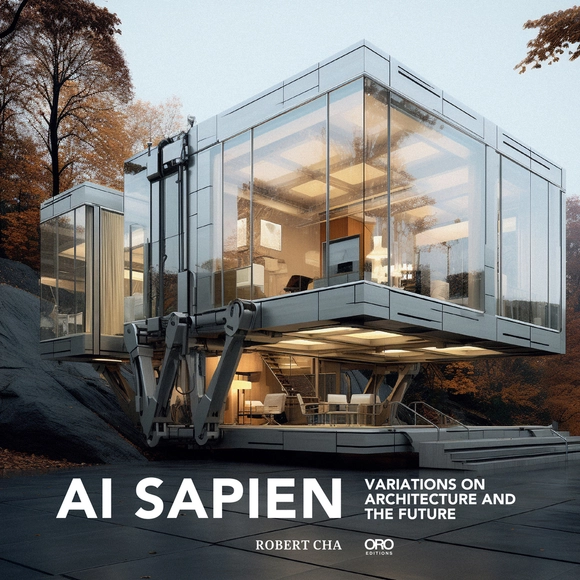
AI Sapien unveils a paradigm-shifting vision of the future where artificial intelligence (AI) transforms architecture into thinking machines. This experimental book features an alchemy of 128 original AI-generated artworks along with insightful dialogues and evocative poetry created in collaboration with AI, all set to Bach’s Goldberg Variations.
Courtesy of Saint-Gobain Architecture Student Contest
More than 224 universities from 29 countries participated in the 19th edition of the Saint-Gobain Architecture Student Contest’s international final. Students from all over the world imagined projects to transform a district of Helsinki in Finland. The winners have just been revealed during an event held by Saint-Gobain in the Finnish capital between June 10th and 12th, 2024.
MADE – Mercado, Arte, Design – is an international collectible design fair that brings together quality content in a collective space with each edition. It showcases and highlights national designers and studios, reveals new talent, encourages new production, and, consequently, expands design culture to thousands of people. Its objective is to disseminate education and culture within the sector through a design-focused content program.
“Inside the Landscape”. A collective exhibition of Cuban art featuring Alejandro Lloret, Alexis Iglesias, and J. Pável Herrera opens at the Instituto Cervantes in São Paulo.
How have the events of recent years impacted Brazilian visual arts? This is the focus of the "Brasil Visual" series, directed by Rosa Melo, which premieres on June 25, 2024, at 8:30 PM on the Curta! channel. The preview will take place this Saturday, June 22, starting at 5:00 PM at Praça Luís de Camões (Praça do Russel) in Glória. The free, public event will feature the screening of three episodes, a conversation with some of the series' participants, guest DJs, and a pocket show by artist Cabelo. Starting from the visual arts, the series addresses themes that have impacted society as a whole, such as the COVID-19 pandemic, the demonstrations that swept the country, and artificial intelligence, while also exploring spirituality and the duality between the worlds of the living and the dead, among others.