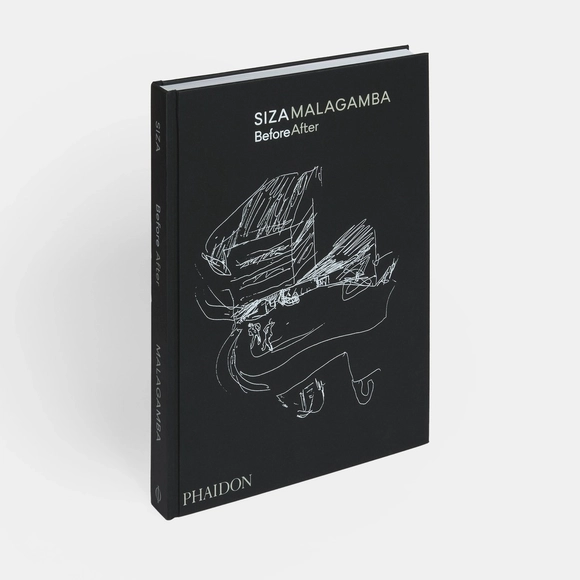
A curated survey of the legendary Portuguese architect’s most interesting buildings, photographed by Duccio Malagamba
A curated survey of the legendary Portuguese architect’s most interesting buildings, photographed by Duccio Malagamba
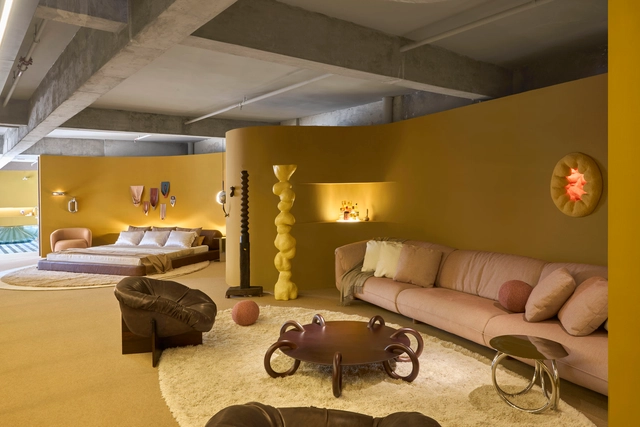
Lider, a Minas Gerais-based furniture brand that combines artisanal woodworking with design, is participating in the 29th edition of CASACOR Minas, the state's largest interior design exhibition, taking place from July 26 to September 15 at Espaço 356 in Belo Horizonte.
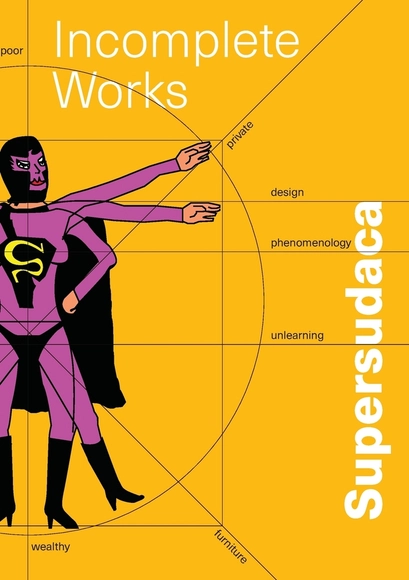
In the late 90s and early 00s a group of Latin architects studying in Europe connected to form Supersudaca, an emerging global/local collective that shaped a discourse on globalization from their unique latin perspective. Eventually their members established their own studios across Latin America and Europe, but always bounced back to operate as "Supersudaca", through critical research. After more than two decades "Incomplete Works" puts into a single publication their extensive research and exhibits. The book was launched at the Nieuwe Instituut on February of this year, with a tribute to Supersudaca Felix Madrazo (IND.architecture).
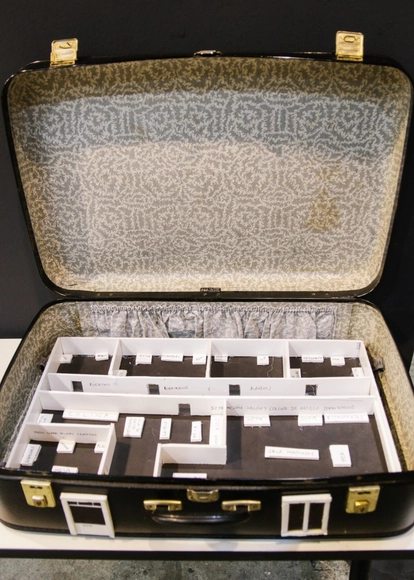
"Architecture and Feminism: Without Beginning or End"
The Instituto Cervantes in São Paulo, in collaboration with the Escola da Cidade,
presents an exhibition curated by Semíramis González
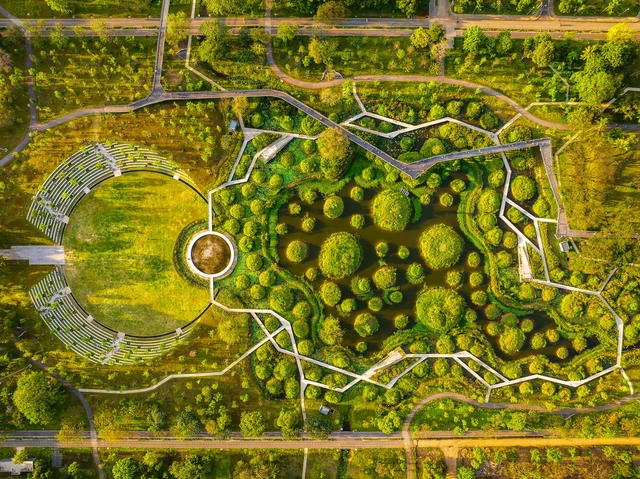
The vibrant heart of the Philippines, Manila, is poised to witness a transformative addition to its urban landscape. The Manila Central Park Challenge, hosted by the international competition organizer Buildner, is an invitation-only architecture competition for an ambitious project set on a 360-hectare reclamation west of SM Mall of Asia, along Seaside Boulevard, Pasay City, Manila.

The first collective exhibition to inhabit the Casa do artista Gerson Pinheiro, titled “Sob o teto do Tempo” (Under the Roof of Time), will hold its finissage on Saturday, August 3, 2024, from 4:00 PM to 6:00 PM. The exhibition fosters a dialogue between the works of contemporary artists and the paintings of professor and architect Gerson Pinheiro. Participating artists include: Aline Reis, Ana Paula Alves, Beth Ferrante, Carlomagno, Dorys Daher, Laura Figueiredo-Brandt, Marcelo Palmar Rezende, Selma Jacob, Sonia Wysard, Taísa Collaço, Thelma Innecco, and Vera LUCS.

According to data from the 2017 Origin-Destination survey in the city of São Paulo, walking is most prevalent in the periphery. In Heliópolis, the city's largest favela, 37.7% of trips are made exclusively on foot. In Paraisópolis, the second-largest favela, this figure rises to 40.7%, while in Brasilândia, the eighth most populous district, it is 30.9%.
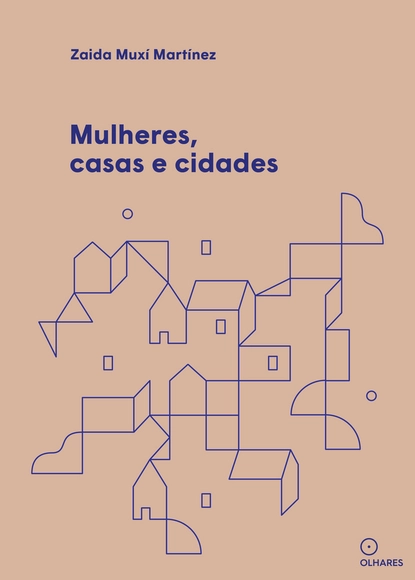
About the book: In this book, Zaida Muxí reviews the historical role of women in the production and theory of architecture and urbanism. She reflects on how this presence—and, above all, the recurring absence of a female perspective—impacts the spaces we inhabit. From design to urban and housing policy and the debate on new ideas, the book treats the home and the city as representations of the private and public spheres. The home as a metaphor for architecture; the city as a synthesis of human action. Discussing these topics from a female perspective requires deconstructing official historiography, revealing the false universality of how knowledge is transmitted and historical narratives are constructed. As in other fields of knowledge—the arts, science, and politics—women do not exist on equal footing, nor are they represented according to merit. Therefore, it is necessary to revisit the history of architecture and cities to rewrite it, now with women as the definitive protagonists.
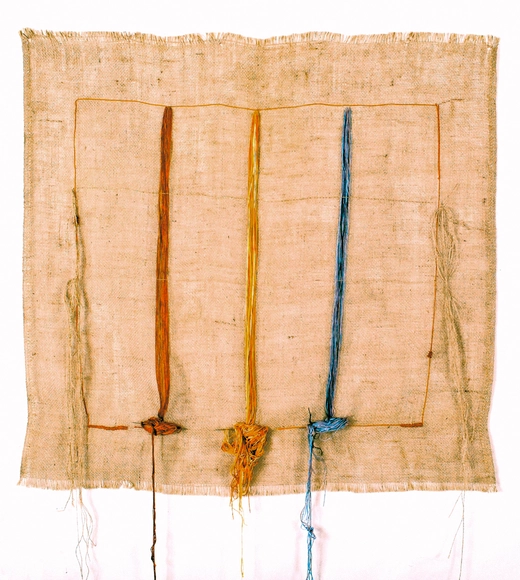
On Saturday, August 3rd, at 2:00 PM, the Galeria Pop Up will host a guided tour of the exhibition "Tempo, tempo, tempo..." Curated by Mario Camargo, the exhibition features works by Benjamin Rothstein, Beth Ferrante, Cláudia Lyrio, Katia Politzer, Laura Bonfá Burnier, Patricia Fairon, Mario Camargo, Marcelo Palmar Rezende, Nelson Sadala, Nora Sari, and Reitchel Komch.
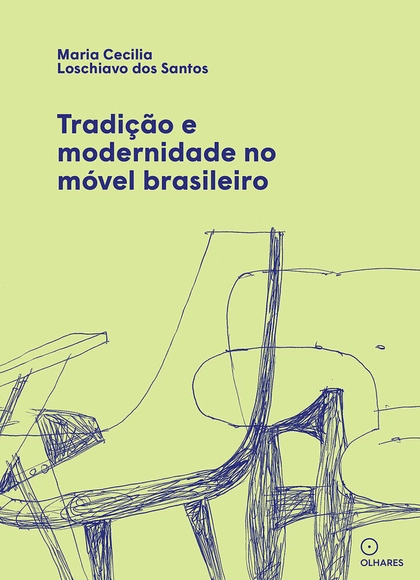
About the book: Since the 1994 publication of Móvel moderno no Brasil, which grew out of her master's thesis, Cecilia Loschiavo has become a central reference for understanding the Brazilian material heritage shaped by the period's design activity. She established the historical and theoretical foundations that qualified the revaluation of these works, which began in the 2000s. Her research began in the late 1970s, a time when this modernizing approach to Brazilian living was experiencing a period of intense neglect, and many of its protagonists—with whom the author had the opportunity to work closely—saw their crafts interrupted or re-evaluated. This new book represents the next chapter in Cecilia's prolific academic career: her doctoral thesis, which had never been published in its entirety. In it, the trajectories of Sergio Rodrigues, Joaquim Tenreiro, Celso Martinez Carrera, and José Zanine Caldas are analyzed to support her central argument: the encounter between tradition and modernity in the semi-industrialized Brazil of the first half of the 20th century and its contribution to the country's creative identity. The book includes commentary by Claudia Moreira Salles and prefaces by her colleagues in the international debate on design, aesthetics, and material culture: Bazon Brock, Jacques Leenhardt, and Francisco Providência. It also features illustrations by Francisco Providência.
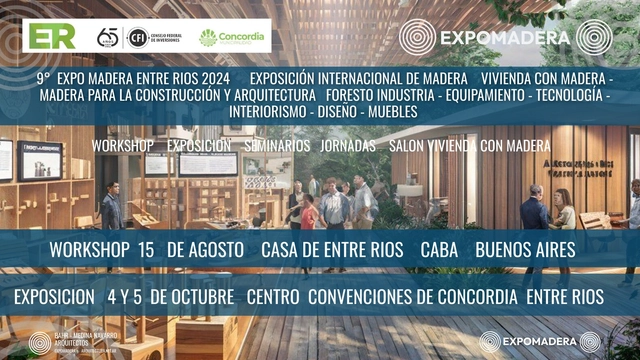
The 9th ExpoMadera Entre Ríos 2024 is shaping up to be a key event for the timber and construction sectors in Argentina. This international exhibition, taking place from October 4 to 5 at the Concordia Convention Center—with a preliminary workshop on August 15 at the Casa de Entre Ríos in Buenos Aires—aims to promote timber housing and its integration into sustainable architecture.
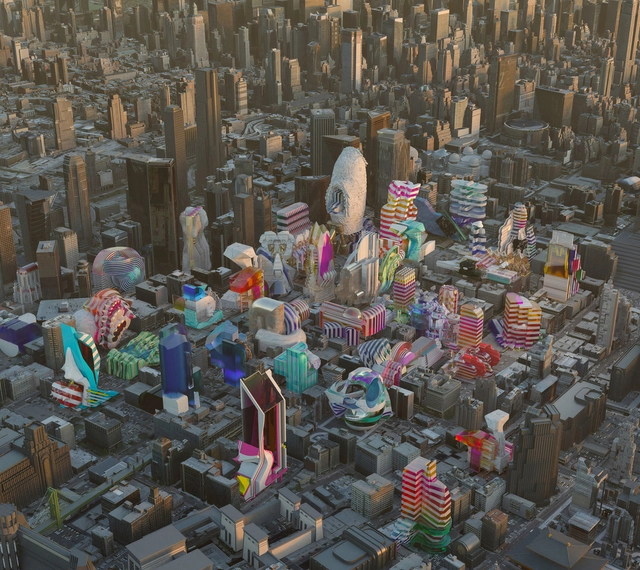
Renowned for its advanced approach to architectural education, SCI-Arc's Master of Architecture 2 (M.Arch 2) program stands out as a transformative experience for aspiring architects. Tailored for students with a background in architecture, the M.Arch 2 curriculum is a two-year intensive program designed to foster creativity, technical expertise, and critical thinking, preparing graduates for a dynamic and evolving professional landscape. Students in SCI-Arc’s M.Arch 2 program build a worldwide professional network of peers, faculty, and professionals, opening doors to collaboration, mentorship, career opportunities, and meaningful contributions on a global scale. SCI-Arc’s M.Arch 2 alumni have achieved some of the highest honors and recognition possible for architecture and design.

The PA Editorial Fellowship aims to encourage new editors and writers to contribute to the field of architecture and design. We want to ensure that diverse voices from different backgrounds have visibility in this field.
![TraMod AWARDS 2024 [Tradition + Modernity in Architecture & Design] | Call for Submissions - Featured Image](https://snoopy.archdaily.com/images/archdaily/media/images/66a7/f8e4/c91a/f900/016e/2edb/slideshow/TraMod_AWARDS_2024_-1.jpg?1722284285&format=webp&width=640&height=580)
TraMod AWARDS 2024

In the conception and development of its activities, the Fundació Mies van der Rohe aims to generate research and debate about modern and contemporary architecture in a manner that is open to paradigm changes, and particularly in relation to concepts which are fundamental today such as identity, social inclusion and all elements of sustainability.
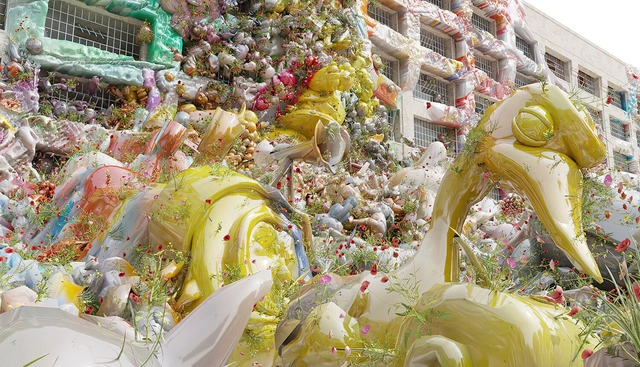
SCI-Arc’s Master of Science in Synthetic Landscapes (M.S. Synthetic Landscapes) program offers an innovative and interdisciplinary approach to landscape architecture, blending ecological thinking with advanced design technologies. This one-year postgraduate program prepares students to address complex environmental challenges through creative and sustainable design solutions, helping students to develop the curiosity critical for creativity. It offers a culture of advanced design scholarship that questions traditional models of research and practice. Here's a detailed look at the program's curriculum:

Environmental degradation and reforestation are the themes of the solo exhibition by Rio-based artist Raul Leal, which draws from his observations of the Fluminense landscape.
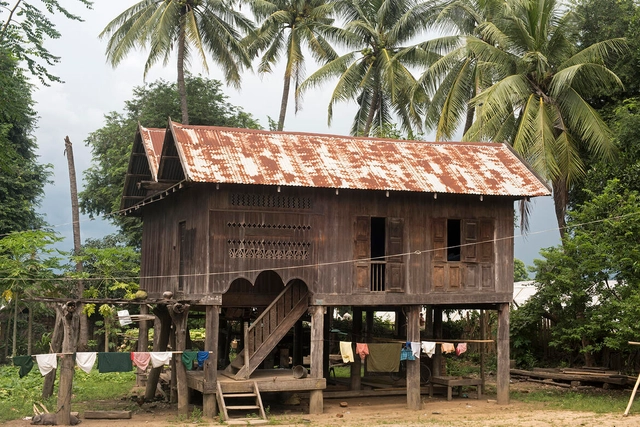
Myanmar’s traditional teak farmhouses, included on the 2020 World Monuments Watch, embody the country’s unique vernacular building traditions.