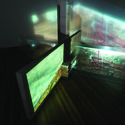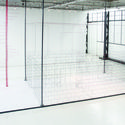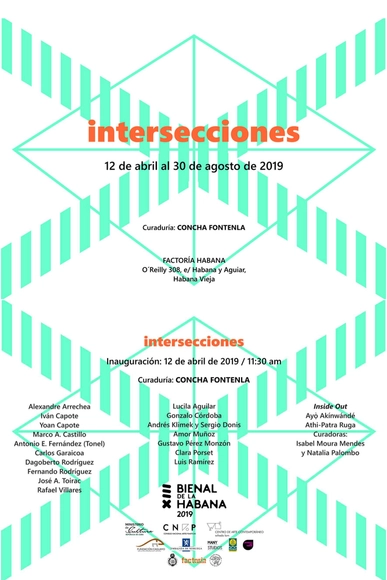
Factoría Habana invites you to the opening of the group exhibition INTERSECCIONES, curated by Concha Fontenla as part of the 12th Havana Biennial.
Content Editor at ArchDaily Mexico. Architect by UNAM (2018). Her interests focus on exploring the relationship of the body with architecture through dance. She has collaborated with different international choreographers who explore dance and architecture as an event. Twitter / Instagram: @monicarellano_
Factoría Habana invites you to the opening of the group exhibition INTERSECCIONES, curated by Concha Fontenla as part of the 12th Havana Biennial.
_12.59.20.jpg?1623089088&format=webp&width=640&height=580)
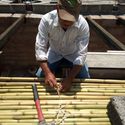
"Albañilas, construyendo sin patrones" (Women Masons, Building Without Bosses) is a short documentary released on May 5, 2021, produced by the Front of Organizations in Struggle #FOL. Active in more than ten Argentine provinces, the film gathers the deeply personal testimonies of Brenda, Natalia, Claudia, Isabel, Nora, Ana, and Moni, who share how they took up the bricklaying trade to construct the #FOL community hall.
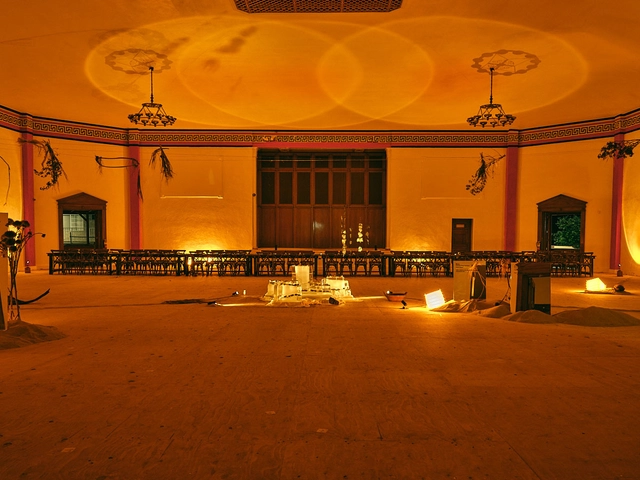
As part of a collaborative project created by creative women, "Ostras & Burbujas" emerged—an event that took place on August 28 at Cucina, Mexico City. This event was conceived around the idea of creating an immersive space that plays with visual perception, featuring lighting design and control by Paola Jose, founder of SOMBRA, powered by Lutron - Ketra technology. By altering the atmosphere through light, this was paired with a culinary experience led by chef Montserrat Garza, who brought together taste, smell, and touch through a multi-course dinner paired by Cavanegra Natural Wine Club.
.jpg?1635378996&format=webp&width=640&height=580)
The city of Puebla—located in Mexico's central highlands—is particularly known for its street layout and predominantly Baroque architecture. A UNESCO World Heritage Site since 1987, it hosts a broad cultural dynamic centered on preserving its built heritage and appreciating it from a distance, as if it were a museum piece. Consequently, on our daily commutes we notice the monumentality of its facades, while often failing to realize that behind the massive wooden doors lies what we call “the heart of the Poblan home.”
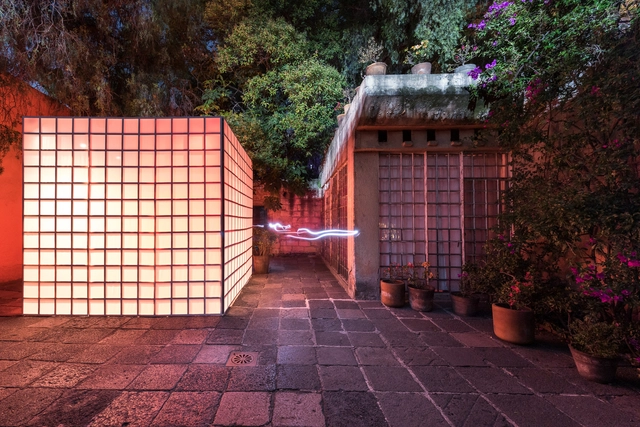
While the work of Mexican architect Luis Barragán is globally recognized and studied for its invaluable commitment to the architecture of his time and context—and, above all, built upon deeply harmonious and poetic foundations that connect with a deeply personal quest in "cosmic solitude, with Mexico as the temporary home he lovingly accepts," as the Pritzker Prize Jury described it when honoring him in 1980—until recently (and even before the launch of the Barragan Foundation website), understanding the full spectrum of Barragán's place in architectural history was somewhat difficult, as several of his works have remained private (or difficult to access) for years.
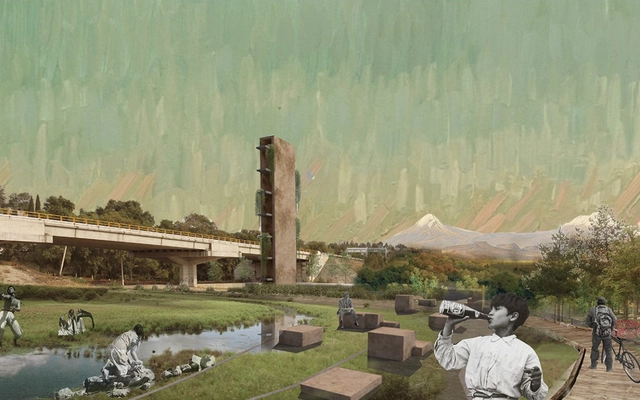
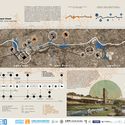
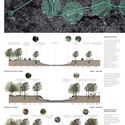
The Mexican Association of Urbanists, through its Tlaxcala chapter, called for entries for the Conceptual Preliminary Design Competition for the "Parque Integral Zahuapan 10." The competition was aimed at multidisciplinary teams in the fields of architecture and urban planning, with the goal of presenting proposals and conceptual ideas to develop a park along the banks of the Zahuapan River and revitalize its surrounding areas.

In 1792, sitting United States President George Washington organized a competition to design the presidential residence. The winning proposal, submitted by architect James Hoban, shaped the neoclassical mansion we know today as the White House, cementing its place in the American collective imagination.
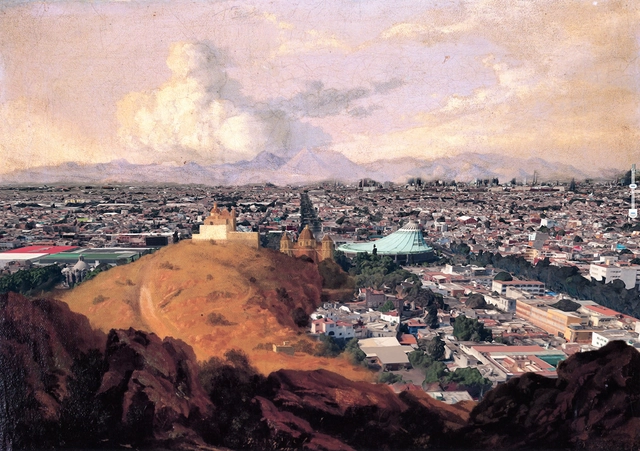
The history of painting in Mexico has a deep legacy that extends far beyond oil on canvas, as some of its most prominent figures found diverse intersections with other disciplines to develop their capacity to observe—and, above all, to construct scenes that told a specific story of their time and context. Numerous figures have elevated Mexico's reputation, positioning it as one of the countries with the greatest cultural and artistic wealth, including Frida Kahlo, Diego Rivera, Rufino Tamayo, Dr. Atl, Emilia Ortíz, and Mathias Goeritz, among others.
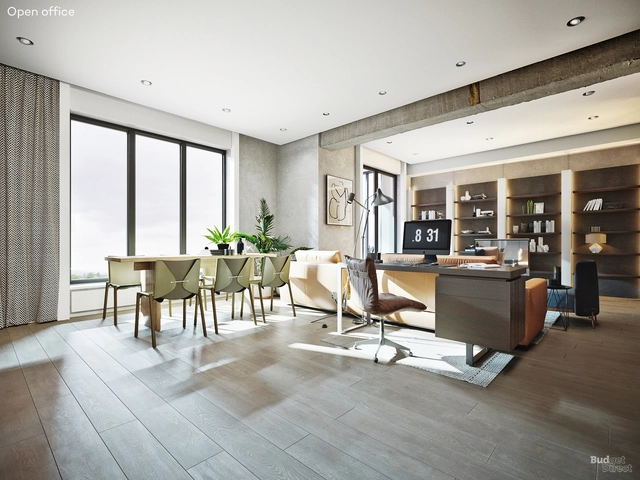
As is common in the design and architecture world, renderings have long been understood as a tool for visualizing spaces before they are built, thereby providing a broader, more realistic vision of what to expect. These images make it possible to identify and address potential errors, but above all, they serve as a powerful design tool for both interior and exterior spaces.
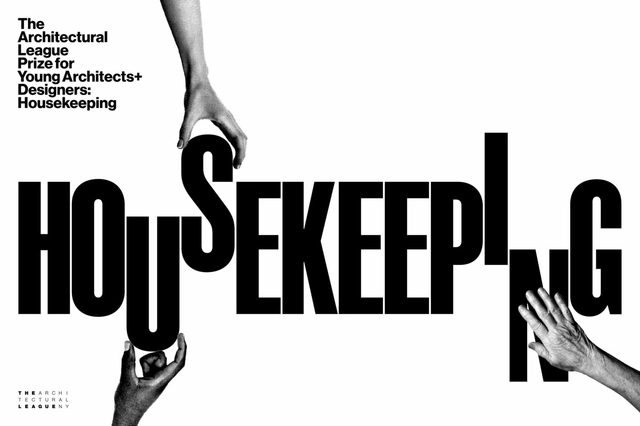
The 2021 Architectural League Prize has announced the selection for the Young Architects + Designers: Housekeeping category. The theme was developed by the 2021 Young Architects + Designers Committee, which included recent League Prize winners Ivi Diamantopoulou, Cyrus Peñarroyo, and Alison Von Glinow. The jury comprised the committee alongside Tatiana Bilbao, Peggy Deamer, Fritz Haeg, and Victor J. Jones. The competition is organized by The Architectural League’s Program Director, Anne Rieselbach, and Program Director, Catarina Flaksman.
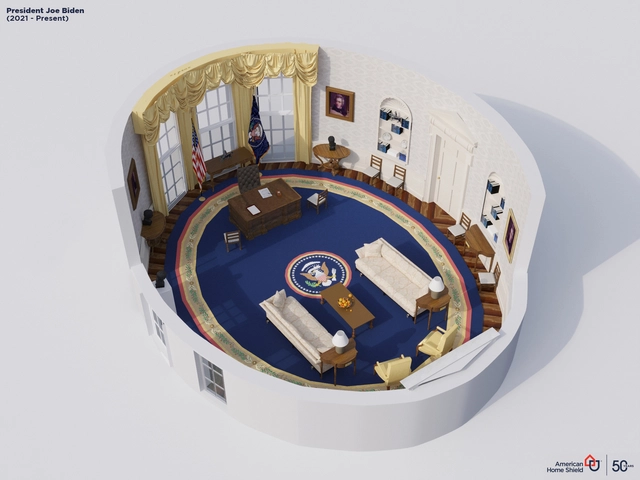
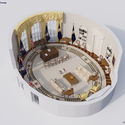
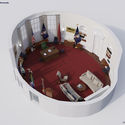
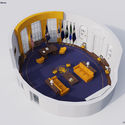
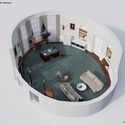
Redecorating the Oval Office is not just a statement of presidential taste; yet, as all spaces reveal principles that extend far beyond the visual, it is ultimately a statement of control. It is here that the president meets with international dignitaries and addresses the cameras to deliver messages of great importance, which is why he (or, one day, she) does not want it to look as though their predecessor still claims ownership of the space.
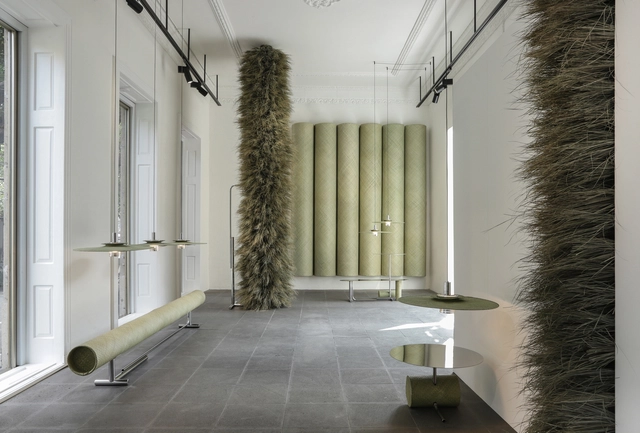
As part of a new initiative accompanying the launch of the 2021 collection, Studio David Pompa has transformed its Mexico City showroom into a space showcasing the "Palma" project—an experimental body of work comprising a series of interior design and lighting pieces centered on the craftsmanship and origins of palm in Mexico.
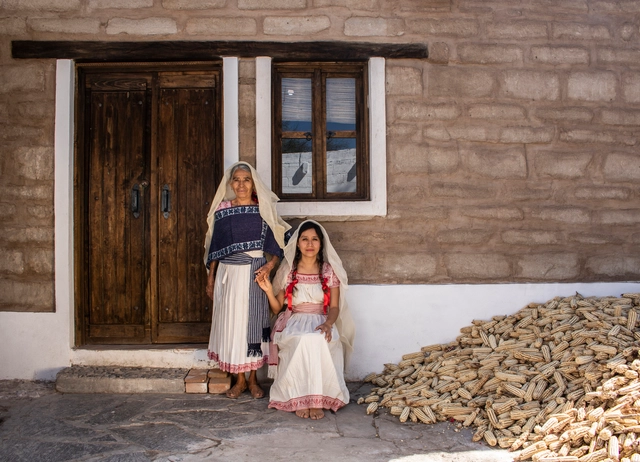
The Cocina Mendoza project is located in the municipality of Ixmiquilpan, in the heart of the Mezquital Valley in central Hidalgo, Mexico. This is home to the community of San Nicolás de Tolentino and the Mendoza family, who belong to the Otomí people and held the *mayordomía* (stewardship) during 2019 and 2020.
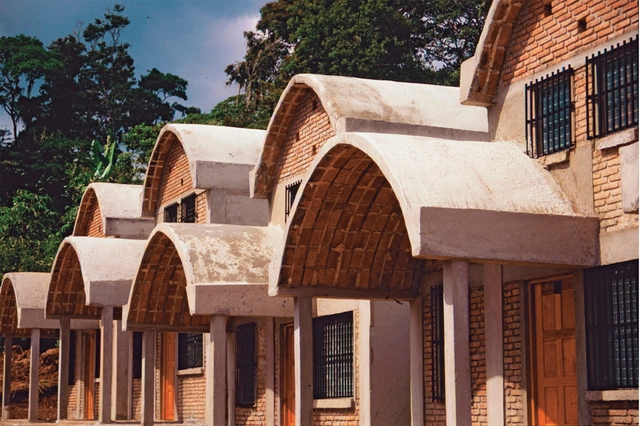
Today, April 12, 2021, marked the passing of architect Carlos González Lobo, a leading proponent of social and participatory architecture in Mexico. A 1963 graduate of the National School of Architecture, he went on to earn a Master of Architecture from UNAM's Faculty of Architecture in 1995. That same year, he was awarded an honorary doctorate by the Rhode Island School of Design, later receiving a PhD in Architecture from UNAM in 2007.

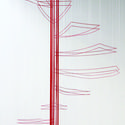
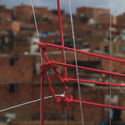
"Architecture Without Architects" is a project led by Mexican artist Sandra Calvo between 2011 and 2014 in the neighborhood of Villa Gloria—a self-built housing complex in Ciudad Bolívar, a district in southern Bogotá. Working in collaboration with a resident family, the project involved creating a thread structure that reflected their latent aspirations for their own home through design and building practices.

The Federal Government and the Association of Engineers and Architects of Mexico will award the 2020 National Architecture Award to Guadalajara-born architect Fray Gabriel Chávez de la Mora, who at 91 has stood out for his 175 projects over a 65-year career.
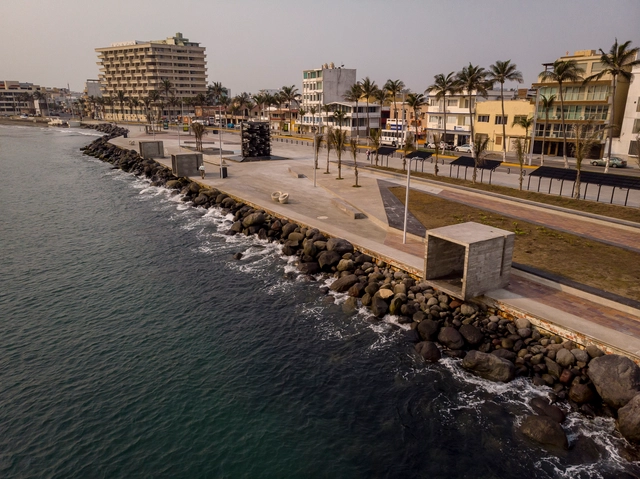
Veracruz is a state located in eastern México, bordered by the states of Tamaulipas, Tabasco, Chiapas, Oaxaca, Puebla, Hidalgo, and San Luis Potosí, and facing the Gulf of Mexico. Covering an area of 71,820 km², it is the country's third most populous state.




.jpg?1635378835&format=webp&width=230&height=230&crop=true)
.jpg?1635378789&format=webp&width=230&height=230&crop=true)
.jpg?1635379152&format=webp&width=230&height=230&crop=true)
.jpg?1635378688&format=webp&width=230&height=230&crop=true)
.jpg?1635378996)