CityMakers is working with ArchDaily to publish a series of articles, conversations, and interviews with the different actors in the co-production of cities behind the Barcelona CityMakers Lab 2019, an event taking place from October 14 to 20.
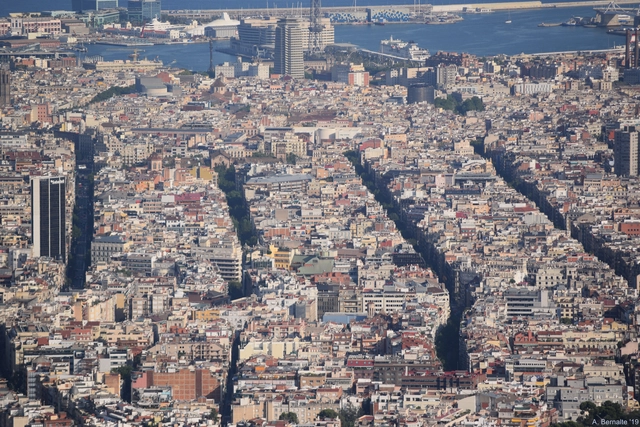
On this occasion, we feature Salvador Rueda, director of the Urban Ecology Agency of Barcelona, who will give a Masterclass at the Barcelona CityMakers Lab 2019, addressing the challenges of implementing Barcelona's Sustainable Urban Mobility Plan based on "Superblocks".
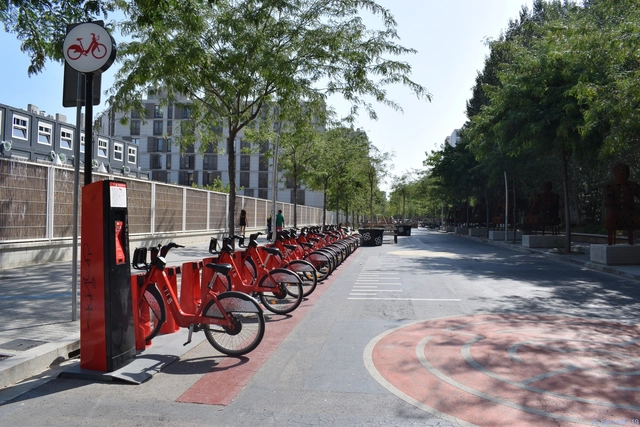
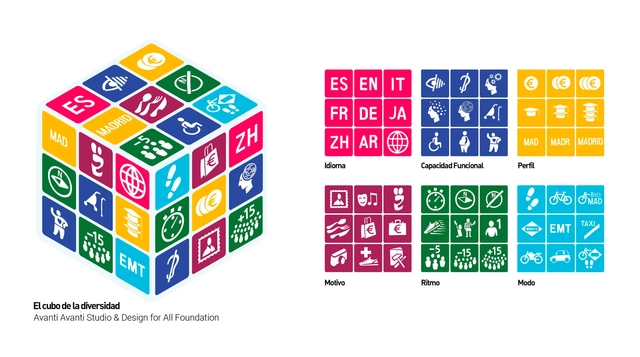
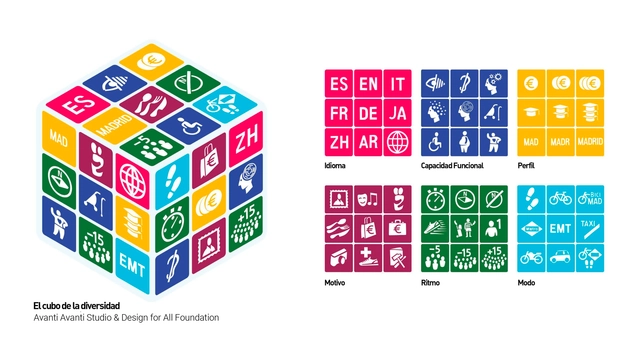
Among the various measures cities can implement to become more pedestrian-friendly, developing a comprehensive signage system is a highly efficient, straightforward improvement that delivers transformative results—as demonstrated by initiatives like Legible London, New York's WalkNYC, or Rio on Foot in Rio de Janeiro.
The continental winners of the 2019 Prix Versailles have been announced, an annual award celebrating commercial architecture projects around the world.
This year, 11 winning projects were selected for the Central America, South America, and the Caribbean region across four main categories: shops, shopping malls, hotels, and restaurants. The global winners will be announced in September.
The World's Greatest Places of 2019 list by Time magazine celebrates 100 destinations in the world to visit, stay, eat and drink. Selected by the global team of editors of the publication, the places have been evaluated based on quality, originality, innovation, sustainability and social impact.
We have shortened this list and selected the architectural projects that have previously appeared on ArchDaily. Read on for more details.
Santa Lucía Esplanade aims to connect Vicuña Mackenna Square with the adjacent, renowned public hill of Santiago, Chile. The goal is to improve the urban space and connectivity of this historic monument and tourist attraction within the district.
The project is funded by the Regional Government, and the corresponding works have been authorized by the National Monuments Council and the Municipal Works Directorate. Learn more about the project in detail below.
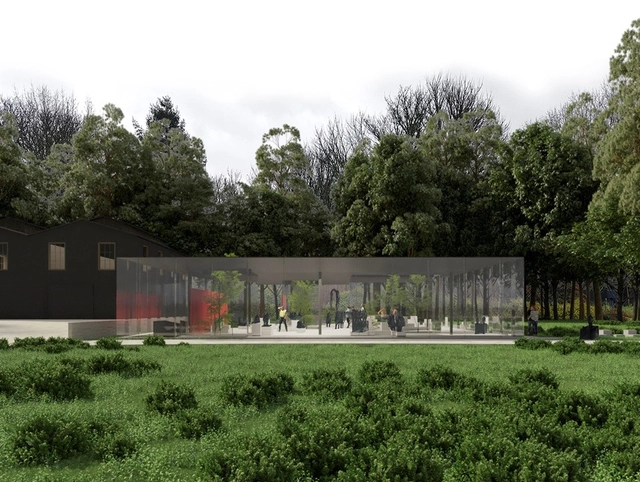
The Maestranza de San Bernardo, an abandoned railway complex declared a historical monument that was once one of the largest railway hubs in South America, located south of Santiago, Chile, is making progress on its restoration and conversion into a boulevard. Designed by the firm Uno Proyectos, led by architect Gonzalo Martínez de Urquidi, the project aims to revitalize the area by introducing a program of economic and civic exchange spaces.
Of all the steps a city can take to make itself more pedestrian-friendly, developing a integral system of signage is both a quick and easy improvement that makes a world of difference--as shown by initiatives like Legible London, New York's WalkNYC, or Rio on Foot, in Río de Janeiro.
CityMakers is working with ArchDaily to publish a series of articles, conversations, and interviews with various actors in city co-production, who are behind the Barcelona CityMakers Lab 2019, an event taking place from October 14 to 20.
On this occasion, we feature Oriol Estela Barnet, general coordinator of the Barcelona Metropolitan Strategic Plan, who will give a MasterClass at the Barcelona CityMakers Lab 2019 addressing the concept of “a third generation of strategic urban plans: the case of Barcelona.”
The Best Architecture Masters (BAM) platform presented the second edition of its ranking of the best architecture master programs in the world in the year 2019.
Oneblock proposes a record that not only investigates the uses and potential of everyday objects—and their resulting actions or spaces—but presents drawing as a tool "requiring constant updating to represent, at all times and with the utmost clarity, what it truly aims to convey, responding to the needs of society at every point along the unstoppable timeline." Read below for an in-depth look at the work in the authors' own words.
The call for entries for the urban intervention festival 100 en 1 día Santiago, which invites citizens to carry out actions in public spaces over the course of a single day, is open until August 18.
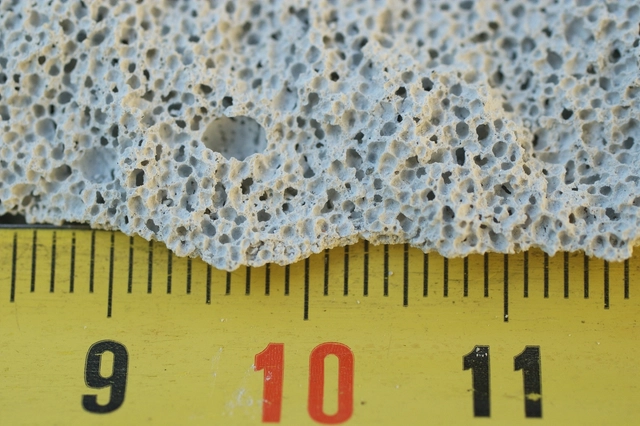
Since its invention in 1920, cellular concrete tackled the search for an industrial material that had similar characteristics to wood. It was lightweight, could be cut or perforated, and avoided some of its disadvantages; for instance, its water absorption and need for maintenance. Nowadays, Autoclaved Aerated Concrete (AAC) blocks are actively present in the marketplace by manufacturers like Hebel or Retak, which are building an easy to use and efficient constructive system. If you ever wondered about how to build with these masonry ingredients, it is pertinent to dig a bit deeper into the advantages of this material.
How can we intervene in existing structures to improve environmental, urban, social, and economic conditions?
The third edition of the 'Proyectar a Conciencia' 3.0 competition, scheduled for the second half of 2019, addresses this question by inviting teams of 2 to 4 students, guided by an architect, to explore how to modernize existing buildings to reduce energy consumption and meet contemporary environmental goals—particularly in light of the upcoming COP25.
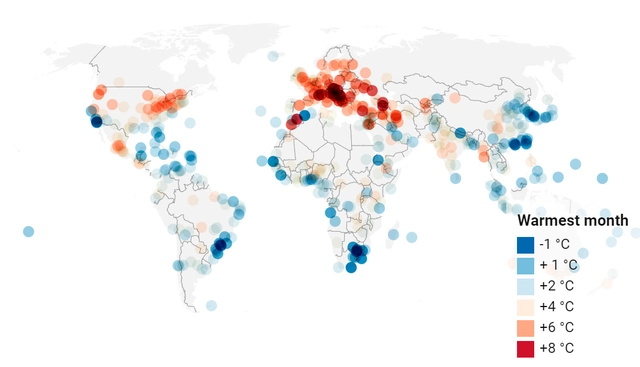
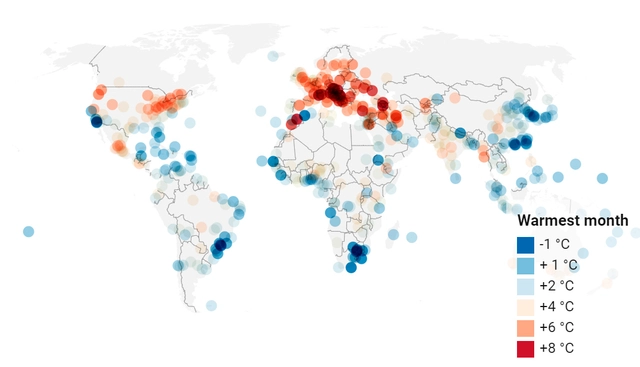
Map: Crowther Lab, Fuente: Bastin et al. 2019 Plos One, Created using Datawrapper
The climate in Madrid in 2050 will look more like the climate in Marrakesh, Morocco today. Stockholm will feel more like Budapest, London like Barcelona, Moscow like Sofia, Seattle like San Francisco, and Tokyo like Changsa in China.
CityMakers is working alongside ArchDaily to publish a series of articles, conversations, and interviews with the diverse actors in city co-production behind the Barcelona CityMakers Lab 2019, an event taking place from October 14 to 20, 2019.
For this installment, we have compiled excerpts from a conversation with architect and urban planner Victor Torres, Creative Director of CityMakers,who invites us to reflect on the need to rethink traditional models of making and learning to build cities, and on CityMakers, a community that seeks to inspire change through on-site knowledge transfer in exemplary cities around the world.


.jpg?1566501205&format=webp&width=640&height=580)

.jpg?1564581679&format=webp&width=640&height=580)