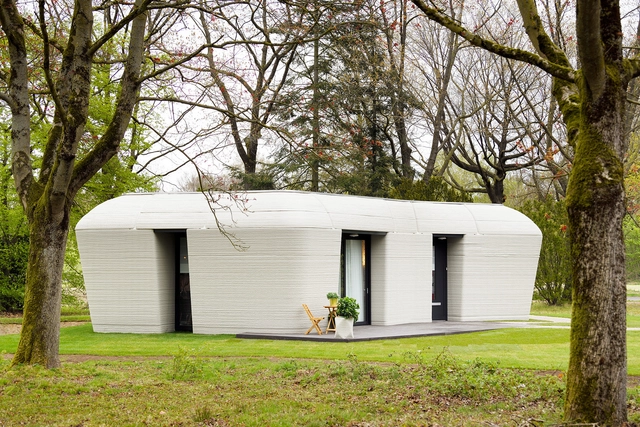
While the construction industry was once among the most technologically lagging, today automation in architecture is undeniably here to stay.
Architect and Project - Team Lead at ArchDaily Instagram: @ fabe.de
While the construction industry was once among the most technologically lagging, today automation in architecture is undeniably here to stay.
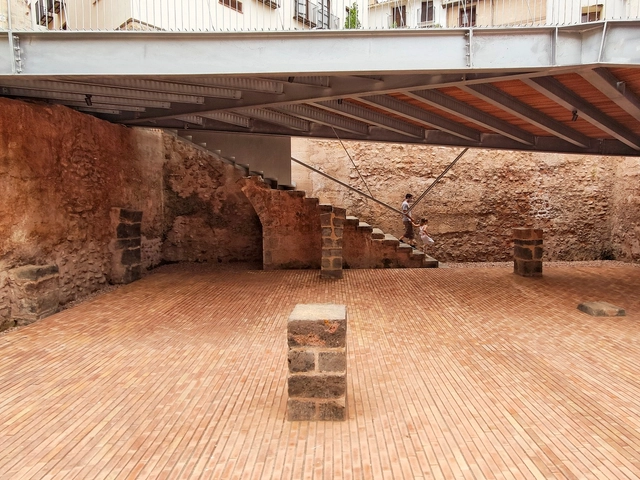
The European Award for Architectural Heritage Intervention, a biennial award organized by the COAC (Association of Architects of Catalonia) and the AADIPA (Association of Architects for the Defence and Intervention in Architectural Heritage), has announced the winners of its fifth edition.
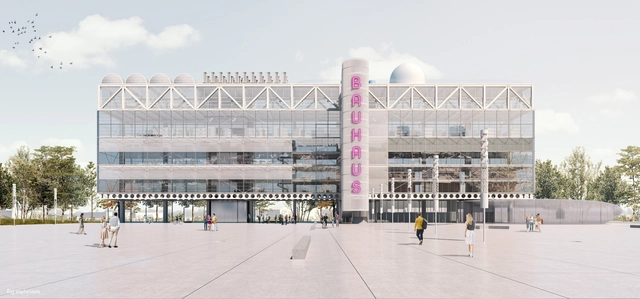
The Bauhaus Campus 2021 Student Architecture Competition, organized by Arkitekturo, brought together future professionals from around the world to reimagine what the Bauhaus could become in the 21st century.
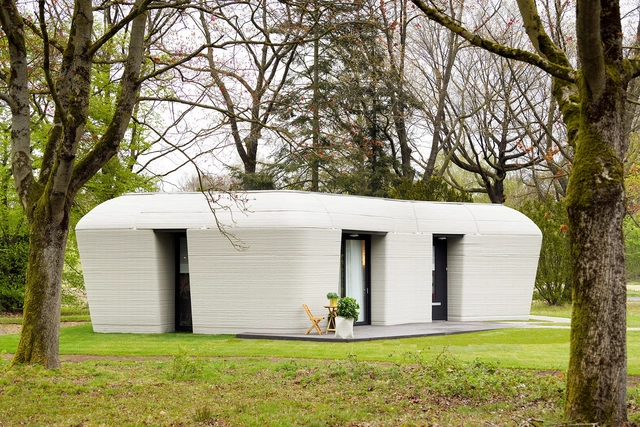
Years ago, the construction industry was among the most technologically lagging; today, however, we can confidently say that automation is here to stay.
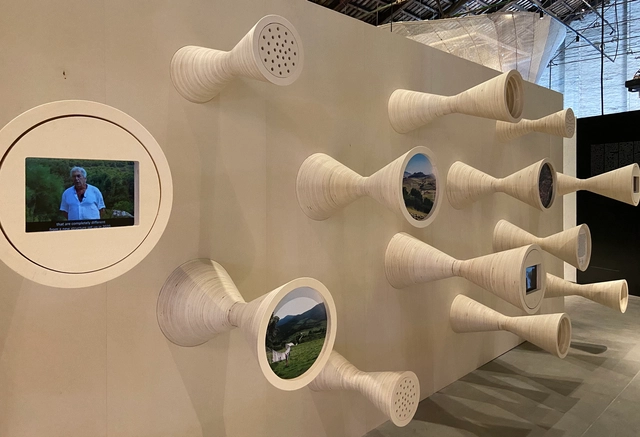
The detection of gravitational waves is one of the most important recent discoveries. It is revolutionizing the way we observe and study the universe.
El Equipo Mazzanti in association with Lino Cabras, Fabrizio Pusceddu, Eugenio Coccia, Massimo Faiferri, and Michele Punturo, designed an installation that showcases the latest projects on the subject. Titled 'Gravitational Wave Architecture', the exhibition is housed within the Italian Pavilion, curated by Alessandro Melis, at the Venice Biennale 2021.
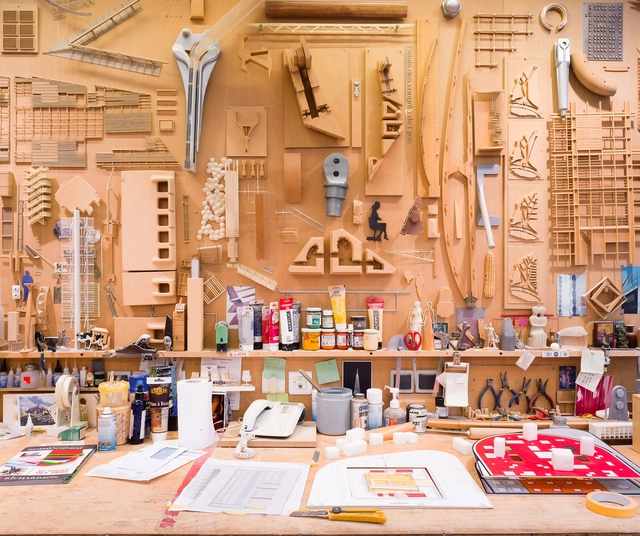
We all know that architecture is a complex field requiring input from multiple disciplines to come to fruition. While design lies at the heart of every project, without technical expertise, many would never have become the structures we know today.
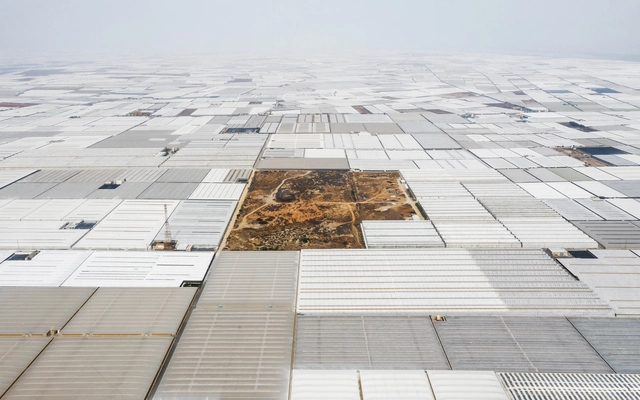
The Spanish Biennial of Architecture and Urbanism BEAU 2021 has announced the finalists for its 'Research Exhibition', 'Thesis Projects Exhibition', and 'Photography Exhibition' categories. The winners will be announced on July 2, coinciding with the opening of the event at the Patio Herreriano in Valladolid.
With the opening of the 17th Venice Architecture Biennale, 60 nations from around the world showcased unique responses to the question "How will we live together?". Neither the pandemic nor its repercussions stood in the way of the curators' creative process. Instead, they treated it as a starting point to explore how the notion of 'living together' has changed over the past year, and how it can help us reimagine better built environments. ArchDaily had the opportunity to meet with Elena Tudela, co-curator of "Desplazamientos", the Mexican Pavilion, to discuss how this innovative material came about and what it means for the future of architecture.
With the opening of the 17th Venice Architecture Biennale, 60 nations from around the world showcased unique responses to the question "How will we live together?". Neither the pandemic nor its repercussions hindered the curators' creative process. Instead, they embraced it as a lens to explore how the notion of 'living together' has changed over the past year, and how it can help reimagine better built environments. ArchDaily had the opportunity to meet with Emilio Marín and Rodrigo Sepúlveda, curators of the Chilean Pavilion, to discuss how the pavilion's innovative material came about and what it means for the future of architecture.
With the opening of the 17th Venice Architecture Biennale, projects from around the world showcased unique responses to the question, "How will we live together?" Neither the pandemic nor its repercussions hindered the curators. Instead, they took it as an opportunity to explore how the notion of "living together" has shifted over the past year, and how it can help reimagine better built environments. ArchDaily had the opportunity to sit down with architect Alejandro Aravena of ELEMENTAL to discuss the Koyaüwe project and its significance for the future of architecture.
With the opening of the 17th Venice Architecture Biennale, 60 nations from around the world showcased unique responses to the question "How will we live together?". Neither the pandemic nor its repercussions stood in the way of the curators' creative process. Instead, they used it as an opportunity to explore how the notion of 'living together' has changed over the past year, and how to reimagine better built environments. ArchDaily had the opportunity to meet with architect Gerardo Caballero, head of the Argentine Pavilion, to discuss how the pavilion's innovative material came about and what it means for the future of architecture.
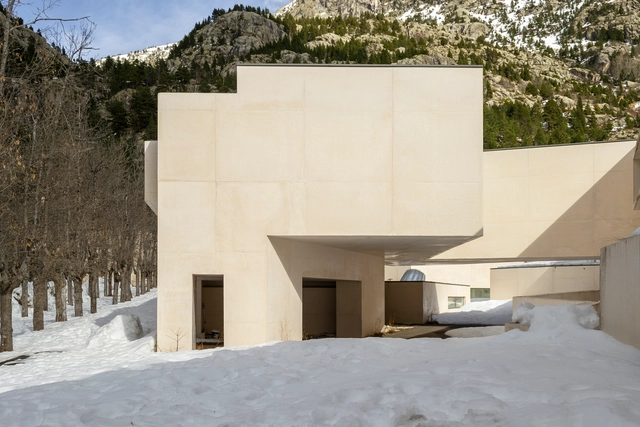
It's hard to forget the impact of economic crises on architecture; however, artist Jorge Isla reminds us with his series of photographs capturing the iconic High Performance Sports Center in the Balneario de Panticosa in Spain designed by architect Álvaro Siza. Construction on the site began at the start of the 21st century, but, due to heavy snows and Spain's financial upheaval, was abandoned shortly after.
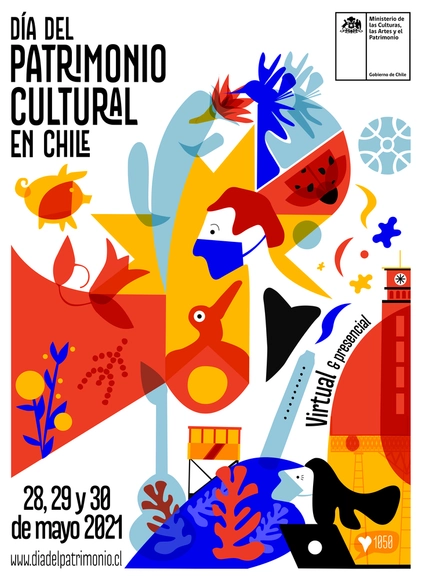
Celebrated annually since 1999, the event invites thousands of people to participate for free in a wide range of heritage-focused activities aimed at commemorating Chile's cultural legacy. The event is coordinated by the Ministry of Cultures, Arts, and Heritage in collaboration with hundreds of public, private, and civil society organizations.
"Domingos Libro" is hosted by Carmelo of Enorme Studio. Every two weeks, the series takes a deep dive into forgotten architectural publications—books and magazines from the '60s, '70s, and '80s with the most fascinating stories behind them.
In this tenth episode, titled "Demolition Man," Carmelo reviews the catalog of the 1993 exhibition on the work of architect Shin Takamatsu at the San Francisco Museum of Modern Art. Published by Rizzoli, the catalog highlights how three of the four buildings around which the exhibition was structured have already disappeared just thirty years later. In fact, 25% of the buildings by this genius of technomorphic architecture have been demolished, making Takamatsu the Demolition Man of architecture.

The European Award for Architectural Heritage Intervention, organized by the COAC (Architects' Association of Catalonia) and AADIPA (Association of Architects for the Defense and Intervention in Architectural Heritage), has announced the shortlisted works in Category A (Intervention in built heritage) and Category B (Outer Spaces).
The finalists and winners will be announced on June 17 during the 5th International Biennial of Architectural Heritage Intervention.
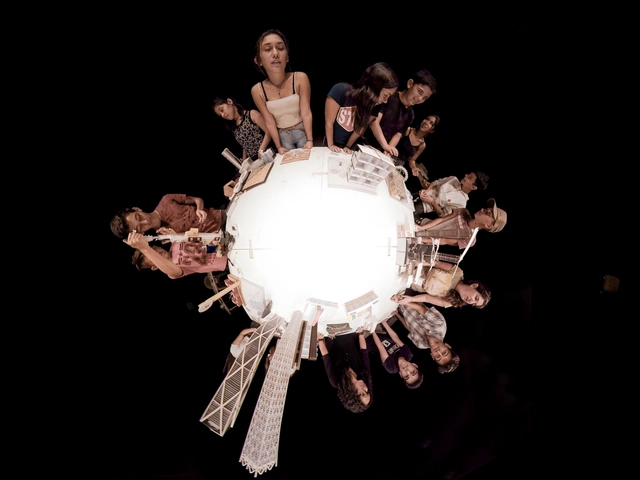
Coming soon. Visions from the minimum territory ("Próximamente") is the title of the Uruguay Pavilion at the Venice Biennale 2021, which will take place between May 22 and November 21, 2021.
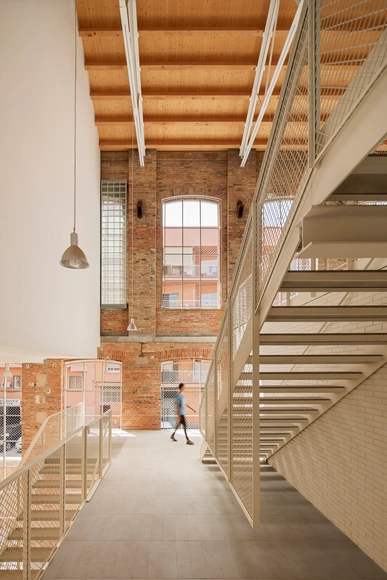
The FAD Awards 2021, one of the most prestigious architecture accolades on the Iberian Peninsula, has announced the finalist projects for its latest edition.
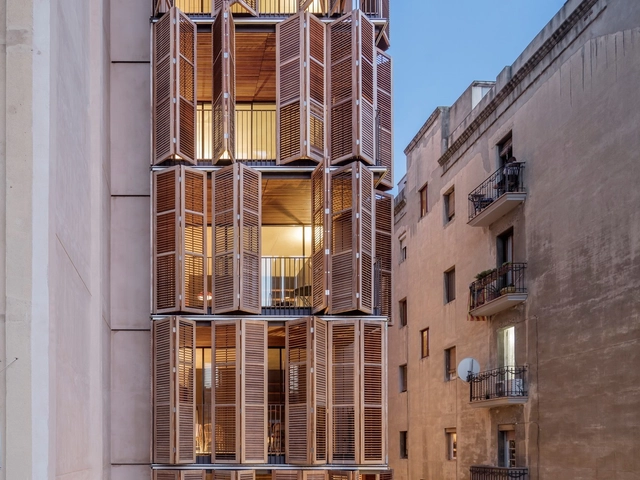
The 2021 Spanish Biennial of Architecture and Urbanism (BEAU) has announced the finalists for its "Panorama of Architecture and Urbanism Works" category. Out of 581 submissions, 100 projects were initially shortlisted, with 70 now selected for the final round. Of these, 20 will ultimately be recognized as the most outstanding works of Spanish architecture and urbanism from the last three years.


