ArchDaily is a digital project in constant evolution. It is an experiment in the documentation, discussion, and dissemination of key topics in architecture and urbanism on a scale that would not have been possible twenty years ago. Today, we are pleased to announce that our team continues to grow.
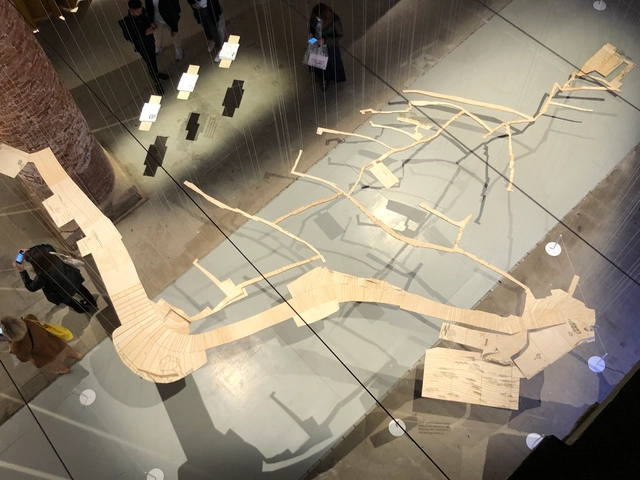
"Complete City: La Palomera, Acknowledgment and Celebration" is the installation by Enlace Arquitectura for the 17th International Architecture Exhibition at the Venice Biennale 2021. The model is a representation of the paths, stairways, and gardens of the La Palomera barrio in Caracas, Venezuela. The message: to recognize the barrio as part of the city.
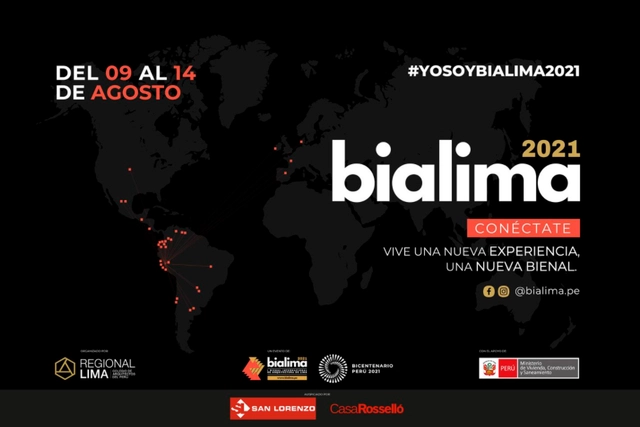
The Lima International Architecture Biennial (BIALIMA 2021) will take place from August 9 to 14. Part of Peru's Bicentennial agenda and supported by the Ministry of Housing, the event aims to create a space for collective architectural exhibitions and public outreach, while simultaneously fostering reflection and discussion on how we should conceive our cities and how architects design spaces for human beings.
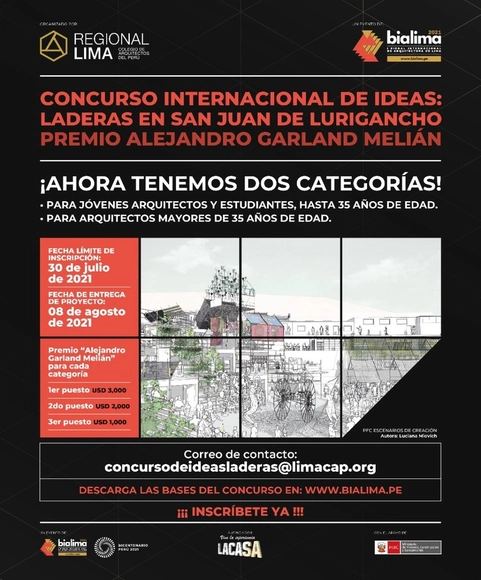
The CAP RL and BIALIMA, in partnership with the Municipality of San Juan de Lurigancho, are organizing the "International Ideas Competition: Hillsides in San Juan de Lurigancho." The competition aims to create infrastructure surrounding the staircases that connect local residents.
Throughout history, economic crises, health emergencies, and natural disasters—followed by social conflicts, political disagreements, and the search for new places to live—have driven the displacement of hundreds of thousands of people. The result: shifts in residency, habitat, and culture.
“Edificios de Madrid” is a new 10-episode micro-series presented by Open House Madrid. A new episode will premiere each week on their YouTube channel, featuring ten renowned architects who explain and share previously unseen details of iconic works like the Zarzuela Racecourse, the Hotel Puerta de América, and the Liria Palace, while rediscovering lesser-known sites like the Frontón Beti Jai and the Francisco Giner de los Ríos Foundation.
Economic crises, health emergencies, and natural disasters, followed by social conflicts, political instability, and the search for new places to live, have historically driven the displacement of hundreds of millions of people. Consequently, entire populations have had to adapt to changes in residence, habitat, and culture.
Choice of building materials and the inherent continuous reflection about the reach and capabilities of architecture are an interesting alternative way to approach this issue. The materials used in social housing should address local and economic possibilities and the real needs for access to housing in the contemporary context.
In this article, we analyze different projects published on our site to identify some of the predominant materials used in social housing, both for the formation of structures or enclosures. The intentions of this are two-fold: firstly, to create a worldwide panorama of different case studies with different construction styles from a range of geographical locations, and secondly, to provide inspiration and tools to architects to make better social housing.
Below we present 15 social housing projects and their diverse materials and construction styles.
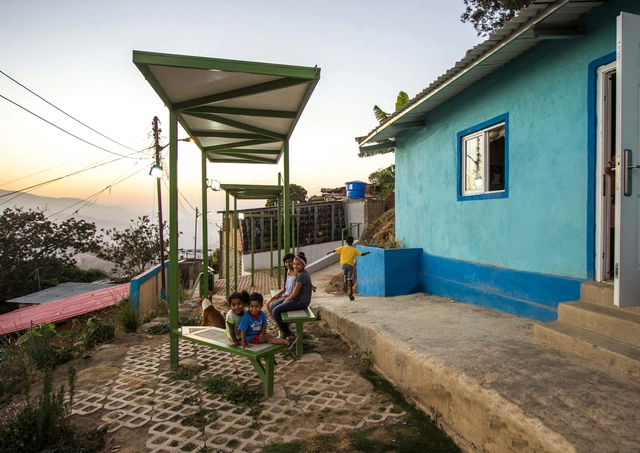
Plaza Estacional, Caracas. Gabriel Visconti Stopello AGA estudio. Fotografía: José Bastidas.. Image Cortesía de Jeannette Sordi
Throughout the world's cities, in the midst of current and projected crises-- environmental, health, economic, and otherwise--one question looms: How can we prepare our urban centers' most vulnerable sectors?
Current data paints a bleak picture of cities and the impact of climate change. With urban populations skyrocketing as people around the globe seek opportunities for a better life in the world's urban centers, cities have become gluttons for energy and other resources while simultaneously producing more emissions than ever before. On top of this, 3 out of 5 cities are at high risk for natural disasters.
ELEMENTAL's Ochoquebradas House through the lens of Felipe Camus. Image
Arquis, the new HBO Max series about the life and work of six of Latin America's most renowned architects, has premiered. It is no surprise that the first one-hour episode features Alejandro Aravena, the Chilean architect who won the Pritzker Prize in 2016.
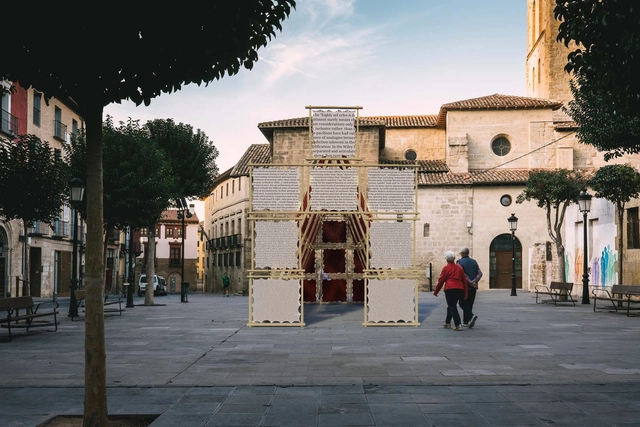
Cabaña de San Bartolomé / Paradigma Ariadné / Hungría / Embajada de Hungría. Image Cortesía de Concéntrico 07
Conéntrico 07 is the Logroño International Architecture and Design Festival, which proposes a reflection on the urban realm and the city. This annual event invites us to rethink our environment through installations, exhibitions, meetings, performances, workshops, and activities. Open to all residents and visitors, it will take place from September 2 to 5, 2021.
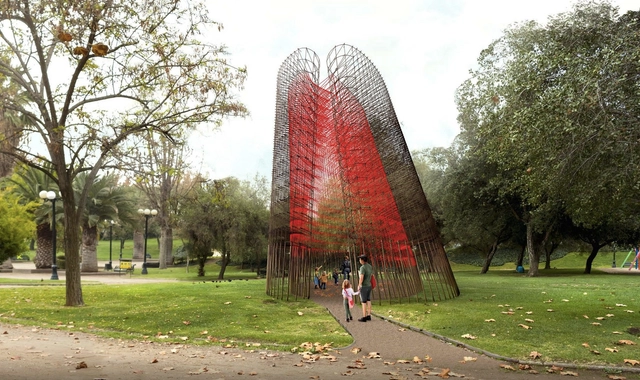
As the values associated with traditional monuments—such as landmarks, historical figures, and heroism—are called into question, the open, the internal, and the sensory are gaining prominence and relevance. In this context, "Dionaea," a forthcoming sculpture in Mapocho Río Park, Cerro Navia, seeks to highlight the historical role and contribution of women in Chile.
Jacinta Leong is a Production Designer who enjoys the creative and collaborative process of designing environments for narratives. Her work on several movies looks ahead into the future - especially in relation to technology in society. She was recently the Production Designer on the film 2067; Art Director on Alien: Covenant, Mad Max: Fury Road, andPacific Rim: Uprising; Assistant Art Director on Star Wars Episode II-III; and Set Designer inThe Matrix, among others.
We've talked with Leong to get to know her thoughts on the connection between films and architecture. The following interview explores her beginnings and inspirations, as well as her work process in the era of digital tools.
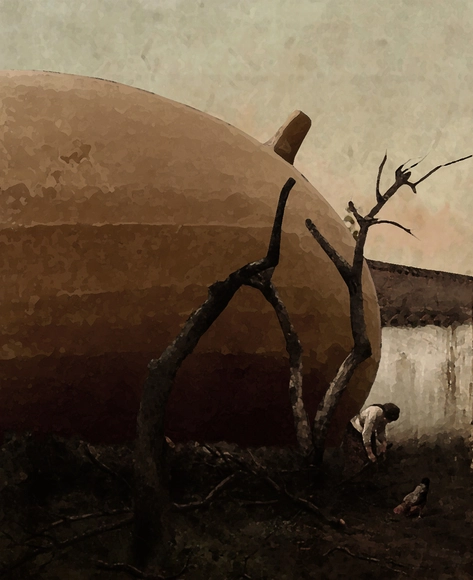
If you have ever had the chance to visit Pomaire, southwest of Santiago, Chile, you will have encountered a small artisanal town that dedicates much of its focus to greda (clay). In this very place, Domingo Arancibia was commissioned to design none other than the upcoming Pottery School. A sneak peek: this clay material will be one of the project's primary reference points.
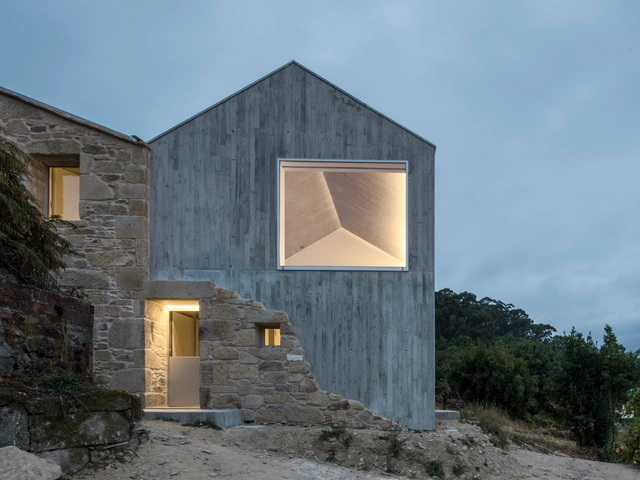
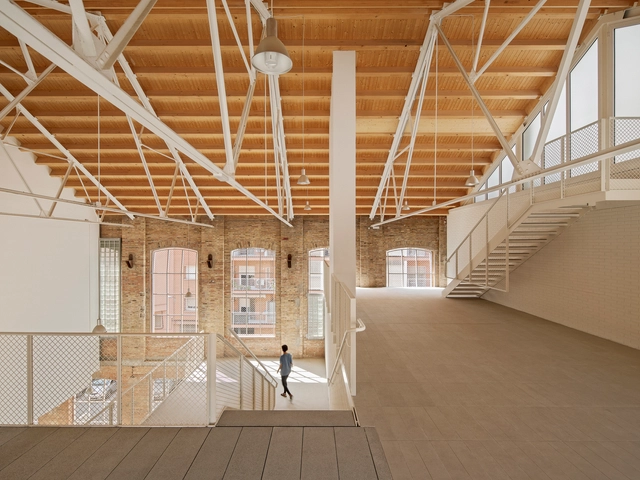
On June 28, during the official opening of the Spanish Biennial of Architecture and Urbanism BEAU 2021 at the Mies van der Rohe Pavilion in Barcelona, the winners of the 'Panorama of Architecture and Urbanism Works' call were announced. Out of 581 proposals submitted, 100 projects were shortlisted, 70 became finalists, and ultimately 20 were awarded as the most outstanding examples of Spanish architecture and urbanism from the last three years.
.jpg?1626990730&format=webp&width=640&height=580)



.jpg?1626079817&format=webp&width=640&height=580)