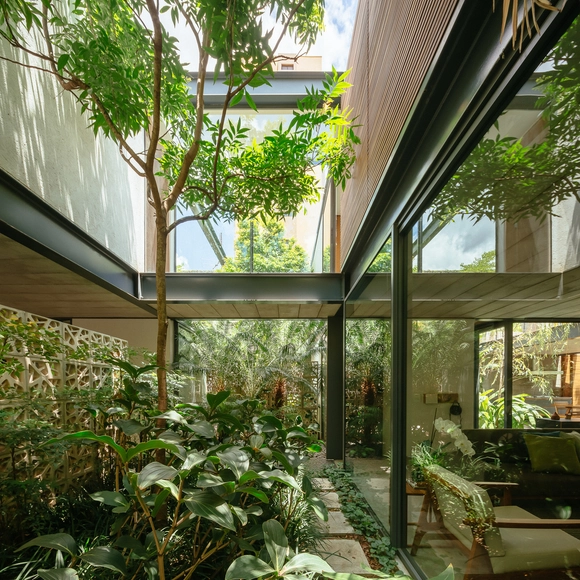
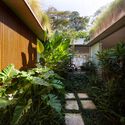
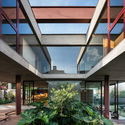
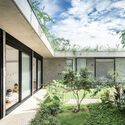
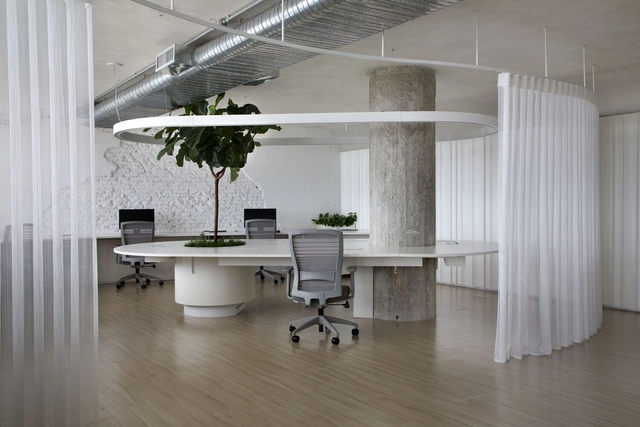
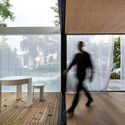
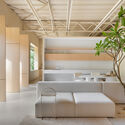
Landscape design is a fundamental component of various architectural typologies, particularly for integrating buildings with their surroundings and establishing connections between spaces. While vegetation is most commonly found outdoors, incorporating indoor gardens can completely transform a project's atmosphere.
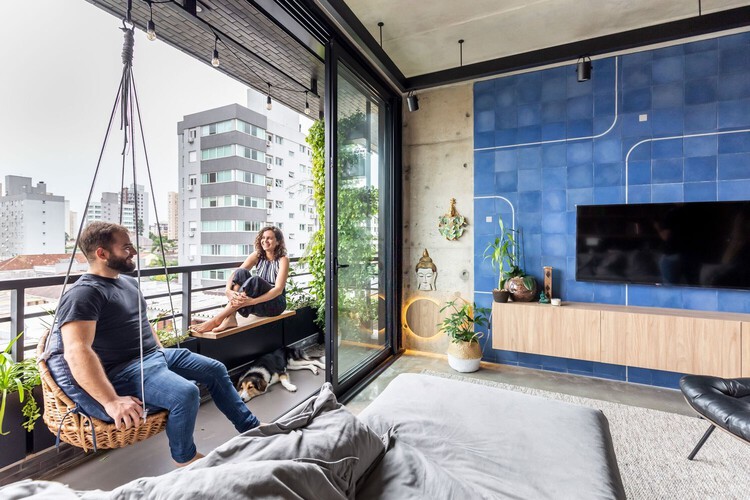
Outdoor spaces and balconies have gained much more importance after the social isolation period the world went through. In contact with the outside, these areas bring light and ventilation to the apartment primarily; and when improved or used in a different way, they can bring more comfort to the living environment.
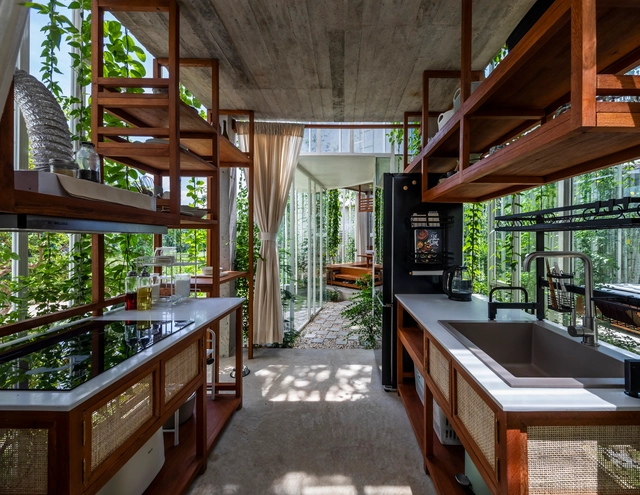
The kitchen emerges as an environment that permeates several issues within domesticity. Ranging from a workspace to a welcome meeting table, this area has evolved a lot over time: more functional designs and different materials and textures that have improved the gastronomic experience. and, more than that, it stopped being an indoor environment to open itself to the outside, exploring through permeability a better quality of light and bringing greater pleasure to those who occupy it.
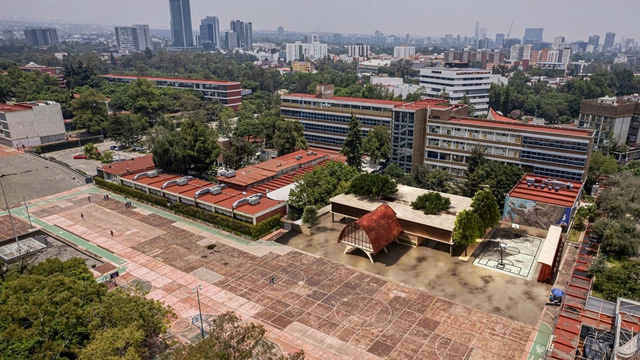
For 37 years, since 1985, the Faculty of Architecture at the National Autonomous University of Mexico (UNAM) has organized and hosted the Alberto J. Pani Architectural Composition Award, aiming to bring together the top students from member institutions of the Association of Architecture Education Institutions of the Mexican Republic (ASINEA). The event is organized in collaboration with an ASINEA member institution, which this year is the Faculty of Architecture at the Universidad DeLaSalle Bajío in León, Guanajuato.
https://www.archdaily.com/1131936/finalists-of-the-38th-alberto-j-pani-architectural-composition-award-2022-of-the-faculty-of-architecture-unamArchDaily Team
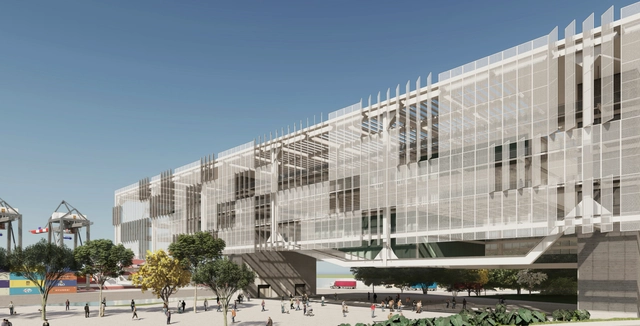
The Brazilian Steel Construction Center (CBCA) has announced the winners of the 15th CBCA Competition for Architecture Students. In this nationwide competition, teams were challenged to address the theme “Industry, Innovation, and Infrastructure.”
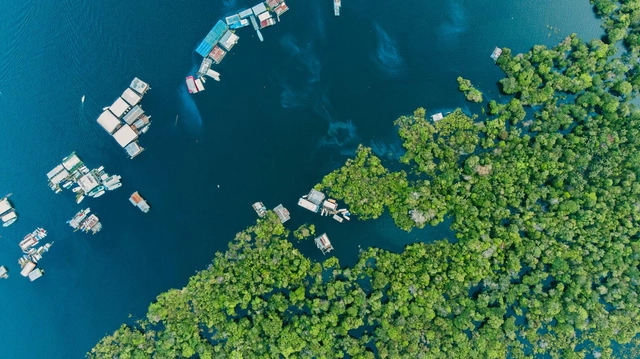
Amazon River, aerial view in Tefé. Photo by Rodrigo Kugnharski via Unsplash .
Amazon Day was celebrated on the 5th of this month. Established in 2007, the date aims to raise awareness about the importance of this biome, which is essential to the planet's environmental and climate balance. Constantly under threat and shaping a contested territory, Earth's largest natural biome is a frequent site of human intervention. How have architecture and urbanism engaged with this context?
Concrete Forms of Resistance. Nick Jordan. Image Cortesia de Arquiteturas Film Festival
Slow Down! is the theme driving the 9th edition of the Arquiteturas Film Festival to the city of Porto, marking a change in both location and organization. Now organized by INSTITUTO under the direction of architect Paulo Moreira, the 2022 edition of the Arquiteturas Film Festival establishes itself as an international platform to discuss and disseminate architectural production through films, exhibitions, and debates.
https://www.archdaily.com/1132141/arquiteturas-film-festival-announces-the-program-for-its-9th-edition-which-will-take-place-in-portoArchDaily Team
The Petition for Just Cities and Dignified Housing is now available online in support of the proposals from the manifesto Brazil Needs More Architecture and Urbanism, an open letter to the candidates in the 2022 elections launched by the Council of Architecture and Urbanism of Brazil (CAU/BR) and the member entities of the CEAU (IAB, FNA, ABEA, AsBEA, ABAP, and FeNEA).
https://www.archdaily.com/1132173/cau-and-ceau-launch-petition-for-just-cities-and-decent-housingArchDaily Team
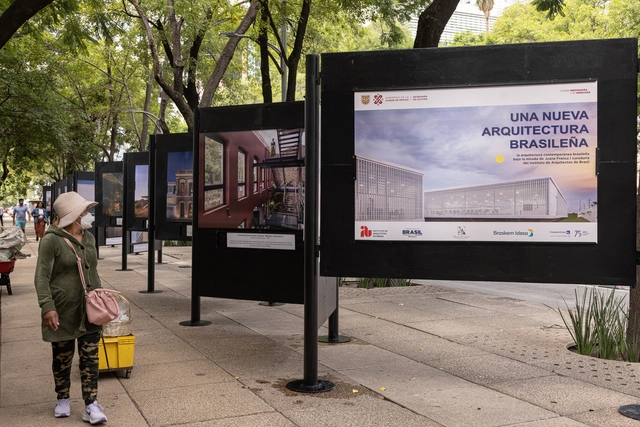
In early September, the Brazilian Embassy in Mexico launched the exhibition Una nueva arquitectura brasileña, curated by the Institute of Architects of Brazil (IAB) and featuring photography by Joana França. The exhibition is held entirely in a public space on Avenida Paseo de la Reforma, one of Mexico City's most prominent thoroughfares. Approximately one million people are expected to pass by the site during the exhibition run.
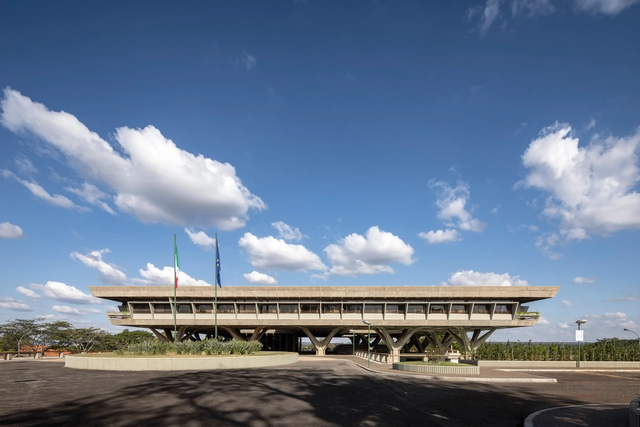
In 1972, the Italian Embassy left the historic mansion it had occupied since 1919 in Rio de Janeiro, at 154 Rua das Laranjeiras, and moved to the new capital, Brasília. Released on August 29, the book and photographic exhibition aim to offer a journey through the headquarters' photographic history, organizing and showcasing an important part of its historical memory to preserve it.
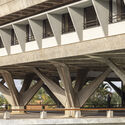
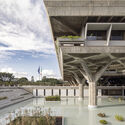
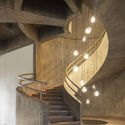
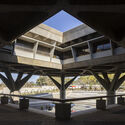
The history of the Embassy is the story of a construction within a construction. Alongside the building of a new city, a visionary and futuristic capital, the headquarters designed by the great engineer Pier Luigi Nervi was also built. A space for work and diplomatic representation, the building encapsulates the best of Italy's celebrated architectural and engineering traditions, fitting harmoniously into Brasília's urban planning and monumental style.
https://www.archdaily.com/1132089/embassy-of-italy-in-brasilia-launches-exhibition-and-free-online-book-on-pier-luigi-nervis-designArchDaily Team
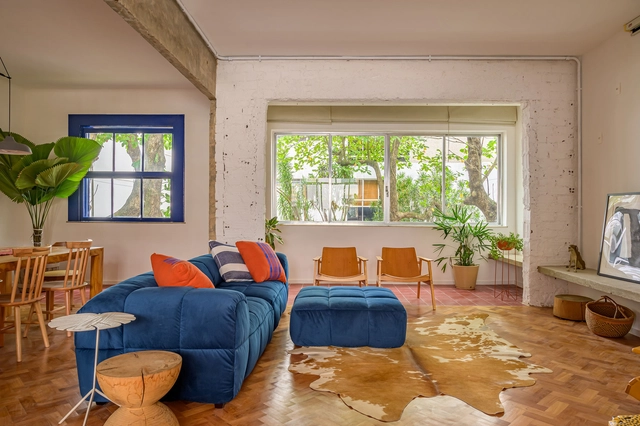
Usually, refurbishments are to completely change a space or, in a more surgical way, to bring about improvements in mobility and privacy issues. No matter the number of walls to be demolished, coatings to be replaced and joinery to be designed, the result is always looking for a more functional and beautiful space. In the case of apartments that usually have standard floor plans, intervening in them is also a way of bringing a unique and more personal character to each home.
https://www.archdaily.com/987607/before-and-after-10-refurbishments-in-brazilian-apartmentsArchDaily Team
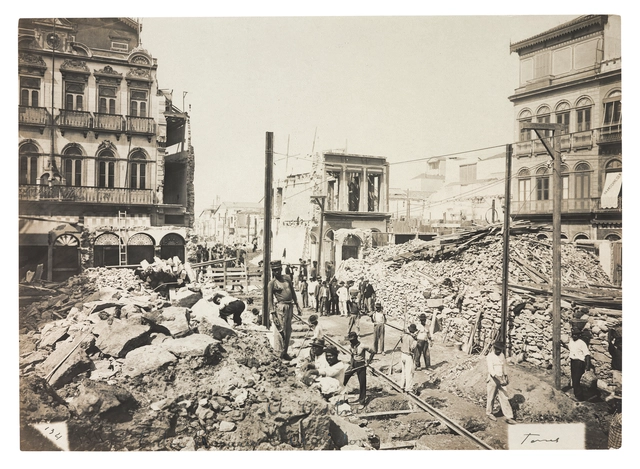
Demolitions between Rosário and Ouvidor streets, Central Avenue, now Rio Branco Avenue, Rio de Janeiro, 1904. Credit: João Martins Torres / Instituto Moreira Salles Collection
On September 13, IMS Paulista opens the exhibition Moderna pelo avesso: fotografia e cidade, Brasil, 1890-1930. With free admission, the exhibition features photography from some of the country's major capitals—Porto Alegre, São Paulo, Rio de Janeiro, Belo Horizonte, Recife, and Belém—during the First Brazilian Republic, from 1889 to 1930. The exhibition documents radical urban reforms that took place during this period, addressing the tensions and contradictions of these processes, which altered landscapes and the ways people lived in and moved through cities.
https://www.archdaily.com/1131846/exhibition-at-ims-paulista-explores-the-relationship-between-photography-and-the-city-in-the-early-decades-of-the-20th-centuryArchDaily Team
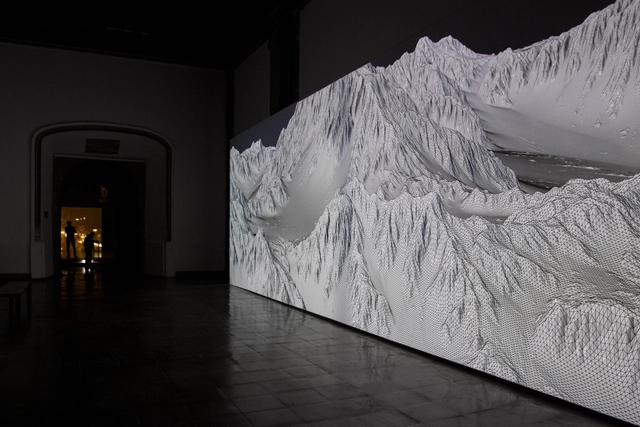
The Laboratorio Arte Alameda (LAA)—a venue of the National Institute of Fine Arts and Literature (Inbal) Museum Network—in collaboration with Fundación Telefónica presents Joanie Lemercier: Landscapes of Light, the French artist's first solo exhibition in Mexico. The exhibition offers "a journey through different landscapes that transport the viewer from the contemplation of refined abstract lines and the fascination of majestic computer-generated virtual mountains, to the troubling reality of an overexploited nature."
https://www.archdaily.com/1132330/joanie-lemercier-presents-landscapes-of-light-installation-at-laboratorio-arte-alameda-mexico-cityArchDaily Team
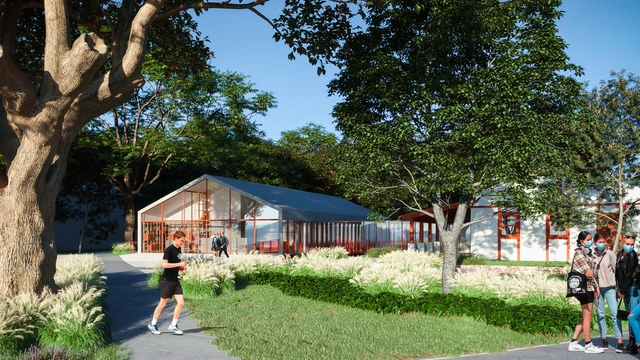
The firms Gênesi and EVO Arquitetos were awarded third place in the national competition Iconicidades, organized by the Government of the State of Rio Grande do Sul and launched in April this year. The initiative sought to select the best proposals for transforming public spaces into areas that stimulate the creative economy in the cities of Pelotas, Rio Grande, Santa Maria, Cachoeirinha, and São Leopoldo.
https://www.archdaily.com/1132427/genesi-and-evo-arquitetos-awarded-in-the-requalification-competition-for-the-casa-da-feitoria-and-immigrant-museum-in-sao-leopoldoArchDaily Team
Bringing fire indoors is something many people want during winter. In addition to warming the environment, fire creates a unique sensation that goes back to the beginnings of human habitation, leading us to a certain emotional comfort. Before, a chimney and a stock of firewood were needed to guarantee this, nowadays there are ecological fireplaces, which can be built-in or portable: a great choice for those who live in apartments or do not like the smoke generated by the fire.
https://www.archdaily.com/987019/what-are-ecological-fireplaces-and-how-do-they-workArchDaily Team
"Less is more!", "ornament is a crime", are some of the modern phrases that shaped the western architectural language in the last century and still continue to be a strong influence when thinking about spaces. Minimalism, even if it is hardly carried out within its original essence, still tends to value emptiness, aesthetic cleanliness and the purism of space.
The use of bicycles in urban areas has been steadily increasing. Health, leisure, cost savings, convenience—there are numerous reasons and benefits driving this choice. However, for people to choose cycling, a fundamental factor must be met: safety during the ride, which is primarily provided by bike paths and lanes. To highlight this, we present a ranking of which Brazilian capitals prioritize cyclists and the quality of their routes, fostering the construction of a better city through active mobility.
https://www.archdaily.com/1132001/ranking-of-bike-paths-and-lanes-in-brazilian-capitalsArchDaily Team
Women Architects and Urban Planners Day was established in 2020 by the Council of Architecture and Urbanism of Brazil (CAU/BR) to reaffirm its commitment to promoting gender equality across all its spheres and in its relationship with society. According to a survey by CAU/BR in its 2019 Yearbook, women represent 63% of architects and urban planners, a proportion expected to increase in the near future. Among professionals aged 30 and under, that number rises to 75% women compared to 25% men.
https://www.archdaily.com/1132008/women-architect-and-urban-planner-day-discovering-the-pioneers-in-brazilArchDaily Team