While predicting and preventing damage and disasters are increasingly critical factors when designing our buildings, spaces, and cities, certain extraordinary events still escape our control. These situations demand immediate and urgent architectural responses capable of providing shelter and quality of life to communities affected by natural disasters and conflicts of all kinds—solutions that, in the most extreme cases, may be the only chance of survival for many.
Natural disasters such as earthquakes, tsunamis, hurricanes, and floods, as well as armed conflicts, territorial disputes, or other global humanitarian crises—such as the COVID-19 pandemic—require an immediate response to control and prevent worsening consequences, helping to save lives. **Emergency architecture** can be defined as a constructive response to the most urgent human needs that arise during crises and exceptional situations. It materializes as responsive infrastructure aimed at providing immediate solutions, ranging from shelters for displaced people to healthcare and medical facilities in affected areas.
Hello, ArchDaily readers. Happy New Year as we enter a new decade. This year marks our 12th anniversary. Thank you for accompanying us throughout the 2010s and growing alongside us to contribute to the architectural community. At our founding, we pledged to “provide inspiration and knowledge to help architects build better cities.” In this new decade, we embrace an expanded mission: “to provide inspiration and tools to improve the quality of life for city dwellers.” Everyone is an independent creator, and we are here to serve each and every one of you.
https://www.archdaily.com/1124150/2020s-forging-ahead-archdailys-new-years-resolutions韩爽 - HAN Shuang
Climate change is arguably one of the greatest current threats to human survival, resulting from global warming driven by rising greenhouse gas (GHG) emissions, of which carbon dioxide (CO2) is the primary contributor. Globally, buildings accounted for approximately 40% of CO2 emissions in 2018, when factoring in direct, indirect, and embodied emissions (over the lifecycle of construction products) (UNEP, 2019). At the same time, because the building sector consumes—and will continue to consume—vast amounts of materials to address severe housing deficits, in many countries it is a pivotal sector, offering a prime opportunity to help combat climate change. To achieve this, a key pathway is promoting the use of biomaterials.
Architectural academia is becoming increasingly aware of the contemporary and territorial challenges facing local communities. Universidad del Norte presents this series of six thesis projects by its students, exploring the coastal region of northern Colombia through architectural recycling, regeneration, and urban renewal.
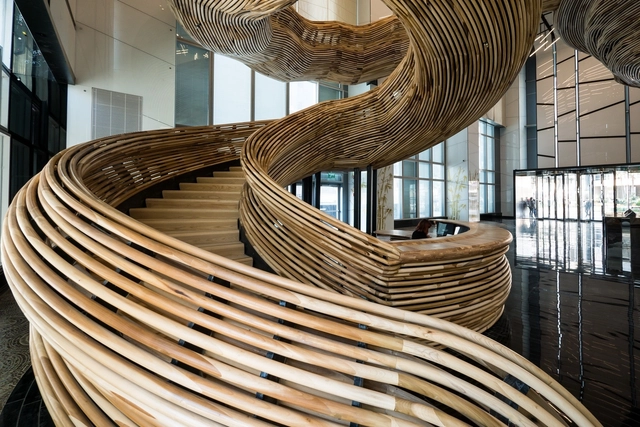
TEN Arquitectos is an architectural firm based in Mexico City, New York, and Miami, founded by Mexican architect Enrique Norten. With 33 years of experience designing from a global perspective, the practice brings a consistent international sensitivity to every new space it creates. This body of work has been recognized with numerous national and international awards, including the Mies van der Rohe Award for Latin American Architecture, honors from the national American Institute of Architects (AIA) and various US chapters, Architectural Record, Architect Magazine, Architizer, and Biennials in Mexico, Argentina, and Ecuador, as well as the Royal Institute of British Architects (RIBA), among others.
In these times of change, the more we cling to the pre-existing and resist the inevitable, the harder it will be to adapt. When everyone is equally exposed to the consequences of change, adaptability—alongside empathy—becomes the common denominator, allowing us to set aside, if only temporarily, the selfishness that segregates society.
Perhaps excessive competition also fosters this estrangement among colleagues. Architectural academia pushes us to compete for grades and prepares us for design competitions, and while this methodology can empower us to drive self-improvement, on a mass scale it generates segregation and harmful preconceptions.
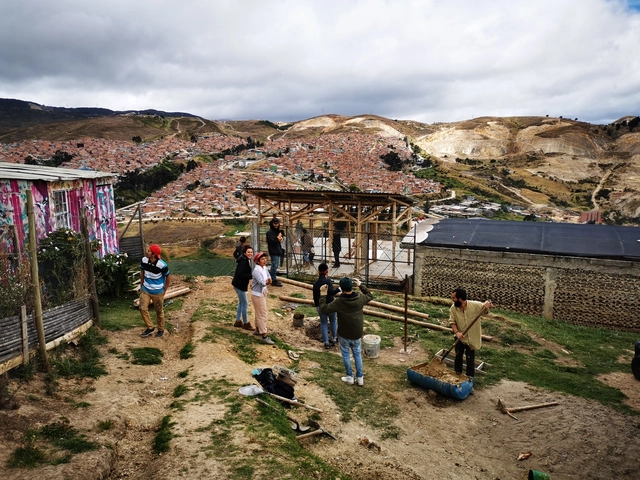
Researchers Andrés Sánchez Arias, Stefanie Pechar, and Andrés Felipe Martínez Motta share the following article on food self-management and community action during the pandemic, focusing on the specific case of the Altos del Pino neighborhood in Cazucá, located in Soacha, south of Bogotá.
https://www.archdaily.com/1124156/self-management-in-times-of-pandemic-in-southern-bogotaAndrés Sánchez Arias, Andrés Felipe Martínez Motta y Stefanie Pechar
The Maya Train is the federal government's flagship project, formally announced in December 2018. It is planned as a regional train for locals, tourists, and cargo, intended to generate regional economic benefits through tourism. According to the official project brochure, it "is based on a sustainable development model that drives economic growth without depleting the environment" and "promotes a tourism scheme in which visitors travel through local communities, preventing tourist concentration in a single destination," thereby "distributing wealth throughout the peninsula."
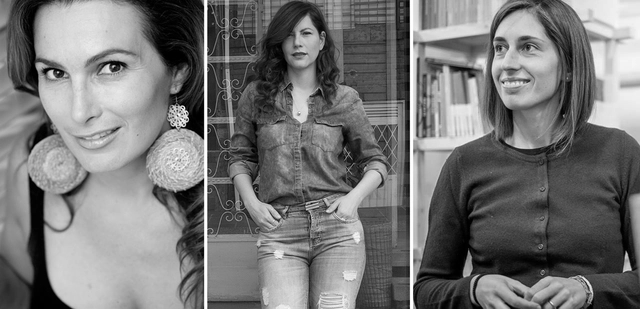
Historically, architecture is a discipline that for many years was a male-dominated territory, until in 1939, María Luisa Dehesa became the first Mexican female architect. Yet, despite the perception that gender parity has been achieved in the education of architects in Mexico, the concept of masculinity (which can be exercised by both men and women) continues to permeate architecture. This is reflected in design processes, in the figure of the "unreachable architect," in a sense of competitiveness, in hierarchical structures, and, in the most unfortunate cases, in the notion that women design interiors while men design *real* architecture.
Edificio los Eucaliptus. Captura extraída del modelo digital. Image Cortesía de Arquitectura Moderna 360º / @arquitecturamoderna360
Lately, virtual technology has become a crucial resource to support users and students worldwide. Courses, training programs, and books have successfully transitioned to digital formats to ensure the continuity of educational, training, and leisure activities. Understanding this shift, the Arquitectura Moderna 360 project has created a free-access web database that functions as a digital catalog or log, compiling various three-dimensional models, 360° panoramic photos, and VR of representative works of the Modern Movement in Argentina. This allows users from anywhere in the world to immerse themselves in the interior spaces of iconic buildings that have played a significant role in the country's architectural history.
Eduardo Useche, director of the Arquitectura para Aliens podcast, presents excerpts from the transcript of a discussion he moderated, reframing the vision and stance of the architect. Focusing on the uncertain future following the COVID-19 pandemic, the discussion brought together leading representatives of the various associations safeguarding the role and responsibility of professionals and academic institutions linked to architecture. In this pandemic context, construction is one of the hardest-hit sectors, largely because construction sites are not run by contagion-free machines—at least for now.
Figure 13. Archaeology map of the Dehesa del Generalife. Remains of ancient buildings and infrastructures. (Source: R&D&I Project of the University of Granada under the title "Patrimonio y Paisaje Cultural. Revalorización de la identidad histórica y cultural de la Dehesa del Generalife de la Alhambra: Instrumentos de registro y procesos de reconocimiento", 2014). Image via Revista rita_
This article by Juan Domingo Santos and Carmen Moreno Álvarez was originally published in the 8th issue of rita magazine under the title "Identidades del territorio Alhambra. Instrumentos de registro y procesos de reconocimiento de un paisaje cultural" (Identities of the Alhambra Territory: Instruments of Registry and Processes of Recognition of a Cultural Landscape) and is part of a joint dissemination collaboration. The following text presents research that proposes a series of measures to record, analyze, and disseminate the cultural values of the Dehesa del Generalife—a territory continuous with the monumental complex of the Alhambra, rich in archaeological, architectural, landscape, environmental, and ethnological resources.
https://www.archdaily.com/1124108/identities-of-the-alhambra-territory-record-and-recognition-of-a-cultural-landscapeJuan Domingo Santos y Carmen Moreno Álvarez
Oaxaca is one of Mexico's thirty states, renowned for a rich culture that has shaped a territory celebrating its roots. Located in the country's southeastern region, it borders the Pacific Ocean and is known for its indigenous communities, where Zapotec and Mixtec cultures predominate. In addition, Oaxaca is home to a vibrant public life where streets, pedestrian walkways, and plazas frame a diverse range of political, religious, and popular activities. This has drawn the attention of various projects and research initiatives seeking to highlight this social effervescence.
Climate change is an issue that has gained increasing traction in public and professional discourse over recent years, driven by a clear urgency to research, document, and mitigate environmental damage through multidisciplinary strategies that raise awareness of our current reality. Organizations such as the UN have issued a global call to action to adopt measures that end poverty, protect the planet, and ensure that all people enjoy peace and prosperity.
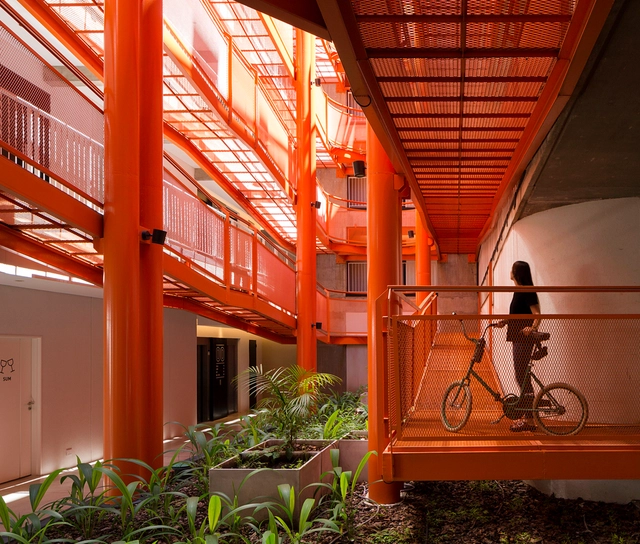
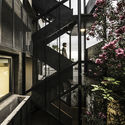
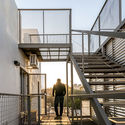
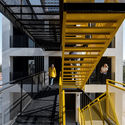
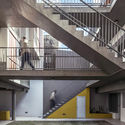
In collective housing projects, apartments, and residential complexes, design intentions regarding spatial qualities and atmospheres typically focus on the spaces where residents spend most of their time: the interiors of the housing units and, when available, common areas like gyms or multipurpose rooms. Circulation spaces, by contrast, are often treated merely as “transitional areas,” meaning they frequently address functional requirements rather than spatial experiences.
The 2020 FAD Awards, one of the most important architecture accolades on the Iberian Peninsula, have announced the winning projects of their latest edition.
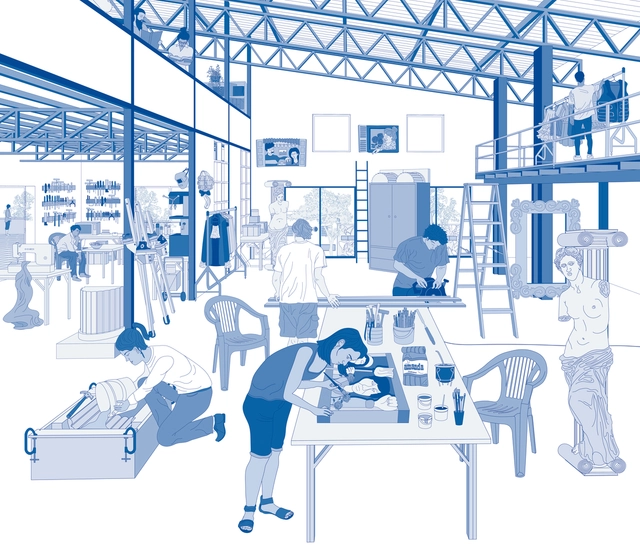
“The architectural configurations where the cultural development of a city takes place—workshops, recording studios, rehearsal rooms, factories, homes, and offices—are often private, invisible, and restrictedto the general public.” Based on this premise, Urban Backstages—an exploration by the organization Theatrum Mundi that represents the first stage of the pilot project Making Cultural Infrastructure—seeks to reveal what the areas dedicated to the production of art, design, and crafts in the City of Buenos Aires are like, shedding light on how the region's cultural practices are conceived and developed “behind the scenes.”
It appears that the humanitarian crisis has triggered a myriad of actions, rarely seen under normal circumstances, where human life, health, and the economy are prioritized equally. As urban activities grind to a halt, we once again isolate and alienate ourselves; yet, this situation feels strangely familiar. Almost seamlessly, we turn our lives over to technology, detaching ourselves from the physical conditions of our existence to make quarantine more bearable within spaces of telecommuting, virtual classes, chats, and social networks.
https://www.archdaily.com/1124100/architecture-of-a-crisis-the-pandemic-and-virtual-spacesJulián Jerez V.
While public awareness and regulations on how to reduce, reuse, and recycle municipal solid waste (MSW) on a daily basis have gained momentum, this is not yet the case for construction and demolition waste (CDW). This waste is primarily generated from the development of new projects; the rehabilitation, repair, and retrofitting of existing buildings; and site preparation and demolition processes, spanning from the scale of a single house to an entire city. This represents not only the loss of a massive volume of concrete, brick, steel, and manufactured products, but also the missed opportunity to salvage historic relics.
We want to offer our readers the opportunity to openly share their opinions and experiences regarding the recycling of this waste. If we were all fully aware of the environmental impact generated by the extraction, production, and commercialization of materials—only for them to ultimately end up as trash—would it change the way we design? Would our practices change?
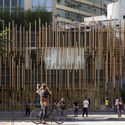
The Bamboo Pavilion, a project designed by Mexican architect Lucila Aguilar as part of Design Week 2020, is inspired by the search for spaces that connect directly with the earth. It consists of a series of bamboo structures that create a new space in the plaza of the 'Espacio CDMX' gallery. The pavilion's shape follows the flow of organic forms, combined with a 100% biodegradable, permeable material made in Mérida from natural rubber.
https://www.archdaily.com/1124090/lucila-aguilar-builds-bamboo-pavilion-for-design-week-mexico-2020ArchDaily Team
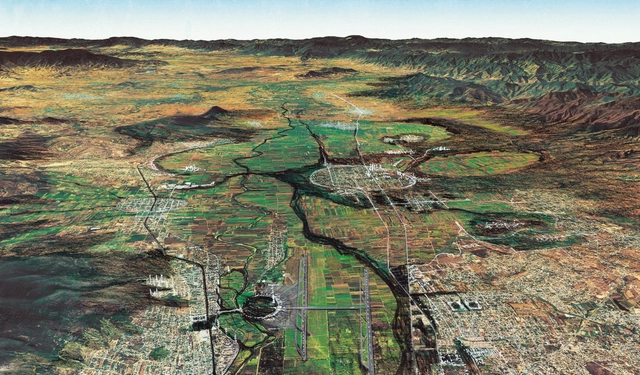
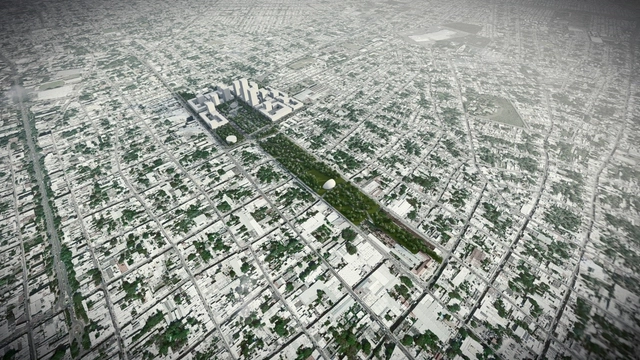
The ECOM Rosario (Metropolitan Coordination Agency) is a voluntary association of municipalities and communes, an institutional space for the planning, coordination, and promotion of public policies with regional impact, organized on the basis of a strategic partnership among 26 localities. It is essentially an organ for driving the formulation, development, and execution of projects at a metropolitan scale, established with the goal of supporting balanced and integrated territorial development in the Metropolitan Area of Rosario (AMR), Argentina.
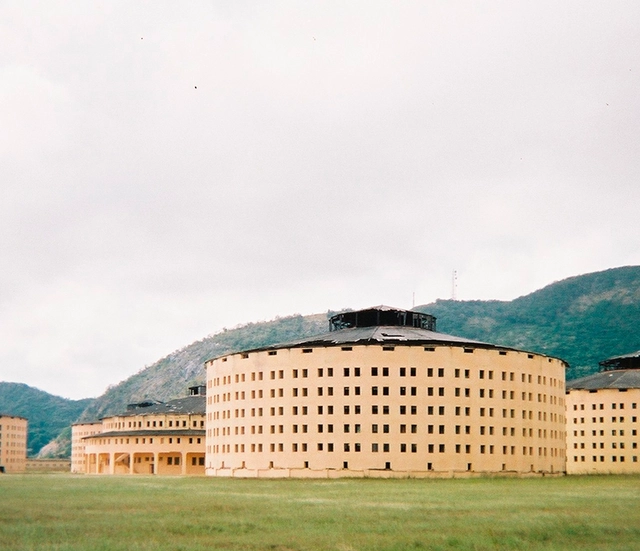
Natural disasters, mass migrations, economic crises, or simply the passage of time can leave significant architectural works—and even entire towns—abandoned to decay, losing their habitability either partially or completely. Recognizing that these buildings form part of our recent history, a growing number of photographers, historians, and urban explorers (urbex) are venturing out in search of these modern ruins.
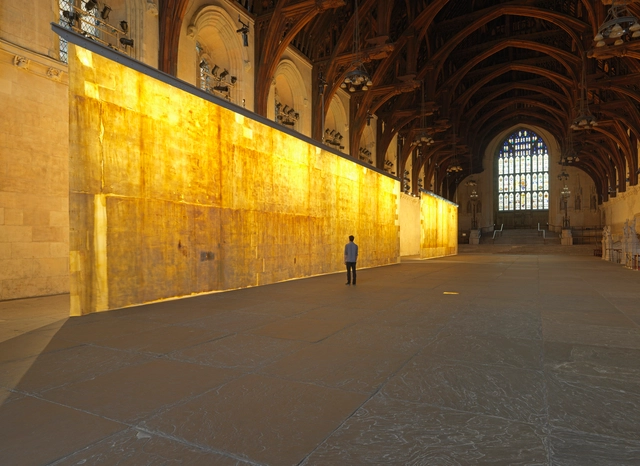
"I am interested in how we transition as people from one phase of life to another, and as cultures from one historical period to another. Transitions are often difficult, maybe even frightening." With this introduction, we can expect the work of artist-architect Jorge Otero-Pailos to offer a different perspective, particularly in how we understand the passage of time in architecture throughout history.
Below, he shares photographs of his series "The Ethics of Dust," which highlights the cleaning of dust and pollution residue from renowned historical buildings and monuments—making the invisible visible.

.jpg?1578132620&format=webp&width=640&height=580)



.jpg?1591798247 "2000 Ocean. Image © TEN Arquitectos")


.jpg?1595343069&format=webp&width=640&height=580)