By Jeanette Fich Jespersen, MA, Director of the KOMPAN Play Institute, Chair of the Steering Committee of the World Playground Research Institute, University of Southern Denmark, Vice President of the International Play Association, Denmark.
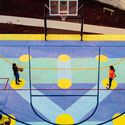
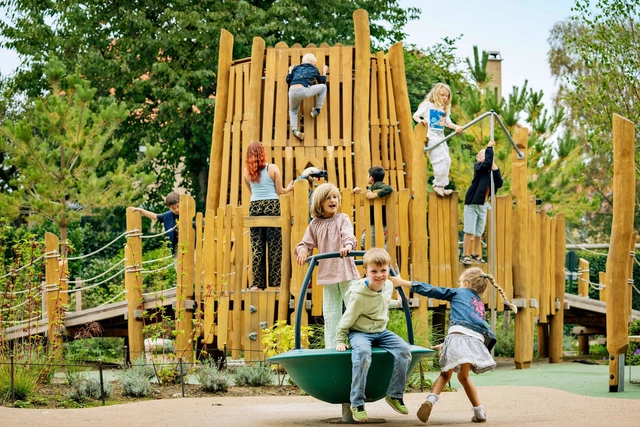
"No, I don't want to go to that playground. It's boring!" This might sound like something no child would ever say. Yet, children have clear opinions about the playgrounds they like from a very early age. The reason why not only parents and caregivers, but also urban planners and architects must listen and adapt is more important than ever.
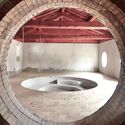
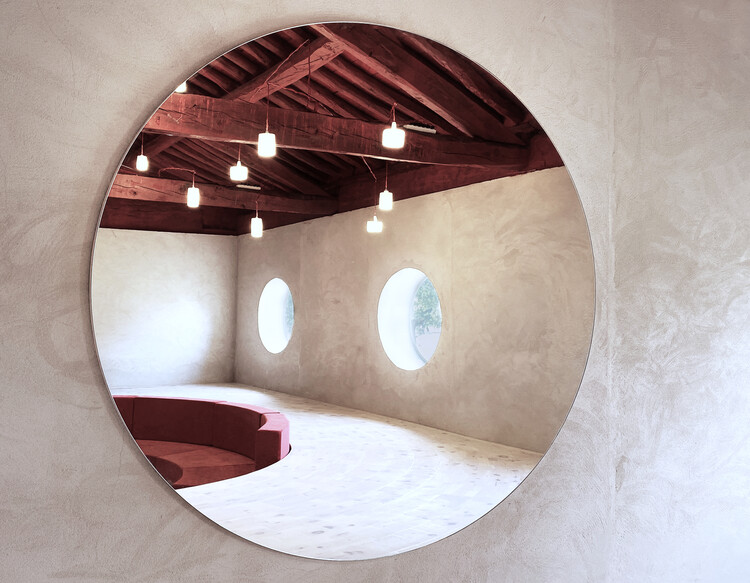
Narrating a work of architecture is always a challenge. Images of a project, no matter how accurate or spectacular, often obscure the entire process that made them possible. Documenting these processes—the architectural "kitchen"—is undoubtedly a fundamental part of any work. This is even more true when both the project and its execution methodology deviate from conventional practices. Such is the case with the work built by Susana, an estate manager with no prior construction experience, who took on the commission and carried it out on her own, guided solely by instructions sent via WhatsApp by the project's architect, Manuel Ocaña.
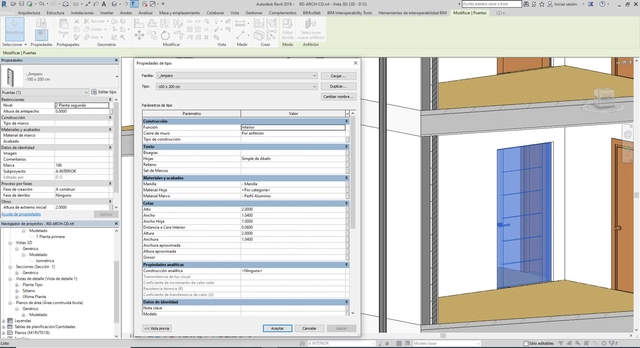
The letter “I” in the acronym BIM (Building Information Modeling) stands for Information, which is manifested through parameters and the customization they enable within Autodesk Revit, thereby building intelligent BIM Objects. This article outlines the different parameters within this modeling tool, focusing specifically on family parameters. Parametric families arise from customizing these parameters, offering a wide range of possibilities for the BIM Model.
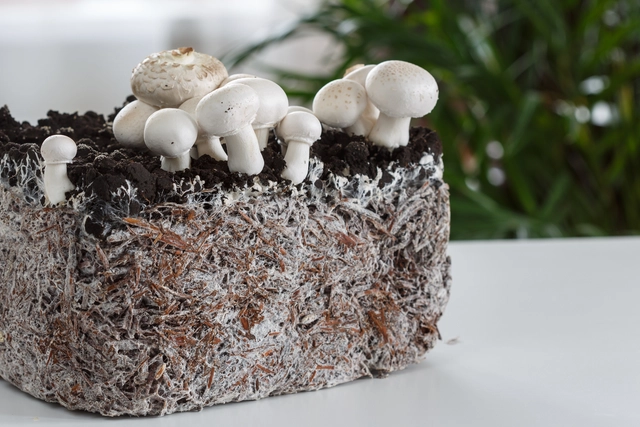
Fungi are everywhere—in the air, in water, on our bodies, on trees, on bathroom ceilings, and underground. They can manifest as mushrooms (including edible, medicinal, psychedelic, or highly toxic ones) or in other simple forms like mold. They can trigger illnesses, but they also produce life-saving antibiotics like penicillin and help ferment excellent cheeses and breads. Could they, then, also become the packaging and construction materials of the future?
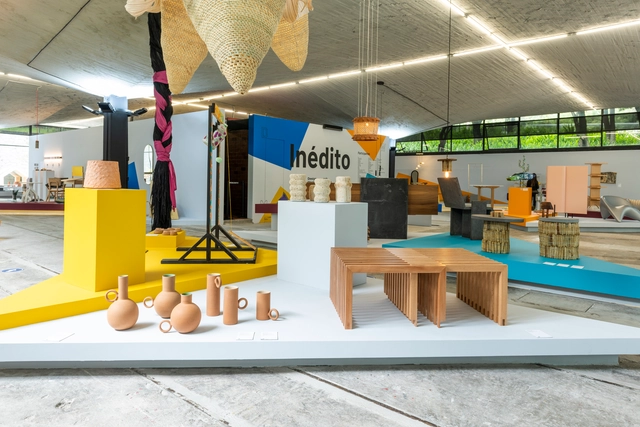
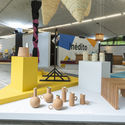
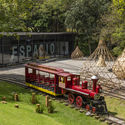
As part of the annual collaborative efforts of the Design Week team in Mexico City, the "Inédito" exhibition opened on October 9 at the Espacio CDMX Arquitectura y Diseño gallery. It marks the sixth consecutive edition of this open call, which aims to support, promote, and showcase utilitarian design projects across several categories: social impact, environmental impact, innovation, function, aesthetics, concept, user experience, materials, and processes. The exhibition is divided into three categories—professional, student, and digital—where, far from competing, participants gain exposure to opportunities in both national and international markets for outstanding design with commercial and production viability.
On this occasion, Víctor Feingold, President of Contract Workplaces, shares his perspective on how working from home is shaped by the environment, organizational culture, and the drive for innovation.
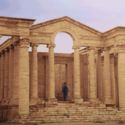
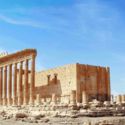
Despite UNESCO's recognition of specific World Heritage sites, many of them remain in constant danger of disappearing due to natural phenomena like earthquakes and human factors such as urbanization. By definition, these landmarks are vital to human history, possessing characteristics that reflect the deepest values of diverse civilizations. Nevertheless, much of the global population has never experienced them in person.
In a year defined by physical distancing, social media has taken on an even greater role in how we connect and stay informed. Our Instagram accounts have surpassed all previous reach records, bringing our audience the very best of what we publish on our website: projects, articles, interviews, and news from the architectural world, inspiring new ideas and tools for a better future for our cities.
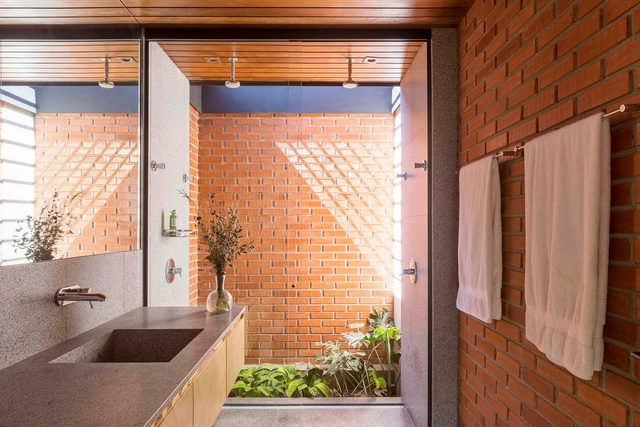
To ensure privacy, windows in bathrooms are typically characterized by their small size and high sills. Yet, natural light, alongside ventilation, plays a crucial role in the health and comfort of these spaces. As a result, seeking a greater incidence of daylight in these interiors expands the design possibilities for their openings.
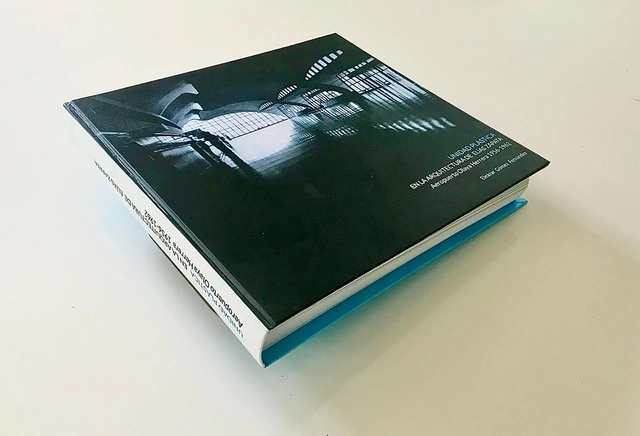
Carátula tesis. Image Cortesía de Eleázar Gómez Fernández
Every architecture school has its canonical local landmarks. For students in Colombia, one of the most easily recognized is the Olaya Herrera Airport in Medellín by Elías Zapata Sierra, an undeniable yet understudied icon. Architect Eleázar Gómez Fernández (Universidad Nacional de Colombia) presents this master's thesis, published in the Digital Library of the Universidad Nacional de Colombia.
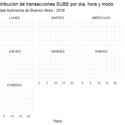
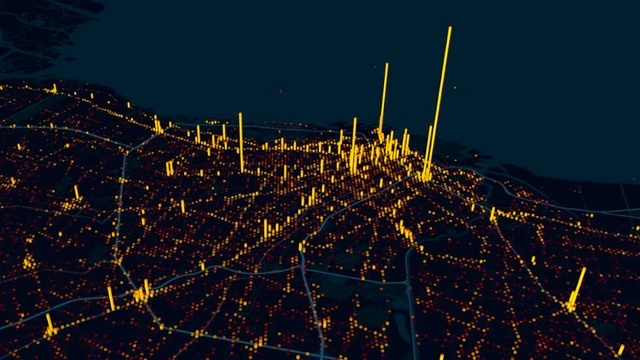
Today, the availability of information and data has vastly expanded our ability to analyze, interpret, and understand life in our cities. In urban planning, some of the most valuable and highly sought-after data for analyzing urban mobility dynamics comes from the use of the SUBE system (the Unified Electronic Ticket System, used in Argentina to pay for public transit). By gathering this information, millions of digital footprints can be aggregated and visualized, allowing us to interpret and anticipate citizen transit behavior. This, in turn, helps us understand urban trends based on the time of day and the day of the week.
Have you ever had to alter an original design due to construction difficulties or budget overruns, yet never because it negatively impacted the environment?
That is why we want to give our readers the opportunity to openly express their views on this matter. If we were fully aware of the environmental costs of materials today, or their potential future consequences, or the real, global challenges that arise during construction, would it change the way we select and create our designs? Would it be easier for us to advocate for our projects to others and fellow professionals?
This medieval city in Croatia was one of the inventors of quarantine and emerged victorious from every major plague humanity has ever faced. Photo: Bigstock, courtesy of Haus
The medieval city of Dubrovnik, in Croatia, boasts many distinctions. Surrounded by ancient walls and a sea of azure waters that enchant visitors, during the Middle Ages it was the only city-state with enough prominence to rival Venice.
Another lesser-known aspect is that the Pearl of the Adriatic, as this Croatian city is known, was the first known European municipality to implement a smart quarantine and to build isolation spaces to combat the major diseases that plagued humanity. This is what archaeologist Ante Milošević and physician Ana Bakija-Konsuo assert in their book "Lazaretto in Dubrovnik: Beginning of Quarantine Regulation in Europe."
Closed playground in Vancouver, Canada. Photo: Rod Raglin / Creative Commons / Flickr
At the time of writing, it is still difficult to envision the post-pandemic world of COVID-19, which spread across the globe in just three months after the first cases were detected in Wuhan, China, in December 2019. Dystopian scenarios of human and economic devastation managed by totalitarian regimes still run parallel to visions of societies successfully returning to the streets with more sustainable and secure patterns for their habits, modes of production, consumption, and social organization. Regardless, there is a lingering sense that the world will never be the same and that we will have to reorganize a significant portion of our collective and individual lives. The global suspension of activities triggered by COVID-19 could point to solutions—not only for the pandemic but also for other pressing crises that have been knocking on our door for some time, notably climate change and persistent, brutal social inequality.
https://www.archdaily.com/1124181/mobility-and-the-pandemic-what-can-we-expect-for-the-future-of-life-in-citiesITDP Brasil
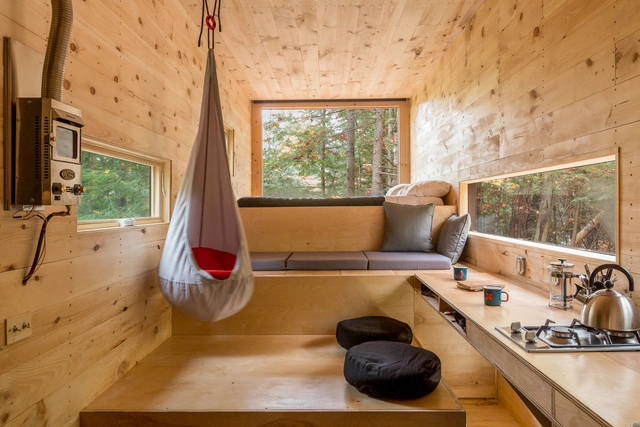
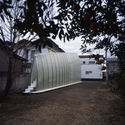
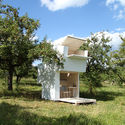
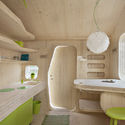
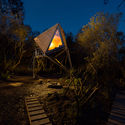
Housing is a fundamental architectural inquiry. How we interact with the spaces we inhabit daily, and the lifestyles we cultivate within them, are constant subjects of debate in the discipline—discussions aimed at achieving a higher quality of life and discovering new ways of living. Beyond this, other contemporary factors—such as real estate speculation, high density in urban centers, the desire for a nomadic lifestyle, or even simply following current trends—have made the discourse around small-scale living increasingly relevant and urgent. Consequently, we must ask ourselves: what is the absolute minimum space we actually need to live?
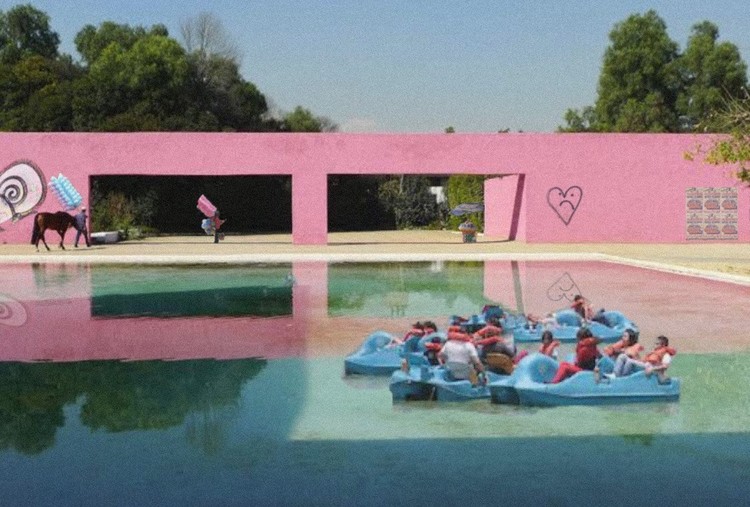
For a long time in Mexico and around the world, the architecture of pioneering Modernist architects like Luis Barragán and Juan O'Gorman, among many others, has been presented as sacred and untouchable to ensure its preservation over time.
The world is changing; it always does, only faster and faster. With it, our profession as architects is also changing, and new market horizons are opening up before us. A new definition of what it means to “be an architect”—one that is both necessary and long-awaited by many—is beginning to take shape, and in this article, I want to help open your eyes so you can join this exciting movement of independent architects.
https://www.archdaily.com/1124194/the-physical-and-digital-future-of-architectsCaterina De La Portilla
As in most cities, modern architecture left behind landmarks that endure today as exemplary icons shaping the urban landscape and defining each city's identity. One such case is the Torres de Marco Fidel Suárez, designed by architect Eduardo Arango and located in the city of Medellín. Architects and researchers Diego Andrés Agámez Berrio and Daniel Muñetón Muñetón have published a study through the Universidad de San Buenaventura and Editorial Bonaventuriana, investigating the architectural and design compositions of this landmark *paisa* project.
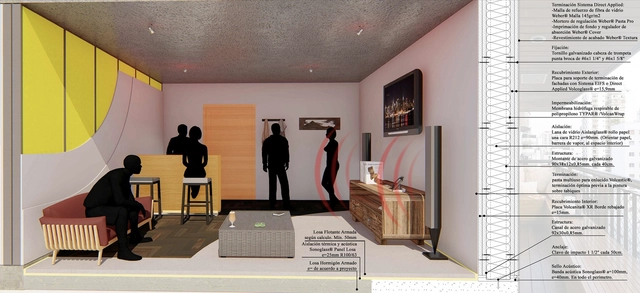
The concern with creating acoustically comfortable environments is not exclusive to concert halls and recording studios. Noise levels generated by various activities can be disruptive, particularly when they occur in our places of rest, potentially even becoming harmful to health.
The latest episode of Arquicast discusses the award-winning and groundbreaking South Korean film Parasite (2019). Director Bong Joon-ho invites us to reflect on the realities and stigmas of a social climate that, despite focusing on a specific culture, is representative of diverse urban contexts, such as those found in South America. Class struggle, after all, is a defining characteristic of modern societies, directly reflected in the spaces they inhabit. In this sense, *Parasite* offers a masterclass on how structural inequalities shape the quality of our built environment.
In 2014, a group of friends from Ciudad Juárez, Chihuahua, driven to contribute to their city's resilience and recovery, came together to dialogue and share ideas for reclaiming streets, plazas, and parks through sociocultural projects and urban interventions in public space. This gave rise to Nómada Laboratorio Urbano. Ciudad Juárez is an industrial city located on the northern border with the United States, directly adjacent to El Paso, Texas. Over the years, Juárez's economy has been dominated by the maquiladora industry; the city was also once considered one of the most violent in the world due to a wave of crime between 2008 and 2012.
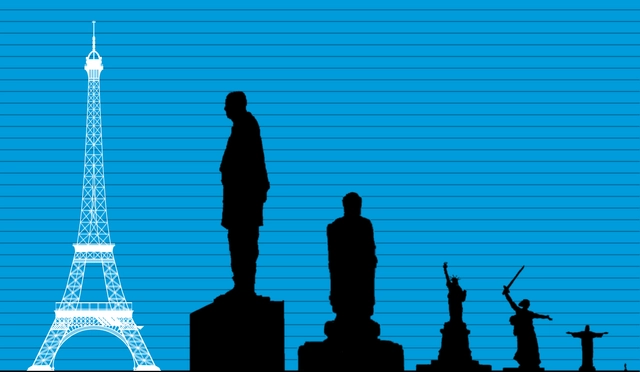
Montage. Sculpture profiles via Wikipedia user: Anna Frodesiak. Licensed under Public Domain CC0 1.0
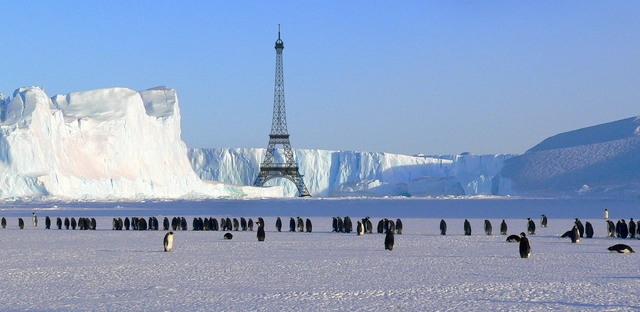
Scattered throughout cities and standing as landmarks in the landscape, what do these statues represent, having driven humanity around the world to pay such singular attention to their size?
Ficciones is a graphic experiment created by the architectural visualization and communication studio Pinxcel. Set in highly diverse backdrops—mostly in the city of Quito, Ecuador—these explorations alter the built environment through digital methods to propose, via a fictional visual narrative, an alternative reading of the city.



_11.44.10.jpg?1595954667&format=webp&width=640&height=580)

_11.44.10.jpg?1595954667)





.jpg?1583109973 "Cortesía de Martin Alalu")
.jpg?1583109981 "Cortesía de Martin Alalu")
.jpg?1583109965 "Cortesía de Martin Alalu")