Podcasts are a relatively recent medium in Brazil, but they are on the rise and growing rapidly in popularity. A survey by the Deezer platform showed that podcast consumption in Brazil grew by 67% in 2019. Far from a passing fad, this format is being used for entertainment, information, and even as a pedagogical resource for educators.
Among the wide variety of topics available, many shows have fostered debates about the environment, especially regarding the Amazon—considered one of humanity's most valuable natural heritages and the largest natural reserve on the planet.
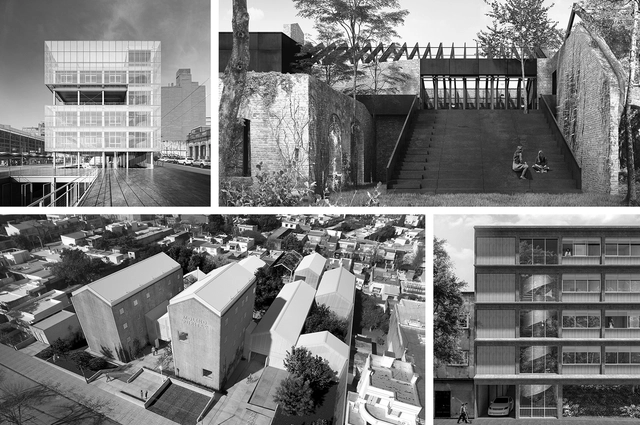
To showcase Uruguay's valuable academic output, we launched an open call inviting readers in the country to submit their final thesis projects.
Out of a total of 65 submissions, the editorial team—comprising Fabian Dejtiar (Managing Editor of ArchDaily en Español); Mónica Arellano (Editor, ArchDaily México); Santiago Baraya (Editor, ArchDaily Colombia); and Belén Maiztegui (Editor, ArchDaily Argentina)—selected six. The highlighted projects are those that addressed specific challenges, their chosen form, and their representation through critical, austere, and efficient thinking. We valued proposals that not only delivered the best possible architecture through a simple design suited to its context, program, and users, but also paid close attention to human scale, mediation, and new ways of approaching architecture in cities.
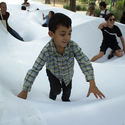
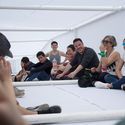
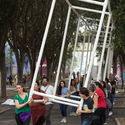
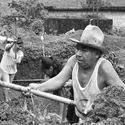
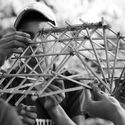
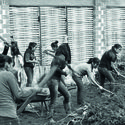
Horizontal Monuments is a participatory intervention carried out at Plaza Juárez in Guadalajara, Mexico. The project began with the construction of a 1:1 scale replica of the obelisk located in the plaza, placed on the ground and shifting its materiality, turning this monument into a malleable and accessible object. This shift sparked a central question: what should be done with it? This question triggered a series of discussions that transformed into actions; students and local community members gathered to give voice and form to the ideas emerging from the transformation of the object. The work was conceived as an educational project to imagine alternative models of monuments capable of addressing the demands and possibilities of specific sites. Its development led to a series of collective actions described below.
https://www.archdaily.com/1123752/horizontal-monuments-a-participatory-intervention-in-guadalajara-mexicoArchDaily Team
Students from the Barcelona School of Architecture are organizing a live-streamed architecture lecture series, featuring both local and international guests, to reflect on quarantine, confinement, freedom, repression, and viruses.
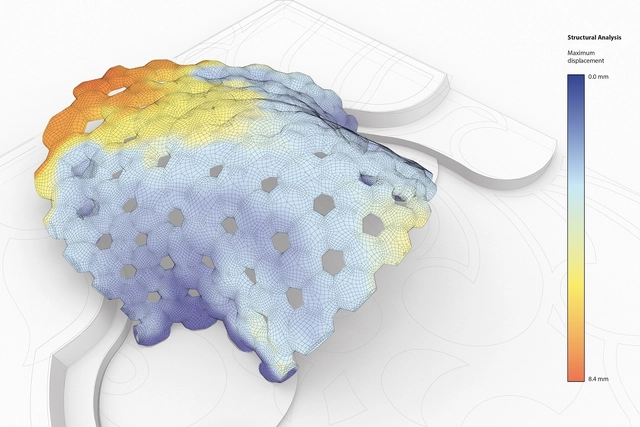
Structural analysis. Image Courtesy of Oliver Krieg
When we think of architectural visualization, sketches, drawings, and 3D renderings usually come to mind. This association is natural, as "visualization" is typically equated with imagining a project before it is built—whether to validate aesthetic and functional decisions or to communicate concepts to clients unfamiliar with technical drawings. However, beyond superficial elements like materials, layouts, textures, and colors, architects must also address highly technical, invisible factors that directly impact a building's performance.
We may still have a long way to go when it comes to addressing the diversity of flora and fauna in urban habitats, yet it is incredible how fast, easy—and even fun—the architecture that makes this possible can be.
In practice, how are we promoting spaces for animals and plants in our cities?
The following article proposes rethinking architecture in social housing in Colombia. Natalia Carrero Rojas and Pablo González delve into the subject as educators and through their practice 57Uno, where they constantly balance high-quality housing with real estate viability.
https://www.archdaily.com/1123726/57uno-strategies-for-the-design-of-sustainable-social-housing-in-colombiaNatalia Carrero Rojas y Pablo González
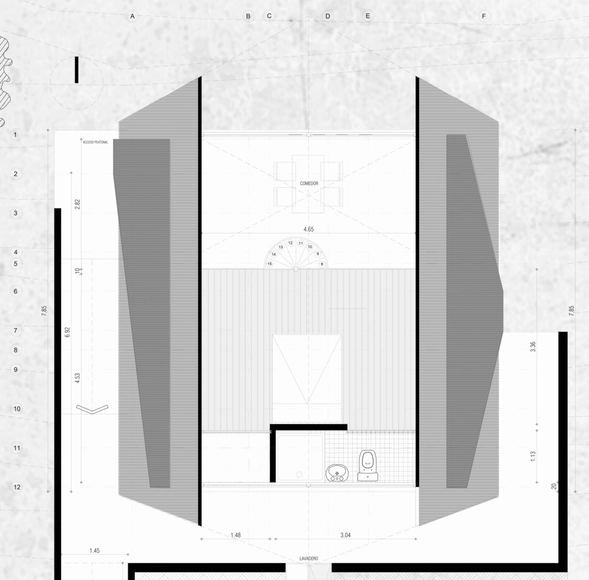
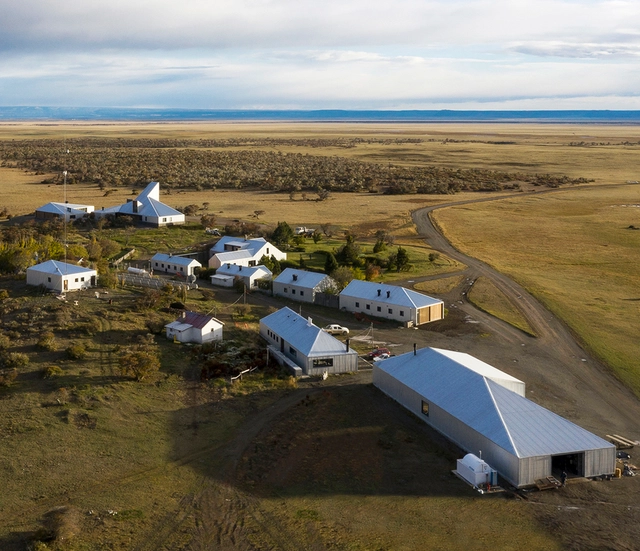
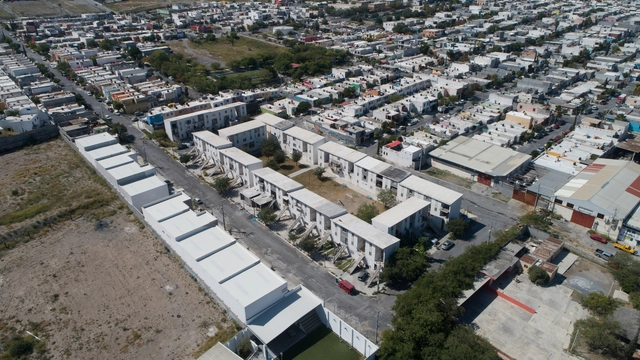
Rural Social Housing Plan / Estación Espacial Arquitectos
Cultural customs may vary infinitely across countries, but family life always brings celebrations and conflicts, regardless of origin. The pandemic has magnified these dynamics, particularly the challenges of sharing the same spaces for extended periods. What is the minimum square footage allowed in Latin American countries? Is this area truly sufficient?
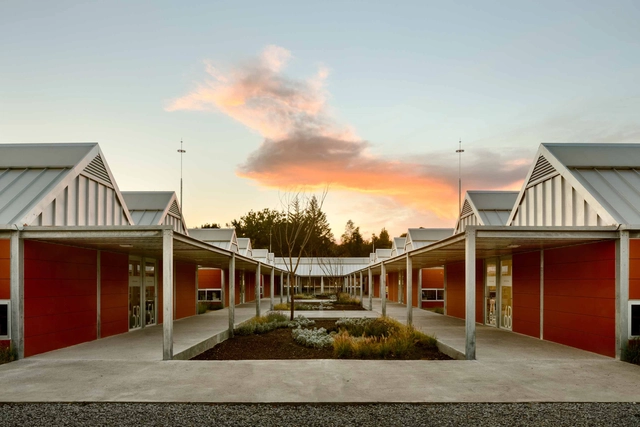
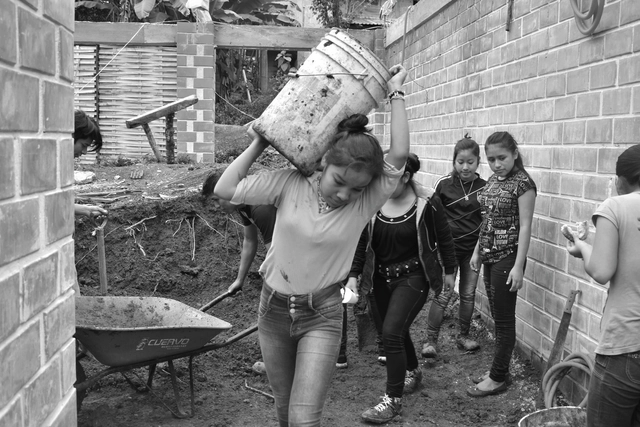
In Latin American countries, the most common method for distinguishing rural areas from urban spaces is based on analyzing the number of residents in a given zone, classifying as "rural" any locality with a population under 2,000. In these contexts, low density and scattered development typically allow the natural landscape to predominate over the built environment.
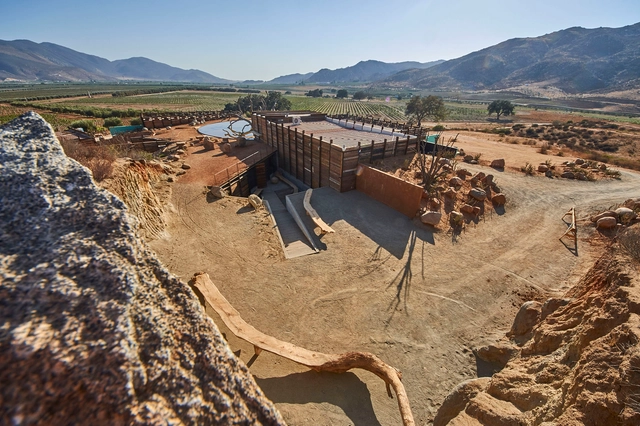
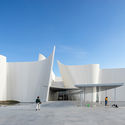
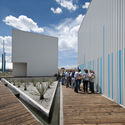
Given its diverse climate and geography, Mexico's wine production has steadily gained recognition in states such as Aguascalientes, Baja California, Baja California Sur, Chihuahua, Coahuila, Durango, Guanajuato, Nuevo León, Puebla, Querétaro, Sonora, and Zacatecas. In these regions, vineyards are increasingly in the spotlight, alongside wine festivals and curated experiences that offer visitors an immersive look into the various stages of production.
The state of Puebla is located in the central highlands of Mexico, bordering the states of Tlaxcala, Hidalgo, Veracruz, Oaxaca, Guerrero, Morelos, and the State of Mexico. Covering an area of 34,251 km², it is one of the country's most densely populated states. Its capital is Puebla de Zaragoza, and it is one of the leading landlocked states for tourism, featuring 9 "Pueblos Mágicos" (Magical Towns) and 3 UNESCO World Heritage Sites.
Roma 212 is a multidisciplinary studio dedicated to architectural design, ephemeral installations, interiors, and urban planning. Its philosophy centers on experimenting with new materials, forms, and processes, aiming to renew and rethink architecture as a cultural catalyst.
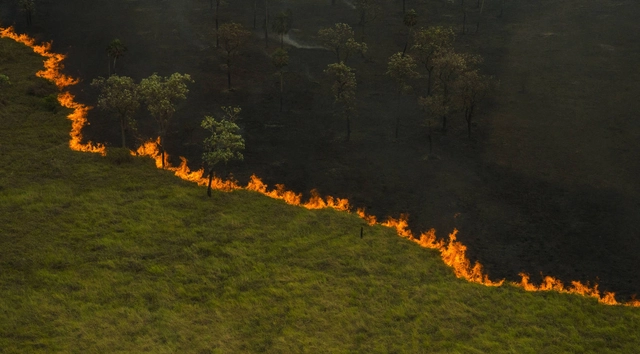
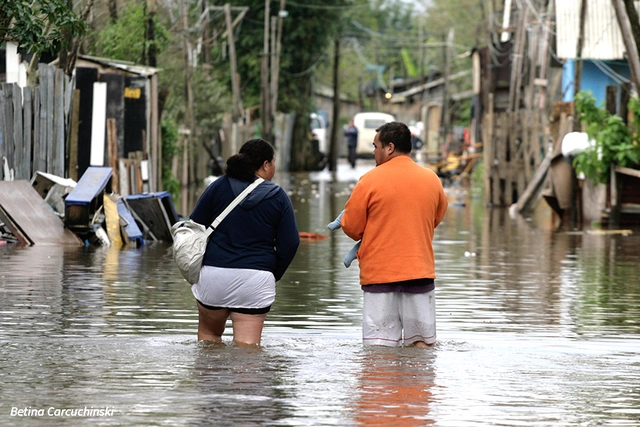
In recent days, a series of reports and articles correctly diagnosed the cause of the recent floods in the state capitals of Belo Horizonte, São Paulo and Porto Alegre, as well as in smaller cities such as Iconha, in Espírito Santo. The primary cause of these disasters was the urbanization of our cities—both planned and unplanned—which amplified the potential damage.
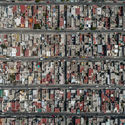
“Where the city ends should not be the question,” Alejandro Aravena has repeatedly stated in various lectures, “where it begins is the question we should try to understand.” In many Latin American countries, the concentration of wealth in urban environments has led to the explosion of cities and “metropolitan areas,” giving rise to complex challenges.
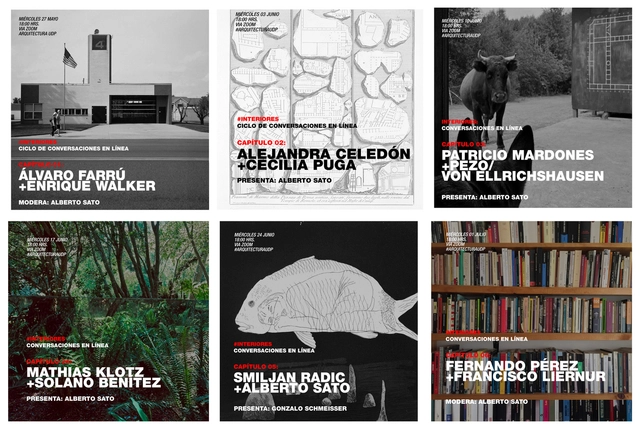
“Interiores: Conversaciones en línea” is the title of the series of virtual encounters organized by the Faculty of Architecture, Art, and Design at Universidad Diego Portales (UDP). In this first season, Professor Alberto Sato hosts meetings between renowned architects, including Álvaro Farrú and Enrique Walker, Alejandra Celedón with Cecilia Puga; Mardones with Pezo von Ellrichshausen; Solano Benítez with Mathias Klotz; Smiljan Radic with Alberto Sato; and Fernando Perez with Francisco Liernur.
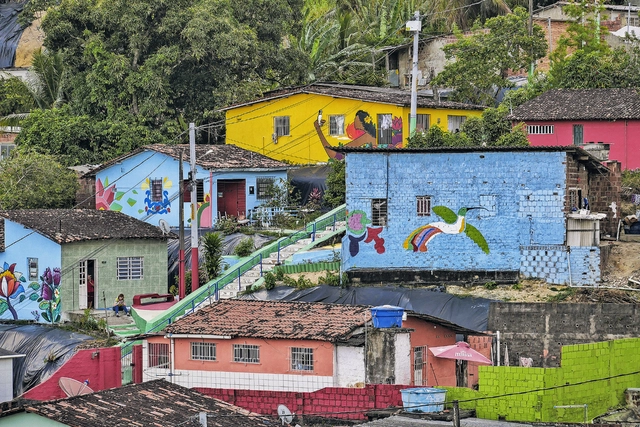
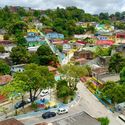
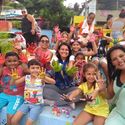
Mais Vida nos Morros is a public policy for citizenship and sustainable development in Recife's communities, conceived by the Executive Secretariat for Urban Innovation of the City of Recife. In partnership with the private sector, the program already serves residents across 49 areas in 27 communities in Recife, directly benefiting 25,000 people. Lagoa Encantada is one of the chapters in this story, shaped by a model of social cooperation.
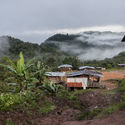
Located in the Ibura neighborhood of Recife, Pernambuco, Lagoa Encantada developed across both flatlands and hillsides. The area's topography directly impacted its urban conditions: while the flatlands enjoyed leisure spaces and infrastructure, the hillside lacked these amenities. This contrast directly influenced how residents interacted with one another and with their territory, serving as the starting point for the intervention process.
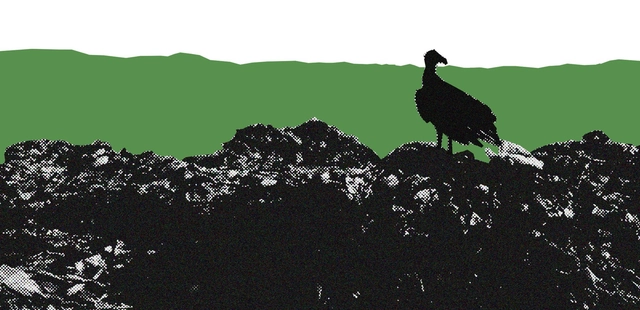
On World Environment Day, we ask you: Do you know where your household "trash" goes? How do cities deal with the tons of materials discarded daily? Should everything you throw "away" be wasted by being sent to landfills?
The coronavirus crisis has shown us that certain attitudes, policies, and practices must be abandoned if we want a different future—both socially and environmentally. However, this responsibility is not solely individual. To discuss the future of waste in cities, we must shed light on the thread of recent history: the formulation of the National Solid Waste Policy (PNRS), approved in 2010, and the challenges of its implementation.
Eric Coufal Impartiendo Dibujo. Aparecen de izq. a der. Alejandro Zohn, Alfonso Jaubert, Carlos Guillermo Orozco, André Bellón, Humberto Macías y Job Henández Dávila. Fotografía: Libro. La fundación de un sueño. Image Cortesía de coolhuntermx
This article is part of a collaboration with the website coolhuntermx, and was originally published under the title "La Bauhaus Tapatía."
"A sort of Bauhaus" is how Mathias Goeritz, in short, tried to convince Italian architect and theorist Alberto Sartoris to come to Mexico. In 1950, through letters, he invited him to teach at the very project that had drawn Goeritz in and excited him so much: the first School of Architecture of Guadalajara, founded in 1948 by Ignacio Díaz Morales.
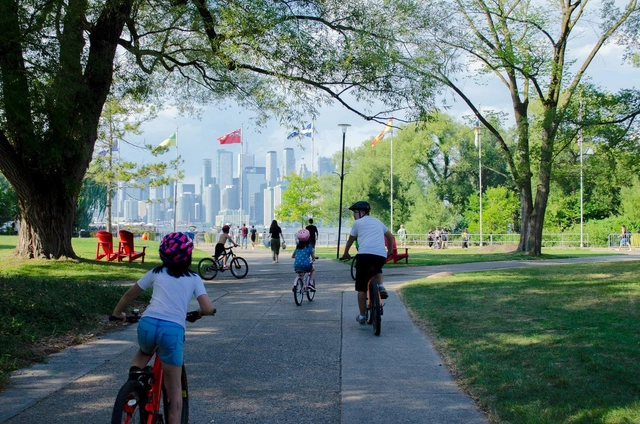
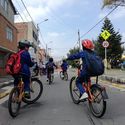
Children are often overlooked or entirely deprioritized in urban planning. Globally, it is estimated that up to 500 children die every day in traffic accidents. Thousands of others are injured in collisions or develop psychological trauma that can last for years. Whether on the streets or in public spaces, feelings of insecurity or discomfort discourage children from physical activity outdoors—at a time when 80% of children between the ages of 11 and 17 are not physically active, and another 38 million under the age of five are overweight or obese.
https://www.archdaily.com/1123822/how-to-design-safer-and-healthier-urban-spaces-for-childrenNikita Luke, Rohit Tak, Ariadne Samios e Claudia Adriazola-Steil
Rarely do we encounter an open-air fine arts museum like the Garden of Fine Arts, designed by Tadao Ando in 1994 for the city of Kyoto, Japan. Reproductions at various scales of renowned masterpieces appear among concrete columns, beams, and walls, along with ramps and glass bridges, interacting with cascading waterfalls and the background vegetation from the adjacent Botanical Gardens.
Pancho Gallardo, the Chilean architectural photographer now based in Madrid, has long admired the Japanese architect's work, particularly for, as he explains, "the use of concrete as an element that creates spaces, textures, angles, and shadows which, above all, in spaces like this open-air museum, establish a direct relationship with sunlight, where every corner becomes a dramatic composition of visual angles."
Below, he shares a series of photographs taken on-site, accompanied by more of his thoughts.
In light of recent statements by the Federal Government and the new programs announced by institutions involved in housing production in Mexico, we believe it is essential to open a dialogue and exchange ideas to better understand the concepts of self-construction, self-production, and the “Social Production and Management of Habitat” [SPMH], as well as the role of architecture in these social processes.
https://www.archdaily.com/1123823/the-role-of-architecture-in-self-construction-self-production-and-assisted-social-housing-productionMariana Ordoñez y Jesica Amescua
As the philosopher Byung-Chul Han states: every age has its signature afflictions. These illnesses have represented some of the most significant challenges in human history, bringing drastic changes not only to the healthcare sector but also to economic and political spheres, revealing humanity as a complex network negotiating its daily existence through actions that have reshaped our ways of living and relating to one another.
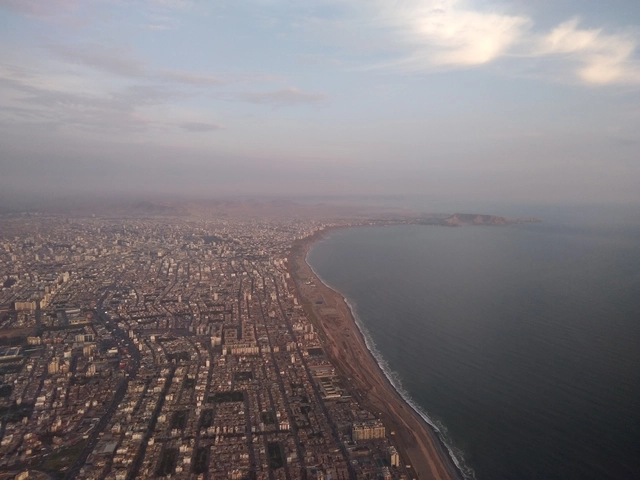
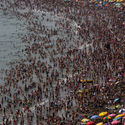
. ¿Cuándo será un gran espacio público? Costa Verde. Lima. . Image Cortesía de Humberto Viccina
After the state of emergency, nothing will return to the way it was. At that point, public and private spaces will routinely be occupied in ways that prevent transmission of a still-active virus. However, just as this situation has forced us to recognize our deficient healthcare system, it has also revealed how inadequate the spaces we inhabit often are.
In 2018, sociologist and cycling activist Marina Harkot defended her master's thesis Bicycles and Women at the University of São Paulo (USP). To develop a qualitative methodology examining the challenges faced by female cyclists in the city, she interviewed various women: those who bike to work, those who explore the city on two wheels, and those who love tackling the capital's rolling topography.
Her methodology succeeded in revealing a common thread among these diverse cyclists: “It is the network surrounding these women that seems to prompt them to start cycling and keep them riding — as well as female role models, the women (whether known to them or not) who ride and inspired them,” wrote the researcher.
.jpg?1600432189 "© Shutterstock")

























_22.43.53.jpg?1597908512&format=webp&width=640&height=580)

_22.43.53.jpg?1597908512)