As part of the 16th edition of the MUTEK Festival, which has been held in Mexico City since 2003, the participation of the 404.zero collective has been announced. This duo of audiovisual architects is dedicated to designing immersive experiences that blend A/V installations with live performances, driven by an uncontrollable fascination with the unknown, the cosmos, and death.
Articles
404.zero: the audiovisual architect duo set to perform at the MUTEK Mexico Festival
https://www.archdaily.com/1119658/40ero-the-audiovisual-architect-duo-set-to-perform-at-the-mutek-mexico-festivalMónica Arellano
12 Built Projects Serving Vulnerable Sectors in Mexico
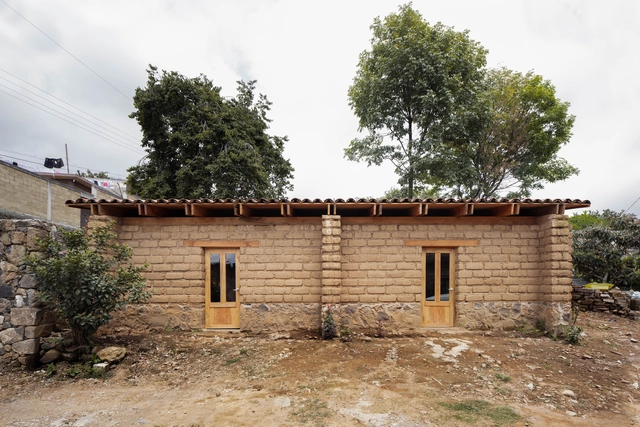
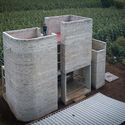
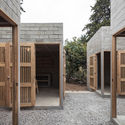
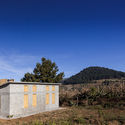

In recent years, architectural production in Mexico has faced a series of extraordinary challenges. Some of these stem from natural disasters that severely shook at least nine states, leaving several areas gravely affected across Mexico City, Puebla, Morelos, Oaxaca, Veracruz, Tlaxcala, Guerrero, and the State of Mexico. However, these events also served as a catalyst, prompting the architectural community to increase its focus—and active involvement—on housing and infrastructure for the most vulnerable sectors of the population.
https://www.archdaily.com/1119680/12-built-projects-serving-vulnerable-sectors-in-mexicoMónica Arellano
Manuel Gallego Jorreto, the architecture of Spain's 2018 National Architecture Prize winner
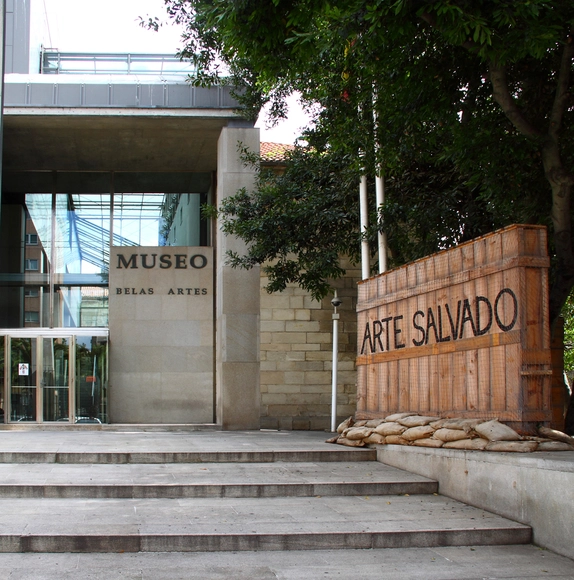
I first encountered Manuel Gallego's work in Valencia, introduced to it by José María Lozano. There, at the school where I was studying, they had organized a symposium on Galician architecture.
https://www.archdaily.com/1119700/manuel-gallego-jorreto-the-architecture-of-spains-2018-national-architecture-prize-winnerRogelio Ruiz Fernández
Buenos Aires with 100% LED street lighting: what can be done from home?

The Government of the City of Buenos Aires recently announced that the capital has become the first in Latin America with 100% LED street lighting.
https://www.archdaily.com/1119560/buenos-aires-with-100-percent-led-street-lighting-what-can-be-done-from-homeFabian Dejtiar
A journey through traditional housing in Spain
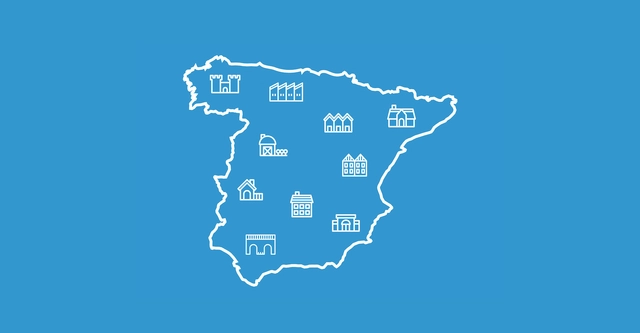
Beyond its vast and diverse geography, the Iberian Peninsula is a map of architectural examples that have successfully adapted by reinterpreting materials, technical methods, and human needs.
In this regard, vernacular architecture in Spain—referring specifically to traditional dwellings—might not be as robust today as in its heyday; nevertheless, numerous examples still stand, some even continuing to serve as viable living spaces.
Below is a selection of the most representative traditional houses across Spain's diverse regions, offering a journey through the territory to inspire new architectural perspectives.
https://www.archdaily.com/1119553/a-journey-through-traditional-housing-in-spainBorja Fernández
Defending heritage from the classroom: History and contemporaneity of modern architecture in Misiones
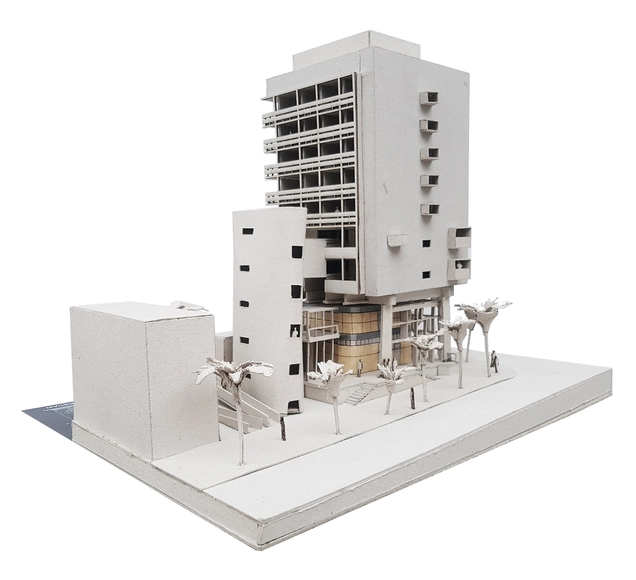
We often think of heritage as a collection of valuable assets inherited by an individual or a group. While we sometimes identify fully with its meaning and the legacy passed down to us, we all too often squander its benefits.
https://www.archdaily.com/1119581/defending-heritage-from-the-classroom-history-and-contemporaneity-of-modern-architecture-in-misionesElías Barczuk Pasamán
Go Hasegawa presents the 'Flying Carpet' pavilion in the gardens of Luis Barragán
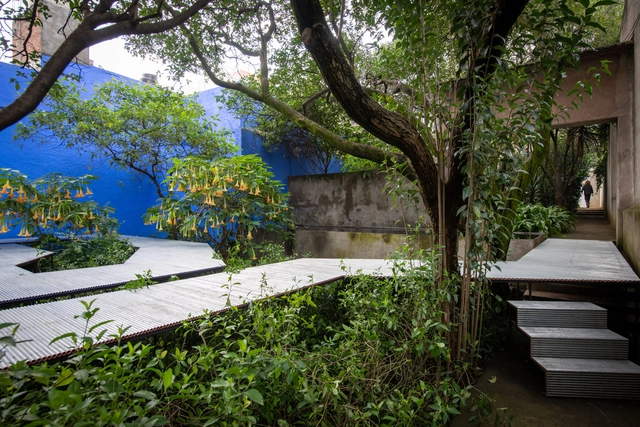


As part of the cultural program of Jardín 17 –a space designed by Luis Barragán as an extension of his House-Studio that for 20 years has hosted various universities from around the world to present major design and architecture exhibitions–, Japanese architect Go Hasegawa presents 'Flying Carpet,' a pavilion suspended in a corridor amidst the vegetation originally planted by Luis Barragán and later intervened by Mexican architect Alberto Kalach.
https://www.archdaily.com/1119579/go-hasegawa-presents-the-flying-carpet-pavilion-in-the-gardens-of-luis-barraganMónica Arellano
Discover Ricardo Casas' 'Bloques Kali' collection for Firenze
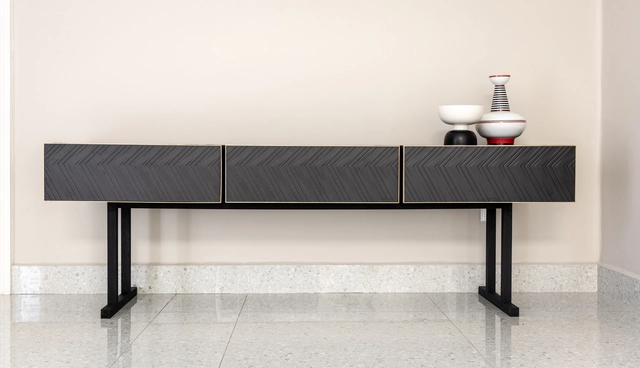
On August 8, as part of Expo Arte-Objeto—an exhibition commemorating the 60th anniversary of Llano de la Torre— Firenze invited architect Ricardo Casas to reinterpret the use of porcelain tiles with playful, exclusive designs.
https://www.archdaily.com/1119554/discover-ricardo-casas-bloques-kali-collection-for-firenzeMónica Arellano
Barcelona: Mobility Challenges in the Era of Superblocks
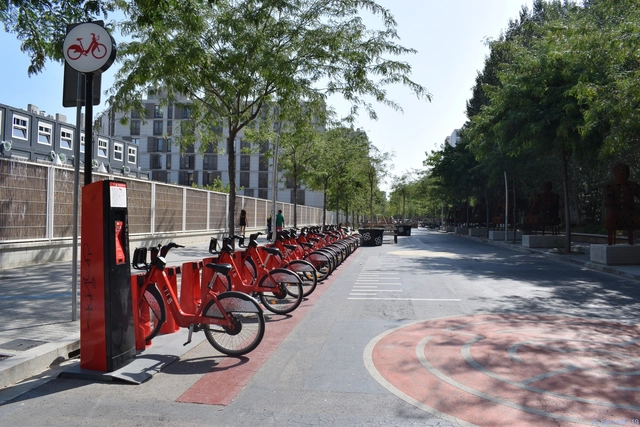
CityMakers is working with ArchDaily to publish a series of articles, conversations, and interviews with the different actors in the co-production of cities behind the Barcelona CityMakers Lab 2019, an event taking place from October 14 to 20.
On this occasion, we feature Salvador Rueda, director of the Urban Ecology Agency of Barcelona, who will give a Masterclass at the Barcelona CityMakers Lab 2019, addressing the challenges of implementing Barcelona's Sustainable Urban Mobility Plan based on "Superblocks".
https://www.archdaily.com/1119532/barcelona-mobility-challenges-in-the-era-of-superblocksFabian Dejtiar
Cholet: Watch the full documentary on Freddy Mamani's work here
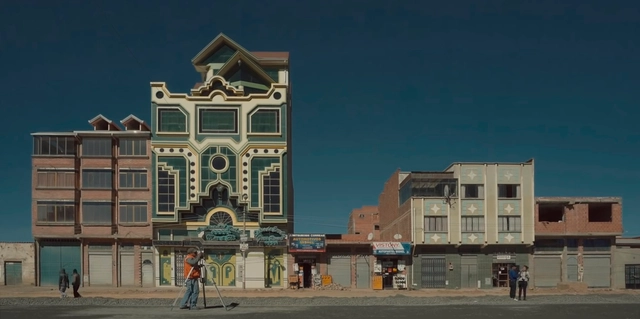
Directed by Isaac Niemand, the documentary Cholet: The Work of Freddy Mamani explores the architectural phenomenon of the self-taught Bolivian architect, who was chosen by ArchDaily as "one of the leaders who inspired us" in 2015.
https://www.archdaily.com/1119533/cholet-watch-the-full-documentary-on-freddy-mamanis-work-hereFabian Dejtiar
Happy Holidays! Holiday Cards from Architects Around the World

Dear readers, with your invaluable companionship, 2019 has flown by here at ArchDaily. Throughout the year, we have continued our daily mission of sharing and celebrating global architecture; along the way, we have grown, earned the recognition of architects, and enjoyed the unwavering support of our readers. Having received heartwarming holiday wishes from hundreds of design practices around the globe, we are excited to share their creative holiday cards with you here!
https://www.archdaily.com/1068599/happy-holidays-holiday-cards-from-architects-around-the-world韩爽 - HAN Shuang
How much does a metro line cost?
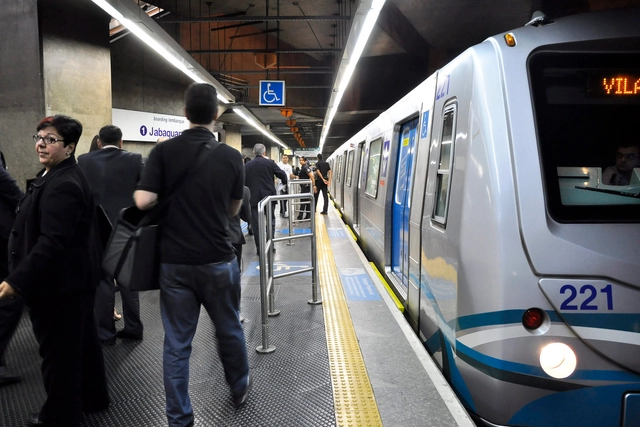
“How much does a subway line cost?” is a question frequently asked when discussing high-capacity rapid transit solutions for Brazilian cities. However, the cost of implementing rail projects varies enormously across different global geographies.
For example, a rail line in New York costs about twenty times more per kilometer than one in Seoul, reaching a budget of $6.4 billion for a segment of just 2.6 kilometers in the second phase of the Second Avenue Subway in northern Manhattan. Geographical factors, or even the high built density of the American metropolis, are insufficient to explain such a massive disparity in construction costs.





https://www.archdaily.com/1128543/how-much-does-a-metro-line-costAnthony Ling
Gehl: Ecology at the Center of Chile
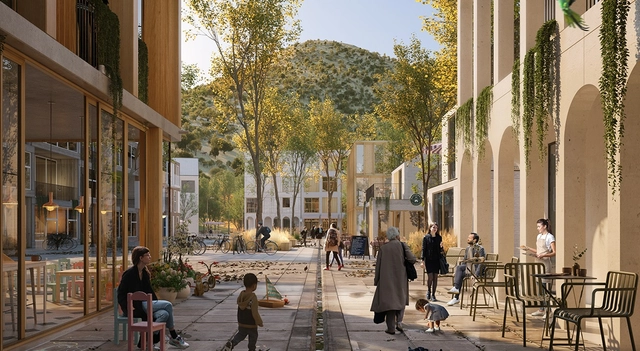
The following publication by Gehl titled 'Masterplan Framework with ecology at its heart' is an interesting case study in Huechuraba, Chile. In it, the team consisting of David Sim, Esben Neander Kristensen, Alexander Spitzer, and Tamara Kalantajevska showcase their work in the region through the creation of a specific framework for an urban master plan that puts ecology at its heart:
https://www.archdaily.com/1128544/gehl-ecology-at-the-center-of-chileFabian Dejtiar
GRAPHISOFT and its ecosystem of integrated solutions

Choosing high-performance BIM software is key to developing efficient projects by automating tasks that traditionally consumed time in conventional design workflows—such as documentation, calculations, analyses, and other repetitive processes.
https://www.archdaily.com/1128564/graphisoft-and-its-ecosystem-of-integrated-solutionsRene Submissions
COVID and the City, in Brazil and Brasília
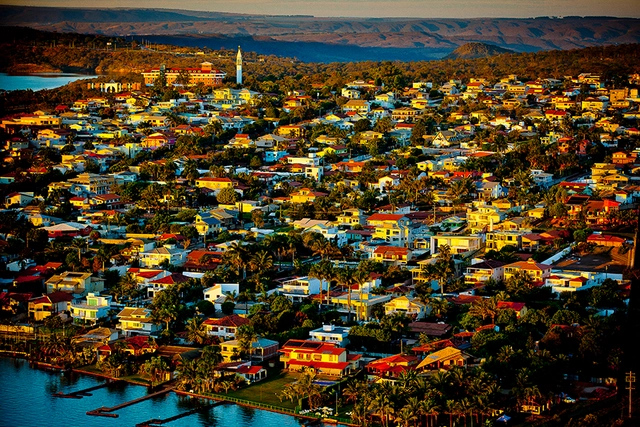
At the time of writing this article, Brazil is facing the most severe humanitarian crisis in its history—not merely a “health crisis,” as is commonly described. By April 30, 2021, the COVID-19 pandemic had claimed 411,854 lives in the country, and only in recent days has the moving average of deaths begun to cool down once again—after reaching a peak of 3,125 in April.
Epidemiologists, microbiologists, and infectious disease specialists note that the impact of the pandemic on Brazilian cities is highly idiosyncratic: each has unique conditions to consider before we can attempt any generalizations. Furthermore, underreporting is estimated to be high (with actual cases potentially being ten times higher), a figure that also varies from city to city. Nevertheless, with these caveats in mind, what does the overall picture reveal?
https://www.archdaily.com/1128565/covid-and-the-city-in-brazil-and-brasiliaFrederico Holanda
Shanghai & Beijing Jobs | CLOU Architects: Senior Architect, Senior Interior Designer, Senior Business Development, VFX Artist

CLOU architects is an award-winning international design studio specializing in architecture, interiors, and landscape design. CLOU's diverse design team is comprised of approximately 65 creative talents from around the world.
https://www.archdaily.com/1128551/shanghai-and-beijing-jobs-clou-architects-senior-architect-senior-interior-designer-senior-business-development-vfx-artistMilly Mo
Serious Question: How to design healthy interior spaces?

How do we design spaces that are healthy for both our minds and our bodies? That is the core question we will address this March by exploring our monthly theme, “Well-Being in Interior Spaces.”
https://www.archdaily.com/1128552/serious-question-how-to-design-healthy-interior-spacesFabian Dejtiar
Barcelona: Turning pedestrians into citizens (Some current urban planning concepts in the post-pandemic city)
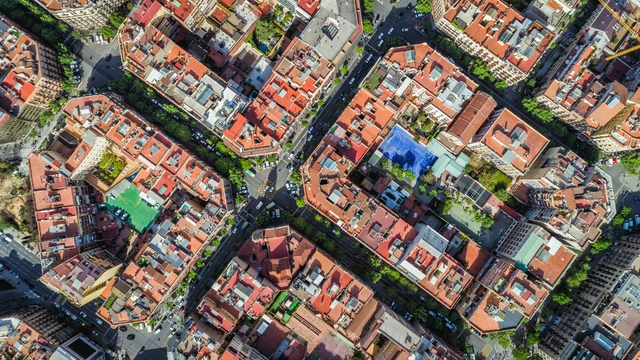
ArchDaily is working with CityMakers to publish a series of articles, conversations, and interviews with the various actors in urban co-production behind the Barcelona CityMakers Lab 2021, an event taking place from November 8 to 12.
https://www.archdaily.com/1128556/barcelona-turning-pedestrians-into-citizens-some-current-urban-planning-concepts-in-the-post-pandemic-cityCamilo Osorio
Albañilas: The Short Documentary Portraying the Work of Women in Construction
_12.59.20.jpg?1623089088&format=webp&width=640&height=580)
"Albañilas, construyendo sin patrones" (Women Masons, Building Without Bosses) is a short documentary released on May 5, 2021, produced by the Front of Organizations in Struggle #FOL. Active in more than ten Argentine provinces, the film gathers the deeply personal testimonies of Brenda, Natalia, Claudia, Isabel, Nora, Ana, and Moni, who share how they took up the bricklaying trade to construct the #FOL community hall.
https://www.archdaily.com/1128559/albanilas-the-short-documentary-portraying-the-work-of-women-in-constructionMónica Arellano
Public, private spaces, and technological utopias: how has the pandemic affected non-designers?





Around the world, both architects and designers are speculating on post-COVID spaces, offering diverse proposals championed by the utopia of advanced technology and Wi-Fi for all, alongside genuine concerns: How can we design spaces that require no physical contact? Will this mean the end of coliving or coworking spaces? How do we design for isolation? But what is happening in Mexico, considering that more than 56% of the population works in the informal economy and there is a digital divide leaving over 40% of residents without an internet connection?

https://www.archdaily.com/1128545/public-private-spaces-and-technological-utopias-how-has-the-pandemic-affected-non-designersPunto Periferia
Gathering Spaces: When Gastronomy Meets Lighting Design
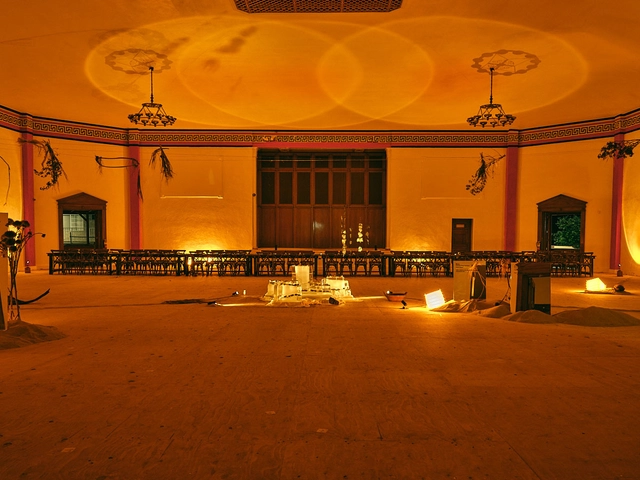
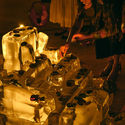




As part of a collaborative project created by creative women, "Ostras & Burbujas" emerged—an event that took place on August 28 at Cucina, Mexico City. This event was conceived around the idea of creating an immersive space that plays with visual perception, featuring lighting design and control by Paola Jose, founder of SOMBRA, powered by Lutron - Ketra technology. By altering the atmosphere through light, this was paired with a culinary experience led by chef Montserrat Garza, who brought together taste, smell, and touch through a multi-course dinner paired by Cavanegra Natural Wine Club.
https://www.archdaily.com/1128547/gathering-spaces-when-gastronomy-meets-lighting-designMónica Arellano
10 Ephemeral Installations Intervene in Historic Courtyards in Puebla, Mexico
.jpg?1635378996&format=webp&width=640&height=580)
.jpg?1635378835 "\"Woven Memorial\". Image © Amy Bello")
.jpg?1635378789 "\"Introspection\". Image © Amy Bello")
.jpg?1635379152 "\"Witnesses\". Image © Amy Bello")
.jpg?1635378688 "\"You Are Sweetcolor\". Image © Karen Elizabeth Robles Gamiño")
.jpg?1635378996)
The city of Puebla—located in Mexico's central highlands—is particularly known for its street layout and predominantly Baroque architecture. A UNESCO World Heritage Site since 1987, it hosts a broad cultural dynamic centered on preserving its built heritage and appreciating it from a distance, as if it were a museum piece. Consequently, on our daily commutes we notice the monumentality of its facades, while often failing to realize that behind the massive wooden doors lies what we call “the heart of the Poblan home.”
https://www.archdaily.com/1128566/10-ephemeral-installations-intervene-in-historic-courtyards-in-puebla-mexicoMónica Arellano
Understanding the Fair Cycle: Commercial Stand Design in the La Floresta Neighborhood, Quito
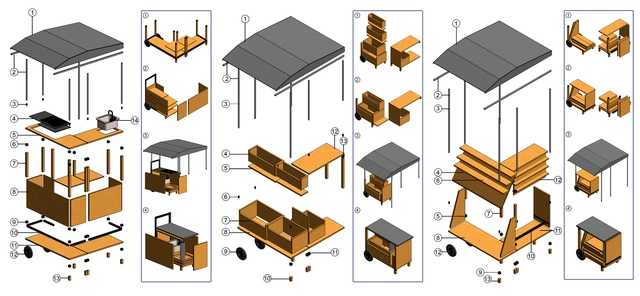
Pablo Salazar shares his research project titled "Commercial Stand Design in the La Floresta Neighborhood, Quito, Ecuador." The study addresses key issues such as the urban-scale environmental footprint of this activity, solar radiation, wind, and heliographic analysis, alongside the design and material specifications of four commercial stand models.
https://www.archdaily.com/1128541/understanding-the-fair-cycle-commercial-stand-design-in-the-la-floresta-neighborhood-quitoPablo Salazar
Hiring This Week | Atelier Tao+C, ARIZON Design

This week, we feature job openings at two Shanghai-based design firms: ARIZON Design and atelier tao+c. Specializing in different scales and themes, both practices are active across various architectural sectors and are looking to recruit like-minded architects to join their teams.
https://www.archdaily.com/1128540/hiring-this-week-atelier-tao-plus-c-arizon-designJojoJi