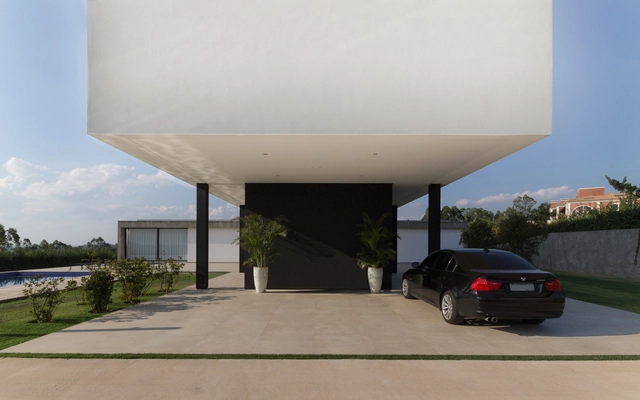
In architectural discourse, much is discussed regarding the influence of the site where a building is situated, whether through the incorporation of surrounding elements during the design process, or through the negation or overcoming of its undesirable characteristics. Some situations make this negotiation more evident than others, especially when the natural environment is dominant. In these cases, one constantly observes the tension between natural preexistence and human intervention, as well as the possible ways to achieve harmony between the two.
Once subjugated by outlaw armed groups and devastated by the largest urban military operation in Colombia's history, the Las Independencias neighborhood, located in Medellín's Comuna 13, is today an open-air graffiti gallery of sorts, accessed via a system of electric escalators—the only ones in the world built in an informal settlement.
Eletrodutos para distribuição da rede elétrica aparente. Aplicação de papel de parede. Projeto: Apartamento 203. Image Cortesia de Apartamento 203
Also known as "dry construction," this concept is increasingly used in interior renovations. These simple solutions transform the essence of indoor spaces in a more economical and sustainable way by minimizing construction waste and, consequently, reducing the waste of money, time, and raw materials. In this guide, we have gathered 8 tips to help you design more mindful interior renovations.
Today, computer-aided design (CAD) is the most widely used system for producing technical drawings among construction professionals and academics. It became popular through AutoCAD (Autodesk) by representing geometries that translated design intent into two dimensions. Released in the 1980s, it remains highly relevant and is still used by large corporations, extending its utility through the tradition it has built over four decades in the market.
Since the 1970s, architecture has sought connections with other fields of art, looking for inspiration to break with the paradigms of the time in sculpture and painting, as well as in music and literature. In schools and professional practice, architectural projects were developed based on the study of "paintings by Vermeer, as well as those of the Cubists, the music of Bach, as well as Meredith Monk, literary fragments by Heraclitus, as well as Herman Melville's Moby-Dick and James Joyce's Finnegans Wake."[1]
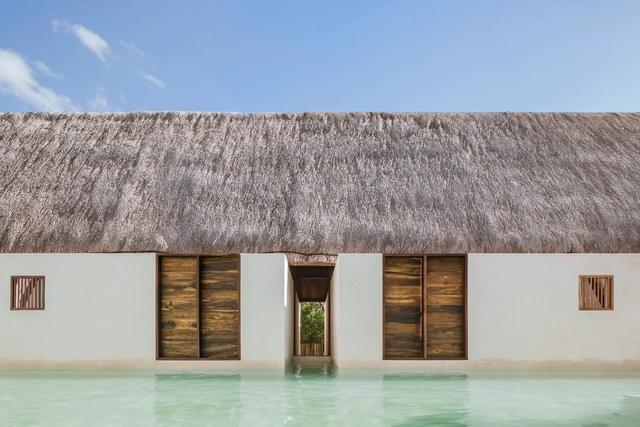
Much like stone, wood, and other natural materials, straw and thatch have been used as building resources since the dawn of human history. However, with the advent of new technologies like concrete, and the concept of *Progress* driven by the Industrial Revolution—and subsequently by the rise of steel—many traditional materials fell out of favor, widely replaced by modern alternatives.
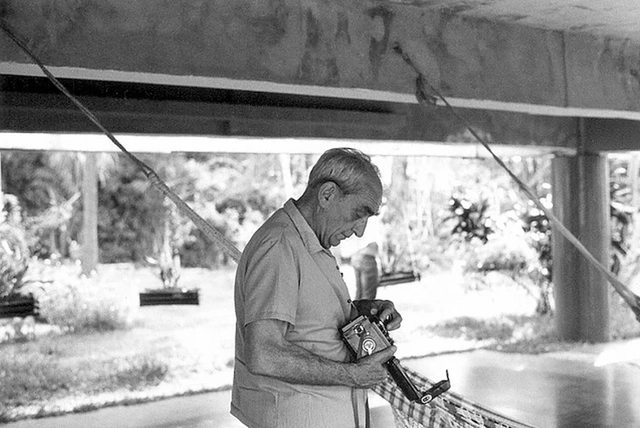
Flávio de Carvalho, publicity photo. Image via Arquivo.Arq
Flávio de Carvalho was a modern Brazilian architect recognized worldwide for his innovative and provocative way of showcasing his worldview through art. Discover some of his artistic expressions below.
Marking the centennial of its founding, Arquicast #72 discusses the Bauhaus School and its influence on shaping a generation of architects, as well as its impact on the structuring of architectural and urban planning education in various programs worldwide. We invited architect Caio Dias, from Portal Projetar, and architect and ArchDaily editor Romullo Barato for an informal yet informative conversation that delves into the history of the school, its founders, and the broader context that continuously shaped the institution's trajectory.
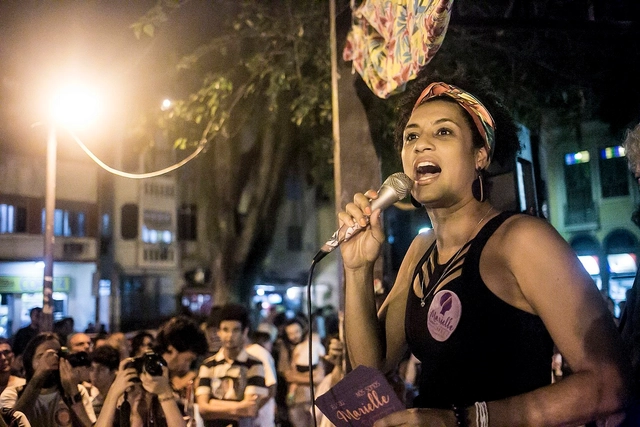
Today marks one year since the brutal assassination of Rio de Janeiro sociologist and city councilwoman Marielle Franco. The week before her death, Marielle took part in a series of debates organized by CAU/RJ called "Architecture - Feminine Noun," aimed at strengthening mobilizations for International Women's Day.
https://www.archdaily.com/1122060/watch-marielle-franco-in-the-debate-architecture-feminine-nounPedro Vada
The “De-whitening the City” Podcast is a space invented from the desire of five Black women residing in Salvador, São Paulo, Rio de Janeiro, and Belo Horizonte to circumvent geographic distance in order to foster and celebrate connection. Emmily Leandro, Gabriela Gaia, Luciana Mayrink, Malu de Barros, and Natalia Alves make up the Terra Preta collective, giving shape and voice to this exercise in creating a shared virtual territory—both a political and aesthetic commitment—now made public for the first time.
https://www.archdaily.com/1122076/de-whitening-the-cityTerra Preta Cidade
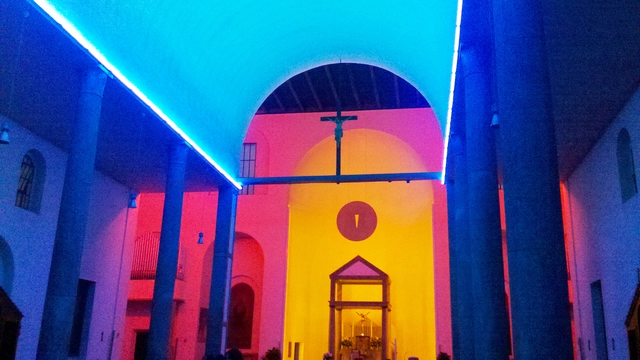
Santa Maria Annunciata in Chiesa Rossa. Photo by Andrea Pavanello/Creative Commons
Daniel Flavin was a key figure of the minimalist art movement of the 1960s and 1970s in the United States. The term was first coined by philosopher Richard Wollheim in his 1965 essay “Minimal Art” to categorize works that, like Duchamp's ready-mades, did not seek to represent an external reality; instead, the exhibited object was to be understood as a work in its own right, and the viewer's experience was not meant to rely on external associations.
Few historical events have been as pivotal to the history of architecture and urbanism as the Industrial Revolution. To accommodate the productive framework that transformed capitalism starting in the 18th century, an entire spatial system was created. Beyond factories, this network included raw material processing plants, power generation and distribution hubs, warehouses, and transport terminals. In urban terms, this process did not merely allocate large swaths of land to industrial activities; it triggered a multisystemic transformation that reshaped how people lived, occupied, and moved within the urban environment.
https://www.archdaily.com/1122136/de-industrial-architecture-8-projects-that-redefine-the-space-of-the-machineIsabel Martin
Tamboré. Image Cortesia de Leonardo Loyolla Coelho
The formal configuration of open space systems in Brazilian cities—whether qualified or not—derives a significant contribution from private developments, since public urban planning and design have historically been the exception.
Architecture, as construction, has many ways to express itself. Ideas can be conveyed through programmatic organization and the materials used; we can communicate through the rhythm of facades and openings; and we can deliver a message through the transparency or opacity of the volumes and surfaces we design. We can also express ourselves through structure and its arrangement—and this is perhaps the facet of architecture we most eagerly seek to explore.
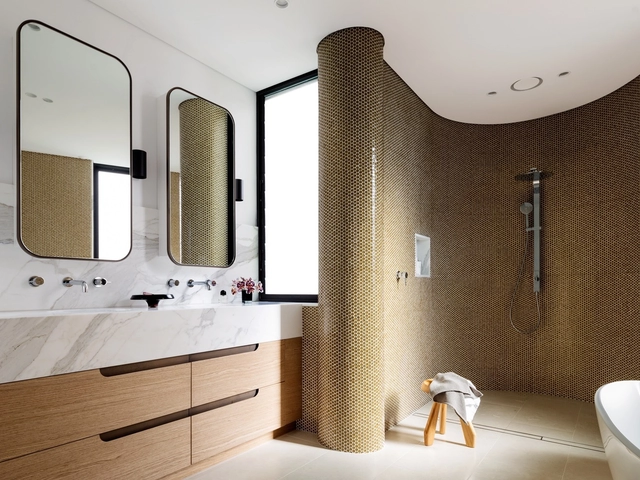
Because bathrooms are wet areas with highly specific uses, choosing floor and wall finishes can often feel daunting. In this guide, we round up some of the most widely used materials, outlining their advantages and disadvantages.
From revitalizing degraded green spaces to hosting collaborative games, events, and workshops, there are numerous volunteer initiatives capable of transforming a city's landscape and the lives of its residents.
In addition to serving as vital forms of social participation, community collectives and volunteer-driven initiatives facilitate dialogue between public authorities and local communities. This collaboration yields numerous benefits, particularly in reshaping how we interact with our cities.
International Expositions originated in the nineteenth century, when London (1851) hosted the Great Exhibition of the Works of Industry of All Nations. This event gathered manufactured goods from various countries to showcase technological—and later, industrial—advancements, marking a moment of convergence and shared initiatives from around the globe.
Acervo do grupo de pesquisa Pioneiros da Habitação Social. Image Cortesia de PC3 - Pensamento Crítico e Cidade Contemporânea
After studying civil engineering at the Escola de Minas de Ouro Preto, Carlos Frederico Ferreira returned to his native city of Rio de Janeiro and enrolled in the Escola Nacional de Belas Artes, graduating in architecture in 1935. In 1939, he was hired by the IAPI as an engineer-architect and soon rose to the position of head of the institute's Engineering Department. By 1943, having overseen the partial completion of the first major housing development, the Conjunto Residencial Operário in Realengo, he was able to begin expanding the model to other locations. The designs for Vila Guiomar in Santo André and Piratininga in Osasco, as well as the apartment building and IAPI Regional Office headquarters in Recife—all designed by him—demonstrate how, through his position, he sought to shape the direction of the institute's future developments.
https://www.archdaily.com/1121836/collective-housing-notebooks-vila-guiomar-housing-complexPC3 - Pensamento Crítico e Cidade Contemporânea
Housing for the low-income urban population is a central concern for contemporary Brazilian policymakers and urbanists. Over the last few decades, by focusing on building social housing complexes in peripheral areas lacking transit and sanitation infrastructure, the state has actively contributed to worsening the problem.
https://www.archdaily.com/1121851/criminalized-in-brazil-the-downtown-homeless-movement-is-featured-at-the-chicago-biennialMarisa Moreira Salles e Tomas Alvim
Last week, we announced the 15 finalists for the 2019 Obra do Ano, an award celebrating the best of Lusophone architecture by inviting our readers to vote for their favorite projects built in Portuguese-speaking countries. Today, we reveal the winners of ODA19.
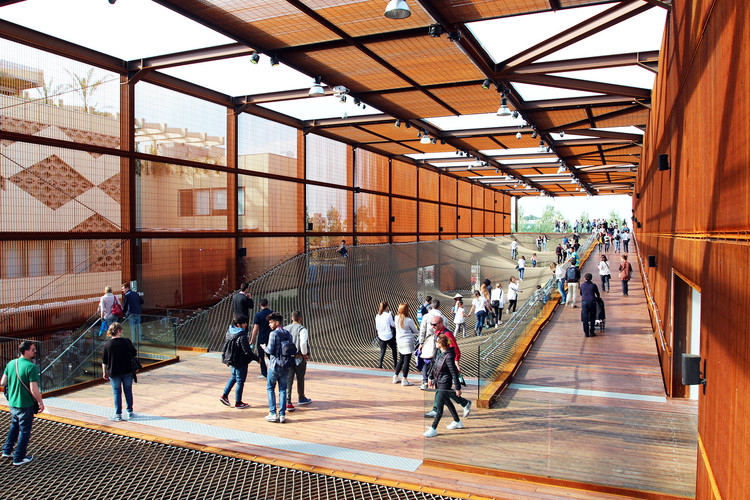
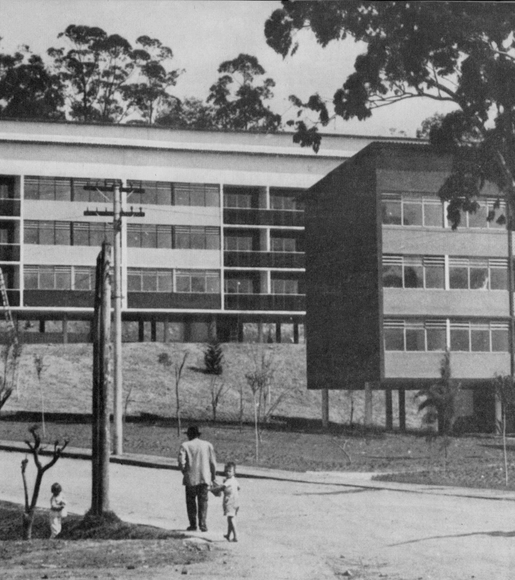
This year, three Brazilian projects received the most votes. In addition to showcasing architectural diversity, they exemplify the public impact that architecture should deliver. Meet the three winners below!
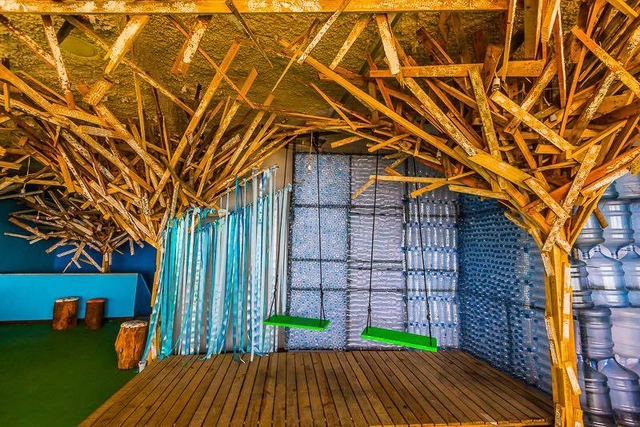
The global need to find more sustainable ways to meet new demands is one of the most compelling catalysts for the reuse of materials or structures in contemporary architecture. In the field of scenography, repurposing materials to construct stage sets has long been a reality. Professional practice in this field deals with the representation of a scene, using temporary elements designed to stimulate the spectator's imagination. In this context, the work of scenographer Renata Mota has paired repurposing with the reuse of materials—either discarded or donated—that have lost their original function, using them to craft sets for performances, exhibitions, and other events.
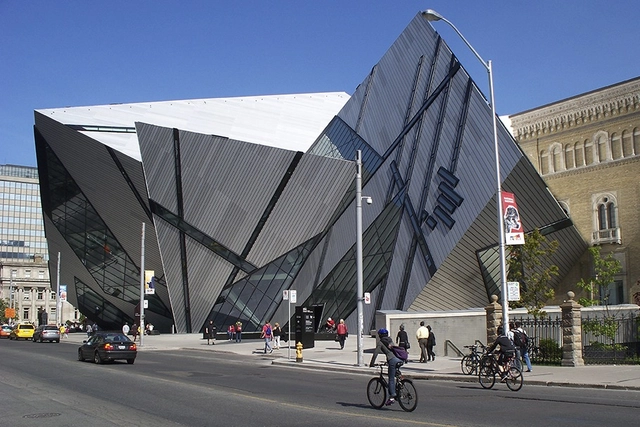
Deconstructivist architecture by Daniel Libeskind. Royal Ontario Museum, Toronto, Canada. Image: Alexandre Kozoubsky/Flickr
Modernism has ceased to exist as a movement in architecture and urbanism since at least the 1980s. In architecture, movements such as Japanese Metabolism and deconstructivism helped to move past the remnants of modern architecture. In urban planning, figures like Jane Jacobs and Christopher Alexander, as early as the 1960s, helped bury the premises of modern urbanism.
https://www.archdaily.com/1121820/after-all-why-do-we-still-talk-about-modernismPaulo Sa Vale
In recent years, we have witnessed a steady increase in the number of registered architects and urban planners across professional regulatory bodies. Within this significant pool, young architects and urban planners—meaning professionals up to 40 years old—represent a substantial share and hold a strong presence in the market. Against this backdrop, we have followed the creation of awards dedicated specifically to this demographic, and, most notably, their active participation in biennials and triennials—events aimed at driving discussions on the future of architecture.
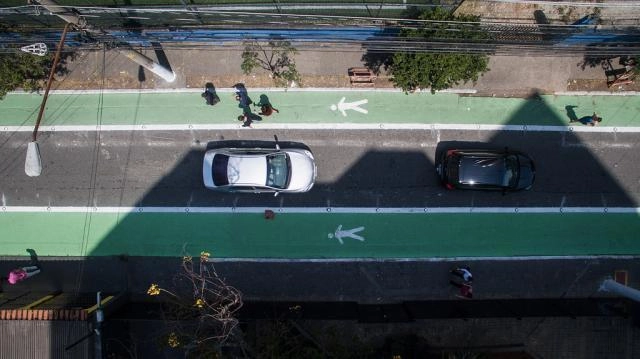
Joel Carlos Borges Street, in São Paulo. Photo: Pedro Mascaro/WRI Brasil
The latest Global Status Report on Road Safety from the World Health Organization (WHO) showed that over the last 15 years, the traffic mortality rate has remained stable relative to the world's population. While the fact that these numbers have not increased might sound positive, it is important to remember that this still represents the death of 1.35 million people annually, alongside 50 million injuries.
https://www.archdaily.com/1121788/traffic-deaths-are-not-decreasing-complete-streets-can-helpWRI Brasil
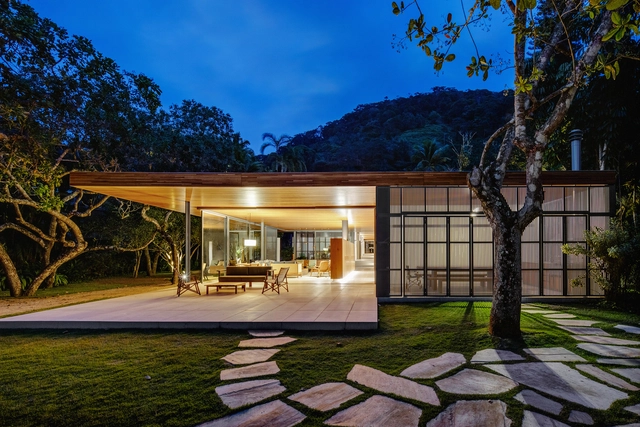
.jpg?1562845563 "House in Prumirim Beach / brro arquitetos. Image: © André Scarpa")




.jpg?1562087791&format=webp&width=640&height=580)
.jpg?1561993576 "Aplicação de revestimento sobre revestimento. DEPOIS da Reforma de Banheiro em parceria com a Leroy Merlin Brasil. Projeto: Apartamento 203. Image Cortesia de Apartamento 203")
.jpg?1561992294 "Aplicação de papel de parede. Elétrica projeta com distribuição da rede elétrica aparente. Projeto: Apartamento 203. Image Cortesia de Apartamento 203")
.jpg?1561992738 "DEPOIS da Reforma de Banheiro em parceria com a Leroy Merlin Brasil. Projeto: Apartamento 203. Image Cortesia de Apartamento 203")

.jpg?1562087791)





.jpg?1571160713&format=webp&width=640&height=580)