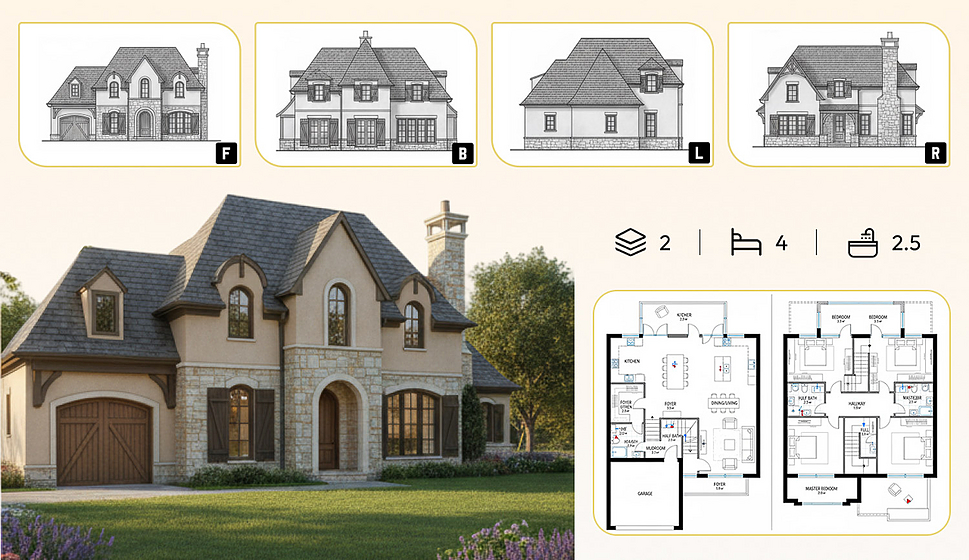
This guide covers a workflow that moves from project parameters to generated floor plans, 3D perspective views, exterior design exploration, and site context visualization, using AI tools in place of preliminary CAD and rendering work.
This guide covers a workflow that moves from project parameters to generated floor plans, 3D perspective views, exterior design exploration, and site context visualization, using AI tools in place of preliminary CAD and rendering work.
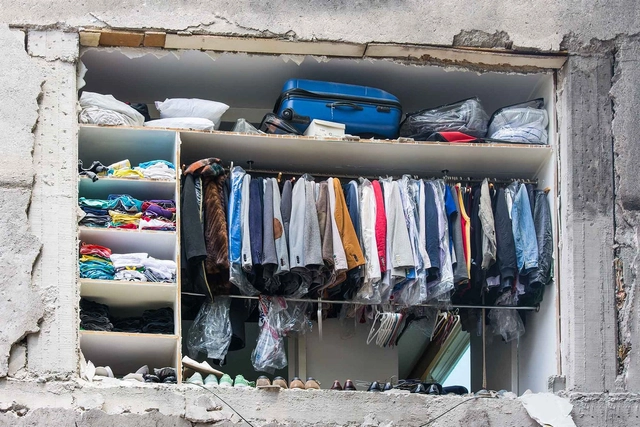
In Latin America, the concept of emergency architecture refers to spaces that serve as temporary shelter in the face of adverse circumstances, such as earthquakes, floods, and migration. Various countries, including Mexico, Chile, Colombia, Ecuador, Uruguay, and Panama, have faced events that required redefining emergency housing according to each nation's specific needs.
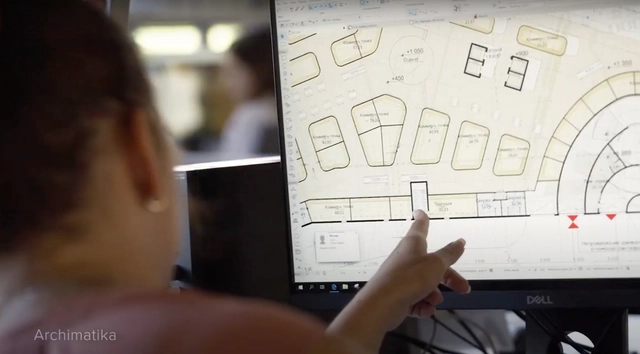
Choosing high-performance BIM software is key to developing efficient projects by automating tasks unrelated to core design, such as documentation, calculations, and other tedious processes. This reduces the time spent on these critical details, minimizing errors that lead to project delays or cost overruns.

This article is part of our new Opinion section, a format for argument-driven essays on critical questions shaping our field.
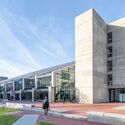
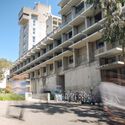
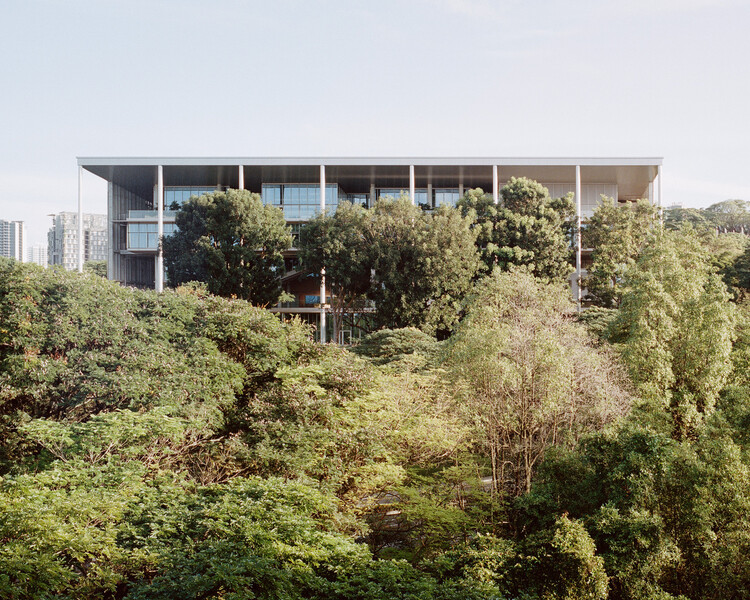
Before architecture students become authors of space, they are subjected to one. For years, they work inside a building that teaches without announcing itself as a teacher. It organizes their exhaustion, their ambition, their visibility, their solitude, their friendships, their sense of scale, and their relationship to judgment. Long before a student can articulate a position on architecture, the school has already offered one in its implicit built environment.
This is not to suggest that buildings determine architects. The influence is slower and less complete than that. A school building operates more like a hidden curriculum: a spatial discipline that works alongside faculty, syllabi, institutional culture, and student life. It teaches through access and obstruction, program adjacencies, daylight exposures, and scale. It produces habits of attention before it produces explicit beliefs.
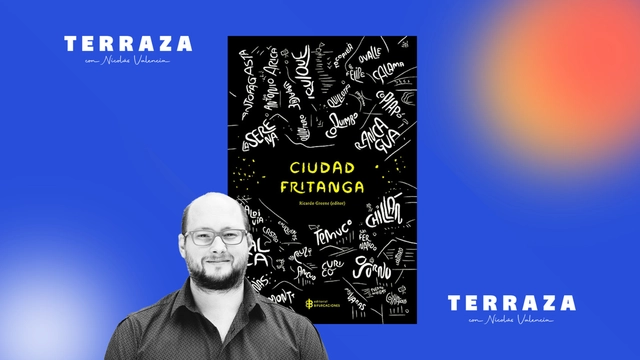
This week on the TERRAZA podcast, Nicolás Valencia speaks with Chilean sociologist and Universidad San Sebastián academic Ricardo Greene, editor of the landmark book "Ciudad Fritanga," published by Editorial Bifurcaciones in 2014.
"Ciudad Fritanga" compiles 34 chronicles of non-metropolitan Chilean cities like Arica, Talca, and Punta Arenas through the lens of poets, artists, and writers such as Lina Meruane, Jorge Baradit, Marcelo Mellado, and María José Navia.
"When people write about cities, they write about London, Berlin, and New York. That is the urban chronicle. However, non-metropolitan cities are also cities," Greene comments in this interview.
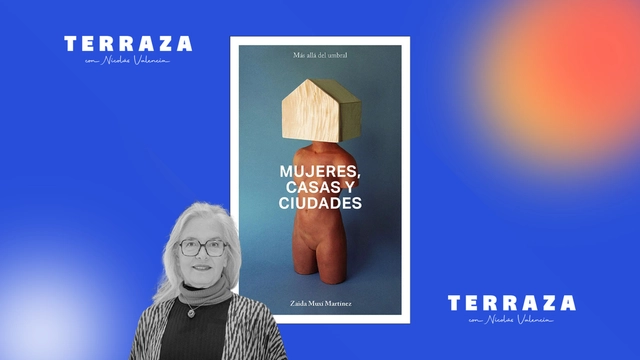
This week on the TERRAZA podcast, Nicolás Valencia speaks with Argentine-Spanish architect Zaida Muxí, author of the book “Mujeres, casas y ciudades” (Women, Houses, and Cities), published by dpr-Barcelona in 2018.
In “Mujeres, casas y ciudades”, Muxí proposes rewriting the history of architecture and urbanism by incorporating the contributions of the many women who have been silenced in mainstream historical accounts.
“If we want to play by market rules, housing will never be a right,” Muxí posits in this interview.
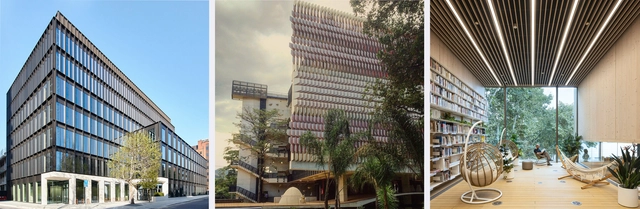
The rise of sustainability and the circular economy is transforming the construction industry, driving a growing demand for new specialized roles. Positions such as sustainability managers or circular economy consultants are becoming increasingly common in contemporary projects.
In 2024, the evolution of porcelain tiles has elevated the tactile experience to a new level, transforming them into true works of art. Produced with mineral texture printing technology, the collections feature striking reliefs in dimensions of 120 x 120 cm, 100 x 200 cm, 120 x 250 cm, 160 x 160 cm, and 160 x 320 cm, designed to awaken all the senses. Behind this advancement is Roca Brasil Cerámica, part of the Mexican LAMOSA Group, leading the Roca Cerâmica and Incepa brands.

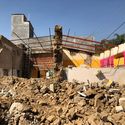
"Drinking Caracu is drinking health." This is what read on the massive blank wall of a building in downtown São Paulo on the morning of May 1, 2018. Hidden for decades, the advertisement for the famous beer brand now loomed before a massive heap of concrete, twisted metal, and shattered glass. This was the rubble to which the iconic Wilton Paes de Almeida Building had been reduced—a modernist landmark designed by architect Roger Zmekhol and the subject of the documentary Skin of Glass, directed by his daughter, Denise Zmekhol.
The film transcends traditional architectural documentation by blending a personal narrative with the political complexities of contemporary Brazil, a country shaped by deep inequalities and erased memories. At the heart of the story is the building itself, considered a landmark of Brazilian modern architecture, which collapsed in 2018 after a tragic fire.
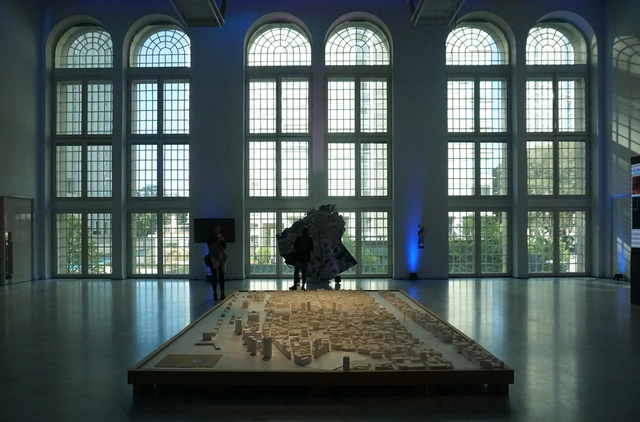
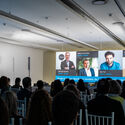
This Wednesday, October 9, the 19th edition of the Buenos Aires International Architecture Biennale will open to the public. The event, held once again at the Faena Art Center, will run until Sunday, October 13. Over the course of five days, the city will serve as a stage for reflections on sustainability, the environment, and new technologies applied to architecture and design. Alongside the central exhibition, the program will feature international lectures, workshops, and various installations distributed across key locations throughout Buenos Aires.

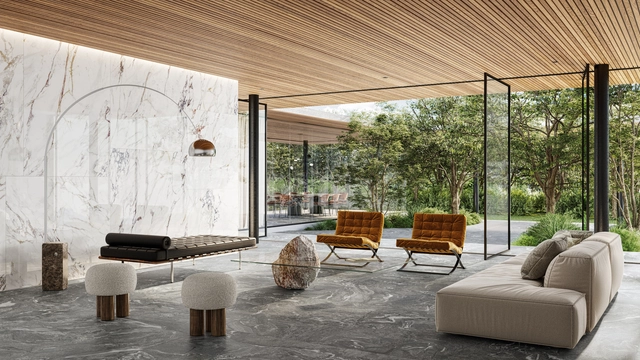
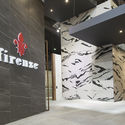
Stone and marble continue to establish themselves as essential materials in architecture and design, for both interiors and exteriors worldwide. CHC offers a curated selection designed to create spaces with a timeless, elegant character. Discover how to incorporate marble and stone into your projects to add a touch of modern style.
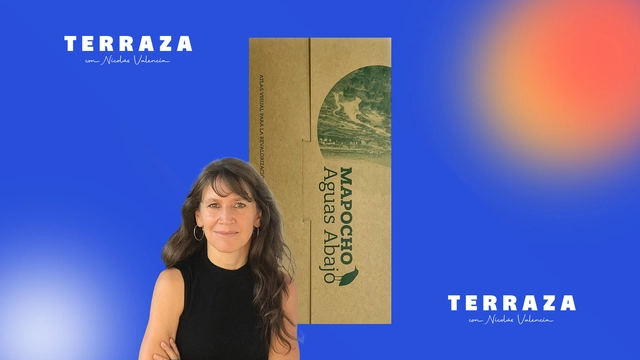
On this week's episode of the TERRAZA podcast, Nicolás Valencia speaks with Chilean architect Sandra Iturriaga about the book Mapocho Aguas Abajo (Ediciones ARQ), a publication developed by the Mapocho 42K Lab at the Pontificia Universidad Católica de Chile that proposes revaluing the heritage and landscape of the downstream stretch of the Mapocho River in Santiago, Chile.
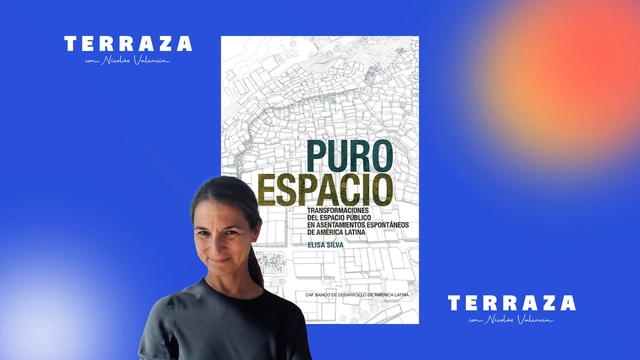
This week on the TERRAZA podcast, Nicolás Valencia talks with Venezuelan-American architect Elisa Silva about her book, "Pure Space: Public Space Transformations in Latin American Spontaneous Settlements" (Actar Publishers), an analysis of a series of public space interventions in communities across Mexico, Colombia, Venezuela, Brazil, Argentina, Peru, and Chile.
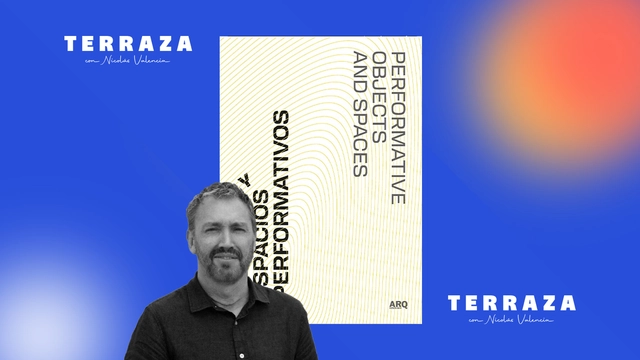
Nicolás Valencia talks this week on the TERRAZA podcast with Chilean architect Rodrigo Tisi about his book Objetos y espacios performativos (Ediciones ARQ), research that examines key moments to observe, explain, and establish the possibilities of certain performance practices in academia and creative environments.
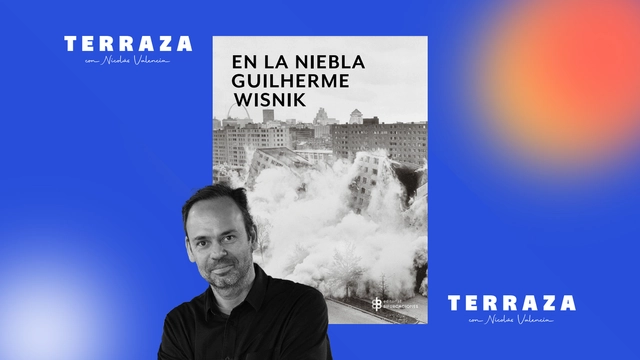
This week on the TERRAZA podcast, Nicolás Valencia talks with Brazilian architect and critic Guilherme Wisnik about his book En la niebla (Editorial Bifurcaciones), a series of essays where fog serves as a metaphor for the state of uncertainty in today's world, weaving together contemporary debates on space, art, and politics.

Choosing between vinyl and laminate flooring is no longer necessary, as resilient hybrid flooring combines the best features of both materials. Kiwi is a natural flooring made of 80% wood, utilizing a premium impregnation technology that makes it 100% waterproof. This product features 80% wood, while the remaining 20% is composed of plant-based resins. Consequently, it is 100% PVC-free, making it an entirely eco-friendly choice.
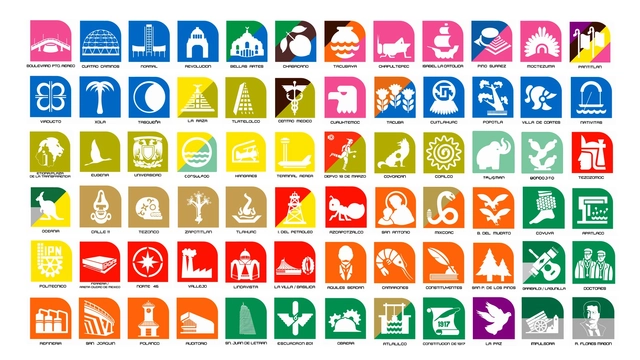
The history of the Mexico City Metro dates back to the 1960s, a time when the Historic Center buckled under traffic congestion, overcrowded buses, and inefficient streetcars that were overwhelmed by the growing population of the then-Federal District. While other major Latin American cities like Buenos Aires had implemented underground transit systems since the early 20th century, it was not until 1967 that Mexico—by presidential decree and in collaboration with the French government—established a decentralized public agency called the Sistema de Transporte Colectivo (STC).

Following three cycles held in 2020, we begin this new year by presenting the fourth cycle of Viernes de Fábrica. We remain convinced that now more than ever, the academic must be linked to the social, creating School+Community projects. Today, with the participation of over 1,500 students, architects, and professors from 20 countries across the 28 sessions held so far, we invite you to continue contributing to this initiative.
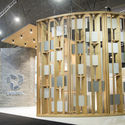
Conceived as an initiative to meet the construction sector's demand for all types of finishes, the Obra Blanca exhibition is set to celebrate its second edition. Designed as a meeting point for both professionals looking to showcase their products and those seeking to compare different finishing options, this specialized trade show will focus on the visitor experience and the professionalization of an increasingly comprehensive and sophisticated industry.

Dear readers,
I am thrilled to share a very important milestone with all of you. Today, August 3, 2021, ArchDaily Mexico celebrates its 9th anniversary! Indeed, nine years ago, with great excitement and high expectations, we launched the Mexican edition of ArchDaily—already the most visited architecture website in the world. Our mission remained to deliver inspiration, knowledge, and tools, but with a dedicated focus on this country's architects, who over these years have enabled us to continue serving as their primary tool for international and Mexican architectural inspiration and knowledge.
Today, there is a clear need for those who practice and think about architecture to focus on latent, realistic, and immediate issues that directly impact people's quality of life—rather than focusing on egocentric architectural landmarks spanning thousands of square meters.
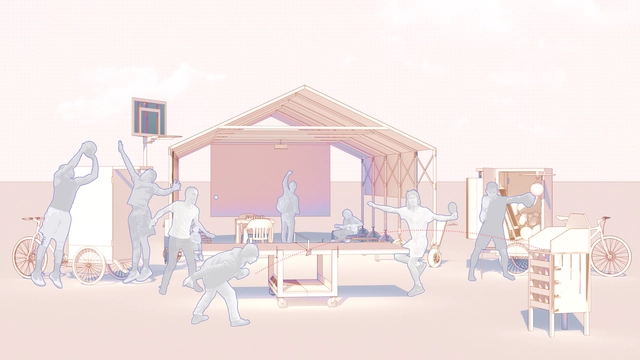
This is the case with the project by architect PhD Juan Pablo Aschner Rosselli: a series of activation artifacts for coexistence including the *Jugarmario*, the *Ciclaportivas*, and the *Carpamóvil*. These were designed for the Corpovisionarios Center for Thought and Action, which managed the project.

As part of the annual celebrations hosted by the CEMEX Awards, the recipient of the Arq. Marcelo Zambrano Scholarship has been announced, reaffirming the commitment to fostering the continued development of architecture in Mexico. CEMEX awards the Arq. Marcelo Zambrano Scholarship in honor of the exemplary career, professional dedication, and leadership of architect Marcelo Zambrano, aiming to support young Mexicans in pursuing postgraduate studies at prestigious international universities.
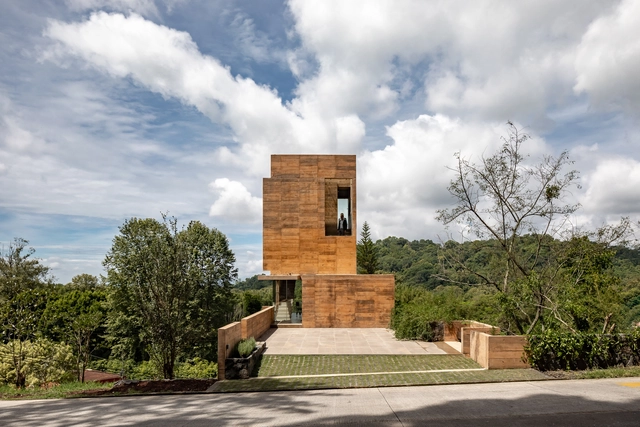
As part of the 10th anniversary celebration of the award, Interceramic announced the winners of the Tenth Edition across its various categories and the "2021 Architecture Lifetime Achievement Award." The initiative aims to recognize and promote projects that best reflect contemporary design and express the current state of architecture and interior design, as well as reward creativity in the use of Interceramic ceramic materials.
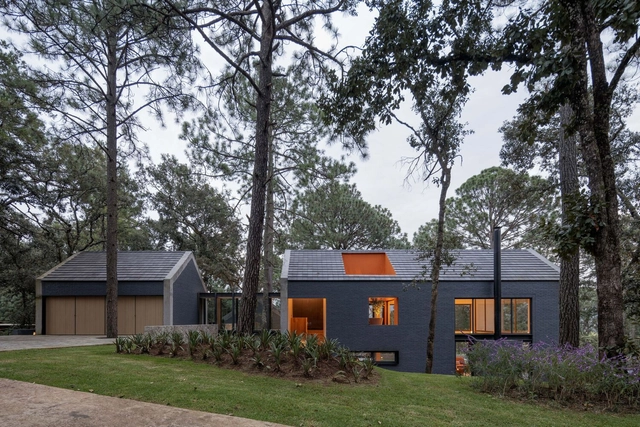
In a year defined by physical distancing, social media has taken on an even greater role in how we connect and stay informed. Our Instagram accounts have broken reach records, bringing our audience the very best of our website's content: projects, articles, interviews, and news from the architectural world, inspiring new ideas and tools for a better future for our cities.

With Tlaquepaque and Tonalá, two highly important pottery centers, as neighbors, Guadalajara naturally became an epicenter for the promotion and commercialization of crafts. Consequently, in 1963, the government of Jalisco decided to develop a space to promote the work of artisans from all regions of the state.






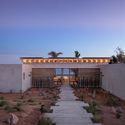

.jpg?1639602926 "CRA House / Estudio MMX. Image")