In a revealing use of big data, Raj Chetty and his colleagues at the Equality of Opportunity Project used anonymous tax records to track the childhood-to-adulthood income of individuals who grew up in the United States. The results show that the neighborhoods and metropolitan areas where these individuals were raised have a major impact on their lifelong economic prospects.
Surprisingly, children from low-income families who grow up in certain neighborhoods—particularly those with mixed-income demographics and lower levels of racial segregation—fare much better economically.
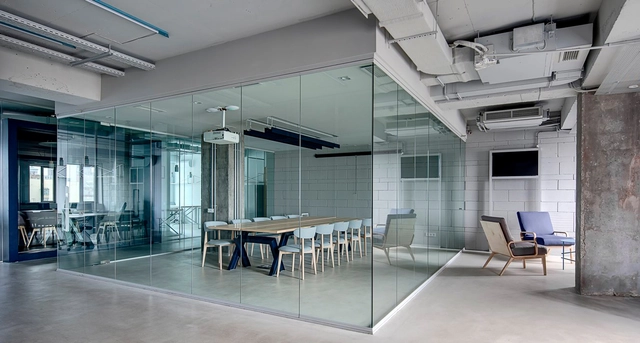
Divisiones de cristal. Image Cortesía de Glasstech
In the context of contemporary design, glass partitions have gained prominence in the world of interior design due to their versatility in harmoniously combining elegance, functionality, natural light, and spaciousness. One of their primary advantages is transparency, which allows for spatial division without obstructing natural light, offering a sense of openness and connectivity between areas. This is particularly beneficial in small spaces where light can make a significant difference in the interior atmosphere.
At the same time, construction methods are simplified by the clean and rapid installation of glass walls and doors, as well as their multiple mounting options, which adapt to structural conditions and construction sequencing. Moreover, while transparency is a key feature, glass partitions can also incorporate options to ensure privacy when necessary, utilizing various types of glass with digital printing, silkscreening, or satin finishes.
https://www.archdaily.com/1136361/flexibility-luminosity-and-independence-glass-solutions-for-interior-designEnrique Tovar
In light of today's climate emergency, our current urban model—defined by rapid, uncontrolled growth that fosters social segregation and harms the environment—must be replaced.
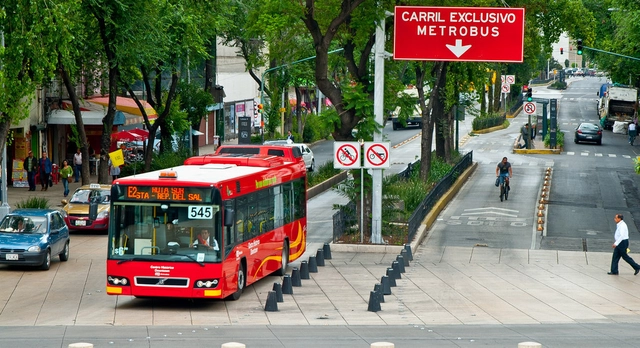
Against this backdrop, the concept of Sustainable Transit-Oriented Development (TOD) emerges to break with existing spatial planning paradigms. As the name suggests, TOD proposes action strategies that integrate urban design with transport and mobility planning, which can be implemented through public policies or urban projects.
Image: Thomas Hawk/Flickr. Courtesy of Caos Planejado
Promoting homeownership as an investment strategy is a risky proposition. No financial advisor would recommend taking on debt to put such a large portion of your savings into a single financial asset, whatever it may be, due to the high concentration of risk.
Worse yet, this risk is not random: it falls most heavily on low-income buyers, who receive poorer financing terms and whose neighborhoods are systematically more prone to lower or even declining home values, leading to devastating consequences for the racial wealth gap.
ArchDaily's curatorial team strives every day to present our readers with the most significant, inspiring, and innovative projects, while also ensuring a diverse representation of global architecture.
As part of our 2023 Year in Review retrospective on ArchDaily, we look back and reflect on what was published over the past year. Residential architecture remains one of our most visited categories of built projects, generating immense interest among our users worldwide. With this in mind, we have selected the 50 best houses published this year on ArchDaily en Español, offering a brief showcase of the form and character of residential architecture across the Spanish-speaking world.
ArchDaily's curation team strives daily to present our readers with the most significant, inspiring, and innovative projects, expanding the knowledge and repertoire of students and architects worldwide. From small renovations to projects designed from scratch, residential architecture is a constant in the daily practice of most firms. Year after year, we see the deep interest this typology sparks: it remains the most popular category among our audience.
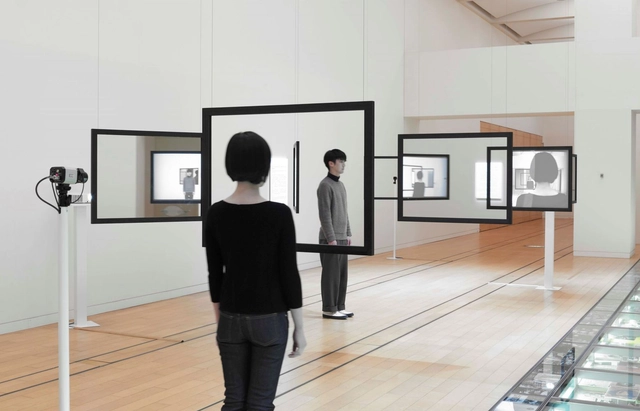
Windowology virtual exhibition. Courtesy of Japan House LA
In light of the coronavirus pandemic, the relationship between people and the spaces around them has had to be reimagined. As enclosed spaces that typically draw crowds, museums had no choice but to close their doors as the number of infections rose. Yet, their programming did not necessarily grind to a halt. Although some major architecture and urbanism events were postponed to a time when the pandemic is expected to be under control (such as the 17th Venice Architecture Biennale), many museums, galleries, and exhibition spaces saw the moment as an opportunity to deepen their engagement with virtual formats.
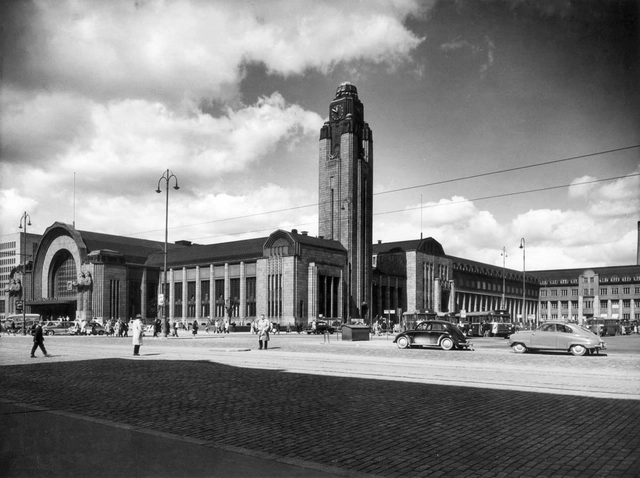
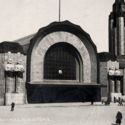
Original Design of Helsinki Central Station by Eliel Saarinen, 1904. Source: Revisiting Cranbrook: Eliel Saarinen and the Survival of Tradition, 2012.
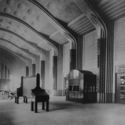
Kenneth Frampton, a prominent architectural critic, characterizes a group of late nineteenth-century works as belonging to the “New Tradition”: with its origins spanning from 1900 to 1914, he defines it as “a consciously modernized historicist style” (1997, p. 255). He proposes these buildings as a response to two significant historical events: on the one hand, nascent European Modernism, tending toward machine aesthetics, functionalism, and formal abstraction; on the other, the consolidation of national states occurring across the continent.
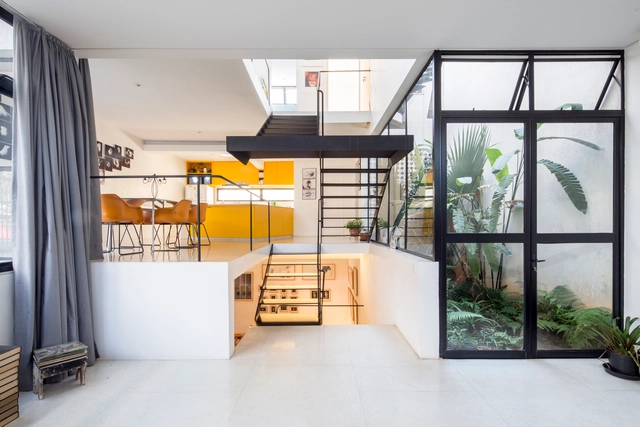
In architectural design, delineating spaces with different functions can be achieved in numerous ways, moving beyond traditional vertical barriers such as walls, partitions, panels and cobogós. Differentiating spaces by arranging floors on multiple levels, using elevated or sunken horizontal planes, offers the advantage of allowing greater permeability between rooms.
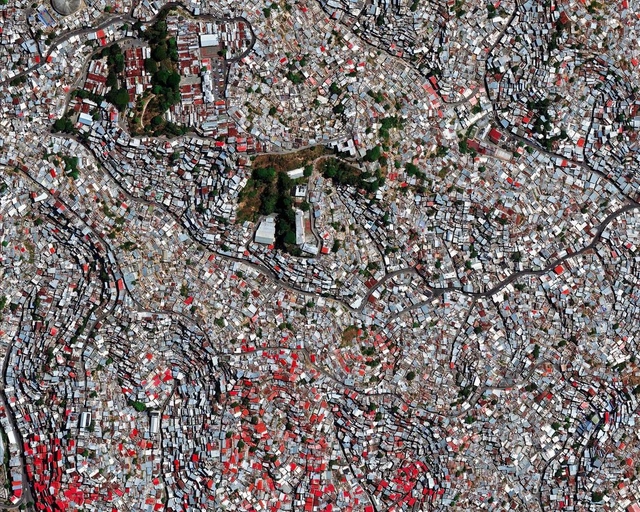
According to a UN-Habitat report, in 2013 approximately one billion people lived in informal settlements, and this number is expected to double by 2030. Seen as the result of policy, legislative, and housing provision failures—at both national and urban levels—informal settlements cannot be understood merely as a byproduct of demographic explosion and globalization.
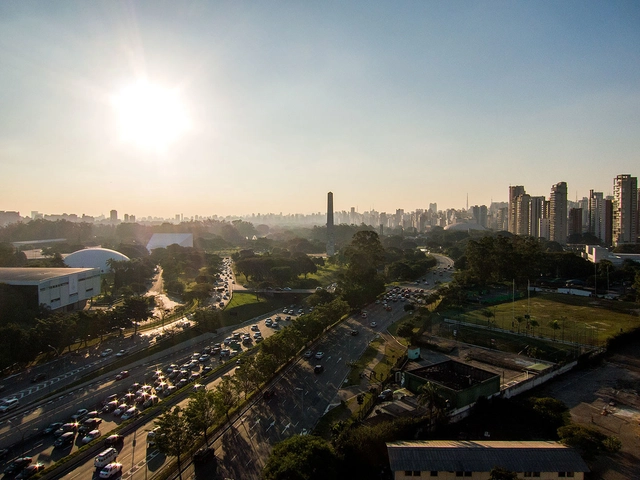
Ibirapuera Park in São Paulo. Photo: Fernando Stankuns, via Visualhunt / CC BY-NC-SA
Who could have predicted 2020? Even at the beginning of the year, when the existence of a new coronavirus was already known, it was hard to imagine that the world would undergo so many changes. The impacts were not limited to health; they spread to behavior, the economy, and many other aspects of life on the planet, including the environment.
At this point, it is impossible to predict how vaccines against the virus might change humanity's destiny over the coming year, or what Brazil's trajectory will be in recovering from the crisis caused by Covid-19. The year 2021 begins with this mix of uncertainty and expectation—and a strong sense of urgency. January also marks the start of a new decade fraught with major challenges such as the climate emergency, the need to transition to cleaner economies, the imperative to transform our relationship with forests and land use, reimagining urban spaces, and the struggle to reduce inequality and systemic racism, among many others.
https://www.archdaily.com/1127962/eyes-on-2021-climate-cities-and-forests-to-watch-in-brazilWRI Brasil
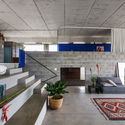
Naturally associated with characteristics such as simplicity and clarity, but also expressiveness, vibrancy, and energy, the three primary colors—which give rise to other colors—offer a wide range of application possibilities in architecture. As crucial elements in the compositions of the leading exponents of the De Stijl movement, such as Piet Mondrian, Theo van Doesburg, and Gerrit Rietveld, yellow, blue, and red, when used together, became icons in design and architecture, and for many professionals in the field, an obsession.
Buraco do Lume. Image via Skyscraper City, user Leo10Rio
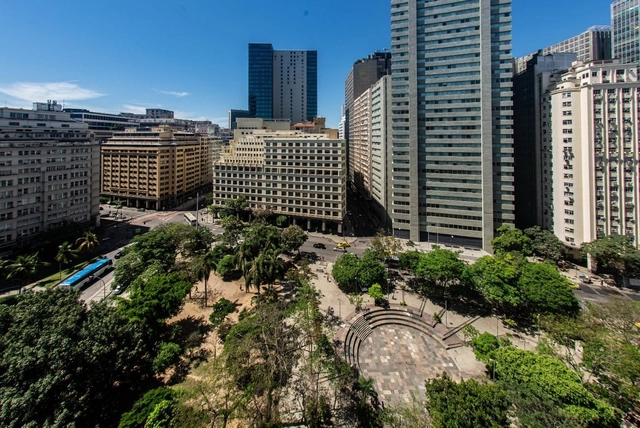
The approval of the controversial draft legislation dubbed the “Lei do Puxadinho” in mid-2020, which relaxed zoning parameters in the city of Rio de Janeiro, sparked widespread debate across various sectors of society—particularly among architects and urban planners, many of whom have strongly criticized the proposal. The debate, however, intensified even further when, under the auspices of this law, a surprise amendment was published in the Official Gazette. This amendment temporarily lifted several restrictions on the Buraco do Lume site, which is adjacent to the square officially named Praça Mário Lago—an important venue for political demonstrations in the city, landmarked by the municipality in 1989 and by the state government in 2019.
The relationship between the market and the state has traditionally been understood as a three-tiered framework. The state guarantees property rights and other preconditions for markets. Markets operate within this structure and deliver efficient outcomes. The state corrects market failures through complementary institutions, such as, in some cases, social welfare policies. Managing cities is no different, and issues such as economic development, accessibility to goods and services, mobility, sustainability, freedom, and well-being depend on the relationship between markets and the state.
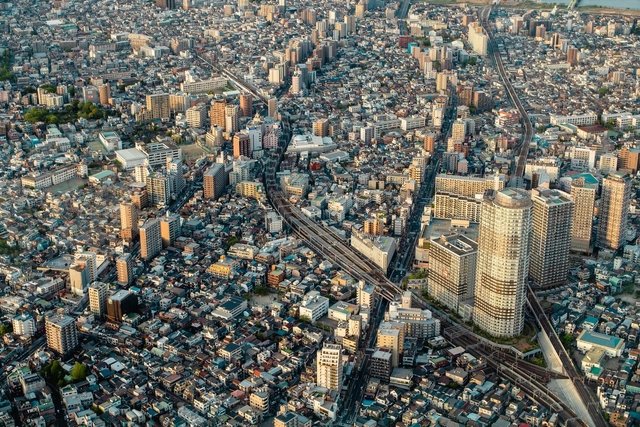
Tokyo, Japan. Photo by Vincent Camacho, via Unsplash
Skylines are icons that intrigue people through their urban complexity, shaping character and defining a sense of place. As Kevin Lynch noted in his classic “The Image of the City,” the visual landscape of a city can be treated as an object of varied, unpredictable meanings. While we can envision a clear image when building a city, its true definitions emerge indirectly over the course of its development. In other words, as cities evolve, their skylines evolve alongside them in unpredictable ways.
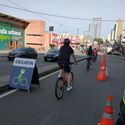
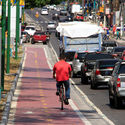
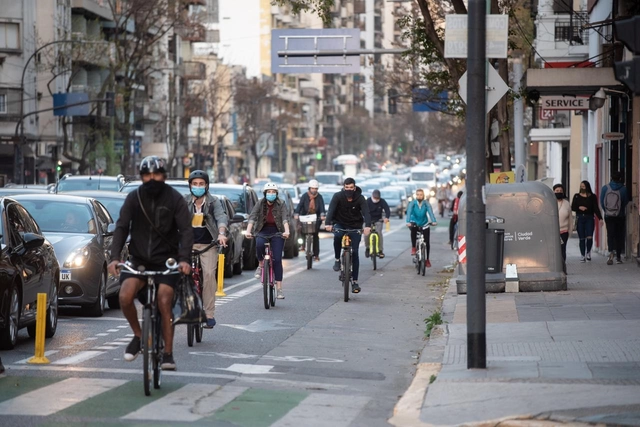
Bicycle infrastructure has grown rapidly in Latin American cities over the last decade. Cities like Bogotá and Santiago have more than doubled the extent of their bike networks. This is promising news, as studies show that cities prioritizing safe infrastructure record significant reductions in cyclist deaths and injuries and gain considerable economic benefits from reduced traffic congestion and fewer sick leave requests.
Nevertheless, much of the existing bicycle infrastructure in Latin American cities was built on local and secondary roads. While implementation may be easier on less busy streets, this approach also reduces the efficiency and overall impact of cycling, in addition to creating safety issues. Cyclists tend to seek shortcuts and the most direct routes, potentially leading to dangerous interactions with cars when they enter arterial roads not designed for non-motorized transport.
https://www.archdaily.com/1128195/buenos-aires-expands-its-bike-lane-network-to-major-avenues-in-response-to-covid-19Bruno Rizzon e Bruno Batista
In 2017, Escola da Cidade—through its Seminar on Culture and Contemporary Reality course, then coordinated by Professor José Guilherme Pereira—welcomed anthropologist and PhD in Social Sciences Manuela Carneiro da Cunha to discuss the history, spatialization, and daily life of Indigenous peoples in Brazil, highlighting issues from not only a cultural standpoint, but also a legal and environmental one.
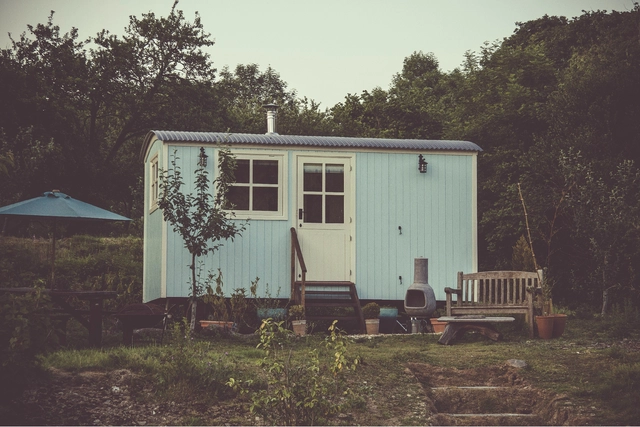
By no means does this text intend to refute or disparage the recently published article The Life and Death of Tiny Houses, but rather to offer the reader alternative perspectives and an expansion on the theme—one of the core principles of architectural criticism. To this end, the text is structured around two axes that analyze several points raised by the original author.
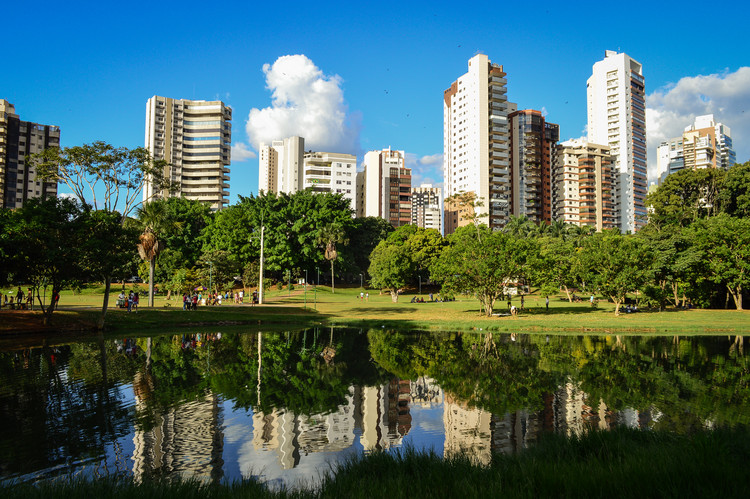
Lago das Rosas, in Goiânia. Image: Jean Carlos Faleiro, via Wikimedia Commons
Just as urban infrastructure can be defined as the network of structures and services required for cities to function efficiently, green infrastructure can also be understood as an interconnected network of areas and elements that preserve the value and function of natural ecosystems. One of the many definitions of green infrastructure posits that this constituent network enhances water and air quality, in addition to providing a range of benefits for both people and wildlife.
Architecture carries a strong archetype, one in which its purpose seems larger than the discipline itself. Embellished by a poetic image, its practitioners embody the symbol of great inventors who conceive space and establish new ways of living in society. It is undoubtedly an alluring trade, and one that certainly shapes the daily life of any culture. Yet it is increasingly marked by illusion and disappointment in a market that seems to gradually distance itself from theory and close itself off in niches of its own creation. Under ever-growing competition that fails to yield a significant improvement in the quality of what is produced, working in architecture gradually translates into frustration and insecurity.
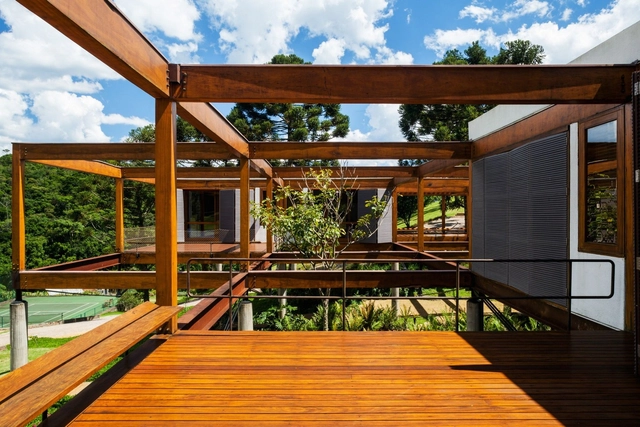
The orthogonal grid is the manifestation of a principle of order, a condition reinforced by the repetition of elements that express the structural rationality embedded in an aesthetic system. There is also a sense of freedom celebrated by decoupling structure from walls which, combined with pragmatic efficiency, keeps structural grids a constant presence in buildings of various scales both in Brazil and around the world.
In technical terms, structural grids are composed of linear elements—specifically beams—situated on a single plane to form a mesh capable of resisting structural loads. Typically, they feature regular spacing crossing at right angles, with dimensions that vary depending on the material used.
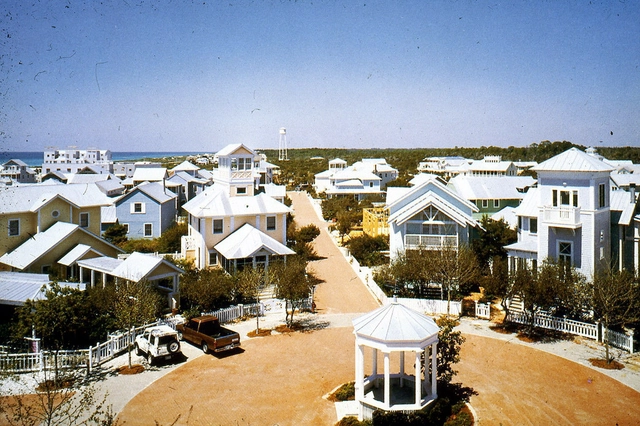
Self-described as a movement united around the idea that the physical environment can directly impact the creation of more prosperous and happier lives for its inhabitants, New Urbanism emerged as a concept in the United States in the 1990s and became consolidated through the Congresses for the New Urbanism (CNU), held annually since 1993.
In 1996, three years after the First Congress for the New Urbanism, the Charter of the New Urbanism was launched with the goal of establishing the guiding ideals and principles of the movement and, in doing so, exploring the possibilities for the development of American cities.
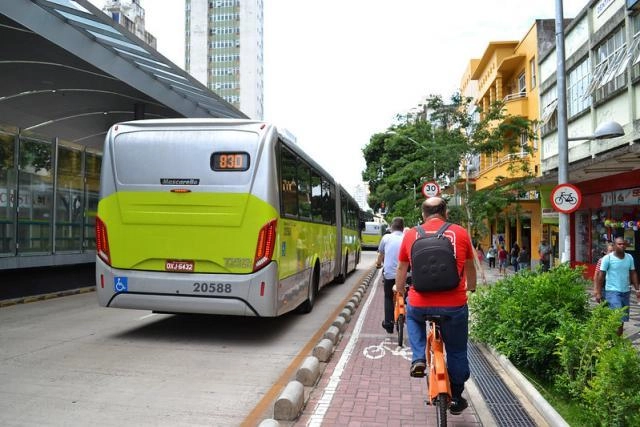
Providing quality infrastructure for sustainable modes is an opportunity to encourage behavioral change. Photo: Luísa Zottis/WRI Brasil
Cities are changing in many ways—some, fortunately, for the better. More Brazilians have come to see the bicycle as the best choice for urban mobility, and 67% of people would swap their cars or motorcycles for cleaner transit alternatives. While public perception of air quality is discouraging, awareness of climate change has grown, and 92% of people want electric buses in their cities.
https://www.archdaily.com/1128361/brazilians-would-give-up-their-cars-for-sustainable-transportation-but-want-comfort-and-convenienceFernando Corrêa, Cristina Albuquerque e Ariadne Samios
The year 2020 brought with it a whirlwind of challenges, calling many aspects of daily life into question. Marked by the pandemic, we all had to reinvent ourselves in some way to weather this unprecedented moment. It was no different for the city. COVID-19, like other infectious diseases (the Black Death, the Spanish flu, etc.), laid bare the relationship between its spread and urbanization. This is an easy analysis to make when data shows that the spread of the virus has been far greater in large urban centers.
In this regard, the health crisis has sparked discussions about the urbanization model to which our cities are subjected—a model of dispersed sprawl that prioritizes automobile mobility. Wilson Ribeiro dos Santos, a professor at the Faculty of Architecture and Urbanism at PUC-Campinas, in an article co-authored with Sidney Piocchi Bernardini and Gabriela Celani, states that this urbanization model—where commerce and services are concentrated in the city center, while strictly residential areas and gated communities are located on the periphery—ended up accelerating the spread of the virus. This is because people from all parts of the city must travel daily to the same central area to work, study, visit the doctor, shop, and so on.







.jpg?1608552262 "View of the AA Earth Gallery virtual exhibition")






















.jpg?1611190059 "Flamboyant House / Perkins+Will. Image © Nelson Kon")