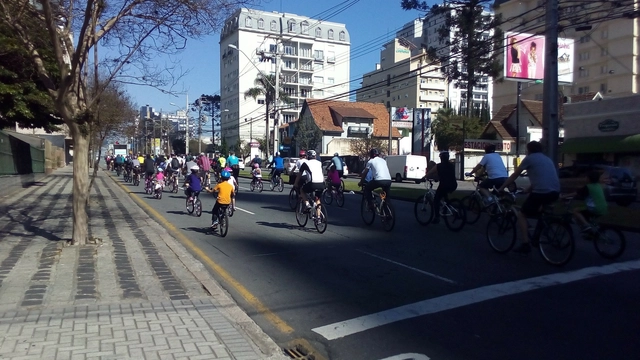
As has been discussed in several countries around the world, promoting cycling as a mode of transportation brings diverse benefits to cities and their citizens, such as: a reduction in chronic illnesses (like hypertension and cardiorespiratory diseases), lower rates of overweight and obesity, fewer traffic fatalities and injuries, and lower levels of air pollution, among others. Despite the continuous dissemination of these positive impacts, in Latin America less than 10% [1] of the adult population uses the bicycle as a means of transportation, whereas in European countries like the Netherlands and Denmark, this figure exceeds 25% of all trips [2].
To better understand the relationship between the built environment and the promotion of cycling in Brazil, a study [3] sought to understand the associations between cycling for transportation and bike paths and mass transit in the city of São Paulo. The research was




























![Architects and Families Unite to Build Social Housing in Peru: CITIES [in] VISIBLE - Featured Image](https://snoopy.archdaily.com/images/archdaily/media/images/5a84/5052/f197/ccdd/ce00/0001/slideshow/526x500_sin_call.jpg?1518620752&format=webp&width=640&height=580)