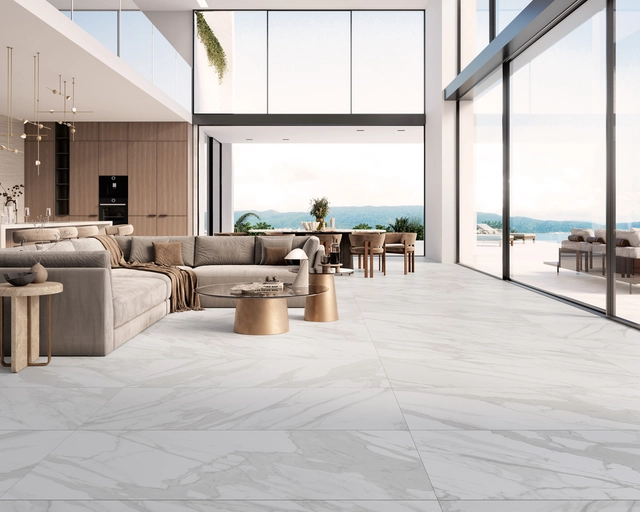
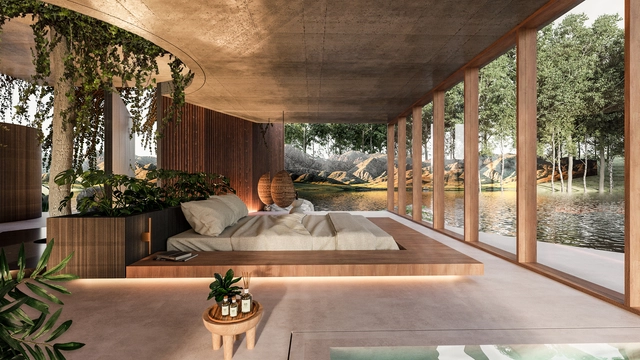
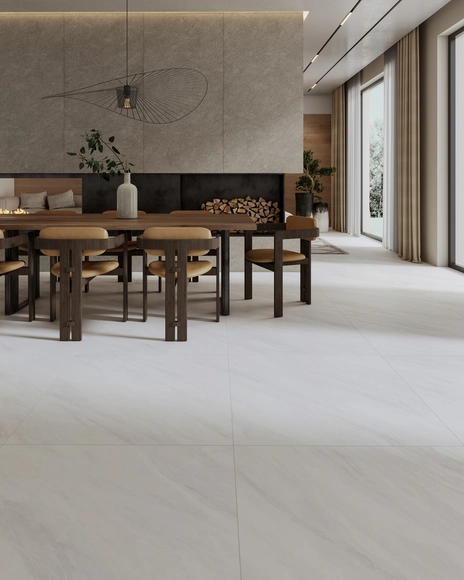
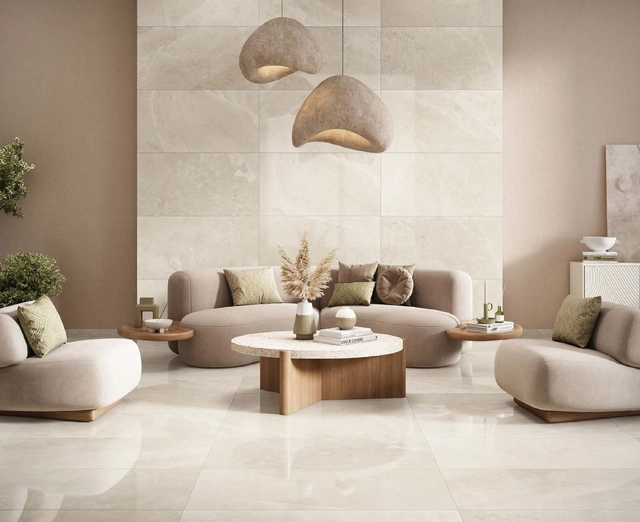
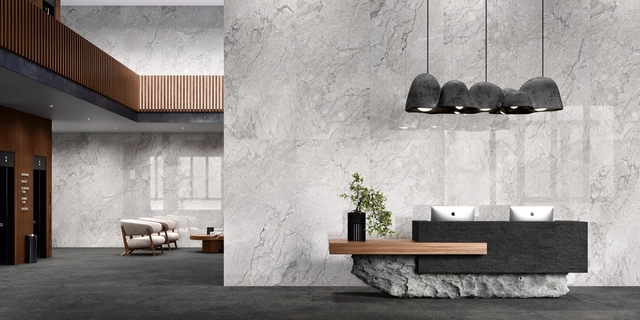
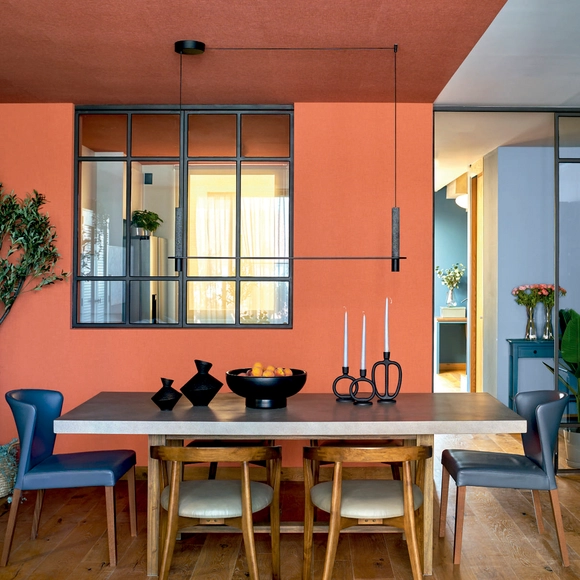
Revestimiento Casablanca Satinado (80 x 160 cm). Image Cortesía de Cesantoni
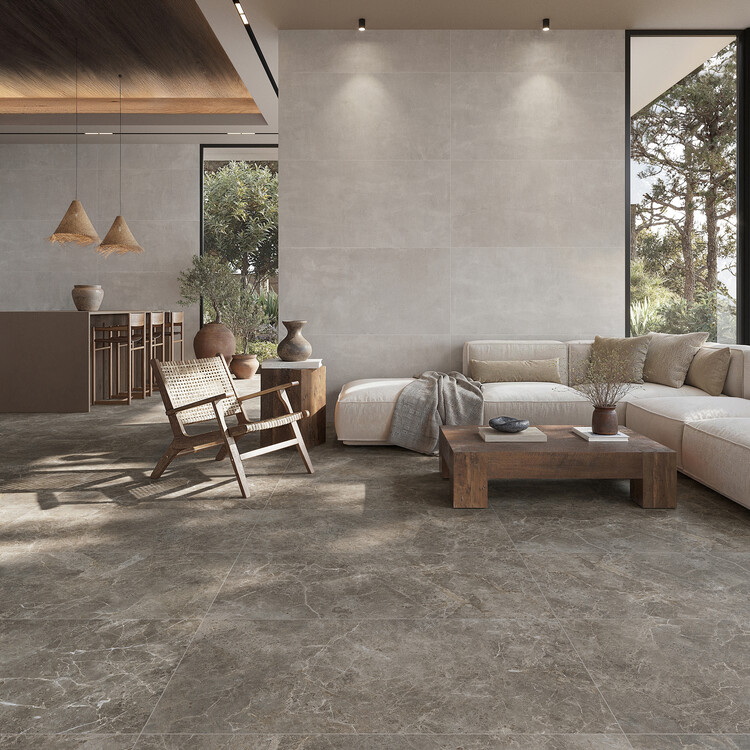
Porcelain tiles have established themselves as a versatile option in contemporary architecture, thanks to their wide range of formats and finishes. Particularly in terms of texture, these coverings excel at capturing the essence of natural materials, reproducing their aesthetics and detailing. At the same time, they retain the inherent technical advantages of porcelain—such as durability and strength—offering a perfect balance between visual appeal and performance.
In residential design, the qualities of these coverings become even more significant. As home aesthetics evolve, we see a steady return to natural materials, such as stone, in various finishes and shades. The ability of porcelain tiles to emulate these timeless materials makes it possible to create unique atmospheres in interior design. When combined with other materials and decorative elements, they facilitate the creation of aesthetically harmonious, cohesive environments.
https://www.archdaily.com/1078855/the-essence-of-natural-materials-exploring-stone-look-porcelain-tiles-in-residential-spacesEnrique Tovar
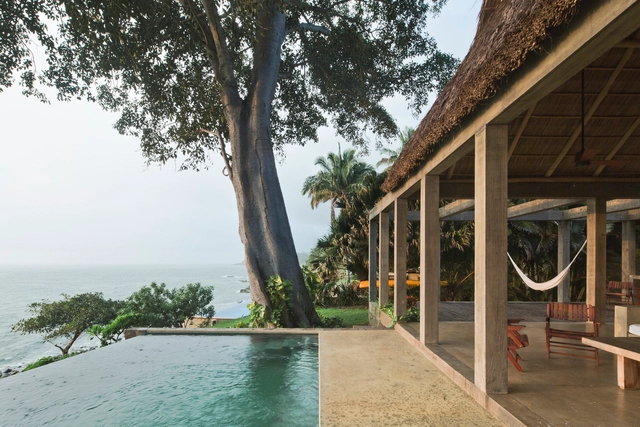
Río interior / CUEVAS Arquitectura . Image Cortesía de Porcelanosa
Beyond mere functionality, design can be explored as an art form by triggering emotions and becoming a welcoming sanctuary. In a quest to connect design, nature, and human beings, many architecture and interior design professionals seek to create living experiences through the transformation of materials, the promotion of ecological and sustainable commitment, or the implementation of innovative solutions that transcend aesthetics to enhance user comfort.
Choosing 80x80-centimeter porcelain tiles reflects the pursuit of a modern, minimalist aesthetic, thanks to their ability to create continuous surfaces that visually expand spaces. By easily covering larger areas, they offer a sense of unity and continuity that is highly sought after in contemporary design. Their geometric designs, modern interpretations of natural materials, and abstract patterns leverage advanced manufacturing and printing technologies to design unique spaces.
From rustic to contemporary styles, porcelain tile offers options that complement and enhance any design scheme, allowing designers and homeowners to realize their vision without compromise. Its application extends beyond flooring, finding a home on walls, bathrooms, kitchens, and facades.
With global urbanization continuing as a constant and growing phenomenon, nature and its living components often seem scarce in contemporary urban centers. In this sense, we seem to have collectively forgotten that the natural world is humanity's primary environment. Yet, the fact that society has chosen cities as its predominant living model does not mean nature is obsolete. On the contrary, the ongoing search for sustainable, well-being-oriented solutions can provide us with more and better answers.
Biomimetic architecture, focused on finding sustainable solutions in the natural environment, emerges as a way to integrate nature into the built environment. This integration goes beyond mere imitation or decontextualized copying, grounding itself in understanding and extrapolating natural qualities to buildings and interiors. As such, specific biomimicry strategies applied to architecture can be reflected in ceramic wall and floor coverings, addressing aspects like mineral composition, design, and aesthetics that are closely linked to nature.
https://www.archdaily.com/1078828/biomimicry-and-ceramic-tiles-from-mineral-composition-to-organic-designEnrique Tovar
Harmonizing with nature is a fundamental premise in architecture, aiming for buildings to be an extension of their environment rather than invasive elements. Frank Lloyd Wright, for instance, maintained that a house should not be placed on a hill, but rather merge with it. Today, this integration has gained greater relevance, driven by the growing need to manage resources and a deep desire to reconnect with the environment. Moreover, this contextual relationship manifests on a sensory level, where visual and tactile elements fuse with the landscape, creating an immersive experience through architectural features that blend with nature.
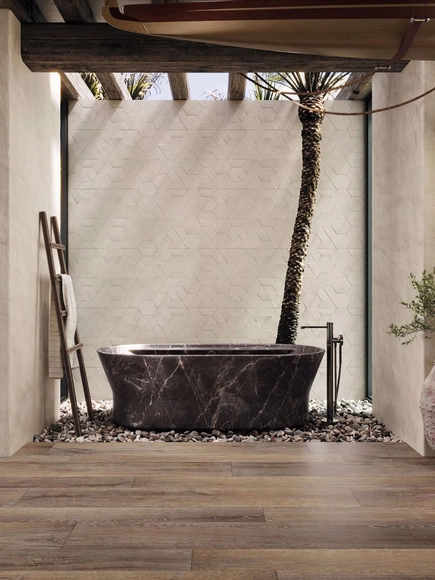
These spaces include bathrooms, courtyards (both indoor and outdoor), and even swimming pools, all characterized by their inherent connection with water, where finishes—depending on texture and color—can achieve a visual and compositional harmony with the surroundings. A prime example of this is the variety of stones offered by Sukabumi: materials featuring low water absorption, high durability, ease of cleaning, and slip resistance. Through combinations of different tones, sizes, and textures, these stones become a powerful resource for creating organic and welcoming atmospheres through materiality.
https://www.archdaily.com/1078797/stone-cladding-that-blends-with-nature-the-rise-of-quartz-and-basaltEnrique Tovar
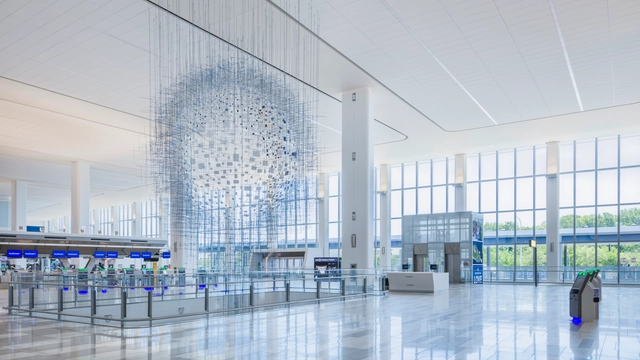
LaGuardia Terminal B Arrivals and Departures Hall / HOK. Producto utilizado: Moldeados arquitectónicos CASTWORKS GRG. Image Cortesía de LaGuardia Gateway Partners
From an urban perspective, airports and stations form a powerful element in the landscape that is sometimes only perceivable from a distance. Conversely, when considering the technical and functional aspects that unfold within, these spaces acquire new dimensions. Within their walls, it is necessary to design atmospheres where comfort is central and acoustics play a leading role. In this context, understanding the fundamental principles of incorporating appropriate ceiling systems is essential to positively impact aesthetics, user experience, and environmental quality.
To this end, this guide aims to present strategies integrating solutions from brands like Armstrong, highlighting the importance of ceiling design in high-traffic areas. Furthermore, it focuses on how ceilings can be essential to the success of these spaces through different systems and materials.
https://www.archdaily.com/1078811/designing-transit-spaces-4-ceiling-strategies-for-stations-airports-and-waiting-areasEnrique Tovar
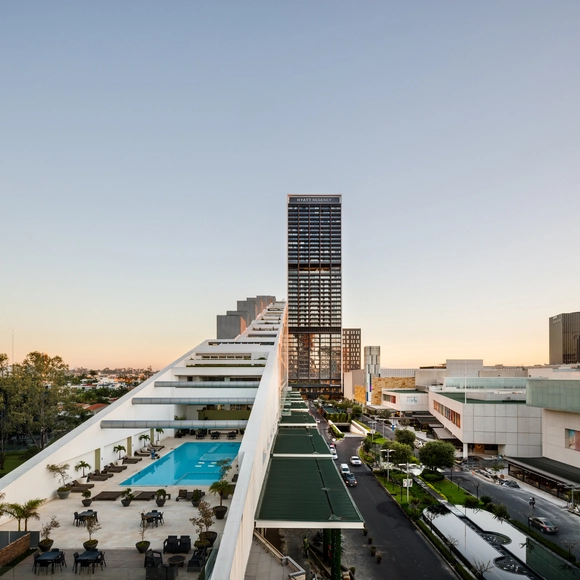
Hyatt Regency Andares Hotel / Sordo Madaleno Arquitectos. Image
Water, in addition to being a design resource widely valued for its aesthetics and functional contribution, can become a formidable adversary when it infiltrates through cracks and fissures in built surfaces. Consequently, waterproofing is not merely a protective measure; it is an essential strategy to extend the lifespan of structures, ensure the habitability of spaces, and prevent issues like leaks and premature deterioration. From terraces and green roofs to heavy-duty surfaces, controlling moisture represents a constant challenge for architects, engineers, and builders. This is especially critical in a context that demands increasingly efficient waterproofing materials with greater resistance to adverse environmental factors.
https://www.archdaily.com/1078782/waterproof-architecture-the-power-of-high-performance-waterproofingEnrique Tovar
External factors shaping the built environment play a decisive role in building configuration, particularly with respect to facades. These factors can encompass physical phenomena, such as wind pressure or seismic activity, as well as climatological aspects, including precipitation, solar radiation, and temperature changes.
Consequently, facades have evolved to adapt to the design conditions they face, driving the integration of lightweight building envelopes. In this context, the exterior wall solutions by Panel Rey stand out. These systems are used as exterior cladding, incorporating various substrates, profiles, and other components. Together, these provide the facade with lightness and strength.
https://www.archdaily.com/1078830/building-with-lightweight-systems-solutions-for-facade-wallsEnrique Tovar
Year after year, interior design surprises us with new trends in colors, materials, textures, and patterns that take center stage in the spaces we inhabit. Maintaining a balanced dialogue, considering both the needs to be met and the emotions to be conveyed, is central to the design of diverse environments. Ceramic, mosaic, and porcelain coverings allow for the creation of spaces ranging from warm and cozy to elegant and sophisticated.
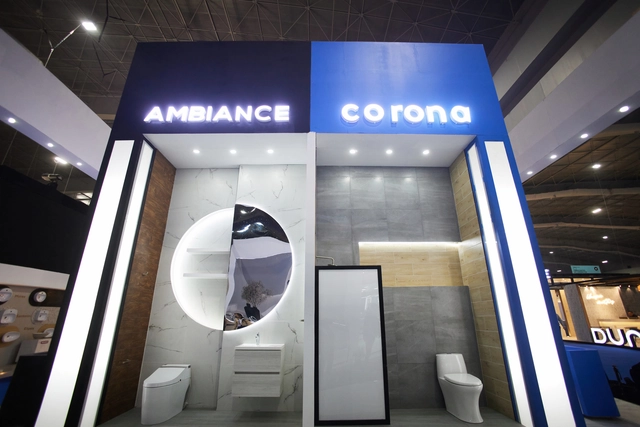
As part of Expo OBRA BLANCA 2024, held from October 15 to 17 at Expo Santa Fe in Mexico City, Porcelana Corona México and Ambiance showcased their latest innovations in sanitaryware alongside a wide range of products for architects, builders, and distributors at booth 224 of the Bathrooms and Fittings Pavilion.
Focusing on driving new ideas, creations, and proposals that set a new standard in contemporary architecture, each edition of Proyecto 10 de 10 by Porcelanosa México is conceived as a platform to explore and apply materials in innovative projects. Designing from the essentials and creating without imposing, the search focuses on an architecture that respects the rhythm of its surroundings, evolves over time, and connects deeply by creating spaces that breathe through natural materials, honoring their essence, texture, and origin. Beyond the aesthetics of the materials themselves, integration with the environment, textures, colors, and the relationship with natural light all shape the sensory experience of the spaces.
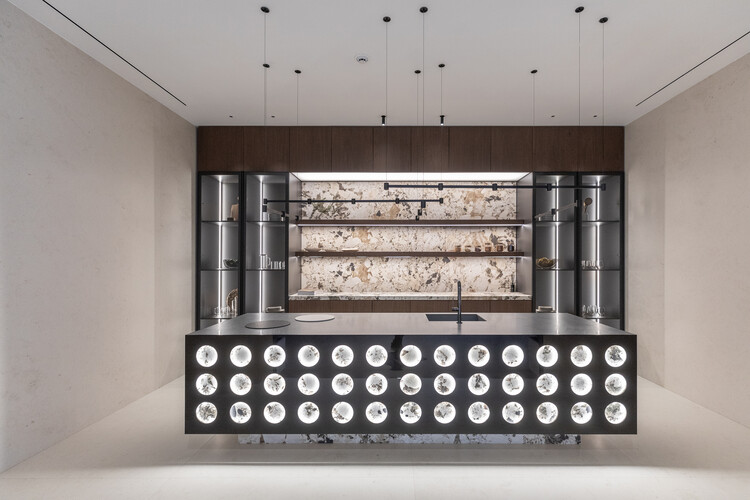
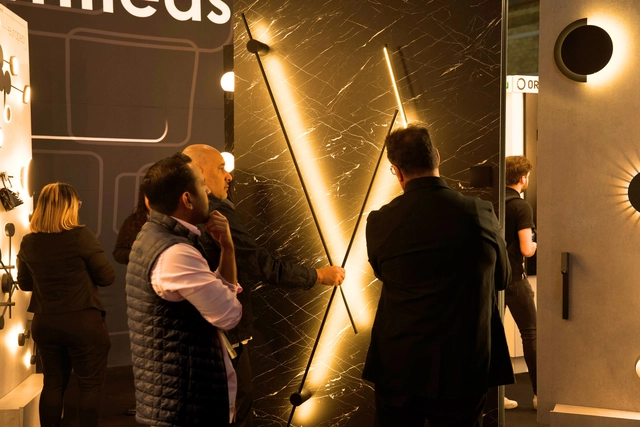
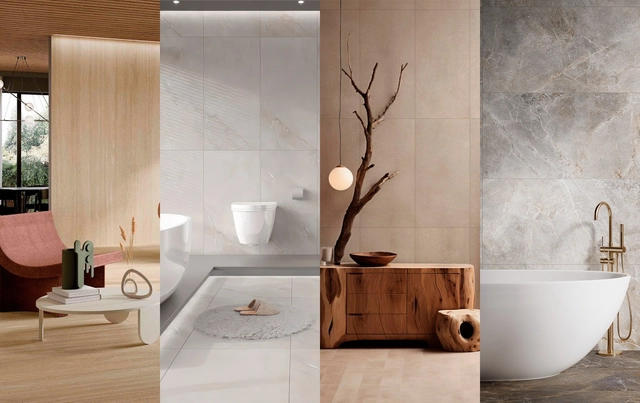
In ancient Greece and Rome, agoras and forums were spaces where merchants and artisans displayed their products. Although they were not showrooms in the modern sense, they already operated as arenas for visual stimulation. The concept we know today took shape centuries later during the Industrial Revolution, when novel tableware began to be presented in carefully designed settings. And therein lies the key: designing. Over time, spaces dedicated to displaying materials, furniture, and objects have been much more than mere showcases; they have functioned as platforms for exploration and experimentation. What we call a showroom today inherits this spirit: spaces where design is not only observed but touched and projected in real time, giving rise to tools such as moodboards.
https://www.archdaily.com/1140948/touching-and-seeing-materials-to-design-4-sensory-moodboards-created-in-the-showroomEnrique Tovar
Recognizing the contemporary role of the kitchen as a social, leisure, and experimental hub within the home, the dialogue between technology and architecture becomes increasingly relevant by bringing movement, adaptability, and flexibility to domestic spaces. While kitchens embody the essence of diverse cultures, preserving everything from ancient recipes and techniques to heritage and tradition, their architectural design increasingly integrates innovative material finishes and invisible technologies, seamlessly combining durability, energy efficiency, and design.
By Jeanette Fich Jespersen, MA, Director of the KOMPAN Play Institute, Chair of the Steering Committee of the World Playground Research Institute, University of Southern Denmark, Vice President of the International Play Association, Denmark.
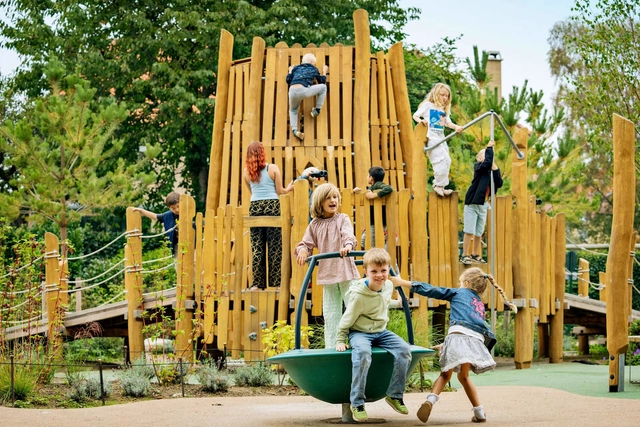
"No, I don't want to go to that playground. It's boring!" This might sound like something no child would ever say. However, children have clear opinions about the playgrounds they like from a very early age. The reason why not only parents and caregivers, but also urban planners and architects must listen and adapt is more important than ever.
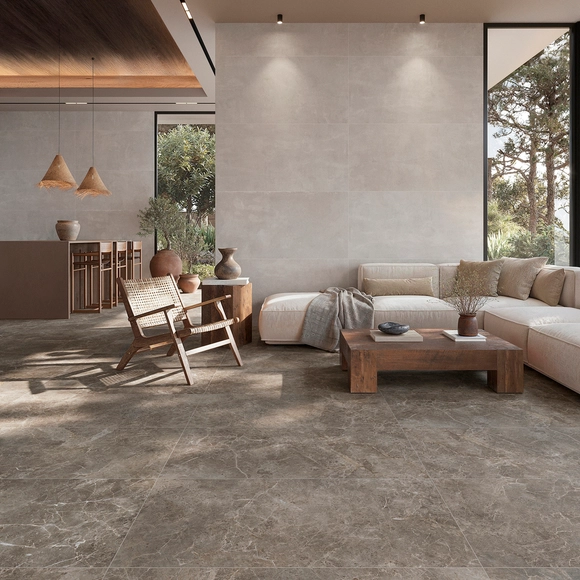
The way we perceive a space does not depend solely on its scale or form, but on a series of decisions that shape our experience from within. Certain gestures are decisive: clear height, the organization of vertical planes, or the size of the bed. Others operate more subtly, such as the play of light, the tonality of materials, or the use of color. All these variables influence how a space manifests—whether it feels open or contained, segmented or continuous. Along these lines, the use of large-format flooring becomes a key strategy, reducing visual fragmentation and reinforcing surface continuity.
https://www.archdaily.com/1140969/seamless-spaces-how-large-formats-transform-architectural-languageEnrique Tovar
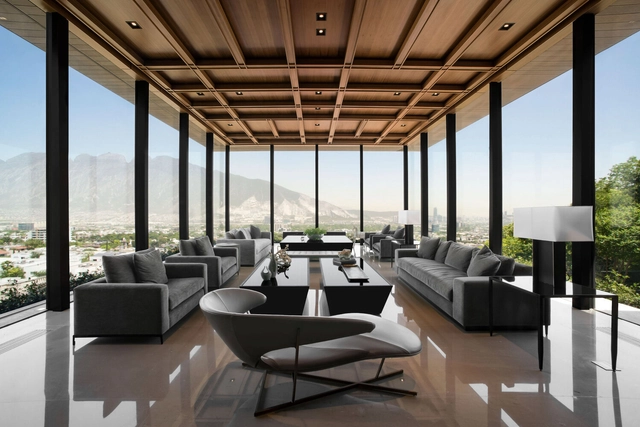
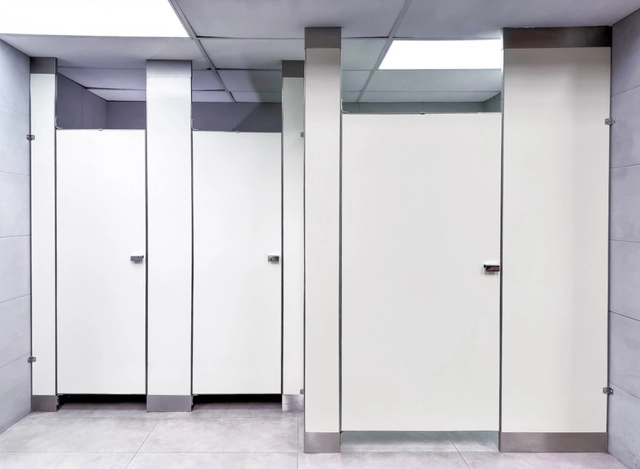
The design of public restrooms has historically been linked to satisfying a common need for hygiene, health, and well-being in communities. By condensing different spaces, materials, and sanitation elements within their typologies, the architecture of public restrooms has adapted to contemporary demands for hygiene, care, and aesthetics. From sinks, toilets, and drinking fountains to partition systems, showers, changing tables, or lactation rooms, these features shape the dynamics of these spaces. Whether in airports, parks, clinics, hotels, or other sites, these elements aim to provide privacy and comfort, deliver efficient cleaning solutions, and integrate accessibility criteria across all components, supported by contemporary tools and technologies.
Porcelanatos inspiradas en piedra. Image Cortesía de GILSA
In its constant quest to create functional spaces that also establish a visual and emotional connection with their inhabitants, architecture has found a source of inspiration in nature. From the golden ratio, present in biological structures, to the use of site-specific materials, the natural environment offers a lesson in shapes and textures that nourish architectural thinking. An iconic example is Fallingwater, where stone acts as an integrating element between the building and its surroundings. While this work demonstrates the potential of stone, its presence and character have evolved into new formats, such as porcelain tile, expanding design alternatives and consolidating the importance of stone textures and tones in contemporary projects.
https://www.archdaily.com/1140957/between-stone-and-design-4-textures-and-tones-that-connect-with-the-natural-environmentEnrique Tovar
The atmosphere of a home is gradually built through the interaction between architecture, furniture, and materials. Each component contributes color, texture, and depth, making the living experience sensory and immersive. Among these, materials play a decisive role: they define more than just the visual aspect, conveying tactility, light, temperature, and a connection to the environment, thus transforming our perception of the home. When viewed contextually, they reveal new possibilities for designing and experiencing interiors and exteriors, reminding us that every choice influences comfort and functionality.
Ceramic is an intrinsically versatile material: advanced printing technologies allow for infinite possibilities in terms of colors, textures, and patterns. As a result, it is widely used in interiors worldwide, combining durability, low maintenance, ease of installation, competitive pricing, and the ideal aesthetic to transform environments according to the designer's vision. Trends and fashions are a natural part of interior design, and staying at the forefront is crucial for creating spaces that are both contemporary and timeless. Whether through the clean lines of geometric patterns, the cozy feel of rustic finishes, or the timeless elegance of marbled surfaces, each trend offers something unique to enhance the character of any space.
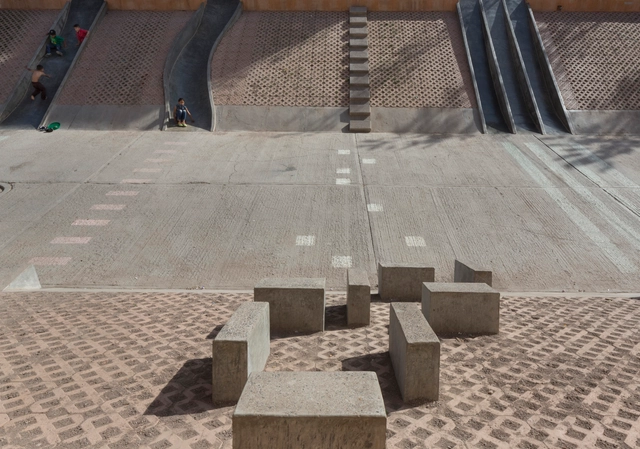
What role does street furniture play in public spaces? In response to human social behavior, the design of public spaces is part of a complex inquiry. Alongside the analysis of uses, community participation, the study of climatic and geographical conditions, and resource efficiency—among many other factors—it involves selecting appropriate urban equipment and elements to meet the needs of a large share of the population. As the Spanish architect and urban planner Oriol Bohigas Guardiola maintained, architecture is not only an art but also a direct service to society. Consequently, harmony among the multiple disciplines involved should yield tools that improve and facilitate community life. Understanding the role of street furniture—how it supports specific activities depending on its layout, dimensions, materials, and long-term lifespan—is essential to the current and future functioning of urban spaces.
The construction industry faces growing pressure to adopt more sustainable practices due to the need to mitigate climate change and protect natural resources. Traditional construction has a significant environmental impact, ranging from the destruction of ecosystems to high energy consumption and greenhouse gas emissions. Furthermore, sourcing and manufacturing materials contribute to water pollution and hazardous waste generation. However, new products are emerging that offer more environmentally friendly solutions without compromising quality or performance, catering to architects committed to creating sustainable projects.
Indeed, selecting the right materials to help minimize negative impacts on the planet is one of the most effective ways to implement sustainable construction.
As a building material, stone has been fundamental since the dawn of human society, present in various forms throughout our surroundings. From post-and-lintel structures to robust dry stone walls, its deep-seated presence in both our environment and early construction is undeniable. Alvar Aalto highlighted this, asserting that this early architecture could be considered the "genius of discovery," as nature was then the sole provider of building materials.
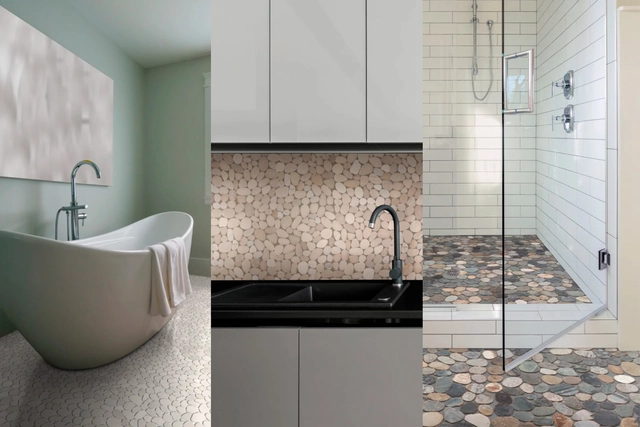
Over time, as processes for transporting, handling, and working stone have been refined, this material has become far more sophisticated and manageable. While preserving its fundamental characteristics, it is now possible to expand its application as cladding—primarily in bathrooms and kitchens—using smaller stones known as pebbles. This transforms them into a design element that integrates visual interest and a new tactile experience, adding an extra dimension to their use.
https://www.archdaily.com/1078853/natural-stone-mesh-fusing-tradition-and-innovation-in-interior-designEnrique Tovar
Last September, we launched our first open call in Spain for architects to submit their final thesis projects (PFC). After a thorough evaluation of 87 submissions, 10 projects were selected, standing out for addressing pressing contemporary issues, developing deep research analyses, and posing challenges in both urban and rural environments.
The selected proposals seek to both validate and highlight the diverse fields that architects can address and practice within a multidisciplinary framework, countering the bias of certain institutions and academics who still believe that architects only design "boxes."