ArchDaily has created a list of best articles that address all the tips and recommendations you need to know about materials, construction, design, education, work (and life).
ArchDaily has created a list of best articles that address all the tips and recommendations you need to know about materials, construction, design, education, work (and life).
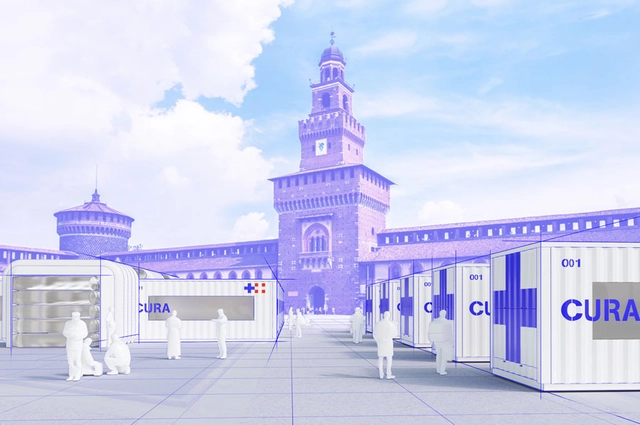
As the global health crisis continues, architects and designers are putting their expertise, technical capabilities and research skills in the service of the fight against the coronavirus. Metropolis Magazine has gathered together a list of several companies and their different initiatives for helping out in this novel situation. From 3d-printing personal protection equipment for medical staff, to designing modular intensive care units, and researching steps for converting buildings into hospitals, the creative community is bringing its own contribution to the efforts of tackling the pandemic.

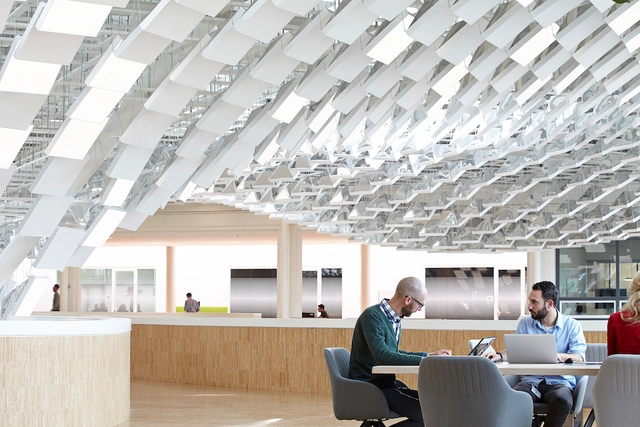
The incorporation of new technologies into architectural designs has been expanding design possibilities over the last few years. Automation in construction processes can be used both in large scale city strategies, and smaller-scale demands like in the construction of residences. One of the more recent ways that technology has been integrated into the design of workplaces is through the incorporation of artificial intelligence, which uses data that can “teach” the machines how to work in several levels of autonomy.
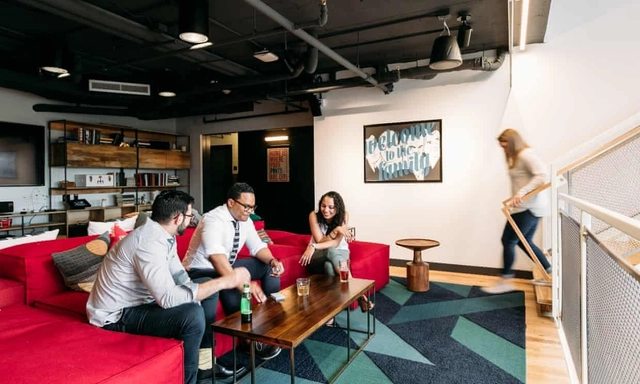
Many of us have already lived, or are currently living in, some sort of shared community housing. Whether it be from a college experience of living in a dormitory or a retirement community filled with other senior citizens, the loosely defined, yet increasingly popular concept of co-living has taken on many forms in society. The co-living market giants, including WeLive, Common, and Ollie, center themselves around participating in a shared economy, offering a financially sensible housing solution, and fostering meaningful social connections. As we continue to battle the COVID-19 pandemic and adapt to the enforcement of social distancing and stay-at-home mandates, co-living tenants have felt compelled to navigate the loopholes in the designs of their communities in order to discover new ways of living with others, while also mitigating health risks. In fact, co-living communities may be better positioned to handle a pandemic while balancing a sense of normalcy more so than traditional residential real estate offerings.
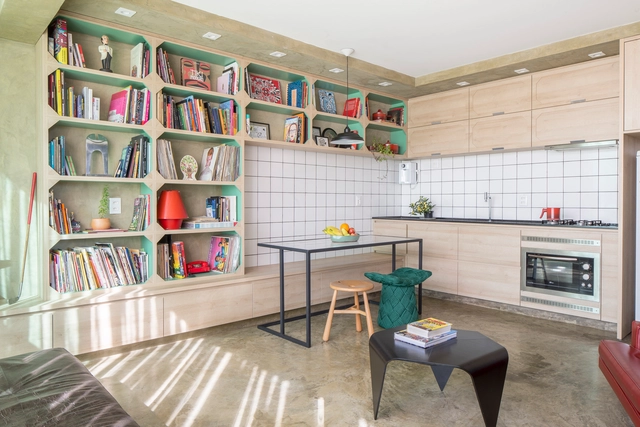
Have you ever heard of banquette seating? Frequently used in bars and restaurants, this layout features a sofa or fixed bench positioned directly against the wall next to the dining table. This saves space by eliminating the need for circulation behind those seated. Once used primarily in commercial settings, this design feature is now being widely embraced in residential projects, especially those with limited square footage.

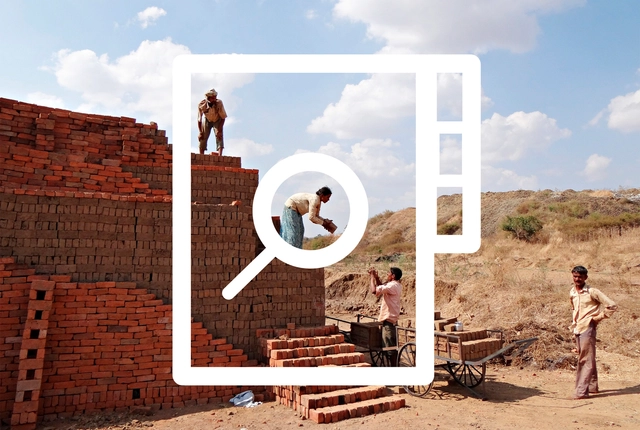
It's no secret that adobe is one of the most widely utilized materials in construction. For centuries, it has been the go-to material for civilizations worldwide thanks to its aesthetic qualities and durability. Today, we continue using earthen materials like adobe for a wide array of building projects; however, to obtain optimal results, one cannot ignore the art and skill required in brickmaking. For many in the trade, it's a craft that has been passed down generation after generation.
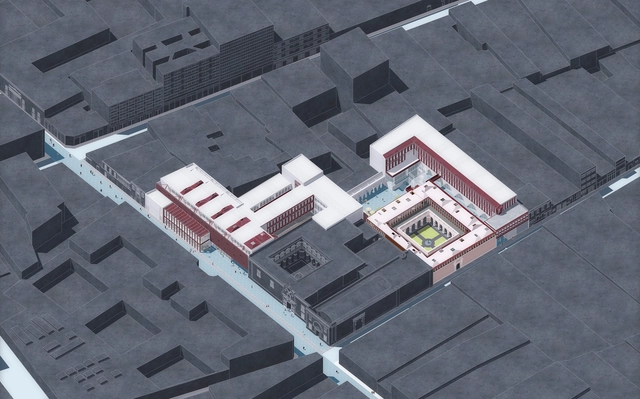
To showcase the valuable work emerging from Peruvian universities, we held the second edition of our open call for students, inviting them to submit their graduation projects completed in 2019.
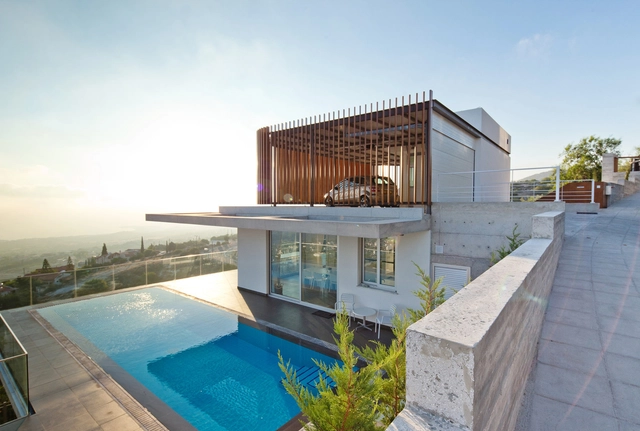
The architecture of Cyprus has been defined by larger geopolitical forces throughout history. Located in the Eastern Mediterranean, the island country is shaped physically and socially by the Cyprus dispute. Dating back to the bronze and iron ages, its architecture has been influenced by the Greeks, Assyrians, Egyptians, Persians, and Romans. Today, new homes are built across the island that reinterpret past building methods and construction techniques.

Among the diverse range of programs and typologies within architectural and urban practice, public and cultural projects perhaps have the greatest impact on urban life. This type of program is certainly compelling, as it involves designing buildings and spaces that will be appropriated by a vast number of users with diverse demands and ways of occupying space.
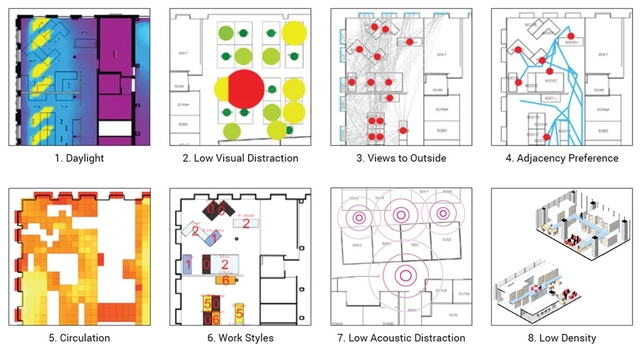
Trial and error. On a napkin, on tracing paper, or on a black CAD background, much of an architect's work is to make and redo lines, shapes, objects, and images. Discard, start over, repeat. Between an initial idea and a final project is a long and exhausting path. This difficulty lies in the root of designing as a process of making infinite decisions, where a change can influence countless other elements and consequently is an exercise in choosing benefits and concessions. These choices can take a number of forms, from determining how much area to cover while minimally impacting the environment to fitting as many work tables in an office as possible without losing good circulation. Each require many studies or considerations to arrive at the most suitable option. For example, the position of a window, even if it looks great on a the façade, can make the location of the bed in a dormitory unfeasible or increase the building's energy consumption.
Of course, there are always tight deadlines and budgets throughout any project, with the client often in a hurry and willing to devote limited time to thinking about every possible combination or the precise appropriateness of each decision. This stage is where, increasingly, the concept of Generative Design has appeared in architecture.
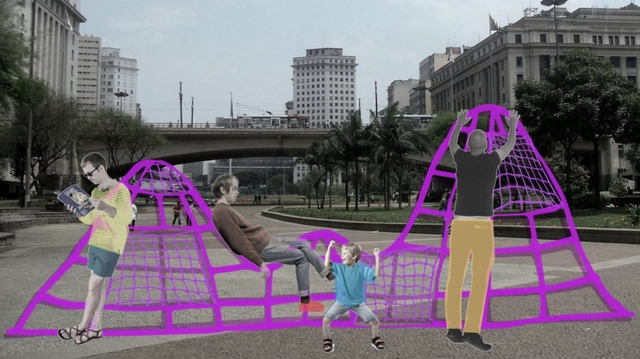
Cities are catalysts for encounters and opportunities, drawing in people in search of greater scale and diversity. Now, with social gatherings restricted, what becomes glaringly obvious is our interdependence and the importance of the spaces that sustain exchange and coexistence. Let me explain this through something simple, yet no less significant for this moment: most public spaces in Brazil—squares, parks, sidewalks—when they exist at all, are barren. In other words, they lack the infrastructure to support people lingering.

As Artificial Intelligence has become one of the most significant forces driving innovation and economic development, this societal transformation requires new knowledge and an additional set of skills. Just as knowing a BIM software has become a prerequisite for most architecture jobs, understanding or even knowing how to use AI-related tools would become a desirable asset, if not a requirement in the future. However, with a vast array of information available, how does one begin to venture into this topic? The following is a compilation of online resources, lectures, and courses, that could provide a better understanding of the field and how to incorporate it into the practice of architecture.

Everyone is eager to return to the new routine of the future that lies ahead. The COVID-19 pandemic has demanded daily innovation as well as adaptation in the way we live. Solutions are highly diverse. Many of them were already available but, under normal circumstances, might have taken years to be tested and approved. Others are not only old acquaintances but have long been advocated and demanded by us. Now that they have had to be implemented in record time, our only certainty is this: nothing will be as it was before.
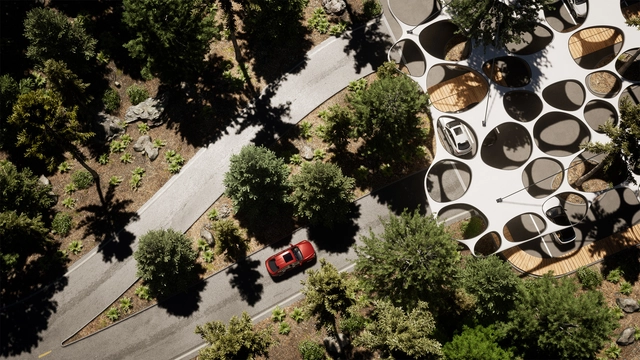
With the recent release of Twinmotion 2020, you can now create even more convincing visualizations and immersive experiences from your CAD and BIM models. In addition to a huge boost in realism, one of the most significant areas of improvement in the new release is project review, with a range of features for fast BIM design review and presentation.

Located in southern Mexico, bordering the state of Tabasco and sharing a border with Guatemala, the state of Chiapas is one of the most significant regions for Mesoamerican cultures like the Olmec, Maya, and Chiapanec. Consequently, some of the area's most important tourist attractions are the archaeological zones of Yaxchilán, Palenque, Chinkultic, Toniná, and Bonampak, which are crucial for understanding the construction, structural, and social processes that shaped this territory.

At 60, Brasília continues to command attention. No one seems indifferent to the flaws and merits of the first contemporary city to be designated a World Heritage Site. On the anniversary of the Brazilian capital, we look at its walkability, exploring why the controversies surrounding its lack of urbanity are well-founded.

Yesterday, on the 20th of April, we passed the cap of 111 days of the pandemic. During this time, we’ve been busy fighting in supermarket aisles over toilet paper in Australia, lining up for marijuana purchases in Amsterdam and boosting gun demand in the USA. We are conscious none of those will help in fighting the virus, but we do it, nonetheless. Beyond the bizarre human psyche, this pandemic unveils interesting trends that will, whether we like it or not, impact on Architecture and Cities.

During the academic formation process, beginner architects are educated and trained to develop projects on the most “traditional” software. Several reasons might explain that: the partnerships that these companies usually make with the university labs, the lack of time to learn a new program, or the culture to use the most popular software.