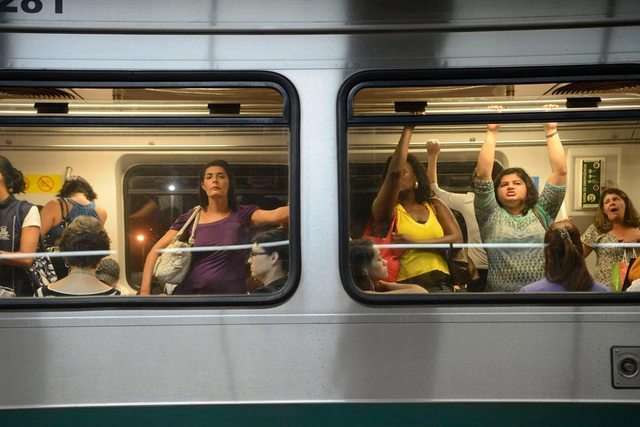
Women's subway car in São Paulo. Image: Fábio Rodrigues Pozzebom/Agência Brasil
“Our cities are patriarchies written in stone, brick, glass, and concrete.” The words of British feminist geographer Jane Darke lay bare an undeniable fact: urban development across the globe has always been the work of men. In executive roles, “the majority makes choices ranging from economic policy to housing planning, from the location of schools to bus seats, without realizing how these decisions affect women, let alone worrying about it,” says Canadian Leslie Kern, a geographer with a PhD in women’s studies from York University.
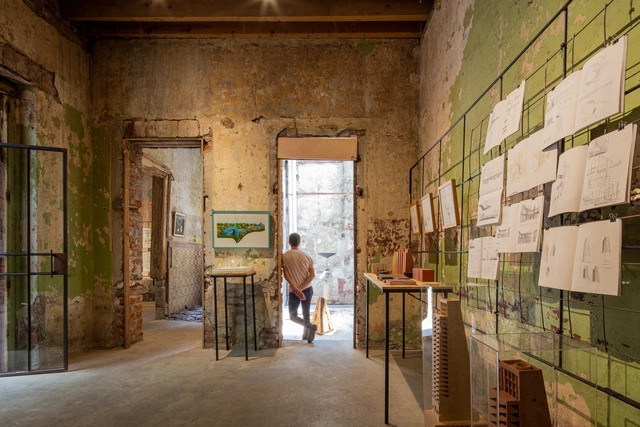
As part of a new initiative led by Francesca Borgonovo and Luis Young in Mexico City, "Preludio"—the inaugural exhibition of BY Galería—was presented from August 25 to September 3 at Proyecto Público Prim. This space arises from the question: "Is it possible to materialize architectural thought?"
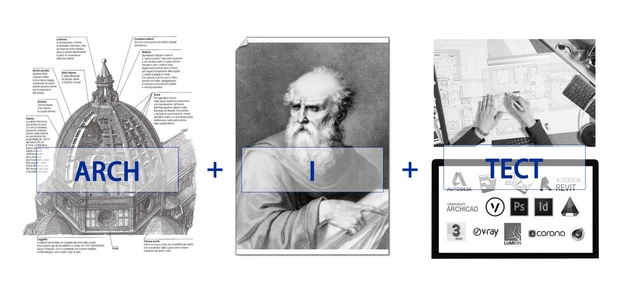
The word "architect" can be deconstructed into three parts: "Arch," the architectural "arch" which etymologically denotes "the highest, strongest, and greatest"; "I" in the middle, representing the self; and "Tect," meaning "technical tool." Historically, the very origin of the architect's identity is rooted in this definition: "to execute the ultimate construction using technical tools guided by one's own subjective consciousness."
Throughout history, the architect's ultimate pursuit ("Arch"), subjective viewpoint ("I"), and technical means of realization ("Tect") have evolved alongside shifting eras and social landscapes. Yet, the core essence of these three elements and their symbiotic relationship have remained fundamentally unchanged.
Over the past two to three decades, accelerating technological breakthroughs have driven architects to invent and reconfigure new "tech" tools for architectural design and construction, striving to keep pace with the information age. Now, with a new wave of technologies like artificial intelligence, big data, and cloud computing driving us further into a digital and intelligent era, the definitions and relationships of "Arch," "I," and "Tect" must evolve. Only then can architects truly break free from the constraints of traditional production relations.
The architect's "I" is no longer the sole agent of design and construction. Instead, by integrating "I" with "Tect," a hybrid consciousness emerges from the fusion of human and machine intelligence, ultimately shaping our destination: "Arch." Architects' cognitive methods and workflows are shifting, as a paradigm of collective collaboration ushers in new professional models.
What is the difference in this shift of agency? It is the difference between individual architectural decision-making and collaborative human-computer decision-making.
https://www.archdaily.com/1131892/how-do-architects-use-ai-architects-exclusive-perks-inside韩爽 - HAN Shuang
The new report from the Intergovernmental Panel on Climate Change (IPCC) paints a troubling picture: climate change is already affecting every corner of the world, and far more severe impacts lie ahead if we fail to halve greenhouse gas emissions this decade and immediately scale up adaptation measures.
https://www.archdaily.com/1131911/impact-of-climate-change-6-findings-from-the-2022-ipcc-report-on-adaptationKelly Levin, Sophie Boehm e Rebecca Carter
Cortesía de Alejandro Merino Guerrero, Gianella S. Díaz Castañeda
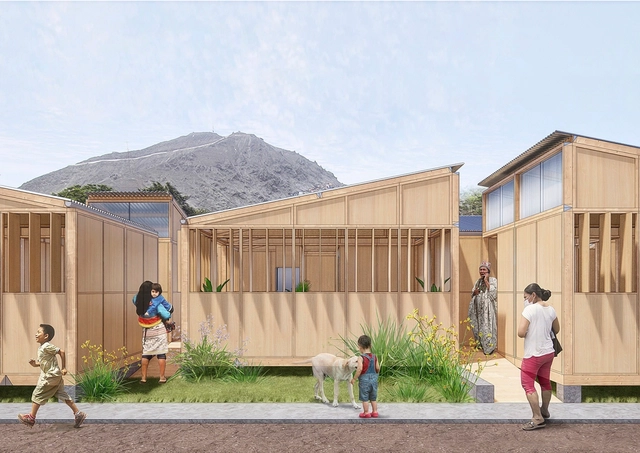
Within the framework of the project "Inclusive Preparation, Effective Response: Strengthening community preparedness and protection systems through an inclusive and gender-sensitive approach in the communities of the Cantagallo area in Lima," developed by the consortium of Plan International, COOPI - Cooperazione Internazionale, and Humanity Inclusion, the studio Arquitectura del Medio, led by Alejandro Merino and Gianella Díaz, seeks to implement a demonstration project in the Shipibo-Konibo Community of Cantagallo in the district of Rímac, Lima, taking environmental considerations and replicability into account.
https://www.archdaily.com/1131842/conibox-emergency-housing-module-for-the-shipibo-konibo-community-in-limaDiego Vivas
"Domingos Libro" is presented by Carmelo of Enorme Studio, delving into forgotten architectural publications, books, and architecture magazines from the '60s, '70s, and '80s that harbor the most fascinating backstories.
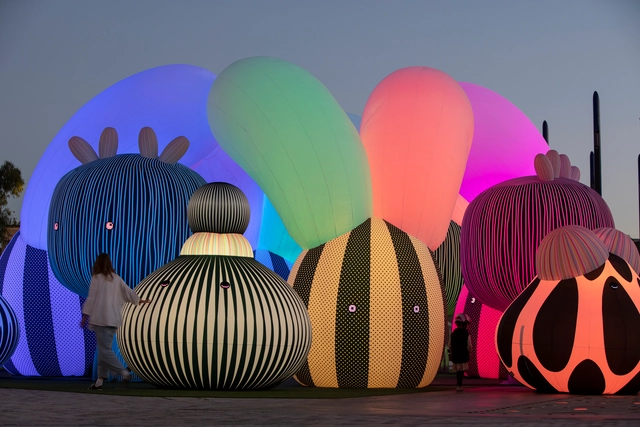
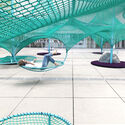
Architecture is a broad field offering diverse opportunities for practice. Increasingly, young architects are striving to carve out new paths and explore alternative professional domains. Ephemeral architecture, with its experimental and artistic nature, plays a significant role in this pursuit, prompting practitioners to observe and discuss urban, social, landscape, and environmental issues. Here, we present examples of temporary installations that highlight these concerns and transform their surroundings.
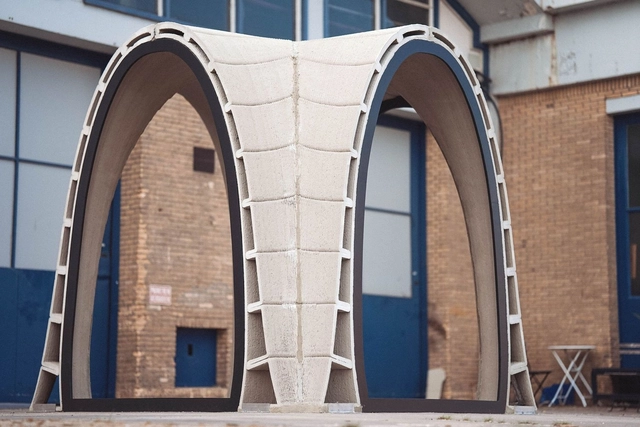
Browsing ArchDaily's 3D printing tag reveals the incredible progress this technology has made over recent years. While once considered a distant, futuristic concept or a tool limited to small-scale objects, 3D printing has matured to produce increasingly complex spaces and even fully printed buildings. More recently, researchers have been experimenting with concrete and other construction materials, though developing a highly efficient 3D printing technology viable for widespread adoption remains a challenge. The 3D-printed pavilion by Huizenprinters serves as a compelling case study.
Following nearly 50 years of rapid urbanization, urban renewal has transitioned from an era of incremental growth to one of existing stock. Urban planning has shifted from expansion toward the high-quality renovation of existing assets to reactivate spaces. Looking back at recent adaptive reuse projects by Pritzker Prize laureates, we examine how these masters respond to today's challenges of urban stock renewal.
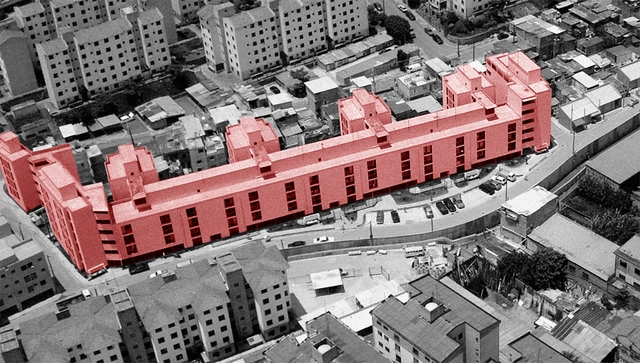
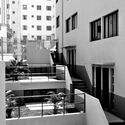
Gleba A. Photo by: Azul Serra. Collection of the Vigliecca office, edited by ArchDaily
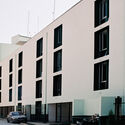
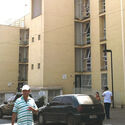
The layout of the Heliópolis neighborhood is the result of a history of informal settlements and complex urbanization. Over the last few decades, public authorities have taken varied approaches to the area, yet they have been unable to overcome the territory's informal nature, particularly regarding the complete, coordinated implementation of urban infrastructure. It was to address this context that the firm Vigliecca & Associados was invited to design the housing complexes for Glebas A and H, developed in 2004 and 2013, respectively.
https://www.archdaily.com/1131856/urbanization-of-heliopolis-the-challenges-of-intervention-in-the-informal-cityAlexandre Kok, Caio França, Gabriela Rudge, Lara Girardi, Lia Soares, Maria Clara Calixto, Marina Liesegang, Marina Saboya, Pedro Trama, Tamara Silberfeld e Valentina Kacelnik
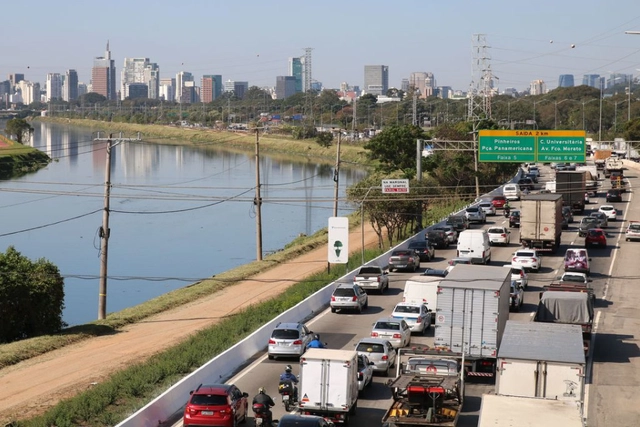
In the early twentieth century, artist Luigi Russolo presented his work “Dinamismo di une Automobile” (Dynamism of an Automobile), which depicted the power and force of automotive speed. Russolo was an enthusiast of the future and a leading voice of Futurism, an artistic avant-garde that celebrated technological development and innovation.
https://www.archdaily.com/1131875/reducing-vehicle-speeds-can-improve-trafficRuan Victor Amaral
Bringing together citizens' aspirations and providing a technical response, this new model for Santander in northern Spain, projected toward the year 2055, was drafted by the architecture and planning offices Landlab and Paisaje Transversal after winning the 2021 ideas competition for the project.
Below, the authors present this new model in detail, grounded in regenerative urbanism and built on inclusion, connectivity, prosperity, and resilience.
It is common to find the concept of Created Land (Solo Criado) in Master Plans (PD) and Land Subdivision, Use, and Occupation Laws (LPUOS). This concept enables the implementation of certain urban planning instruments, such as the Onerous Grant of the Right to Build (OODC) and the Transfer of Development Rights (TDR). But what exactly is Created Land?
https://www.archdaily.com/1132058/what-is-created-soil-concepts-and-examples-in-the-cityAdriano Costa
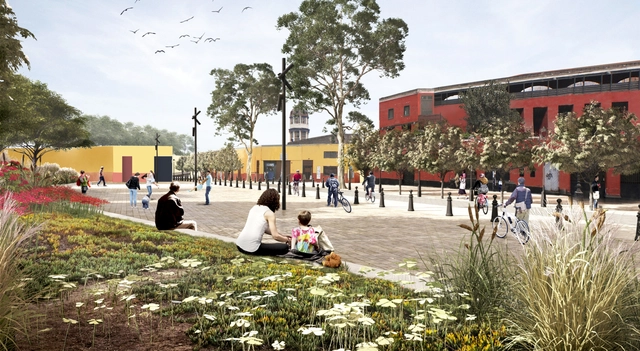
Vista de parterres inclinados y mobiliario urbano propuesto para la Plazuela de Acho, como antesala a la Plaza de Toros de Acho. Image Cortesía de Equipo Río Rímac, PROLIMA
Within the context of the comprehensive recovery of the Historic Center of Lima, the Rímac River Special Landscape Project (PEPRR) is developing a proposal for the regeneration of the iconic Alameda and Plazuela de Acho. This project—together with the other 50 interventions proposed in the PEPRR master plan—aims to spark a multidimensional recovery of the riverfront and heritage environment, while simultaneously defending and strengthening the civic qualities of Lima's public spaces through a systemic approach that coordinates mobility, the urban environment, heritage, and landscape.
https://www.archdaily.com/1132068/new-alameda-and-plazuela-de-acho-in-lima-other-futures-for-the-historic-landscape-of-rimacDiego Vivas
Brazil has steadily advanced the implementation of public-private partnership initiatives. The Radar PPP platform currently monitors more than 3,400 PPP and concession projects across various sectors, compared to just 625 in 2015. While public-private partnerships typically bring to mind PPP and concession contracts for public services, they are not limited to these models. A prime example is the Business Improvement District, or simply BID.
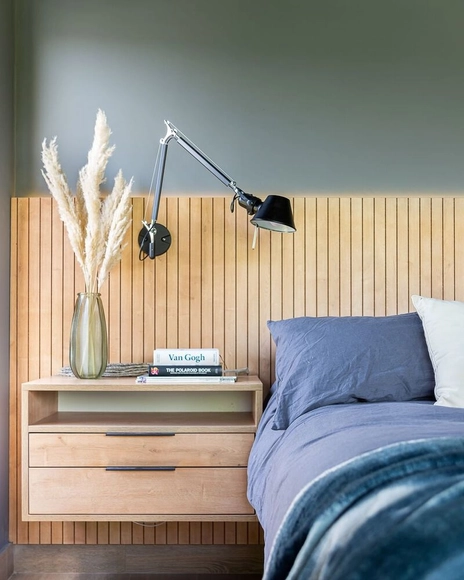
Tablero Vesto Roble Rústico con técnica de ranurado, conseguida mediante router. Posteriormente se maquillan las ranuras para disimular el sustrato MDP del tablero. Diseño de Vardeco. Image Cortesía de Arauco
There are various ways to accentuate and breathe life into a space, from adding furniture or a decorative piece to painting a wall a bold color. Yet, when it comes to elevating an interior simply, quickly, and with added texture, depth, and warmth, a grooved wood-look finish emerges as a compelling, cutting-edge solution. Indeed, it has established itself as a major trend in contemporary furniture and interior wall design, even taking center stage at the renowned Salone del Mobile Milano 2022.
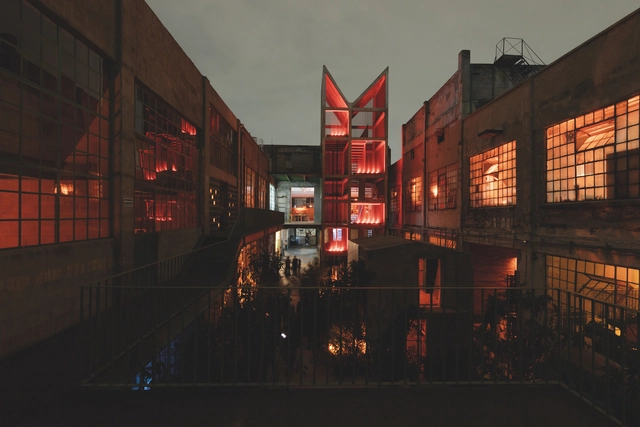
On September 23, LIGA celebrated 10 years of supporting and empowering young Latin American architects with a dinner held at its main space in Mexico City. LIGA is housed within a former textile factory (La Laguna) that originally opened in the first decade of the 19th century. Now transformed into a collaborative multi-use space designed by the architecture firm PRODUCTORA, the venue hosts independent Mexican initiatives ranging from a coffee shop and an architecture studio to a ceramics workshop.
https://www.archdaily.com/1131921/sombra-creates-a-light-installation-to-celebrate-10-years-of-liga-in-mexico-cityArchDaily Team