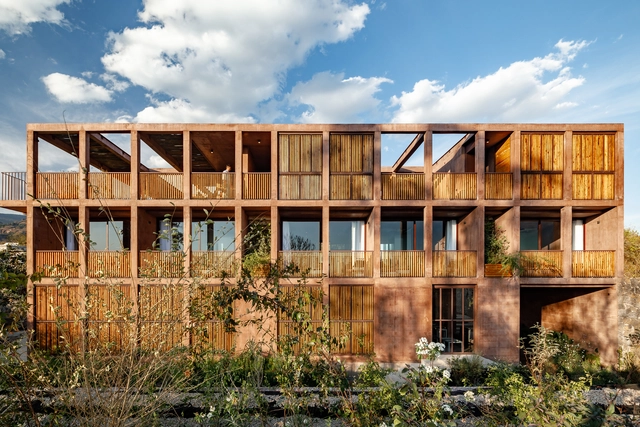
In an era of shifting paradigms, contemporary hospitality architecture is rethinking the adoption of new technologies, the incorporation of sustainability and energy efficiency principles, as well as the personalization of user experiences. Redefining the design of both interior and exterior hotel spaces, these projects integrate everything from region-specific climate design strategies to the use of recycled materials and bioclimatic design, all aimed at minimizing environmental impact.
The NGO Vivienda Local, which works through collaborative self-construction in Chile, has launched a website to monitor the progress and stages of its active projects. The platform is designed to streamline operations and enhance communication between the architects using this methodology and the self-building families.
https://www.archdaily.com/1124131/local-housing-a-web-platform-for-assisted-collaborative-self-construction-projectsArchDaily Team
It appears that the humanitarian crisis has triggered a myriad of actions, rarely seen under normal circumstances, where human life, health, and the economy are prioritized equally. As urban activities grind to a halt, we once again isolate and alienate ourselves; yet, this situation feels strangely familiar. Almost seamlessly, we turn our lives over to technology, detaching ourselves from the physical conditions of our existence to make quarantine more bearable within spaces of telecommuting, virtual classes, chats, and social networks.
https://www.archdaily.com/1124100/architecture-of-a-crisis-the-pandemic-and-virtual-spacesJulián Jerez V.
Historically, architecture is a discipline that for many years was a male-dominated territory, until in 1939, María Luisa Dehesa became the first Mexican female architect. Yet, despite the perception that gender parity has been achieved in the education of architects in Mexico, the concept of masculinity (which can be exercised by both men and women) continues to permeate architecture. This is reflected in design processes, in the figure of the "unreachable architect," in a sense of competitiveness, in hierarchical structures, and, in the most unfortunate cases, in the notion that women design interiors while men design *real* architecture.
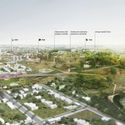
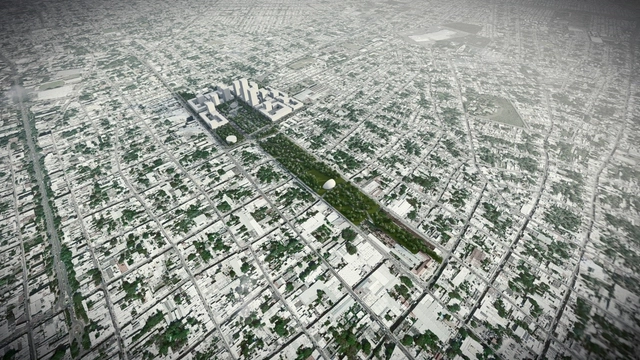
The ECOM Rosario (Metropolitan Coordination Agency) is a voluntary association of municipalities and communes, an institutional space for the planning, coordination, and promotion of public policies with regional impact, organized on the basis of a strategic partnership among 26 localities. It is essentially an organ for driving the formulation, development, and execution of projects at a metropolitan scale, established with the goal of supporting balanced and integrated territorial development in the Metropolitan Area of Rosario (AMR), Argentina.
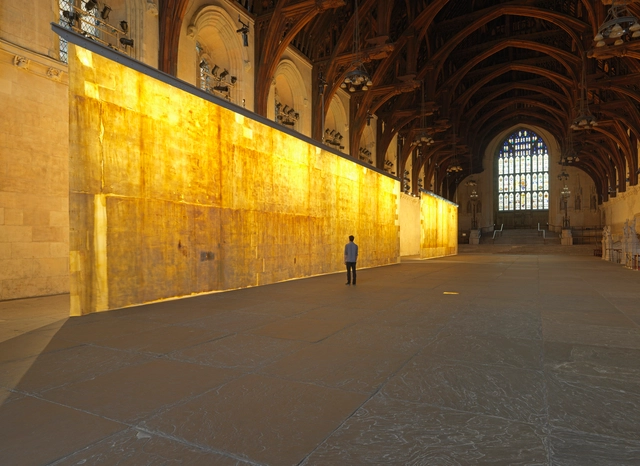
"I am interested in how we transition as people from one phase of life to another, and as cultures from one historical period to another. Transitions are often difficult, maybe even frightening." With this introduction, we can expect the work of artist-architect Jorge Otero-Pailos to offer a different perspective, particularly in how we understand the passage of time in architecture throughout history.
Below, he shares photographs of his series "The Ethics of Dust," which highlights the cleaning of dust and pollution residue from renowned historical buildings and monuments—making the invisible visible.
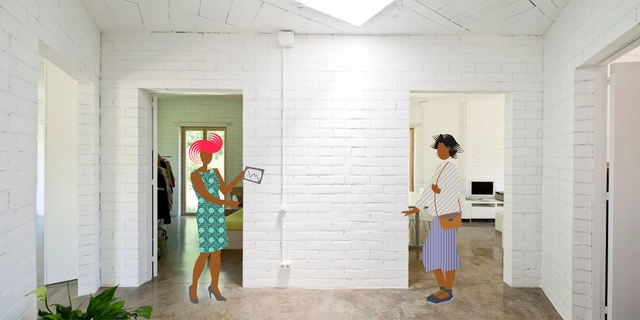
Have you ever had to convince your friends or family that an exposed brick wall can be more appealing than a plastered, white-painted one? Or that exposed building systems can offer significant advantages when it comes to maintenance? Do we connect better with a smooth backdrop for hanging art than with the textures of exposed materials?
Tepoztlán is a region located in the state of Morelos, in the south-central part of the country, bordered by the states of Guerrero, Puebla, the State of Mexico, and Mexico City. Spanning an area of 242.646 square kilometers, it is one of the 111 Pueblos Mágicos (Magical Towns) designated to boost tourism by highlighting the unique attributes of each destination.
Videos
"Ya no estoy aquí" dirigida por Fernando Frías. Image Cortesía de Netflix
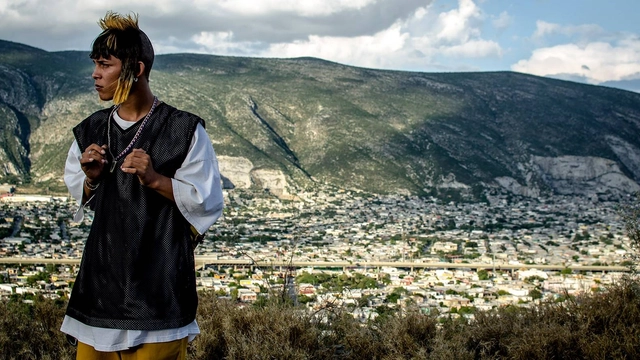
Directed by Mexican filmmaker Fernando Frías and winner of the Morelia International Film Festival, “I’m No Longer Here” (“Ya no estoy aquí”) is a film that has been widely discussed across various disciplines. It highlights the specific values and struggles of a territory while transcending borders to showcase the most human and global aspects of our shared world.
The city belongs to everyone; it is a reflection of who we are as a society. That is why we must care for it—because it is ours! We have a civic commitment. (Civic, from the Latin civis / City, citizen, from the Latin civitas)
When we were still nomads, we fought our first battles with sticks and stones. The reasons for aggression against members of our own species can vary, ranging from securing resources and territory to seeking revenge or even power. Battles between different tribes have accompanied human evolution on Earth. Ever since the creation of cities, warfare and the combat equipment of each era have been important factors to consider in the planning of urban centers.
https://www.archdaily.com/1124208/how-wars-shaped-our-citiesPaulo Sa Vale
Despite UNESCO's recognition of specific World Heritage sites, many of them remain in constant danger of disappearing due to natural phenomena like earthquakes and human factors such as urbanization. By definition, these landmarks are vital to human history, possessing characteristics that reflect the deepest values of diverse civilizations. Nevertheless, much of the global population has never experienced them in person.
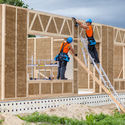
Climate change is arguably one of the greatest current threats to human survival, resulting from global warming driven by rising greenhouse gas (GHG) emissions, of which carbon dioxide (CO2) is the primary contributor. Globally, buildings accounted for approximately 40% of CO2 emissions in 2018, when factoring in direct, indirect, and embodied emissions (over the lifecycle of construction products) (UNEP, 2019). At the same time, because the building sector consumes—and will continue to consume—vast amounts of materials to address severe housing deficits, in many countries it is a pivotal sector, offering a prime opportunity to help combat climate change. To achieve this, a key pathway is promoting the use of biomaterials.
Architectural academia is becoming increasingly aware of the contemporary and territorial challenges facing local communities. Universidad del Norte presents this series of six thesis projects by its students, exploring the coastal region of northern Colombia through architectural recycling, regeneration, and urban renewal.
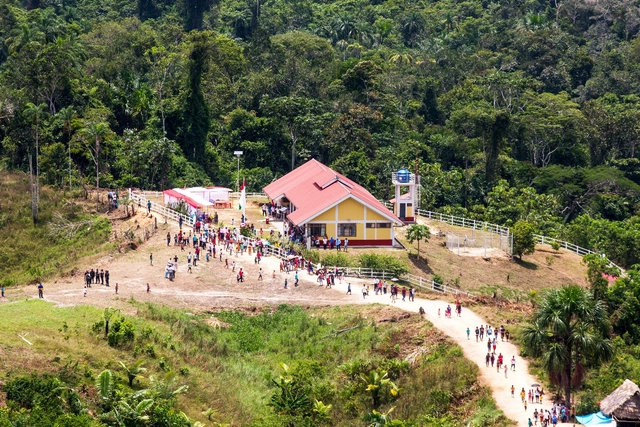
This article by Cristian Yarasca Aybar was originally published in the 11th issue of revista rita_ under the title "El problema de la distancia: las plataformas multisectoriales “tambos” como una oportunidad proyectual sistemática para el territorio rural peruano" [The Problem of Distance: "Tambo" Multisectoral Platforms as a Systematic Project-Design Opportunity for the Peruvian Rural Territory]. The research aims to identify the design potential of the "National Tambo Program" in Peru from a systematic vision of the national territory.
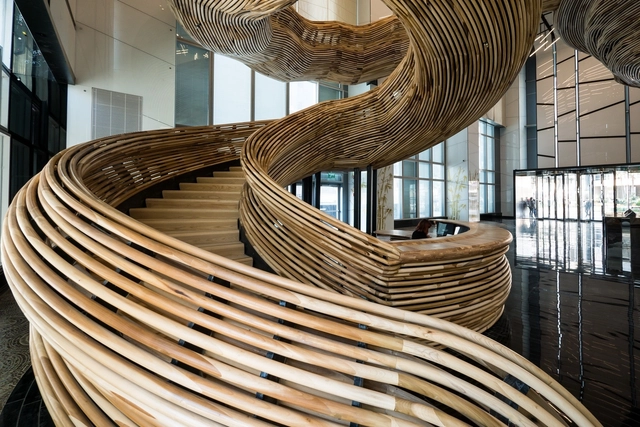
TEN Arquitectos is an architectural firm based in Mexico City, New York, and Miami, founded by Mexican architect Enrique Norten. With 33 years of experience designing from a global perspective, the practice brings a consistent international sensitivity to every new space it creates. This body of work has been recognized with numerous national and international awards, including the Mies van der Rohe Award for Latin American Architecture, honors from the national American Institute of Architects (AIA) and various US chapters, Architectural Record, Architect Magazine, Architizer, and Biennials in Mexico, Argentina, and Ecuador, as well as the Royal Institute of British Architects (RIBA), among others.
This article by Paula Jaén Caparrós and Enrique Azpilicueta Astarloa was originally published in the 7th issue of rita magazine under the title "Reversible Architectures of Japan: The Houses of Shirakawa-go" as part of a joint publishing collaboration. The following text invites reflection on the design and construction principles found in these traditional Japanese houses, which could be recovered and applied to contemporary proposals that integrate disassembly, recovery, and relocation of the entire built object as key elements of sustainable architectural design.
https://www.archdaily.com/1124330/reversible-architecture-in-japan-the-houses-of-shirakawa-goPaula Jaén Caparrós y Enrique Azpilicueta Astarloa















_11.44.10.jpg?1595954667&format=webp&width=640&height=580)




_11.44.10.jpg?1595954667)





.jpg?1591798247 "2000 Ocean. Image © TEN Arquitectos")