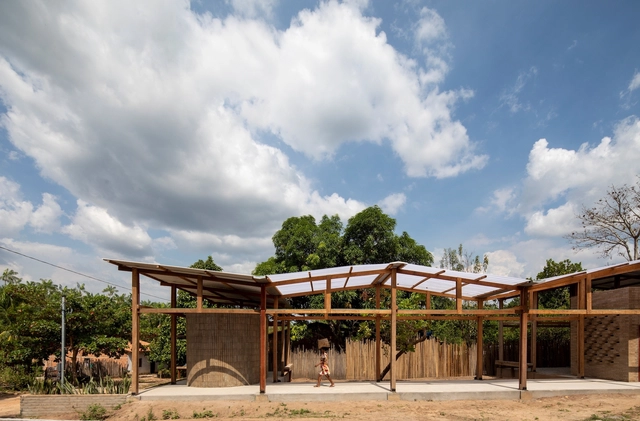
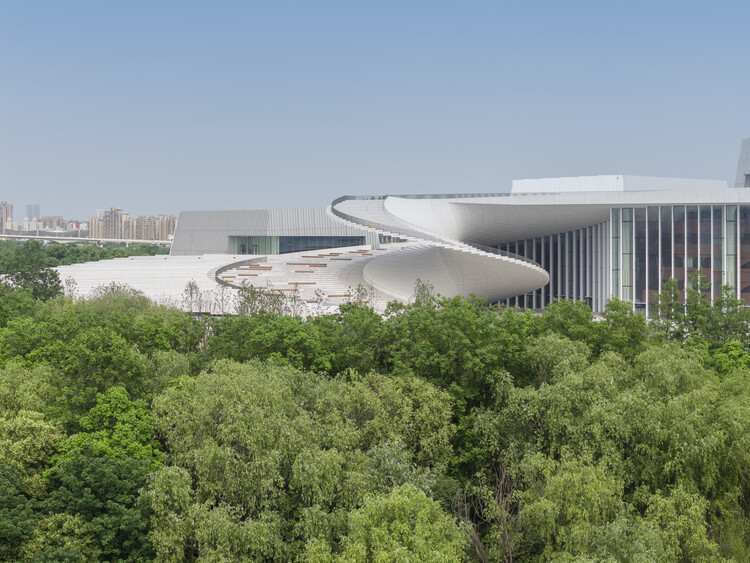
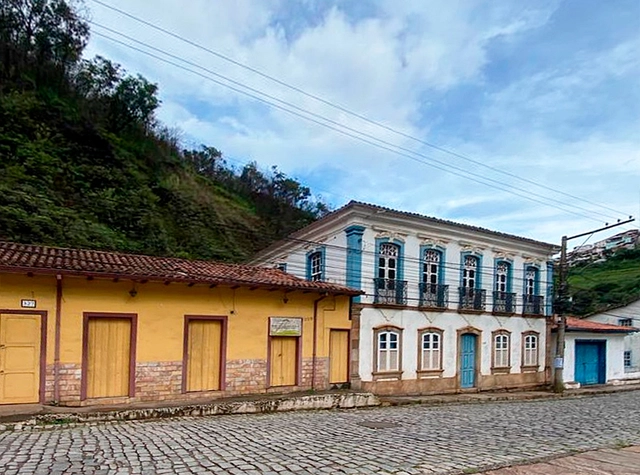
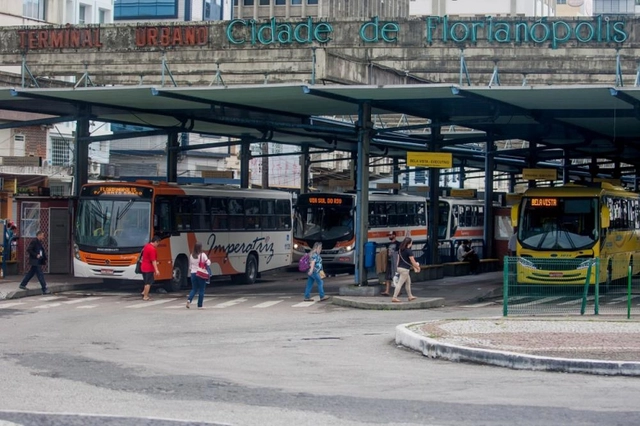
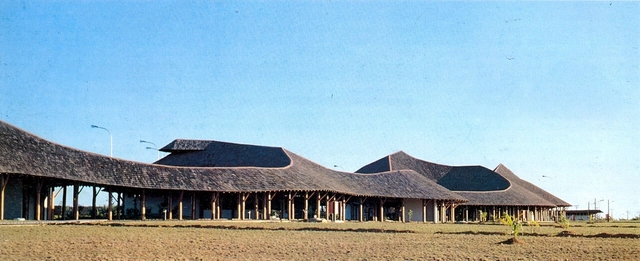
The Tomie Ohtake Institute and AkzoNobel have just released experimental videos about the three winning projects in the Professional category of the 9th Tomie Ohtake AkzoNobel Architecture Prize. The films feature Casarão 28, the Quebradeiras de Babaçu Reference Center, and the São Benedito Route.
https://www.archdaily.com/1078767/instituto-tomie-ohtake-releases-films-about-the-winning-projects-of-the-9th-tomie-ohtake-akzonobel-architecture-prizeArchDaily Team
We invite you to participate in ArchDaily’s Obra del Año Award! We ask you to recognize and reward the projects making the greatest impact on the built environment. By voting, you help celebrate architecture across all scales, purposes, and conditions, becoming part of an interdependent, unbiased, and distributed network of jurors who have already narrowed down nearly 1,000 projects to select just 15 finalists representing the very best of our architecture.
Remember that registered users can vote for their favorite project. Voting ends on April 3, 2024, at 11:59 PM (GMT-3), and the winners will be announced on the morning of Thursday, April 4. Thank you once again for helping us continue to democratize architecture!
The 2024 Obra del Año Award is brought to you by Dornbracht, renowned for its leading architectural designs, which can be found in bathrooms and kitchens worldwide.
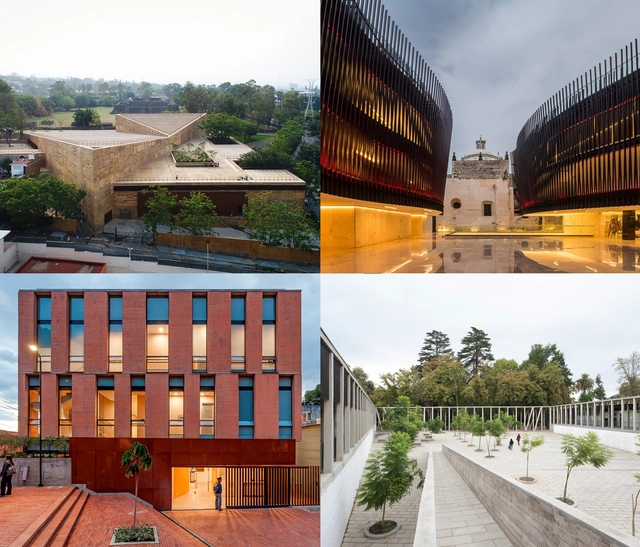
The ‘Rogelio Salmona Latin American Architecture Prize: open spaces / collective spaces’ seeks to recognize built works of architecture that create significant spaces for citizens, helping to foster more welcoming cities. Unlike previous editions, this year two categories were established: Latin America and Colombia.
From the 42 submissions, the jury—comprising Sol Camacho (Brazil/Mexico), Nicolás Campodónico (Argentina), Carlos Campuzano (Colombia), Carlos Jiménez (Spain/Colombia), and Mauricio Rocha (Mexico)—selected 26 Latin American works to be published, featured, and exhibited during this 2024 edition. The final awards ceremony will take place on October 24 of this year.
Architect Cristián Castillo Echeverría was recently awarded the 2024 National Architecture Prize, honoring, valuing, and recognizing his contributions to society and to the way of living in Chile. Awarded by the National Board of the Colegio de Arquitectos de Chile, the National Architecture Prize recognizes architecture professionals whose career and ethical and professional performance serve as an example to all colleagues, whether in architectural practice, academic or institutional settings, public service, or public administration.
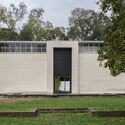
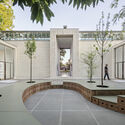
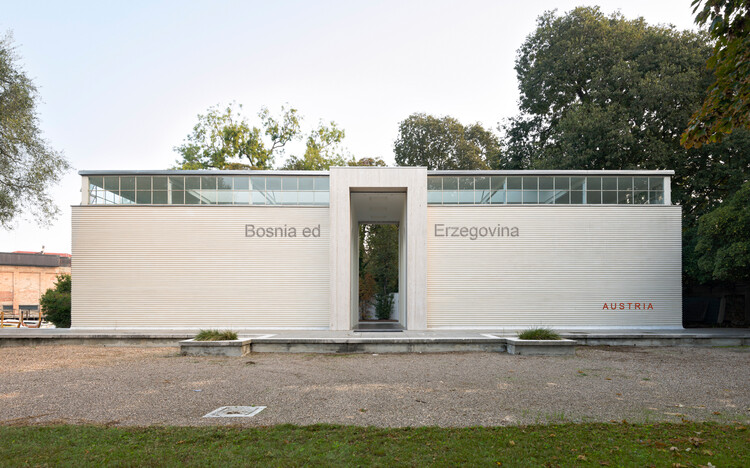
Austria has announced Koncesija / Konzession / Concession(e) as its contribution to the 20th International Architecture Exhibition – La Biennale di Venezia. Curated by architects Adna Babahmetović and Ajna Babahmetović together with curator Sebastian Höglinger, the project proposes temporarily granting the Austrian Pavilion to Bosnia and Herzegovina through a cooperative concession. Selected through Austria's open competition process, the pavilion examines questions of national representation, diplomacy, and architectural exchange by responding to the absence of a Bosnian national pavilion in the Giardini, where the Biennale's historic national pavilions are located.
A landslide on the Morro da Forca hill struck two historic mansions in the historical center of Ouro Preto, Minas Gerais, this morning, completely destroying them. The buildings were listed by the National Institute of Historic and Artistic Heritage (Iphan). Minutes before the tragedy, the area had been evacuated, and there were no casualties.
Starting today, Florianópolis residents will receive a one-real discount on bus fares paid during off-peak hours. Additionally, to facilitate short-distance travel, the City of Florianópolis is offering a 50% fare discount on six neighborhood lines. These benefits apply to all municipal transit cardholders.
Severiano Porto was honored today with the 2021 Global Award for Sustainable Architecture, organized by the Cité de l’Architecture et du Patrimoine, a French institution dedicated, among other things, to organizing events focused on heritage and architectural education. Porto, who passed away in 2020, had his work represented by Professor Marcos Cereto, a professor at the Federal University of Amazonas, and is the first Brazilian to receive the honor.
CAU Brasil is developing an Interactive Database for its Education and Training Commission. The project aims to collect, systematize, and qualitatively and quantitatively use data on education, training, research, and outreach activities in Architecture and Urbanism.
To develop this technology, CAU Brasil has launched a special bidding process to hire a software development startup. The estimated budget is R$ 100,000.
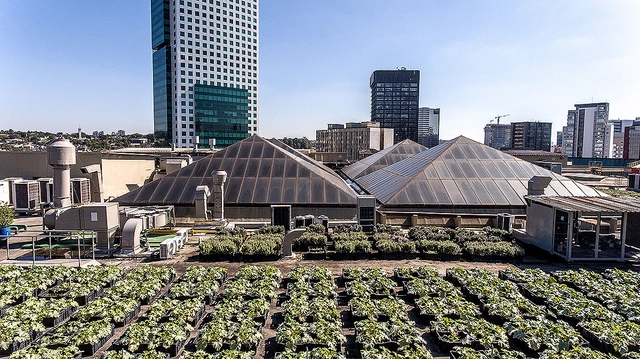
"Telhado Verde" (Green Roof) Project. Image: Courtesy of Shopping Eldorado
Aiming to find an environmentally friendly use for approximately 164 tons of organic waste generated monthly in its food courts, Shopping Eldorado in São Paulo has invested in the Telhado Verde (Green Roof) composting project since 2012. The initiative transforms food waste into organic compost, recycling more than 30% of the waste generated by the establishment.
Achieving greater independence in energy generation is one way to offset rising electricity bills. Consequently, small-scale renewable energy systems are becoming increasingly common. In Sorocaba, in the state of São Paulo, the startup Vida Maker has developed a micro-power plant that can be powered by solar panels, wind energy, and hydroelectric generators.
Operating as a generator, the system can serve as a power source for electronics, household appliances, and lighting.
Registration is now open for the second edition of the self-paced course “Heritage Education, Diversity, and Environment in the Federal District.” Open to the general public, the course is part of the work plan under a cooperation agreement signed between the National Institute of Historical and Artistic Heritage (Iphan) in the Federal District (DF) and the State Secretariat of Education of the DF (SEEDF).
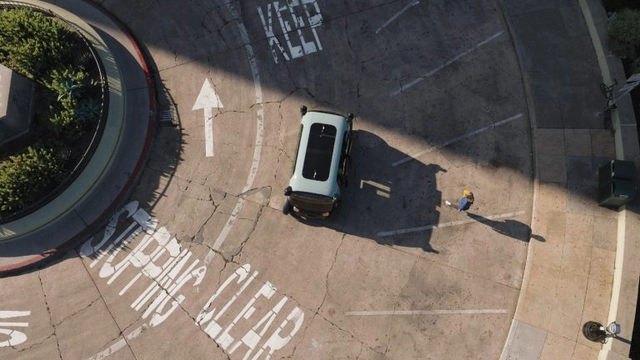
In 2020, US-based startup Zoox revealed the prototype of its autonomous electric vehicle. Now, the robotaxi is entering an advanced testing phase in California.
Resembling a minivan, the vehicle is tall, boxy, and features sliding glass doors. Its large wheels and rounded corners stand out, giving it a cartoonish appearance.
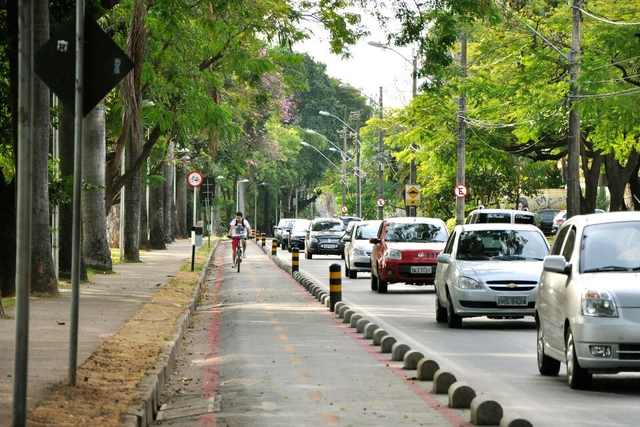
In 2021, the average London driver spent 148 hours in traffic jams—double the national average, according to a new report by Inrix, a road traffic analytics company. These findings led to a BBC report that attributed this new, alleged status as the world's most congested city to an increase in bike lanes, implemented across London to ensure social distancing during pandemic travel. This analysis seems to overlook the fact that congestion in 2021 was practically the same as in 2019.
To understand what is happening, we must remember that the amount of time available to each of us limits how much we can travel. There are many things we need to fit into 24 hours and, on average, we spend only one hour commuting. This limits the accumulation of congestion in cities.
Students at Tunghai University in Taiwan have designed a type of artificial coral reef. The proposed structure is made of 3D-printed eco-friendly ceramic to help revitalize urban rivers.
While natural corals are irreplaceable and essential to ocean health, this 3D-printed structure has a specific mission: to provide shelter for aquatic organisms. This alone can help sustain various species.
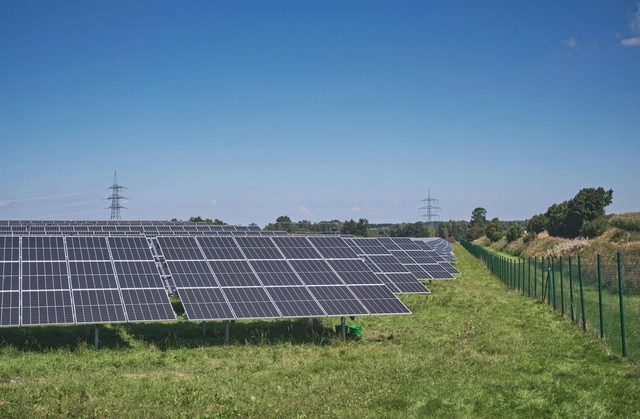
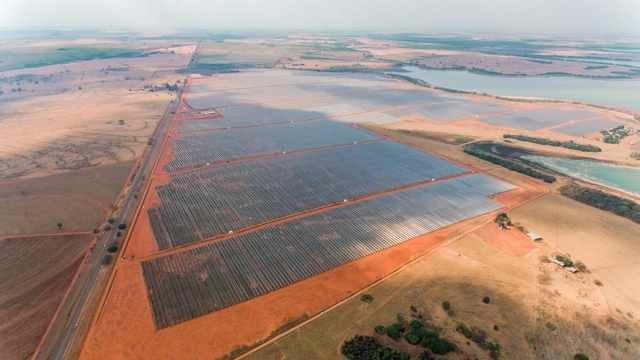
Pereira Barreto solar photovoltaic complex in the state of São Paulo. Image courtesy of EDP Renováveis
Brazil has just surpassed the historic milestone of 14 gigawatts (GW) of operational solar photovoltaic capacity, combining utility-scale plants and distributed self-generation systems on rooftops, facades, and small plots of land. Consequently, solar power now surpasses the installed capacity of the Itaipu hydroelectric plant, according to data from the Brazilian Association of Photovoltaic Solar Energy (ABSOLAR).
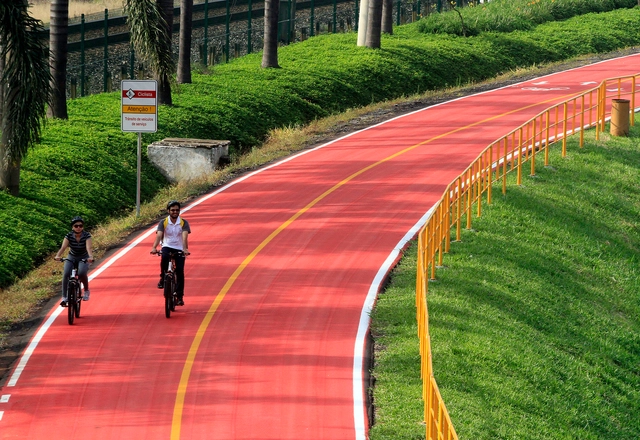
On Thursday (10), the São Paulo state government announced the project for Brazil's first long-distance highway bicycle path, the Ciclovia dos Bandeirantes, along the Bandeirantes Highway.
Located between São Paulo and Itupeva, the new bicycle path will connect the state capital to the newly launched Serra Azul Tourist District in Itupeva, spanning approximately 57 kilometers.