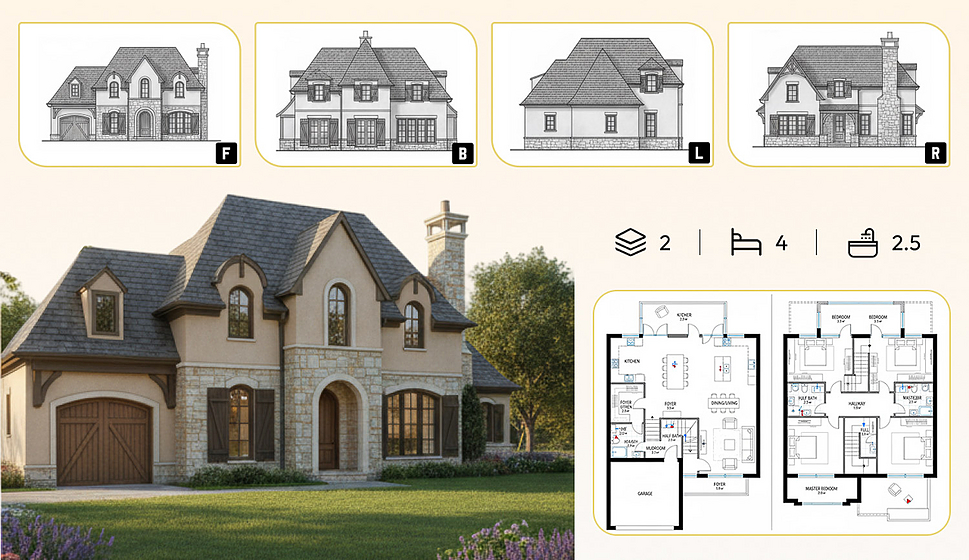
This guide covers a workflow that moves from project parameters to generated floor plans, 3D perspective views, exterior design exploration, and site context visualization, using AI tools in place of preliminary CAD and rendering work.
This guide covers a workflow that moves from project parameters to generated floor plans, 3D perspective views, exterior design exploration, and site context visualization, using AI tools in place of preliminary CAD and rendering work.
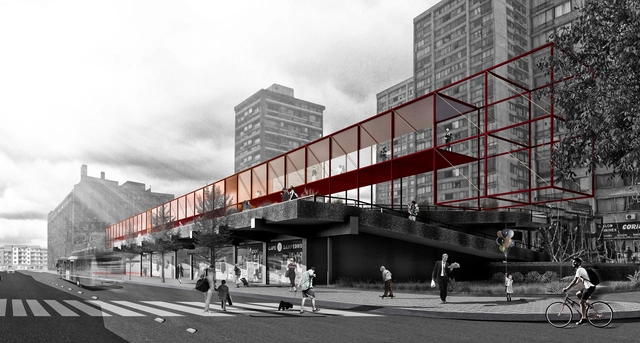
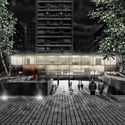
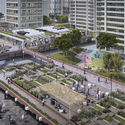
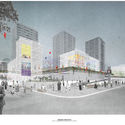
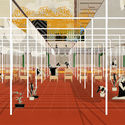
The Architecture and Landscape Ideas Competition for the Pasarelas San Borja and Surroundings announced its winning proposals during an event held on Thursday, September 6, at the National Headquarters of the Chilean Association of Architects (Colegio de Arquitectos de Chile). The main objective of the competition was to recognize, through a qualified and representative jury accredited by the sponsors, the best urban design ideas that help define intervention criteria and generate proposals for the San Borja neighborhood.
A total of 86 interdisciplinary teams registered for the competition, with 34 proposals successfully submitted and evaluated. The jury awarded first, second, and third place, along with three honorable mentions. Additionally, a Neighborhood Mention was awarded to two projects highlighted by the Neighborhood Advisory Commission during the evaluation process.
Discover the winning projects below:
The measure is based on the principle that it makes no sense to continue applying the same rules to two such different types of vehicles.
Mayor Valérie Plante has promised improvements to the city's cycling infrastructure. Her ideas align closely with those of Councilor Marianne Giguère, who is responsible for sustainable development and transportation. Giguère believes that, under current laws, the message to cyclists is that they must be just as cautious as drivers, “even though you [the cyclist] pose much less of a danger.”
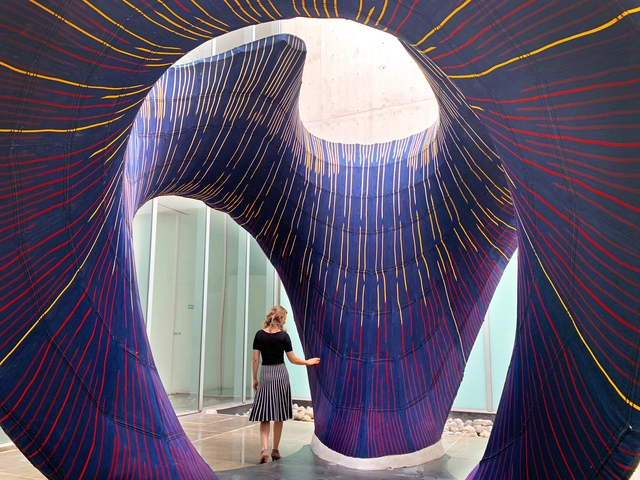
As part of Zaha Hadid Architects' first exhibition in Latin America, the Museo Universitario de Arte Contemporáneo (MUAC) in Mexico City is hosting an experimental structure that pays tribute to Mexican architect and engineer Félix Candela. "Design as Second Nature" showcases several projects by architect Zaha Hadid through models, audiovisual materials, paintings, and photographs, exploring her practice's creative process and highlighting the importance and complexity of design as the articulating axis of forms and construction processes in her work.
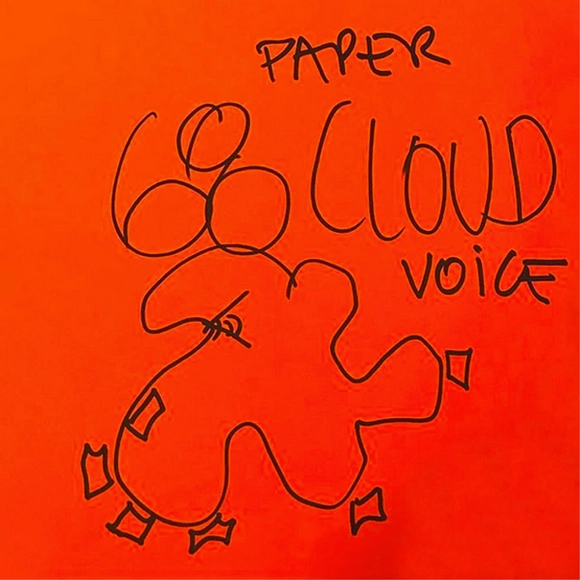
Chilean architect Smiljan Radic, along with Patricio Mardones, are the curators of the exhibition CLOUD '68 - PAPER VOICE, which will be on display from March 14 to May 18, 2018, at the Department of Architecture, ETH Zurich, Hönggerberg in Switzerland.
This exhibition commemorates the 50th anniversary of the social revolution of May 1968, paying tribute to radical European thought and its architecture from 1950 to 1970, which generated diverse perspectives of expression and design forms.
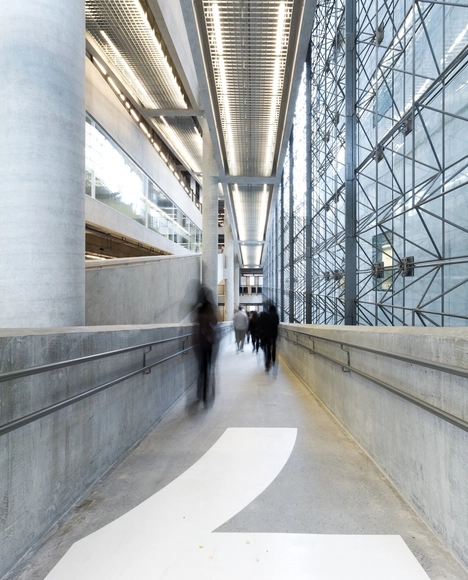
Last Thursday, during the opening of the exhibition featuring the 13 finalist projects – selected from 244 submissions representing 17 Brazilian states and the Federal District – the winners of the 5th Instituto Tomie Ohtake AkzoNobel Architecture Prize were announced.
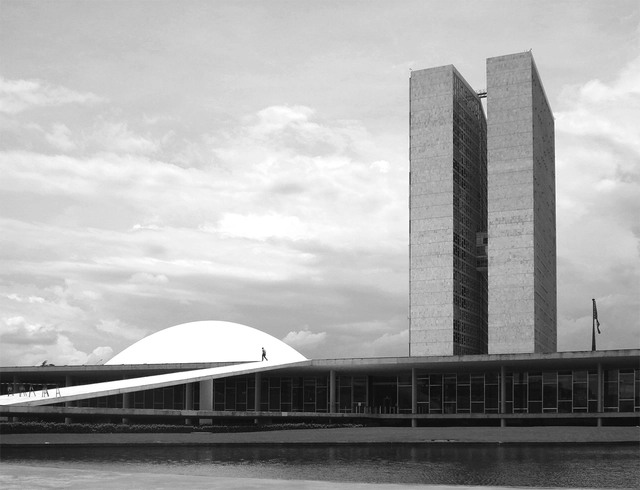
With the votes counted, the first round of the presidential election was not enough to determine the country's next political leader; candidates Fernando Haddad, of the Workers' Party, and Jair Bolsonaro, of the Social Liberal Party, will face off once again in the runoff vote on October 28.
Political differences and ideological discrepancies aside, the next president will have, among many other tasks, the responsibility of providing federal support for the development of Brazilian cities—home to about 87% of the country's population. To contribute to the debate and—if it is ArchDaily's place to do so—help undecided voters make up their minds, we have compiled below the proposals of both presidential candidates for the future of cities, based on their respective government platforms, covering topics such as housing, urban development, infrastructure, sustainability, mobility, and the right to the city.
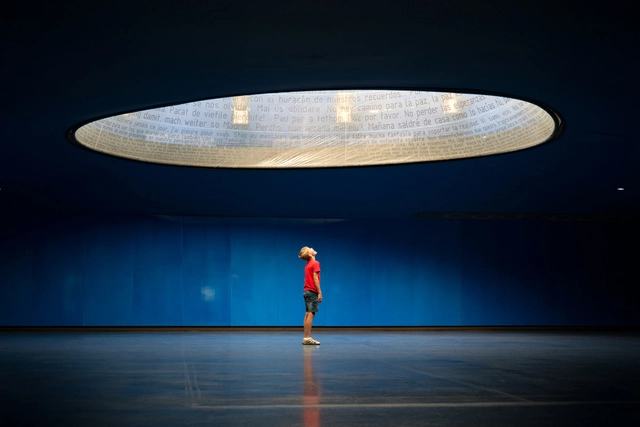
Eleven years after its inauguration, the Madrid City Council has announced a renovation and upgrade plan for the monument to the victims of the March 11 (11-M) terrorist attacks at Atocha Station in Madrid, Spain, as reported by the Spanish newspaper El País.
Designed by Estudio SIC, the monument to the victims of 11-M was inaugurated in 2007, three years after the attacks perpetrated by a terrorist cell on March 11, 2004. The attack consisted of the simultaneous explosion of 10 bombs on four commuter trains, claiming the lives of 193 people and leaving more than 2,000 injured, making it the worst terrorist attack in Spain's history.

Yesterday, July 12, a partial collapse occurred at Plaza Artz Pedregal, a high-end shopping mall in southern Mexico City. Designed by the prominent Mexican architecture firm Sordo Madaleno Arquitectos, the collapsed section appears to be an overlapping cantilevered volume, as seen in social media videos of the incident and renderings released in 2016. The cause of the collapse remains under investigation.
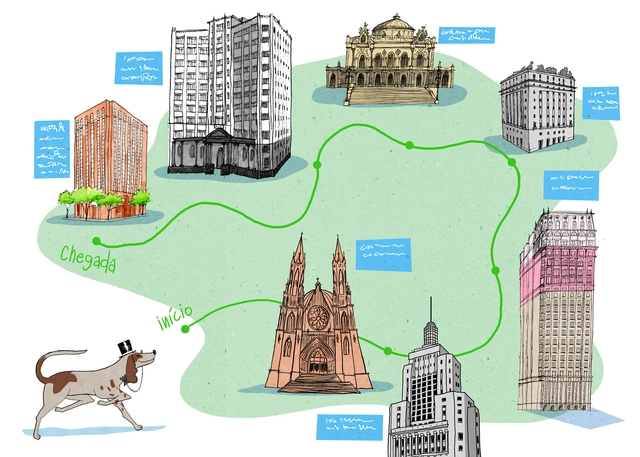
How many discoveries can a walk through São Paulo reveal? What if this expedition felt like a treasure hunt and was led by a friendly, highly curious dog? Inspired by the success of the Prédios de São Paulo trilogy, a project conceived by Matteo Gavazzi, comes Prédios de São Paulo para Crianças. Set to launch in July 2018, the children's book features text by journalist Tatiana Engelbrecht and illustrations by Daniel Almeida. The book is published by GAPS Editora.
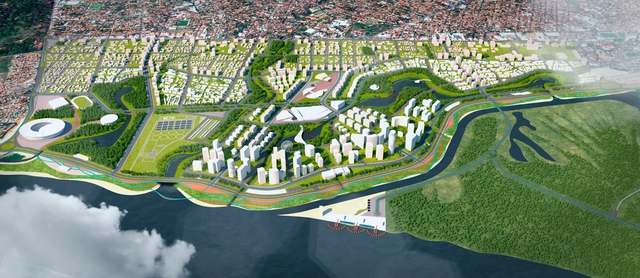
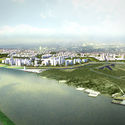
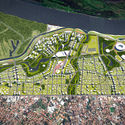
The competition sought the urban, environmental, sociocultural, economic, and management design of a 514-hectare area in Asunción, the capital of Paraguay. Located on flood-prone land along the Paraguay River near the Historic Center, the area features high environmental and social vulnerability, with thousands of families living in precarious settlements in high-risk zones. A total of 41 projects were submitted by participants from the United States, Mexico, Portugal, Spain, the Dominican Republic, Brazil, Chile, Uruguay, Argentina, Peru, Ecuador, Bolivia, São Tomé and Príncipe, and Paraguay. The Brazilian team—composed of the firms TESE Tecnologia Arquitetura e Cultura LTDA and Oficina Urbana de Arquitetura (OUA)—received the only honorable mention.
The brief called for an urban design proposal, including the design of public spaces, aimed at connecting the area with the rest of the city and fostering the relationship between the city and the river, based on the principles and guidelines of the Master Plan for the Northern Coastal Fringe. The evaluation criteria focused on the need to recover and enhance the urban-environmental dimension of the intervention area, alongside developing a strategy for its connection to the city, strengthening its identity and potential, and providing physical and visual accessibility and permeability within an integrated urban intervention vision. See the overall competition results and the Brazilian team's project, along with their project description, below.
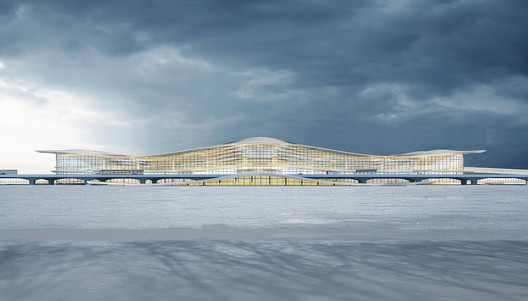
An international consortium comprising Aedas, China Southwest Architectural Design and Research Institute (CSWADI), and Shanghai Civil Aviation New Era Airport Design and Research Institute has won the design competition for the architectural planning, scheme, and construction design of the Phase II expansion of Yantai Penglai International Airport.
The new 167,000-square-meter Terminal 2 (T2) is designed to handle an annual passenger throughput of 23 million. The expansion plan also includes a new close-spaced runway. Looking ahead to 2040, the terminal is projected to expand to 200,000 square meters to accommodate up to 34 million passengers annually.

The debate over the roles of architects and engineers and the perceived overlap of their professional scopes has driven a series of recent protests in Portugal, sparked by parliament's approval of a bill that allows engineers to sign off on architectural projects.
Under these circumstances, the frustration of architects and their resentment toward their engineering colleagues is understandable. However, in an article published by the newspaper Público.pt, Gonçalo Cano Moniz offers an alternative perspective. In hopes of reversing this unfortunate decision, he seeks to reunite engineering and architecture as the complementary fields they are, using historical arguments to shift the focus to the true consequence of the legislation: the weakening of both professions—architecture for having been undermined, and engineering for being assigned "responsibilities for which it is clearly unprepared."
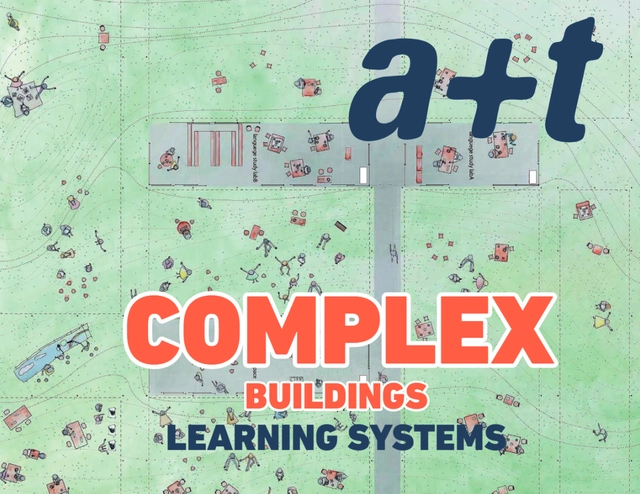
School buildings house complex systems. From kindergarten to university faculty, the journey through the levels of learning consists of an accumulation of vital experiences resulting from the interaction between these systems.
The educational function, as functionalism termed it, now builds its environments under new paradigms that reflect and respond to an increasingly diverse and complex social agenda.
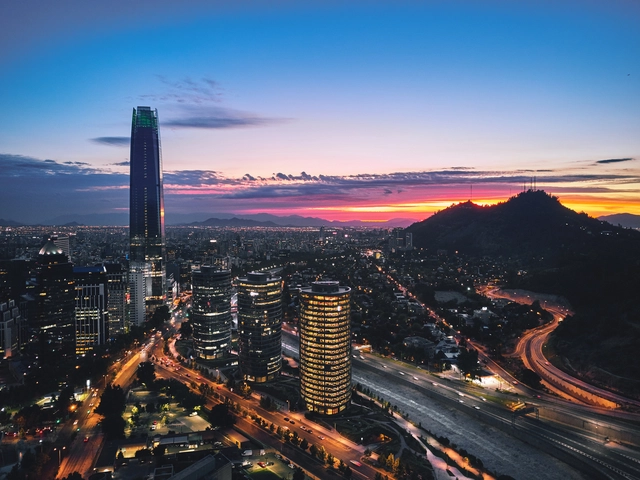
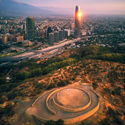
Offering a perspective unusual for locals, Instagram user Deensel photographed Santiago by drone during a visit to Chile. The results feature bucolic sunsets over Santa Lucía Hill, cool summer nights in the city's dense downtown, and unprecedented views of the so-called Sanhattan district, crowned by the Costanera Center —the tallest skyscraper in Latin America— and the Titanium Tower.
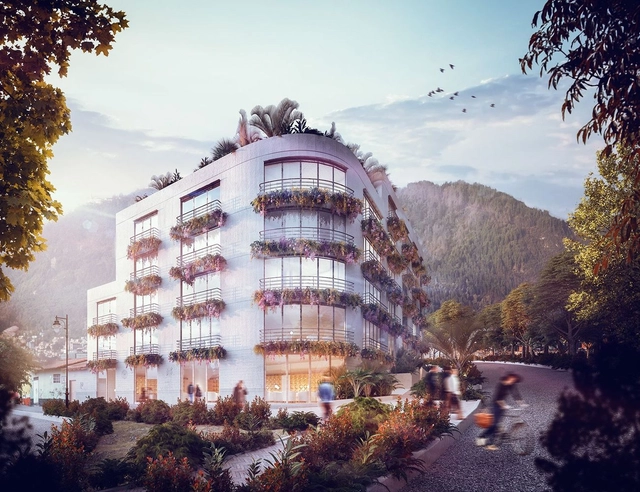
Renowned for his work with guadua bamboo, Colombian architect Simón Vélez will build his first steel project in Bogotá, according to the local newspaper La República.
The project, named La Primera, is a residential building in the La Candelaria neighborhood of the Colombian capital, and will feature 60 one- and two-bedroom apartments. Joining Vélez on the project are the firm A Korn Arquitectos, the construction company Kandelaria, and Geografía Urbana as urban planning consultant.
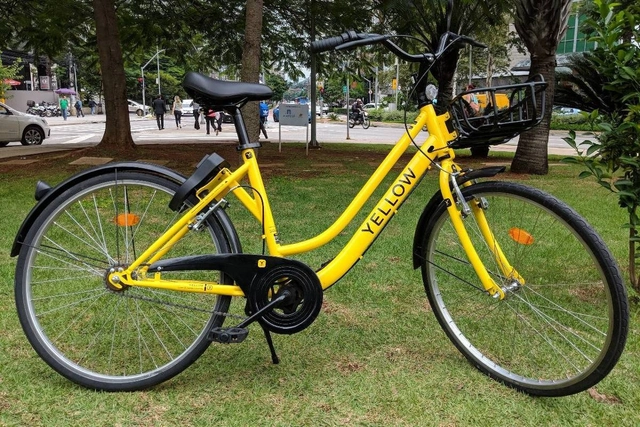
São Paulo will soon have a new bike-sharing system. Developed by the company Yellow, the system will deploy 20,000 vehicles and will not feature stations—the bicycles will be left freely on the streets.
Known as "dockless," the service already operates in other parts of the world, such as China and Germany, and involves leaving bikes "free" on the streets, available to users via an app that unlocks the selected vehicle. At the end of the trip, riders can leave the bicycle wherever is convenient, and it locks itself, remaining available for the next user.
.jpg?1525880666&format=webp&width=640&height=580)
Opened on April 29, Sesc Avenida Paulista featured an installation designed by architect and designer Guto Requena at its opening.
The project, titled Empatias Mapeadas, consists of an interactive parametric sculpture featuring pulsing lights and speakers that mix and broadcast the heartbeats of the participants who touch the piece.
.jpg?1530823155&format=webp&width=640&height=580)
The CitYzens Collective and the Arkco-CUC research group at the Universidad de la Costa (CUC) conducted a collective mapping exercise in the Plaza de la Paz, located in the historic center of Barranquilla, Colombia. The event took place on June 1, 2018, at this emblematic public square.
The initiative not only involved collaboration with urban design collectives like Colectivo 016, but also drew the participation of dozens of citizens and passersby. They made symbolic contributions to "Save Barranquilla" by mapping their experiences, identities, appropriations, uses, and collective imaginaries of the city.

Heritage-listed at both the state and federal levels, Teatro Oficina, designed by Lina Bo Bardi and Edson Elito, is at risk of having its surroundings profoundly altered by the construction of two 100-meter-tall residential towers. The project, led by the Silvio Santos Group, was approved by the National Historical and Artistic Heritage Institute (Iphan) during a meeting on May 29.
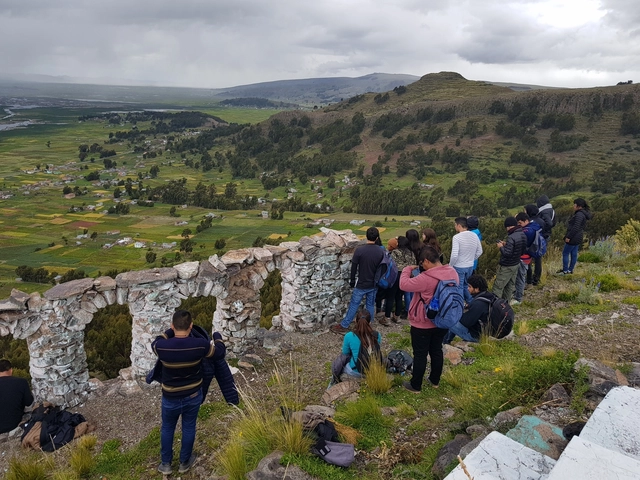

On the shores of Lake Titicaca, nearly 250 students from 15 countries kicked off TSL Puno 2018 in Peru, marking the 15th edition of the Latin American Social Workshop, led by the Latin American Coordinator of Architecture Students (CLEA) and the Peruvian Organization of Architecture Students (OPEA).
Continuing a tradition that began in 2002, architecture students from across Latin America are joining forces with public and private entities, architecture collectives, workshop leaders, faculty, and members of civil society to conceptualize, design, and build public amenities across the Spanish-speaking world.
.jpg?1536064648&format=webp&width=640&height=580)
The California Assembly voted in favor of SB 100, a Senate bill that sets the state on a path toward 100% renewable energy generation. The legislation establishes a new target of obtaining 60% of the state's electricity from renewable sources by 2030 and reaching 100% clean and renewable energy by 2045. Governor Jerry Brown has thirty days to sign the bill.

A project by the Federal University of Technology - Paraná (UTFPR) is cataloging the historical heritage of Curitiba and making all the information available on the website Arquivo Arquitetura. The portal is being gradually updated with all the research conducted since 2011 by more than 560 students, led by architects Giceli Portela and Iaskara Florenzano. In the near future, the goal is to install QR codes on tiles in front of all the buildings, allowing people to access the complete history of each building in real time.

The crowdfunding campaign to produce the 2019 Athos Bulcão Illustrated Calendar is now live. Through November 28, the public can contribute to the production and distribution of 6,000 copies of the calendar. In return, supporters will receive copies of the publication alongside rewards featuring the artist's work, such as bookmarks, postcards, books, tote bags, magnet sets, mouse pads, silver jewelry, and even framed tiles, as well as having their names printed in the acknowledgements section. Supporters can view the rewards and make their contributions on Catarse.

It is well known that Frederick Law Olmsted, designer of Central Park in New York; André Le Nôtre, responsible for the gardens of the Palace of Versailles; and Alan Titchmarsh, among others, were pioneers of landscape architecture for their ability to break the mold of traditional design. However, Latin America has produced outstanding work that deserves recognition. Such is the case in Mexico, where Pritzker laureate Luis Barragán showed the world the richness of the country's green spaces and his mastery in designing them.