ArchDaily
Canada
Canada
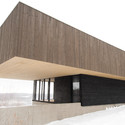
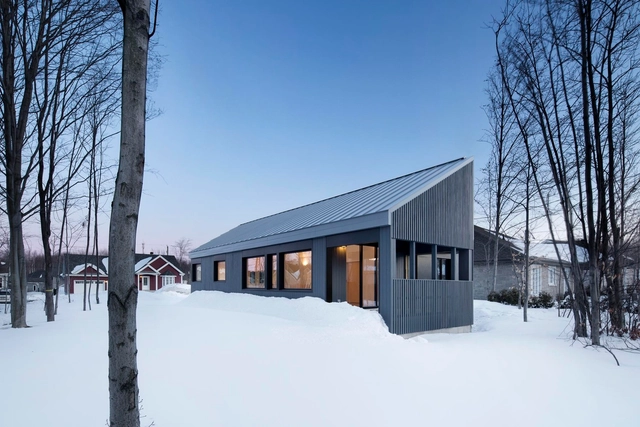
https://www.archdaily.com/536856/residence-roy-lawrence-chevalier-morales-architectes Karen Valenzuela
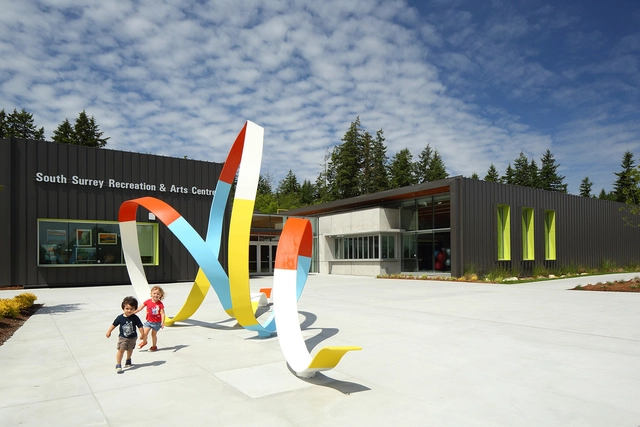
https://www.archdaily.com/528299/south-surrey-recreation-and-arts-centre-taylor-kurtz-architecture-design Cristian Aguilar
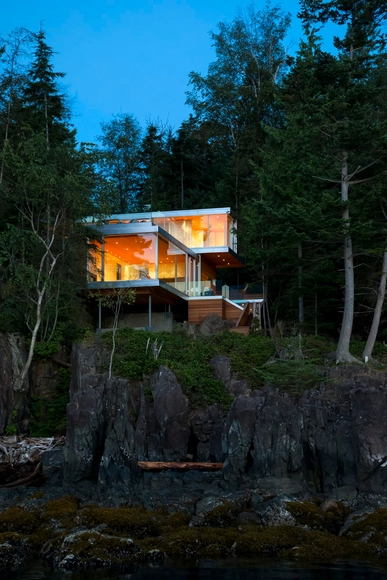
https://www.archdaily.com/522095/ocean-park-house-campos-leckie-studio Cristian Aguilar
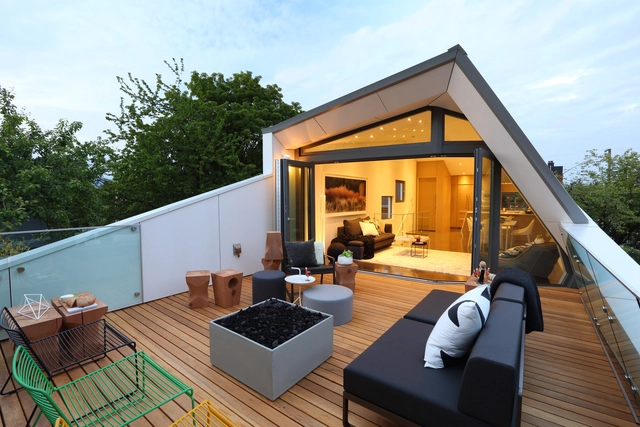
https://www.archdaily.com/522305/the-vanglo-house-lwpac Daniel Sánchez
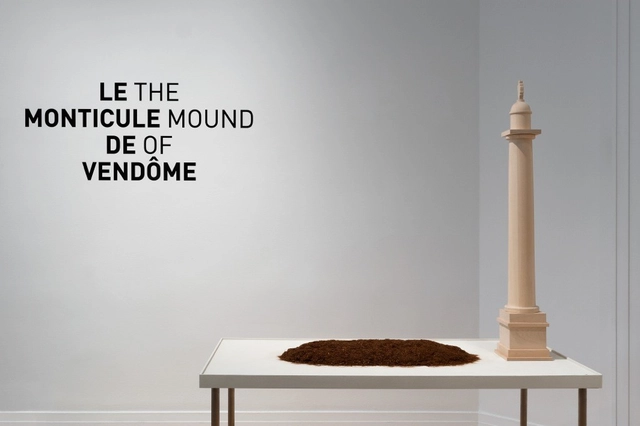
Courtesy of CCA
On view at the CCA from 19 June to 14 September 2014 and curated by architectural historian David Gissen, The Mound of Vendôme revisits one key episode of French history when the Commune de Paris in 1871 voted to demolish the Vendôme Column, abolishing all allusions to the Napoleonic era. To protect the surrounding architecture during demolition, a radical landscape was erected on Place Vendôme. Informed by the methods of experimental history, Gissen’s ongoing research project and installation at the CCA traces the provocative history of the column and mound, while arguing for its historicisation and reconstruction.
https://www.archdaily.com/522275/exhibition-the-mound-of-vendome Sebastian Jordana
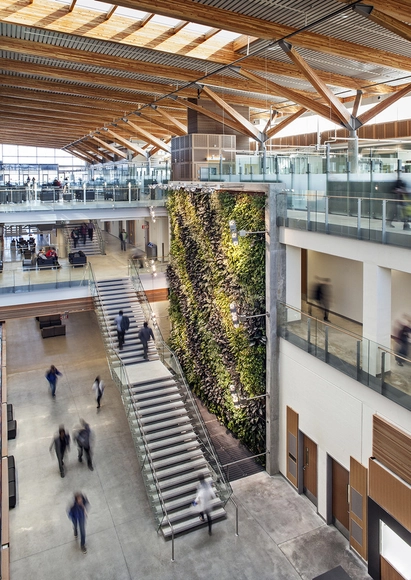
https://www.archdaily.com/520716/university-of-windsor-cei-b-h Cristian Aguilar
https://www.archdaily.com/518930/house-in-the-beach-drew-mandel-architects Karen Valenzuela
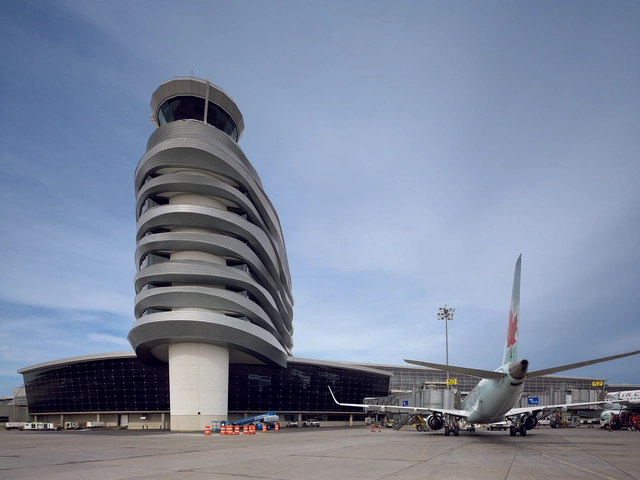
https://www.archdaily.com/517708/edmonton-airport-offices-and-control-tower-dialog Cristian Aguilar
© Bob Gundu + 14
Area
Area of this architecture project
Area:
2300 ft²
Year
Completion year of this architecture project
Year:
2011
Manufacturers
Brands with products used in this architecture project
Manufacturers: AEG Duravit Benjamin Moore , Caesarstone , Escenium HAUS , +9 Eurolite , KGA Custom Cabinetry , Liebherr , Porter & Charles , ROCKWOOL , Stone Tile , Sullivan Source , Toto , Vola -9
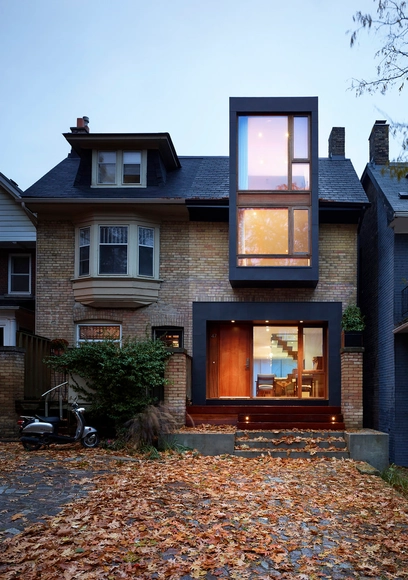
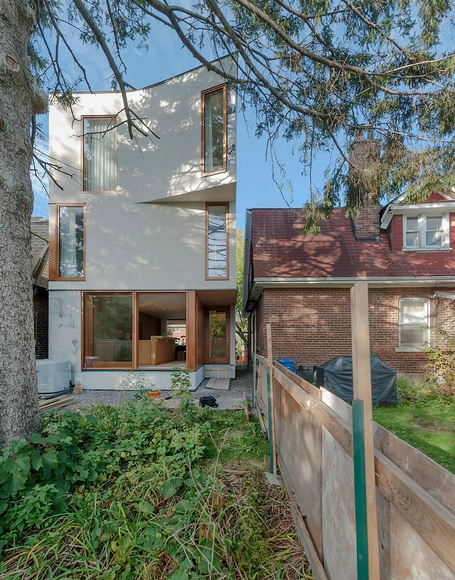
https://www.archdaily.com/516462/blantyre-house-williamson-chong-architects Karen Valenzuela
https://www.archdaily.com/514205/the-gambier-island-house-mcfarlane-green-biggar-architecture-design Daniel Sánchez
https://www.archdaily.com/511799/thunder-bay-courthouse-adamson-associates-architects Karen Valenzuela
https://www.archdaily.com/507888/sorel-residence-naturehumaine Cristian Aguilar
https://www.archdaily.com/508294/nk-mip-desert-cultural-centre-dialog Karen Valenzuela
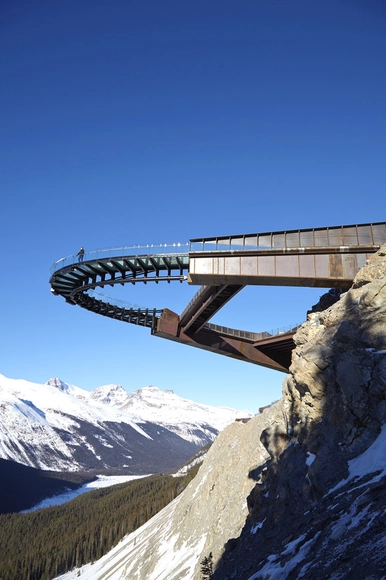
https://www.archdaily.com/505500/glacier-skywalk-sturgess-architecture Karen Valenzuela
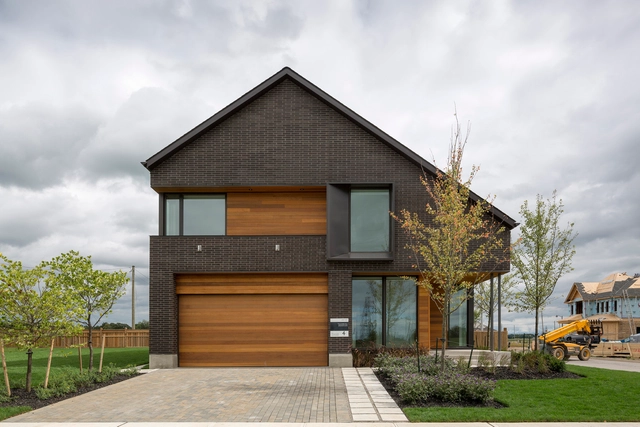
https://www.archdaily.com/503066/great-gulf-active-house-superkul-inc Karen Valenzuela
https://www.archdaily.com/503053/stealth-cabin-superkul-inc Karen Valenzuela
https://www.archdaily.com/503889/poolhouse-tongtong Karen Valenzuela
https://www.archdaily.com/503042/mineral-springs-superkul-inc Karen Valenzuela