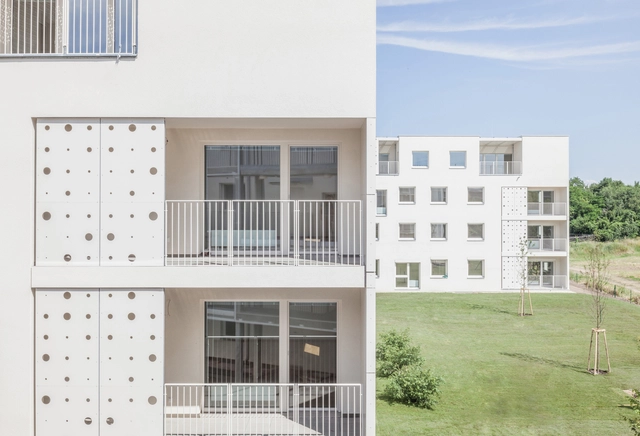
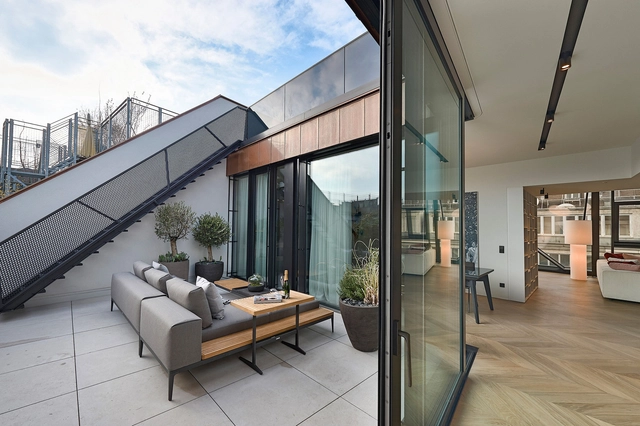
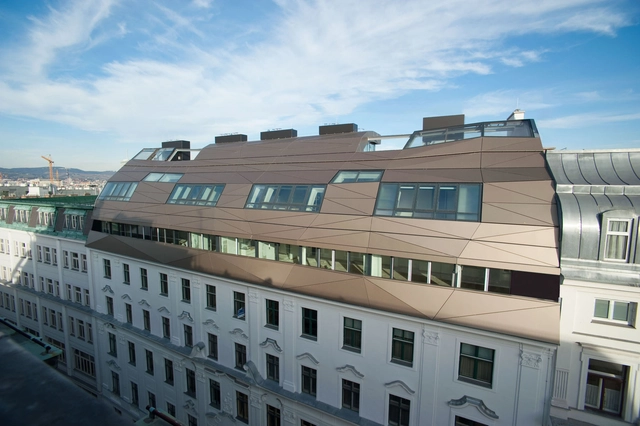
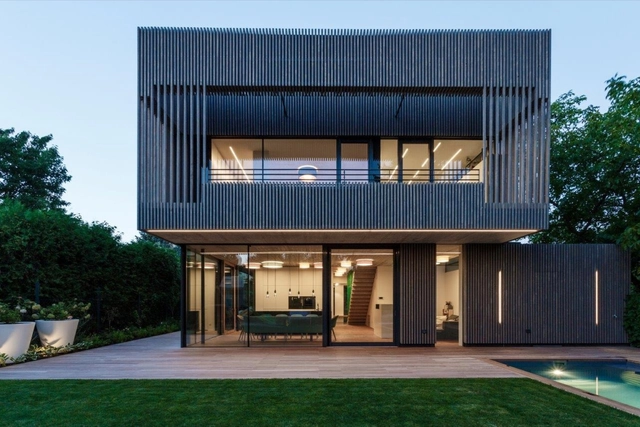
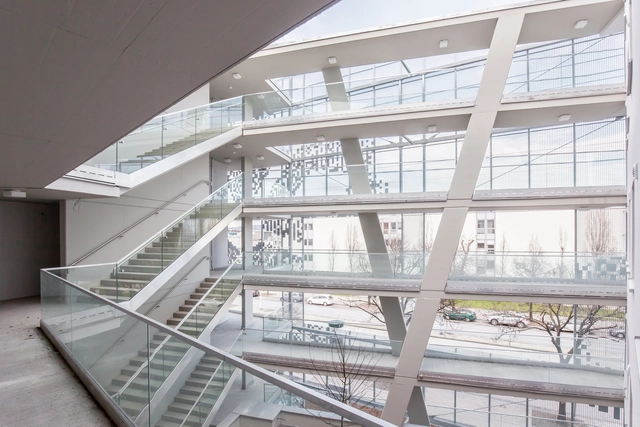
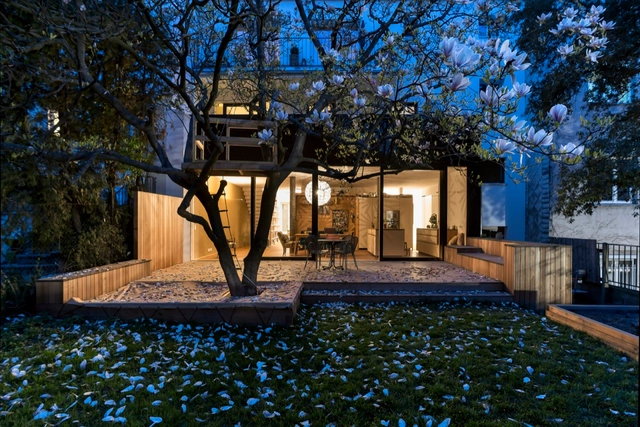
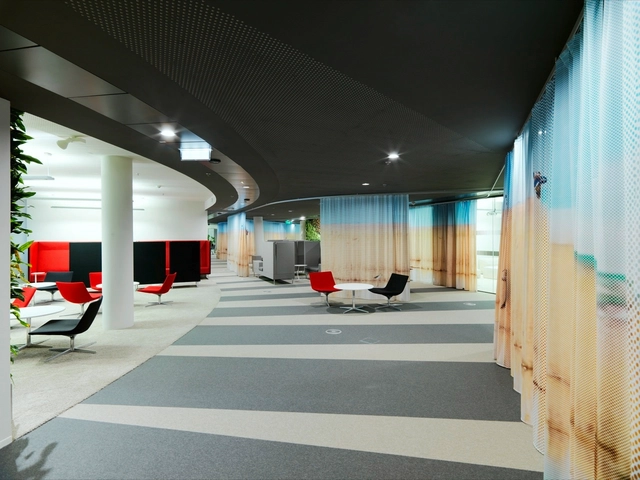
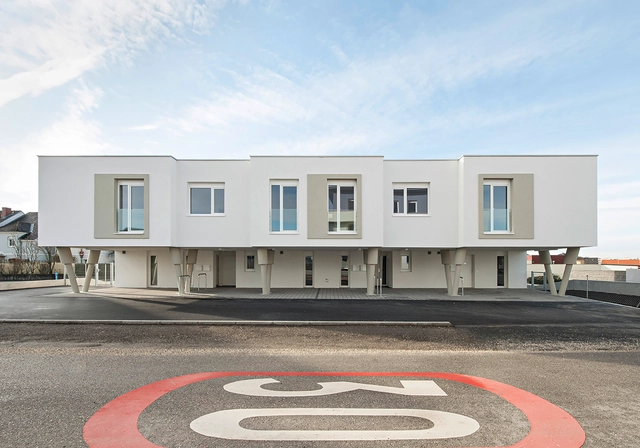
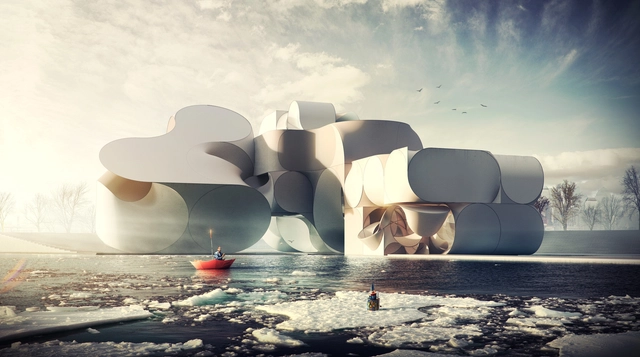
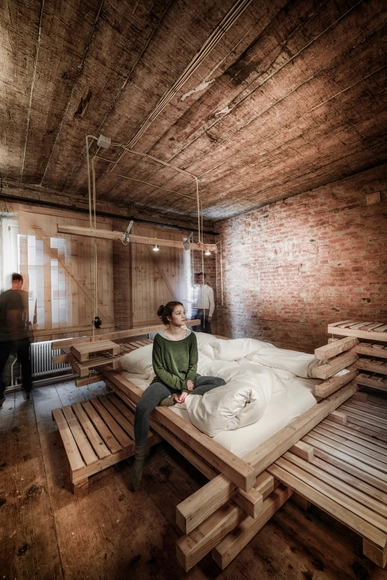
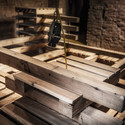
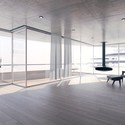
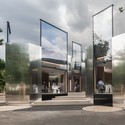
The Superscape 2016 title Future Urban Living – Functional Reduction with Maximum Space Gain opens a field for visionary design suggestions and space concepts which focus on building the urban residential space of the future. Innovative solutions are sought, combining high-quality residences with great space efficiency and the greatest functional flexibility possible. In this context, the changing needs and requirements of urban dwellers for their residences during the next 50 years shall be taken into consideration. The goal is to formulate forward-thinking concepts, to question familiar residential patterns and to risk experiments in design, but also to consider their feasibility, and to check the possibility of realising them within existing building substance and existing urban structures. Furthermore, the subject is highly relevant with regard to increasing mobility and urban traffic flow within the context of urban planning.
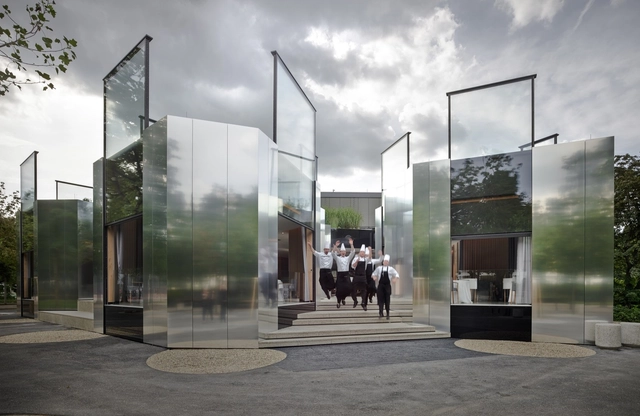
With its interior and exterior blended together, the entire building becomes a stage. Featuring large windows that allow the public to watch performances and training activities inside, people on each side are both viewers and viewed.
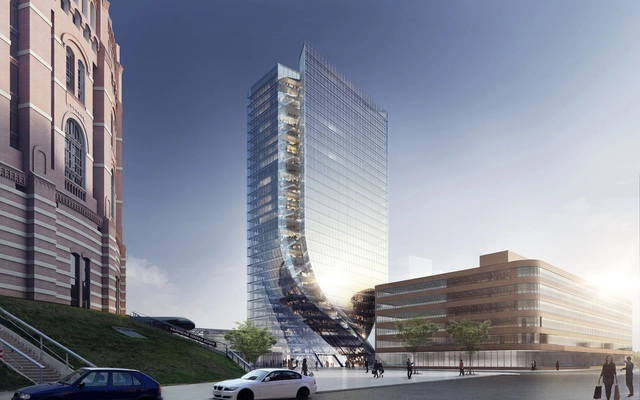
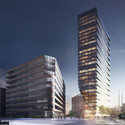
AZPML and SHARE architects have won a competition to the design a new prominent office tower in Vienna. The building, Schnirchgasse 11 “aims to strike a balance between a distinctive identity for the complex and an efficient operation, both in terms of flexibility of use and environmental performance,” by taking on a rhomboidal shape derived from the site’s geometry and shade conditions.
More about the competition-winning scheme, after the break.
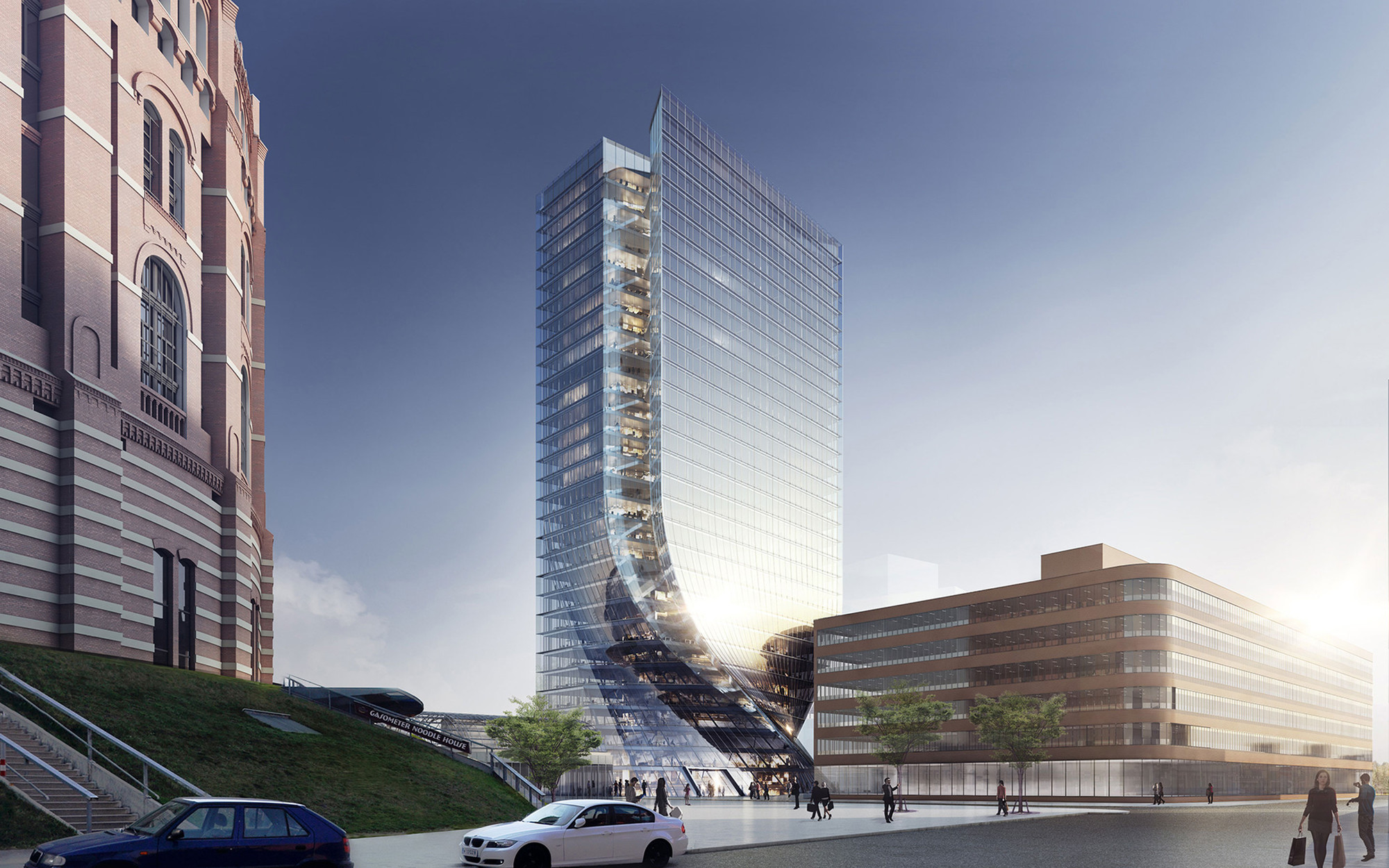
The latest competition entry, "Gate 2 Tower" from Pichler & Traupmann Architekten examines the relationship formed between a high-rise building and its local and global surroundings to create a cohesive design that bridges the problematic gap between these different scales. Employing unconventional methods, Gate 2 Tower features geometries that not only create unique interactions, but also inform each other.
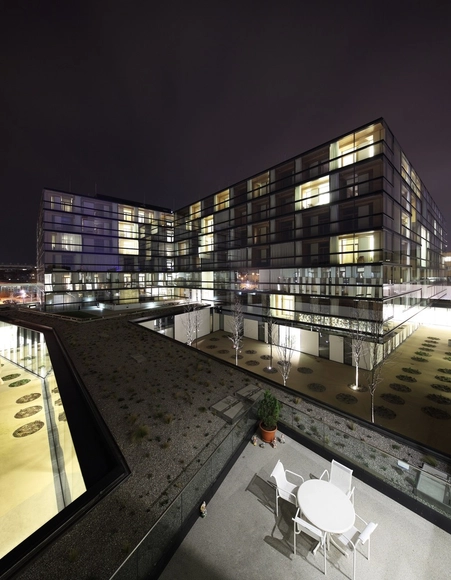
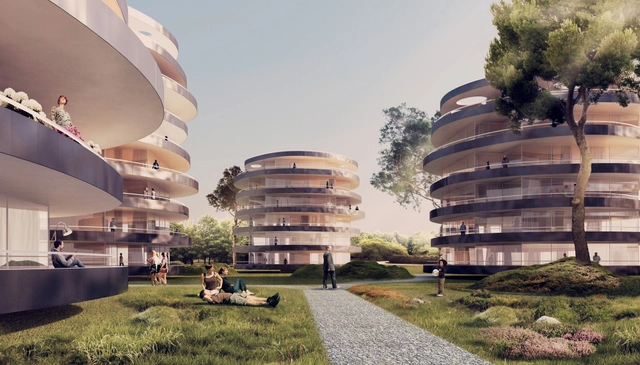
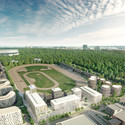
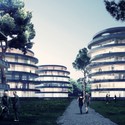
Atelier Thomas Pucher has won first prize in an invited competition to realize a cluster of “Urban Terraces” in Vienna. Described as a product of the “modern patchwork city,” the project is designed to connect its residents to the surrounding districts and open space through the “countless sight lines” preserved by the circular nature of the mid-rise buildings. This is intended to achieve a sense of “urban porosity” within a stacked residential landscape.