Architect and 2019 TIME100 Honoree Jeanne Gang leads international architecture and urban design practice Studio Gang. Her award-winning practice emphasises research, experimentation and collaboration resulting in a diverse body of work. Projects range from cultural centres, to high rise towers and installations, as described in a new comprehensive monograph, published by Phaidon.
Towards A Region Of Short Distances Call for Entries featuring photos of Seattle's current urban fabric. Image by Lisa Awazu Wellman
Before the Second World War, central Puget Sound cities grew around neighborhood nodes that were naturally limited to walkable radii around transit access. Development after the 1940s prioritized automobile mobility. Automobile dependence became a hallmark of late-20th and early-21st century American life, and the Seattle metro area is no exception.
Cross-pollinating public health initiatives with physical infrastructures
Similar to our #mOOO3 ISO[NATION] competition, we are donating everything we receive to the World Health Organization (WHO) COVID-19 Solidarity Response Fund. This time, we invite you to cross-pollinating public health initiatives with physical infrastructures.
Renowned Architects & Designers are here to generate an inquiry and an architectural/urban expression of the “Open City”, the participative and inclusive city, the life-affirming city. In doing this, the proposal is to create an alternative narrative, a creative challenge to the notions of 'city' that remain purely organizational, narrowly symbolic, exclusionary, and controlling.
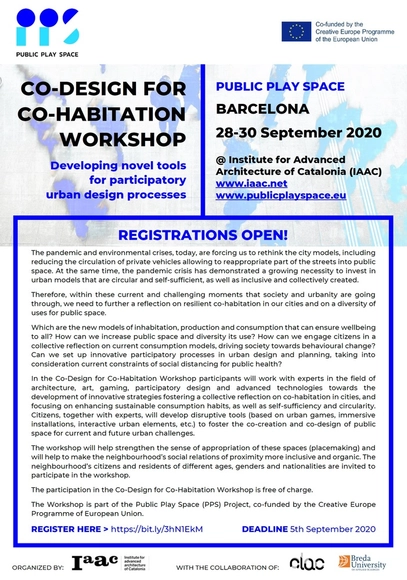
Are you interested in learning more about novel tools for participatory urban design processes? On 28-30 September 2020, PPS will be having its third Creative and Capacity Building Workshop in Barcelona titled ‘Co-Design for Co-Habitation Workshop’, developed by IAAC in collaboration with its partners of BUAS and CLAC.
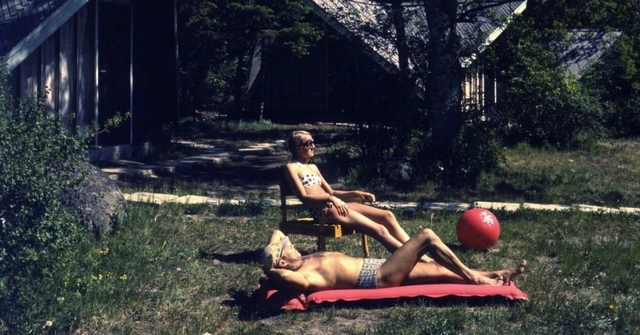
Camping ground near Tallinn, 1960ies. Photo: Estonian National Museum
The first major exhibition on holiday architecture of the Soviet period opens in the Estonian Museum of Architecture. The exhibition gives the first overview of Estonia’s rich Soviet-era holiday and summer cottage architecture heritage – buildings that made holidays accessible for a majority of people in the 20th century. It provides insight into a little-researched topic that explores the system related to holidays and the architectural context governed by regulations and codes, and also introduces outstanding buildings. It allows an important facet of Soviet life to be investigated – the expressive meeting point between institutionalized and individualized worlds.
Videos
Beyond COVID19 Open Call Poster. Registration: https://beyondcovid19-opencall.org/main
What is the question to be asked now? In the crisis from living environment that we called earth, architecture and city are facing due to COVID19, What is To be Asked Platform_WTA Platform is set up, to reflect and gather wisdom from professionals, researchers and citizens globally.
Description via Amazon. Good buildings require an understanding of the principles of structure, light, space, and material, but great buildings require an understanding of people. The most successful inspire through the interactions and connections made within them.
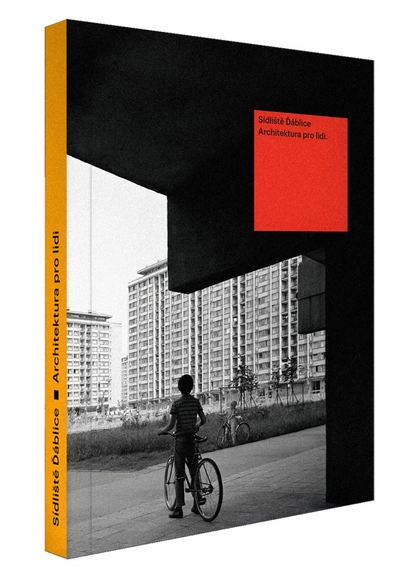
Ďáblice Housing Estate: Architecture for the people
The book The Ďáblice Housing Estate: Architecture for the People is dedicated to one of the most successful housing estates in the Czech Republic, lying in the northern section of Prague near the hill of Ládví and the Ďáblice Forest.
Safety and design are not mutually exclusive - especially when you choose EGGER products with certified antibacterial surface property. The wood-based materials manufacturer makes it easy for architects and fabricators in their projects with high hygiene requirements: the antibacterial property is included in products with the proven EGGER decor and material combination.
Competition for Conceptual Urban and Architectural Design of Independence Square in Podgorica
The fundamental objective of the competition is the selection of the best conceptual urban and architectural design of Independence Square in Podgorica, on the basis of parameters and recommendations specified by Terms of Reference. Participants of the Competition are expected to propose a design in accordance with the needs of citizens and visitors of the city of Podgorica in a way that is recognizable, unique and in line with the great significance of the square for this city. The goal is to reach the quality traffic solution that will, as much as possible, reroute the car traffic from open surfaces within the area that is subject of competition and make the space more accessible to pedestrians and more appealing to different types of users through a quality traffic solution.
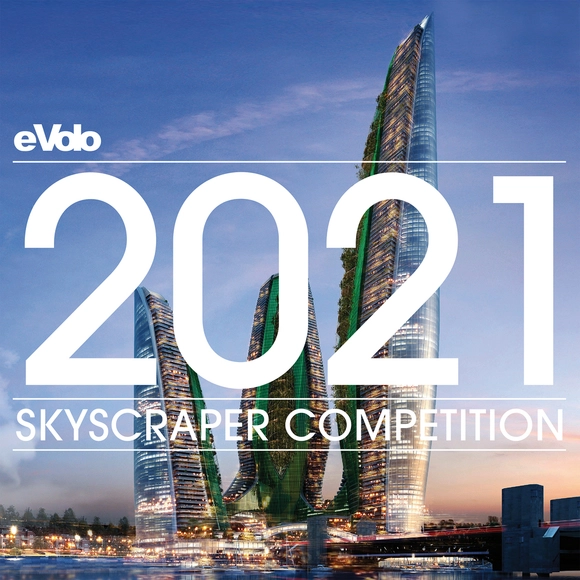
eVolo Magazine is pleased to invite architects, students, engineers, designers, and artists from around the globe to take part in the 2021 Skyscraper Competition. Established in 2006, the annual Skyscraper Competition is one of the world’s most prestigious awards for high-rise architecture. It recognizes outstanding ideas that redefine skyscraper design through the implementation of novel technologies, materials, programs, aesthetics, and spatial organizations; along with studies on globalization, flexibility, adaptability, and the digital revolution. It is a forum that examines the relationship between the skyscraper and the natural world, the skyscraper and the community, and the skyscraper and the city.
Archstorming’s new competition takes us to Senegal (Africa), a country with regions where only 50% of school-age children have access to education and where classrooms are often crammed with up to 80 students per class due to the limited number of structures.
The current COVID-19 pandemic and its response have raised critical questions about how we live and work. It has also led to a lot of us asking, ‘How can we improve our own neighbourhood?’
The city district of Zibo, the third largest by population within the Shandong province, has been a key stone mining location till recent years. The excavation activities, particularly focused on the Zichuan subdistrict, marked the rural areas of the province with invasive interventions and disruptions of the local ecosystem. The mountainous area is today characterized by woodlands, villages, mine pits in quarries and terraces built with stone. The extraction activities have been terminated, generating the need for new purpose and value in a location with unique cultural, ecological and social conditions.
The Covid-19 pandemic is far from being controlled and has already claimed over 600,000 deaths around the world. This incredible loss is compounded for many families who were not able to say goodbye to their loved ones in person due to hospital safety measures or hold proper funerals because of the incredible scale of the situation. In the face of these tragedies, how may a local community memorial honor those who have passed and bring solace to families?
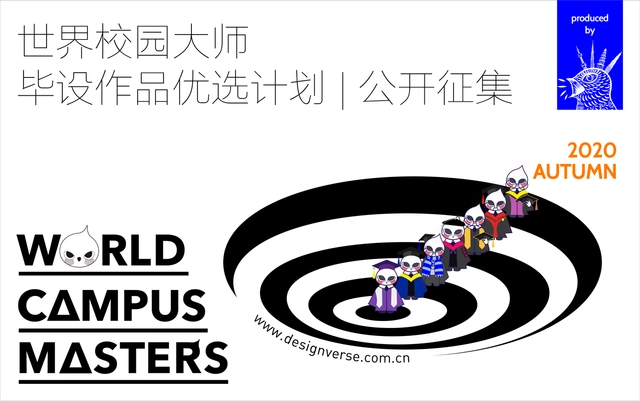
Autumn World Campus Masters Selective Graduation Design Program 2020
World Campus Masters Selective Graduation Design Program (short for "WCM Program”) is launched by an international design competition platform Young Bird Plan, and it is committed to recognizing the fresh blood of contemporary design through evaluating graduation designs from global young designers in different regions and cultures. It encourages original design and design thinking in campus to conduct a positive dialogue with global design industry and industrial development, bringing young designers and their graduation works to one of the world's most influential design platform and the cutting-edge design ecosystem.
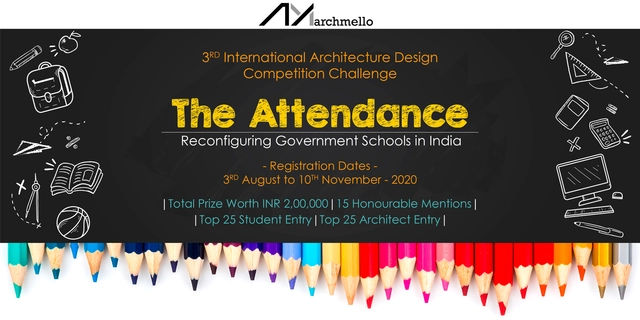
The Attendance - Reconfiguring Government Schools in India
India is home to one of the largest & complex education system in the world. There are over 1.5 million schools & more than 260 million school-goers in India. Schools providing primary education counts for 56.58% of the total number of schools in India. Students in the age group of 6 -14 years are entitled to free & compulsory education under the “Right of Children to Free & compulsory education” Act 2009 ( RTE ). There are about 10 lakh government schools in India offering primary education. But these schools are in extremely bad shape with some even lacking basic amenities such as electricity & water.