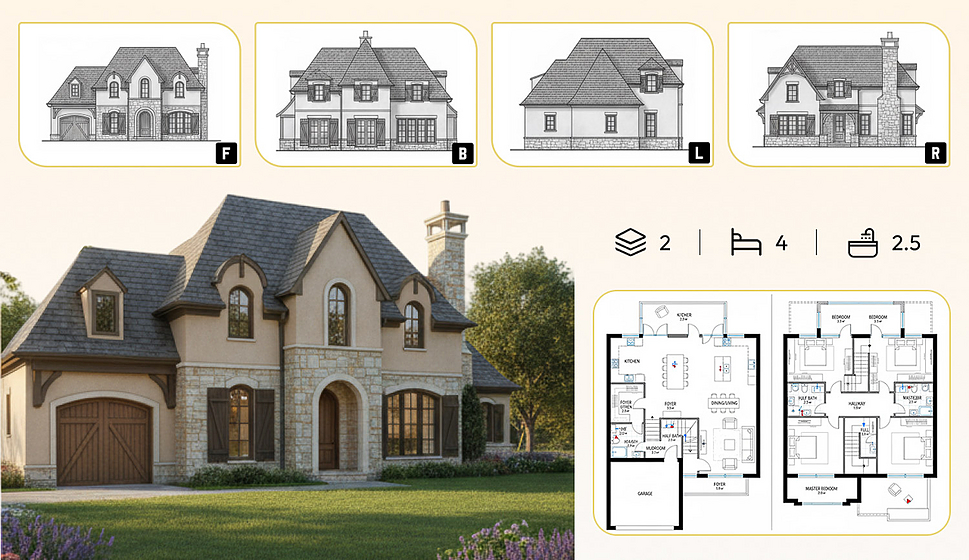
This guide covers a workflow that moves from project parameters to generated floor plans, 3D perspective views, exterior design exploration, and site context visualization, using AI tools in place of preliminary CAD and rendering work.
This guide covers a workflow that moves from project parameters to generated floor plans, 3D perspective views, exterior design exploration, and site context visualization, using AI tools in place of preliminary CAD and rendering work.
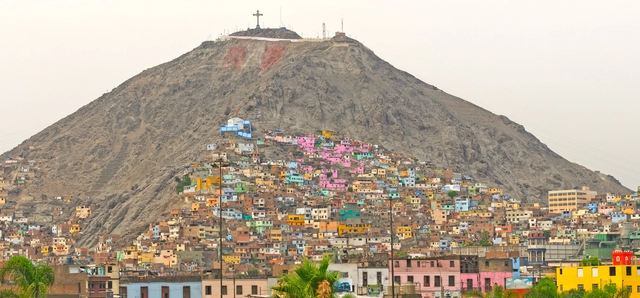
"Lima La Impostergable" (Lima, Unpostponable) is an initiative by the Lima Regional Chapter of the College of Architects of Peru. It aims to establish a roadmap for priority issues to be addressed by the 2023–2026 municipal administration of Metropolitan Lima and Callao, built through a platform of citizen engagement.
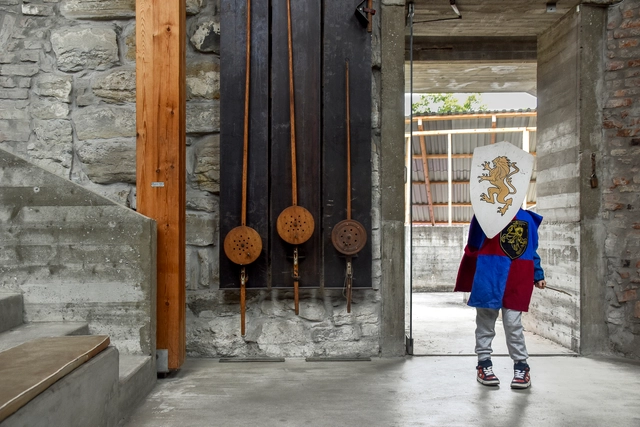
“Architecture is embedded storytelling,” wrote Marco Frascari. Emphasizing the reciprocity between architecture and narrative throughout his career, this Italian architect, theorist, and educator saw stories as the key to creating a “nontrivial”—and therefore transcendent—architecture. It is from his ideas, writings, teachings, and studies that the reflection inspiring this text arises.
Cooperative housing, or co-housing, is a residential model that promotes access to housing in cities. This model first developed in countries like Denmark and Uruguay, and it is becoming increasingly popular throughout Europe. Indeed, it arrived in Barcelona several years ago and has since steadily expanded throughout the region, spreading beyond the boundaries of the Catalan capital. Below, we explore the cooperative housing model in Barcelona and how it contributes to a more democratic architecture for its citizens.
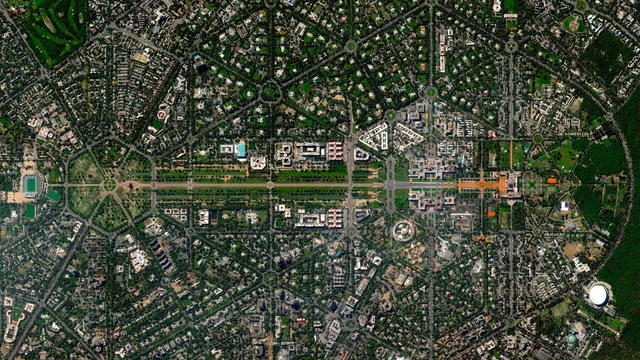
Today, technology is increasingly ubiquitous in major cities, driven by the rapid pace of capital-driven movement. A popular term to describe the relationship between urbanism and technology is “Smart Cities,” which centers on leveraging data to enhance building connectivity. However, widespread access to these new technologies has revealed how our unique experiences as citizens—driven by a strong desire to document urban environments—allow us to map and experience cities from alternative perspectives.
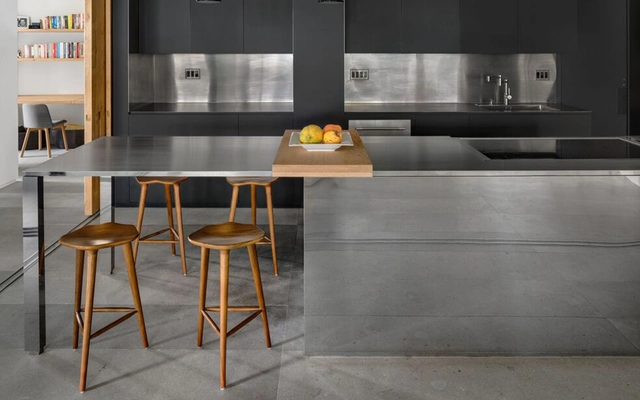
Over the years, interior design has evolved in response to changing needs, and above all, to the experiences it seeks to evoke for the user. Over the last two years, we have witnessed a radical shift and a heightened interest in this field, as the pandemic forced us to pay closer attention to how we configure the spaces we inhabit. This has brought about much more holistic designs aimed at user well-being, combining colors, sensory experiences, technology, and natural elements that promote health.
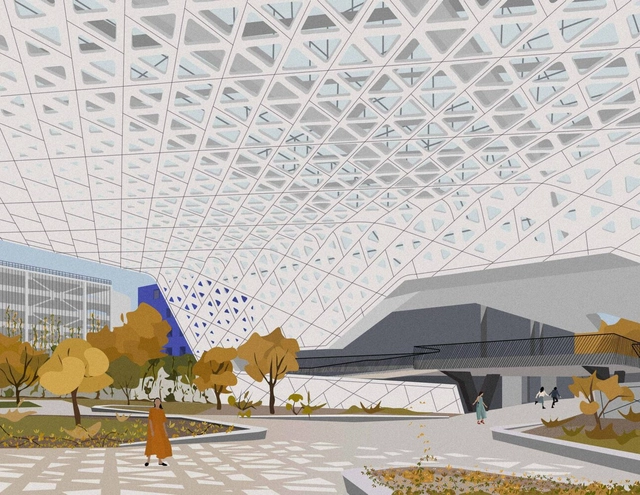
Architectural works from around the world are the primary inspiration for Erika Moreno, the creator of HUAJJE, a digital illustration project. The project was born in 2019, a year after Moreno completed her architecture degree in Tijuana. “The project started by accident; my only goal in making these drawings was to learn how to use more Photoshop tools—it was a personal challenge.” To document her process, she decided to open an Instagram account, which has since fostered an organic community that shares and supports her work. This has encouraged her to overcome her fears and even host workshops on the subject in various formats.

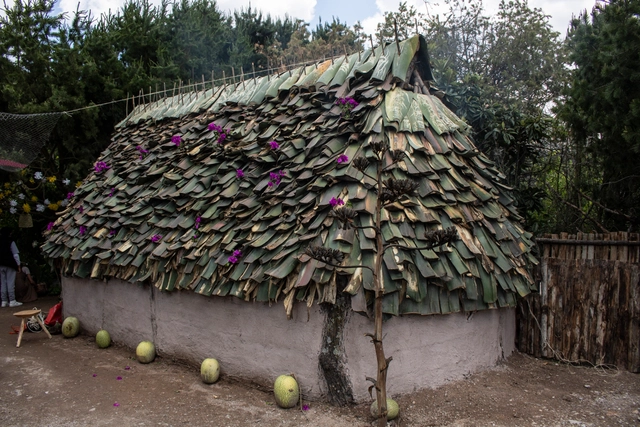
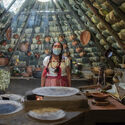
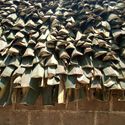
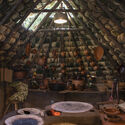
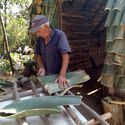
Today, understanding the properties of materials used in vernacular construction is essential to ensuring a better quality of life and spatial habitability, both of which have evolved alongside new technologies in the market. Spatial design now represents a commitment to the natural environment and, consequently, to improving quality of life.
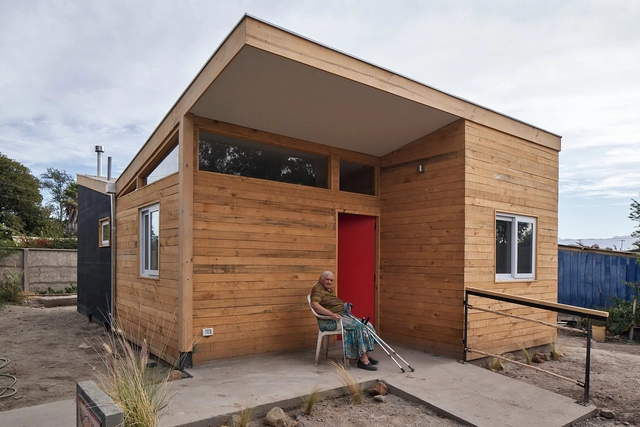
Throughout its history, CHC has participated in and supported social projects that improve the quality of life of their residents, while constantly seeking to establish new and better standards that contribute to the construction of spaces. In this particular case, the project led by architect Jaime Ovando integrates public funds through Chile's Habitabilidad Program and the Illustrious Municipality of Paine, along with private contributions from building material companies, the architecture firm, and the construction company, including CHC.
Thinking about the present and future of older adults is essential to improving the population's quality of life. According to the United Nations study on world population prospects, by 2050, it is estimated that 32% of Chile's population will be over 65 years old. According to data from the 2017 National Socioeconomic Characterization Survey (CASEN), 22.1% of older adults in the country live in multidimensional poverty. The connection between architecture and social commitment develops a strategy to combat vulnerability in this demographic.
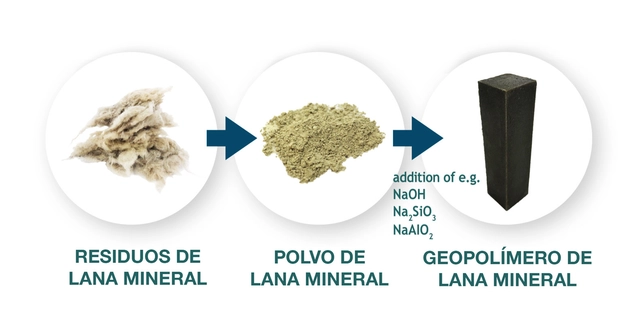
When addressing the recycling process of construction materials, several obstacles stand in the way of achieving a comprehensive and effective outcome. First, careless demolition can make the process highly complex, as materials destined for different recycling streams are often mixed together. Furthermore, not all materials can be recycled or processed efficiently, as many still require costly or overly complex processes. However, the construction industry—a major contributor to waste production and greenhouse gas emissions—has also developed multiple new technologies to improve its practices. This is where the WOOL2LOOP project comes in, aiming to resolve one of the greatest challenges in applying a circular approach to construction and demolition waste.

This July 11 marks World Population Day, an annual event established by the United Nations Development Programme (UNDP) in 1990 to raise awareness of global demographic issues. This is a critical issue today; not only is the global population projected to reach nearly 10 billion by 2050, but the latest UN-Habitat reports estimate that, by then, two-thirds of the world will live in cities.
Every year, World Population Review assesses urban growth and the number of residents living in metropolitan areas to understand global development trends. While the list of the 20 most populous cities in the world features recurring Asian hubs like Tokyo, Delhi, and Shanghai, it also includes several Latin American metropolises such as Sao Paulo, Mexico City, and Buenos Aires. Consequently, we have compiled a list of the ten most populous cities in Latin America to understand their growth and role in the global context.
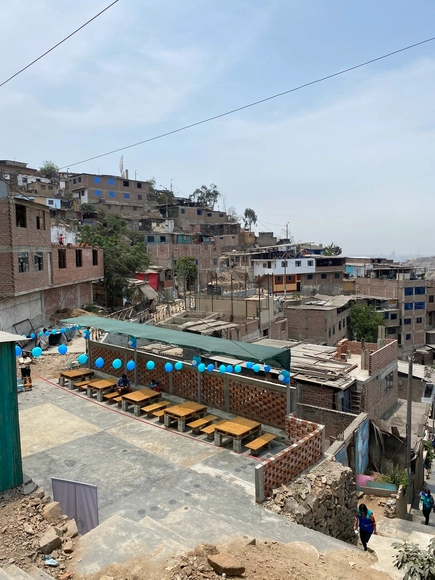
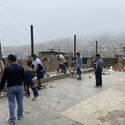
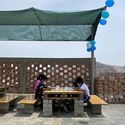
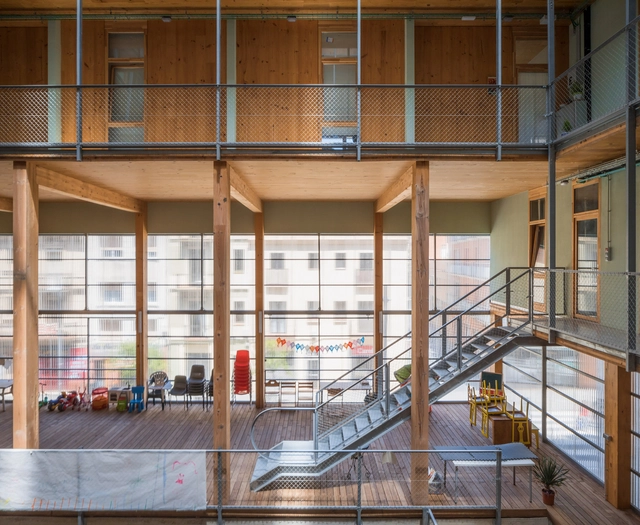
In Peru, communal kitchens (ollas comunes) are self-managed neighborhood initiatives located in vulnerable areas. Driven by the food and educational insecurity triggered by the pandemic, these spaces have assumed a vital role in child development, transforming themselves into neighborhood schools. Within this context, "DIT: Building a Space for Children" emerged—a project selected for the XII Ibero-American Biennial of Architecture and Urbanism. Through this initiative, architects Gian Franco Pedreschi, Sergio Iván Puch, and Jhordano Zabanick, together with the community of the AA.HH. Horacio Zevallos, intervened in the public space adjacent to a communal kitchen in the Rímac district, improving the residents' quality of life.
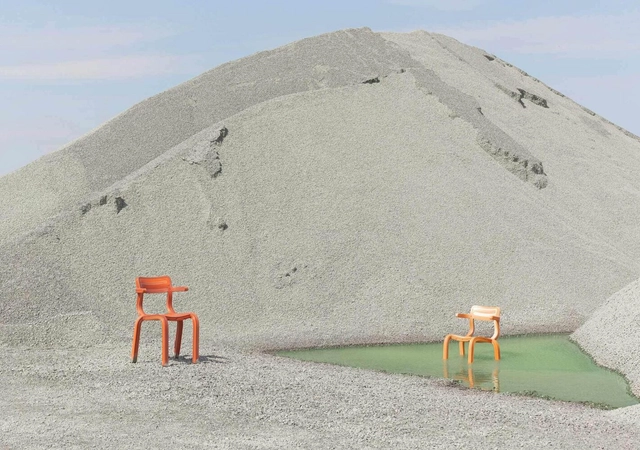
The construction industry is one of the largest producers of pollutants and waste globally in its daily operations. To put this into perspective, in the mid-1990s in Great Britain, construction processes generated nearly 10 million tons of post-industrial waste. Approximately a decade ago, over 3.5 billion new bricks were used annually, while around 2.5 billion were demolished; of that total, only about 140 million were reused, with the rest sent to landfills.
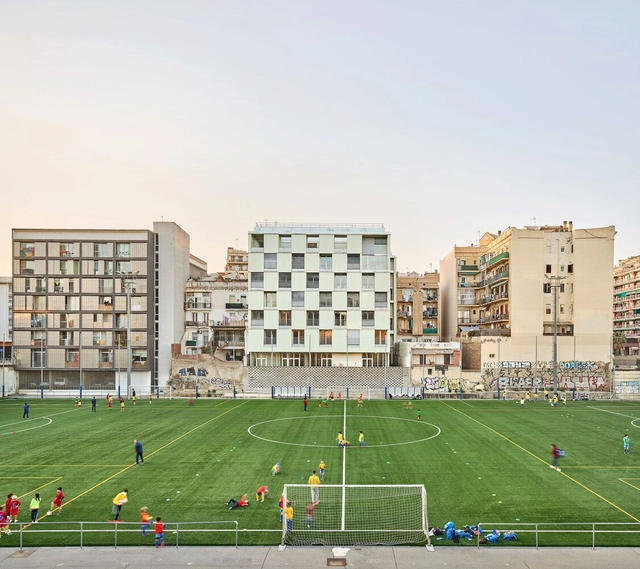
Is there a future for our cities without a sustainable way of life? For some time now, urban sustainability has been viewed primarily through the lens of climate change rather than a holistic vision that integrates society and the way we live in community.
What new ways of living are we experiencing amid social, economic, and ecological shifts? We need to bring to the table different reference cases from around the world and understand the latest trends shaping how we live in our cities.
We want you, our readers, to not only be the first to share examples of co-living, cooperatives, and any new types of social housing you consider benchmarks, but also to share your thoughts on the matter in the form below. Selected comments will be published in an upcoming article.
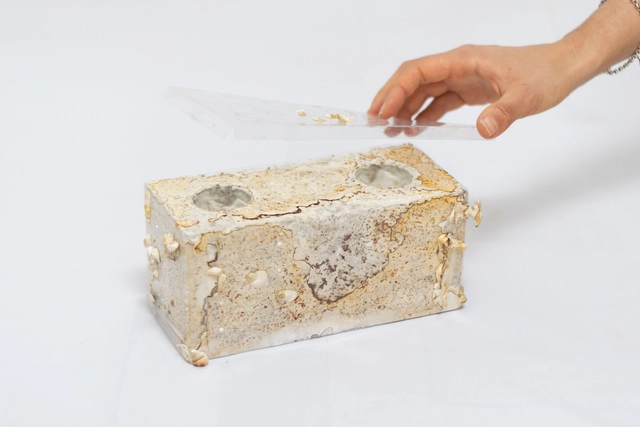
Although the construction industry has spent years making strides in new fields such as biomaterials, nanotechnology, and 3D printing, it simultaneously remains one of the slowest to adopt new technology. Many of these innovations never progress past the experimental stage. How can this situation be reversed?
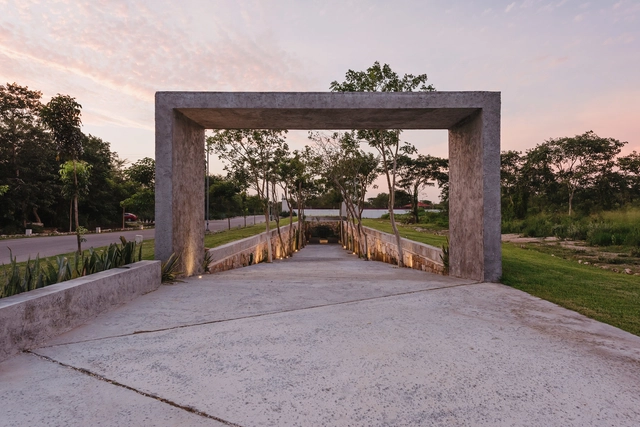
The results of the XIV Yucatan Architecture Biennial have been announced. A total of 17 accolades were awarded, including 1 gold medal, 6 silver medals, and 10 honorable mentions across 15 different categories. The jury comprised architects Edgar Herrera, Manuel Herrera, Felipe Leal, and Carlos Rodríguez. Read on to discover the winners.
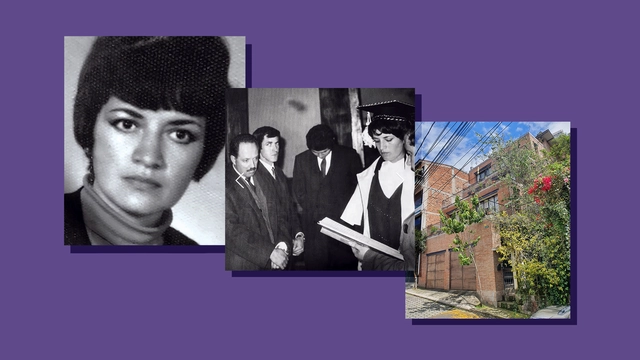
Born in Quito in 1947, Guadalupe Ibarra settled in Cuenca during her adolescence due to her father's military career. It was there that she decided to study architecture, enrolling at the University of Cuenca in 1963. An outstanding student, Ibarra earned her degree in 1970, becoming the first Ecuadorian woman to graduate as an architect in the country.
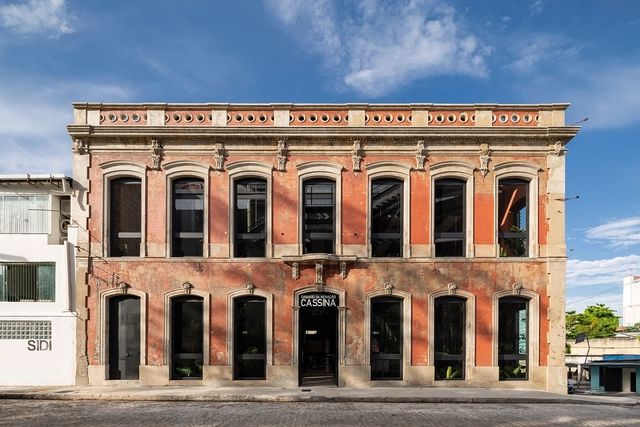
In November 2022, the Network of Latin American Architecture Biennials REDBAAL will mark its first ten fruitful years, celebrating this milestone by launching the Fourth Edition of the Oscar Niemeyer Award for Latin American Architecture, the prestigious ON-04 Prize. This August, the jury's decision was announced, revealing the top three winners and recognizing the work of architects from Brazil and Mexico.
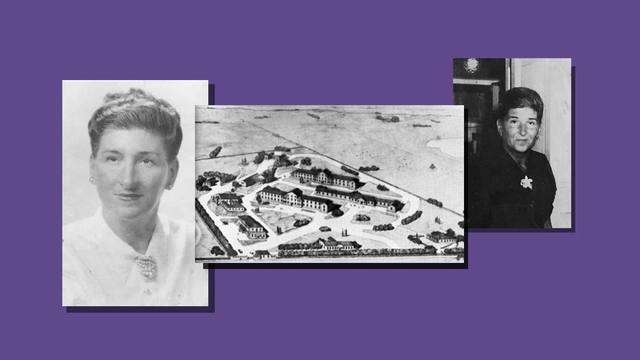
The first woman to receive an architecture degree in Argentina was Filandia Pizzul in 1928 from the University of Buenos Aires, more than 50 years after the program was first established. Starting in 1874, the architecture program operated independently of the Department of Sciences, where these studies had been housed since 1865. She was a pioneer in several fields, also becoming the first woman to complete courses at the Civil Aviation Directorate in 1928, earning pilot's license No. 181.

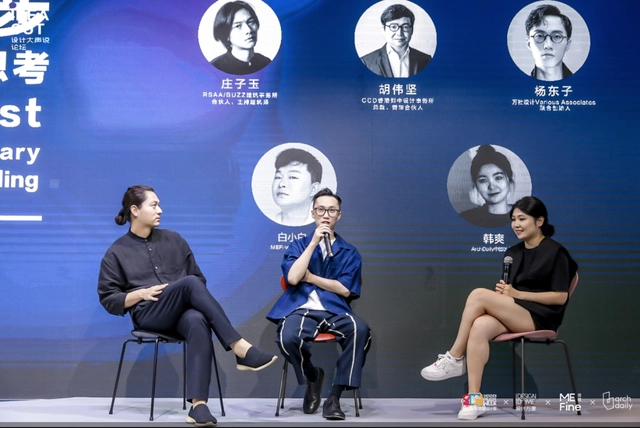
The 2022 Shenzhen Creative Home Design Week (hereinafter referred to as "Design Week") has successfully concluded. Against the ongoing backdrop of the pandemic, ArchDaily partnered with MEFine to present a themed design forum, "One Step Ahead: Contemporary Reflections on Dwelling." Hosted as part of "Design Out Loud"—a forum series dedicated to design and creativity curated by Design Dome—the event has successfully come to a close, leaving behind a wealth of memorable insights.
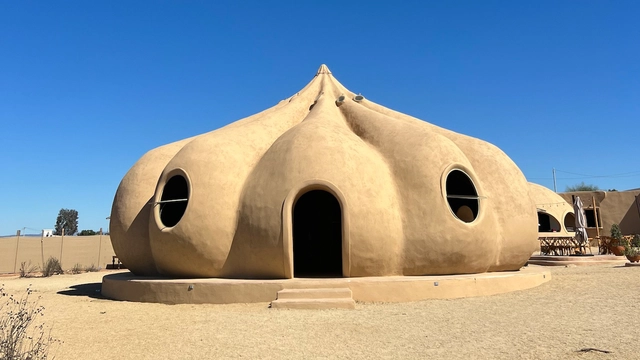
Featuring a spectacular amorphous structure, Bloodlust Wine Bar is located in Ejido El Porvenir, in the heart of Valle de Guadalupe, Baja California, Mexico. Its origins date back to late 2019, conceived by the vision of Juliette Cheanne, Poncho Muriedas, and Yuri Muriedas—three highly creative minds with a single shared mission: to bring to life a gastronomic space that, in addition to featuring an inimitable architectural facade designed by surrealist illustrator Jaime Zuverza, would offer an immersive auditory and visual experience to all who visit.
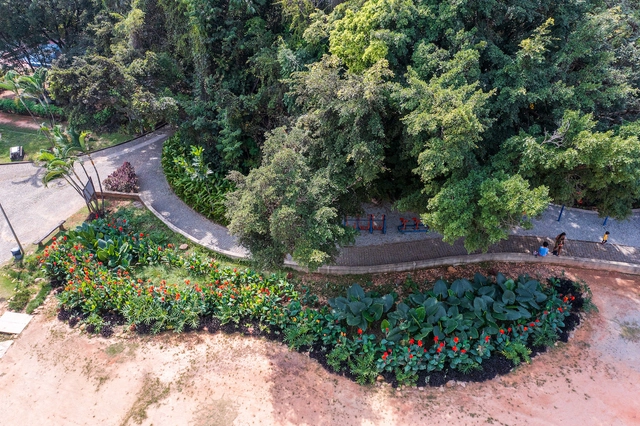
Nature-based solutions (NBS) have become widely recognized as efficient approaches for adapting cities to the climate crisis and mitigating increasingly frequent disasters. Projects such as rain gardens, linear parks, hillside restoration, and urban agriculture help make cities more resilient to extreme weather events, while generating additional benefits for society, the economy, and the environment.
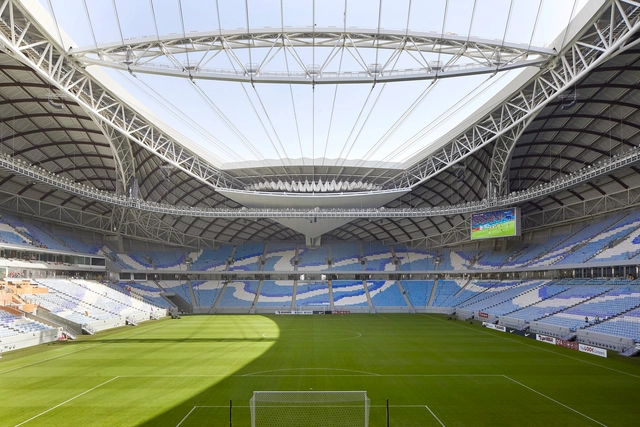
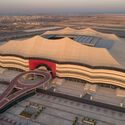
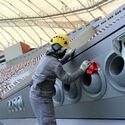
The World Cup will take place between November and December. This scheduling is due to the fact that average temperatures in the host nation, Qatar, can soar to 40 to 50°C during June and July.

Celebrating its 35th anniversary, this edition of CasaCor brings together projects by 68 renowned professionals spread across more than 10,000 square meters inside a landmark of São Paulo modernism, the Conjunto Nacional. Under the theme “Particular Infinite,” this year's exhibition focuses on the accumulation of time, on the stories already told and those we tell about ourselves. In this universe of ways of inhabiting the world, and of the traces we leave around us—from finger marks on the walls to the dust we carry on the soles of our shoes—we are always searching for something that is ours alone, inexhaustibly our own.
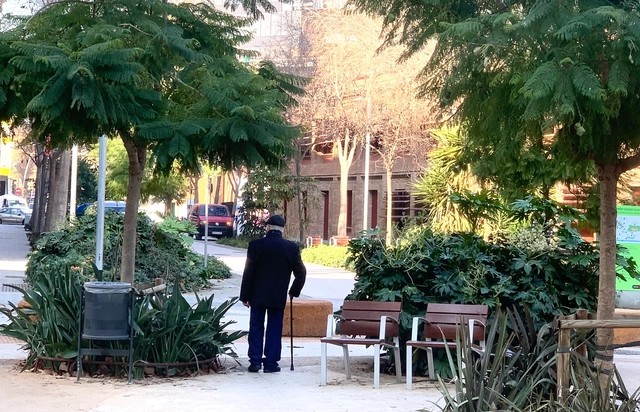
CityMakers is working with ArchDaily to publish a series of articles, conversations, and interviews with the various actors in urban co-production behind the CityMakers Barcelona Lab 2022, an event taking place from November 14 to 18. For this edition, Víctor Torres, an architect with a Master's in Territorial Planning and Environmental Management from the University of Barcelona, presents his article "Renaturalizing the City from the Smallest Scale: The Neighborhood."