Housing for the low-income urban population is a central concern for contemporary Brazilian policymakers and urbanists. Over the last few decades, by focusing on building social housing complexes in peripheral areas lacking transit and sanitation infrastructure, the state has actively contributed to worsening the problem.
https://www.archdaily.com/1121851/criminalized-in-brazil-the-downtown-homeless-movement-is-featured-at-the-chicago-biennialMarisa Moreira Salles e Tomas Alvim
Last week, we announced the 15 finalists for the 2019 Obra do Ano, an award celebrating the best of Lusophone architecture by inviting our readers to vote for their favorite projects built in Portuguese-speaking countries. Today, we reveal the winners of ODA19.
This year, three Brazilian projects received the most votes. In addition to showcasing architectural diversity, they exemplify the public impact that architecture should deliver. Meet the three winners below!
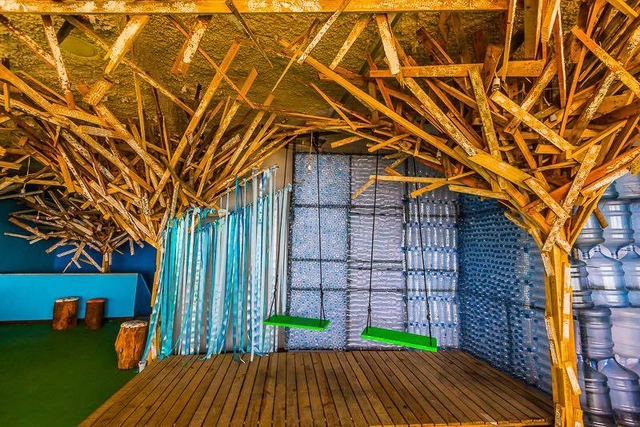
The global need to find more sustainable ways to meet new demands is one of the most compelling catalysts for the reuse of materials or structures in contemporary architecture. In the field of scenography, repurposing materials to construct stage sets has long been a reality. Professional practice in this field deals with the representation of a scene, using temporary elements designed to stimulate the spectator's imagination. In this context, the work of scenographer Renata Mota has paired repurposing with the reuse of materials—either discarded or donated—that have lost their original function, using them to craft sets for performances, exhibitions, and other events.
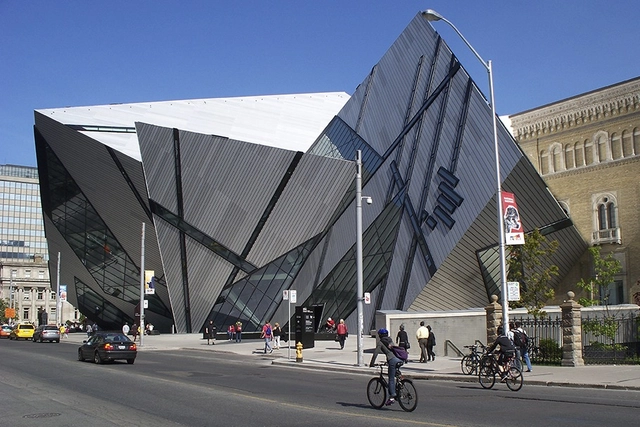
Deconstructivist architecture by Daniel Libeskind. Royal Ontario Museum, Toronto, Canada. Image: Alexandre Kozoubsky/Flickr
Modernism has ceased to exist as a movement in architecture and urbanism since at least the 1980s. In architecture, movements such as Japanese Metabolism and deconstructivism helped to move past the remnants of modern architecture. In urban planning, figures like Jane Jacobs and Christopher Alexander, as early as the 1960s, helped bury the premises of modern urbanism.
https://www.archdaily.com/1121820/after-all-why-do-we-still-talk-about-modernismPaulo Sa Vale
In recent years, we have witnessed a steady increase in the number of registered architects and urban planners across professional regulatory bodies. Within this significant pool, young architects and urban planners—meaning professionals up to 40 years old—represent a substantial share and hold a strong presence in the market. Against this backdrop, we have followed the creation of awards dedicated specifically to this demographic, and, most notably, their active participation in biennials and triennials—events aimed at driving discussions on the future of architecture.
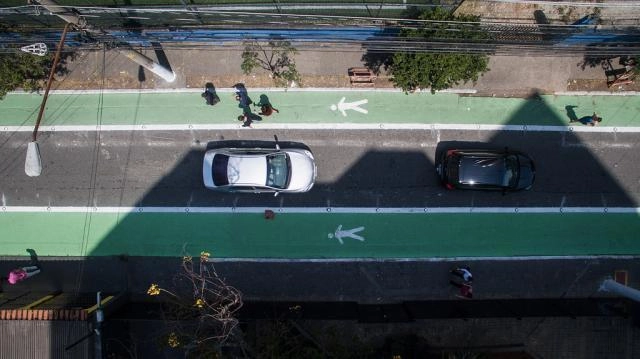
Joel Carlos Borges Street, in São Paulo. Photo: Pedro Mascaro/WRI Brasil
The latest Global Status Report on Road Safety from the World Health Organization (WHO) showed that over the last 15 years, the traffic mortality rate has remained stable relative to the world's population. While the fact that these numbers have not increased might sound positive, it is important to remember that this still represents the death of 1.35 million people annually, alongside 50 million injuries.
https://www.archdaily.com/1121788/traffic-deaths-are-not-decreasing-complete-streets-can-helpWRI Brasil
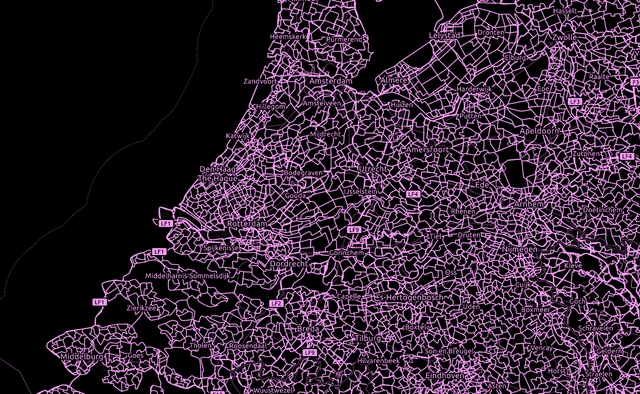
For some time now, cycling infrastructure planning has become a priority for several countries around the world seeking to seriously mitigate the challenges of rapid urbanization. In this regard, it is worth looking at which countries are expanding their cycling networks and understanding the development patterns established for each of them. OpenCycleMap is a project that makes it possible to clearly identify these countries and analyze their networks in great detail.
https://www.archdaily.com/1121824/bike-paths-of-the-world-discover-opencyclemapPedro Vada
One of the most significant contributions of modern architecture to global practice was the five points proposed by the Swiss-French architect Le Corbusier. This set of guidelines represented the formal expression of the ideals and principles of contemporary architectural thought, finding its paradigmatic application in the Villa Savoye, the iconic residence designed by the modern master in Poissy, France.
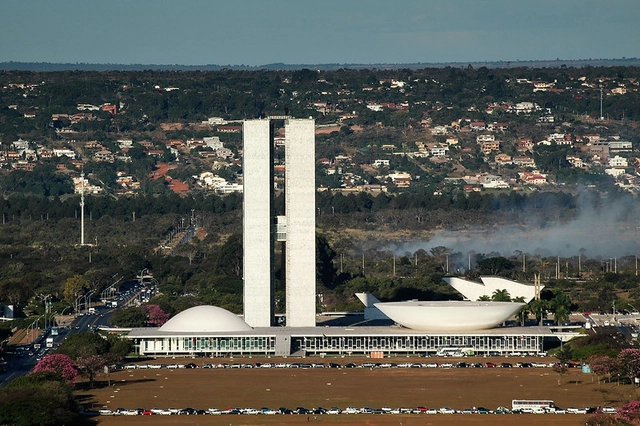
Although Juscelino Kubitschek is remembered for executing the project for Brasília, he was not its creator. The political will to build a new capital in the country's interior dates back to 1808, driven by the desire to elevate Brazil's international standing and symbolize its post-independence development. This developmentalist ethos, or rather the pursuit of the new, underpinned the arguments of most advocates for the relocation, each proposing a different approach.
Brodie Vissers / Stocksnap.io. Image Cortesia de Arquicast
This biweekly episode features a lighthearted discussion on a topic of great interest to architects. Inspired by the article published on ArchDaily, "11 Ways to Become a Better Architect (Without Doing Architecture)", we invited journalist Ana Paula Capellano to explore unconventional ways of acquiring general skills that can be applied to the field of architecture and urbanism. We discuss the eleven topics proposed in the text, sharing our personal experiences and, naturally, some lighthearted disagreements.
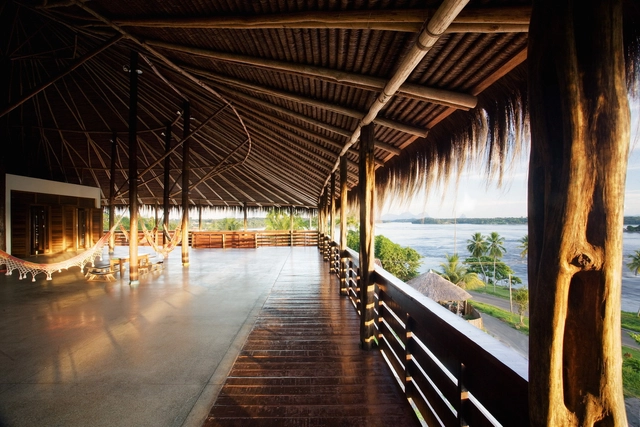
Architects, urbanists, and students in the field have much to learn from the construction models of the first inhabitants of the Brazilian territory, who have long built shelters adapted to their local contexts. Establishing a common set of characteristics for indigenous architectural solutions proves to be a highly superficial approach, as the shapes and dimensions of indigenous ocas or malocas vary depending on the community and the number of people living there. However, by studying the diverse examples of indigenous architecture, it is possible to rethink the notion of “advanced technology” and assimilate sustainable solutions adapted to environmental conditions.
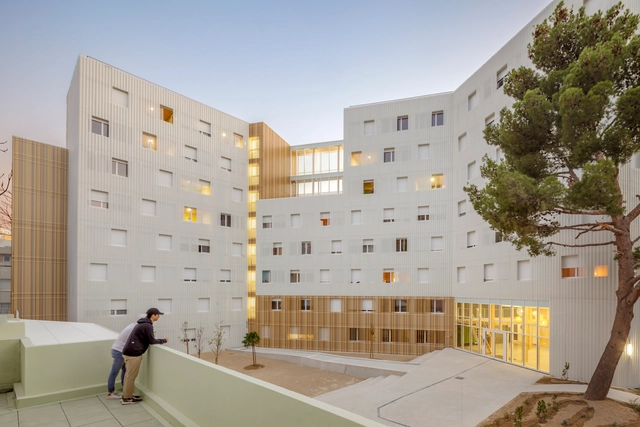
An alternative for students who choose to study away from their hometowns, student housing acts as an extension of educational institutions. Emerging almost concurrently with the first universities, these spaces have evolved over the years to adapt to societal shifts, such as the rise of co-ed dormitories.
From March 12 to 15, 2019, Expo Revestir brought together a vast array of national and international exhibitors along with over 60,000 visiting professionals. As Latin America's largest finishing solutions trade show and a well-established event in the construction and surface materials market, many companies take the opportunity to launch new products and showcase industry innovations.
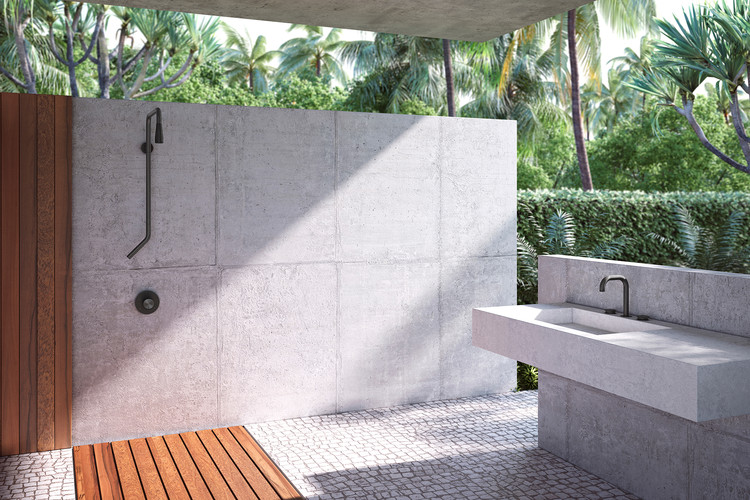
Designing and mastering every part and stage of a project is inherent to the practice of architecture. Here at ArchDaily, we have previously featured architects who have developed designs for furniture and various other objects. Among this year's launches at Expo Revestir, several prominent architects have designed bathroom fixtures. This is the case for Angelo Bucci, Gui Mattos, and Tryptique, among others, in partnership with the manufacturer Docol.
"I Saw a Brazil on TV" was the theme of the debate that, on November 8, 2018, brought together a group of architects participating in the exhibition "Infinite Span - 90 Years of Brazilian Architecture" at the Instituto Moreira Salles in São Paulo.
https://www.archdaily.com/1121655/i-saw-a-brazil-on-tv-with-jo-vasconcellos-gustavo-penna-and-francesco-perrotta-boschCasa da Arquitectura
Who hasn't wished to experience the settings of Tim Burton's Charlie and the Chocolate Factory up close? Adding layers of desire and enchantment, fiction seems to have inspired a series of projects designed specifically for the production, presentation, and sale of chocolate.
At least two major avenues (23 de Maio and 9 de Julho) mark the footprint of the 1932 Constitutionalist Revolution in the city. Yet, across the capital's landscape, numerous other sites evoke the memory of an armed conflict that became the defining myth of São Paulo's history, commemorated as a state holiday since 1997.
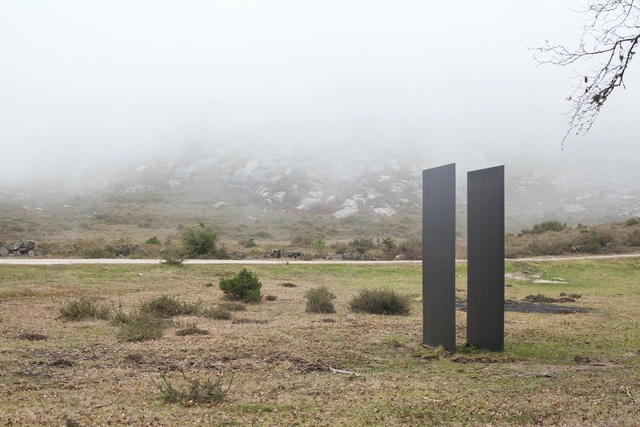
The Alto Minho region in northern Portugal had its landscape transformed by a series of site-specific artistic interventions that were part of the DESENCAMINHARTE program. The initiative aimed to promote artistic creation in the region through a collaborative network designed to foster recognition of its local identity.
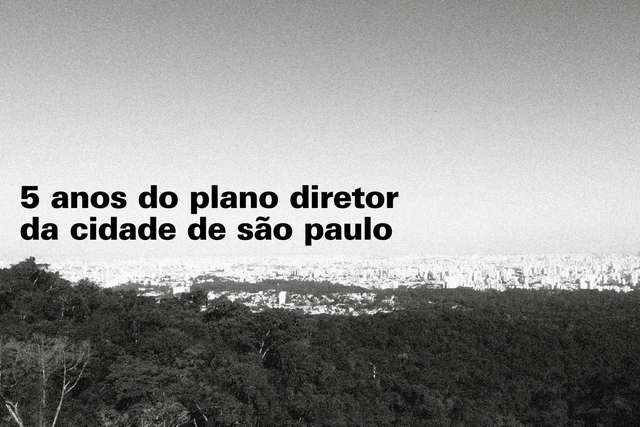
Five years ago, São Paulo approved its Master Plan, a social pact to transform the city by 2029. While a significant portion of the planned actions have been carried out or are currently underway, just as many remain on paper. Assessing this period is essential to achieving the ultimate goal of this entire process: improving the quality of life for its residents, especially those who need it most.
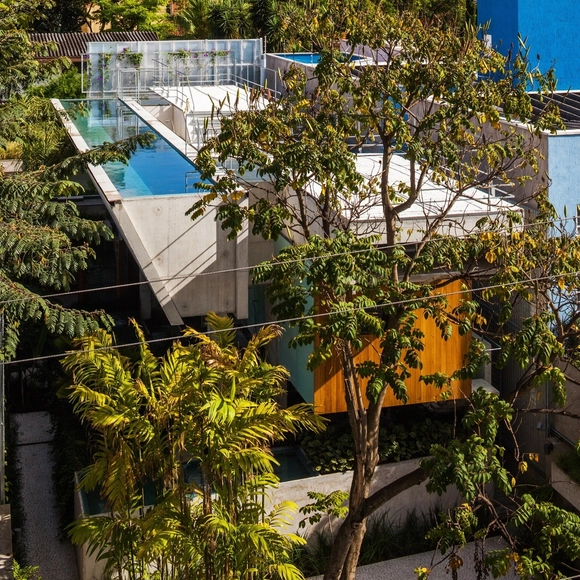
Sometimes, residential projects are structured around specific elements of the brief, exploring their sculptural potential as a defining feature of the design. Swimming pools are a compelling case in point: they often become the focal point of a project, allowing for a high degree of creativity and inventiveness while seamlessly bridging landscape and architectural design.
Projeto Tercer Sonido, Madri, Espanha. Image Cortesia de CicloVivo
C40 Cities, a global coalition of cities, launched a competition to select the best solutions for transforming underutilized urban spaces into resilient, carbon-neutral developments. Named Reinventing Cities, the competition selected 15 innovative ideas poised to "reinvent" the future of cities.
One of the most controversial topics regarding professional ethics in architecture and urbanism is the so-called "technical reserve" (reserva técnica). This widespread practice refers to the payment of commissions to design professionals by construction industry suppliers and companies as compensation for client referrals or project specifications. Despite its questionable nature, this practice is adopted by many architects and has become increasingly common.
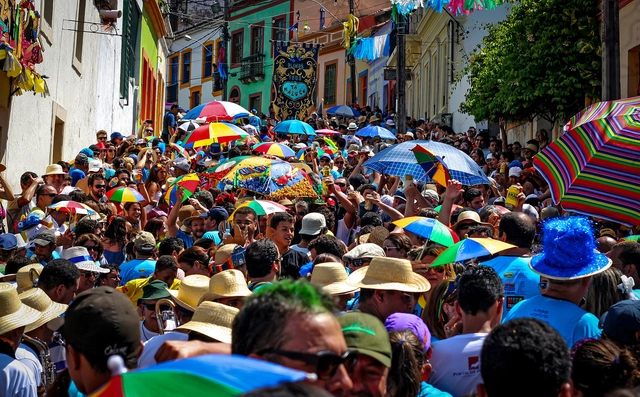
Carnival in Olinda, PE. Photo: Ralph Fernandes, via Flickr by Circuito Fora do Eixo; license CC BY-SA
Popular culture is an imprecise concept that lends itself to various definitions. To grasp the traits characterizing the different meanings of popular culture, one must trace the dynamics of how this term has evolved throughout the studies dedicated to the field.
Emerging in 1981 with the publication of the essay “The Grid and the Pathway” by Alexander Tzonis and Liane Lefaivre, it was Kenneth Frampton's 1983 essay “Towards a Critical Regionalism: six points for an architecture of resistance” that brought the term “critical regionalism” wider recognition. The essay was published in the anthology “The anti-aesthetic: essays on Postmodern culture,” edited by critic and historian Hal Foster, initiating a debate later revisited in "Prospects for a Critical Regionalism," also written by Frampton that same year for the journal Perspecta.
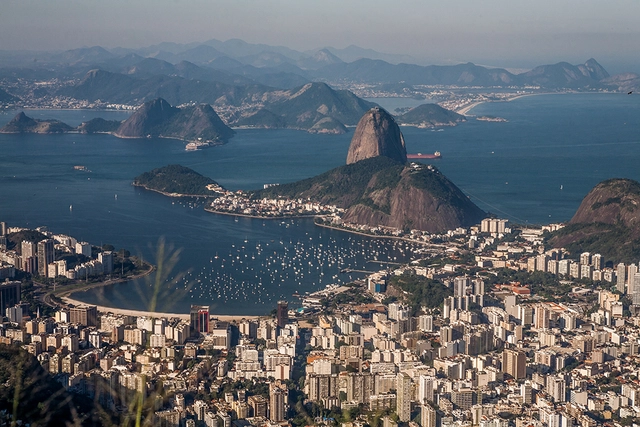
Rio de Janeiro. Photo by Sandeepa and Chetan, via Flickr. Licensed under CC BY-NC-ND 2.0
Only recently in Brazil has "cultural landscape" emerged as a new category for the preservation of cultural heritage. Understanding its meanings requires, on the one hand, evoking the preservation experience in two different spheres—both international institutions and the work developed in Brazil. On the other hand, this understanding also requires highlighting the specific academic origins of the cultural landscape concept.







.jpg?1571925498 "Roof of the Socio-Environmental Institute - ISA / Brasil Arquitetura. © Daniel Ducci")









_(Custom).jpg?1559915700&format=webp&width=640&height=580)