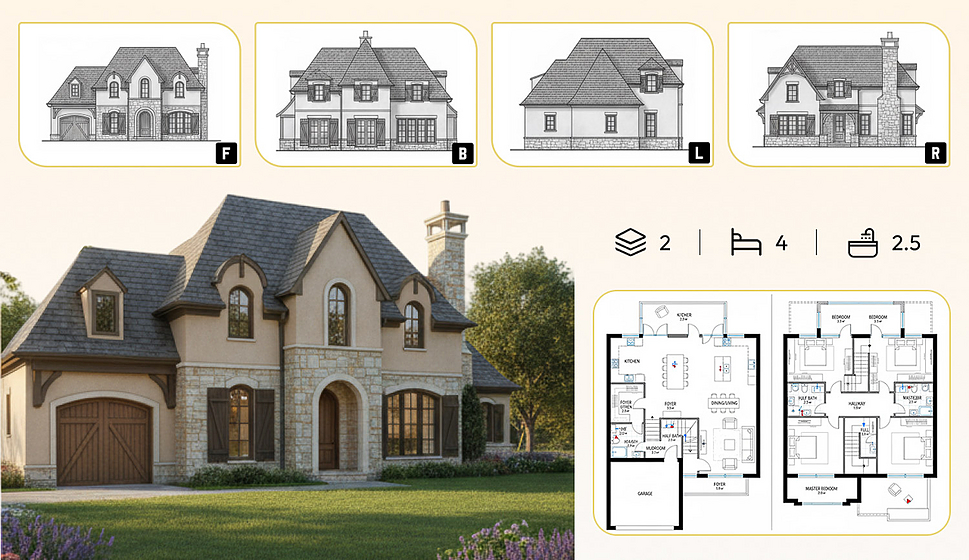
This guide covers a workflow that moves from project parameters to generated floor plans, 3D perspective views, exterior design exploration, and site context visualization, using AI tools in place of preliminary CAD and rendering work.
This guide covers a workflow that moves from project parameters to generated floor plans, 3D perspective views, exterior design exploration, and site context visualization, using AI tools in place of preliminary CAD and rendering work.
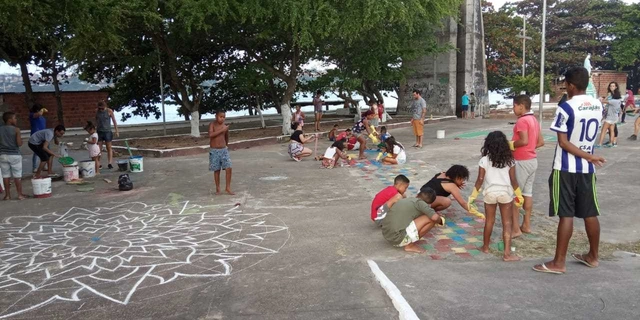
As a result of three months of training in local engagement within the pioneering COURB Ambassadors Program, mobilizers from various Brazilian cities promoted actions in their territories. Aiming for the collaborative construction of inclusive cities, the Articulation Journey—a highly collaborative effort—took place between August and September and featured three types of actions: roundtables, territorial interventions, and collective proposals. The ambassadors mapped and engaged more than 150 institutions in the program, including city halls, universities, collectives, businesses, and organizations.
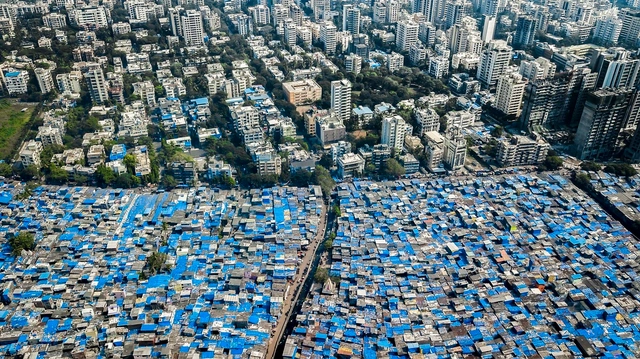
Imagine Lagos, Nigeria, a city of 22 million people. What was once a small coastal town just a few decades ago has exploded into a sprawling megacity stretching over more than 1,170 square kilometers. This rapid growth has strained municipal services to their limit: less than 10% of people live in homes connected to sewer networks, and less than 20% have access to running water. Many homes are in slums or informal settlements on the city’s periphery.
Now imagine Lagos twice as large.
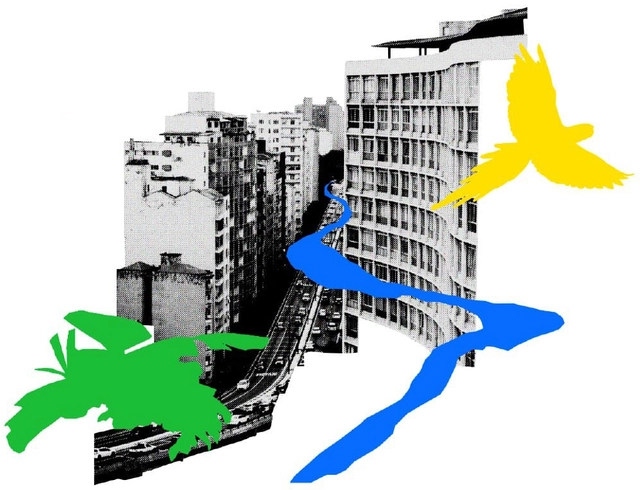
In May of this year, *The Guardian* recommended in its style guide that journalists and contributors heighten their language when discussing climate change or global warming. Now, the British newspaper announced, it is a climate crisis, emergency, or climate breakdown.
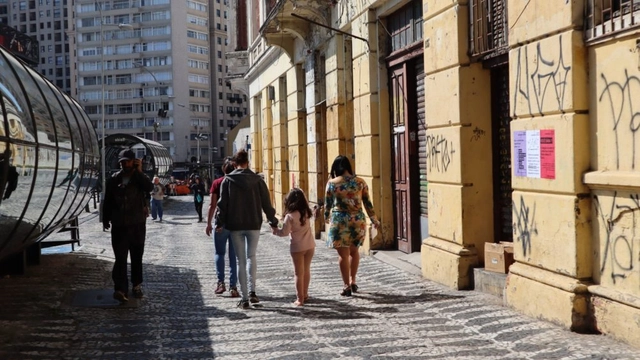
Have you already crossed the street out of fear today? As a woman, what is your greatest fear when walking down the street? How would you feel safer? With the goal of reflecting on how we can plan more egalitarian cities for everyone, the firm amb ateliê, in partnership with architects Fernanda Linero and Beatriz Teixeira, launched this initiative across various neighborhoods in Curitiba. The project ci.da.de; substantivo feminino (city; feminine noun) is part of the 3rd Biennial Architecture Exhibition for Curitiba.
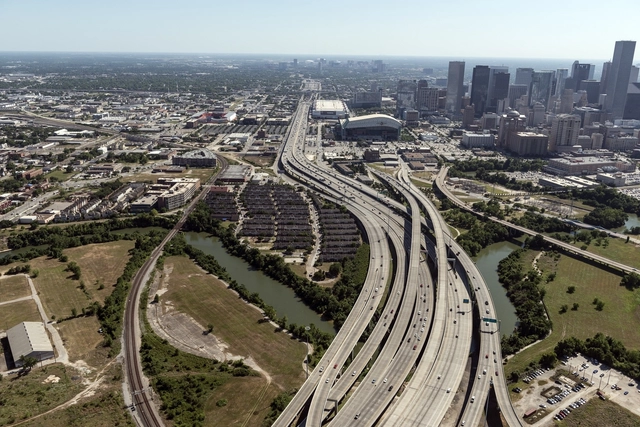
While conventional American urbanism is known to drive excessive sprawl, it is worth remembering that, ultimately, the true extent of a city's horizontal expansion lies far beyond the reach of urban planning controls.
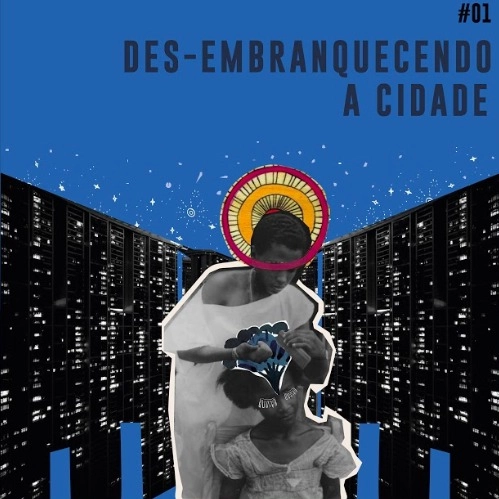
The “De-whitening the City” Podcast is a space invented from the desire of five Black women residing in Salvador, São Paulo, Rio de Janeiro, and Belo Horizonte to circumvent geographic distance in order to foster and celebrate connection. Emmily Leandro, Gabriela Gaia, Luciana Mayrink, Malu de Barros, and Natalia Alves make up the Terra Preta collective, giving shape and voice to this exercise in creating a shared virtual territory—both a political and aesthetic commitment—now made public for the first time.

From revitalizing degraded green spaces to hosting collaborative games, events, and workshops, there are numerous volunteer initiatives capable of transforming a city's landscape and the lives of its residents.
In addition to serving as vital forms of social participation, community collectives and volunteer-driven initiatives facilitate dialogue between public authorities and local communities. This collaboration yields numerous benefits, particularly in reshaping how we interact with our cities.
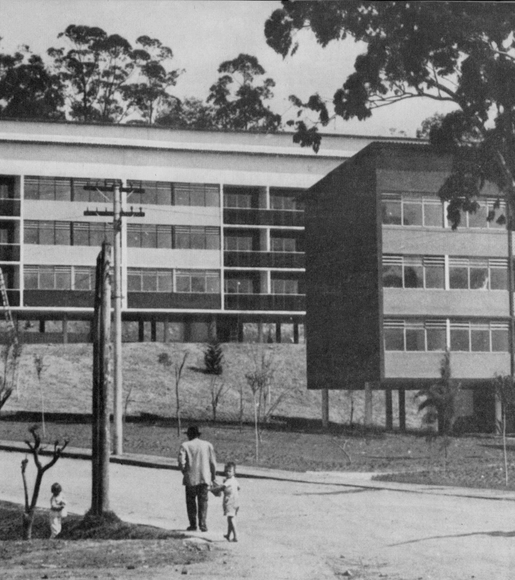
After studying civil engineering at the Escola de Minas de Ouro Preto, Carlos Frederico Ferreira returned to his native city of Rio de Janeiro and enrolled in the Escola Nacional de Belas Artes, graduating in architecture in 1935. In 1939, he was hired by the IAPI as an engineer-architect and soon rose to the position of head of the institute's Engineering Department. By 1943, having overseen the partial completion of the first major housing development, the Conjunto Residencial Operário in Realengo, he was able to begin expanding the model to other locations. The designs for Vila Guiomar in Santo André and Piratininga in Osasco, as well as the apartment building and IAPI Regional Office headquarters in Recife—all designed by him—demonstrate how, through his position, he sought to shape the direction of the institute's future developments.
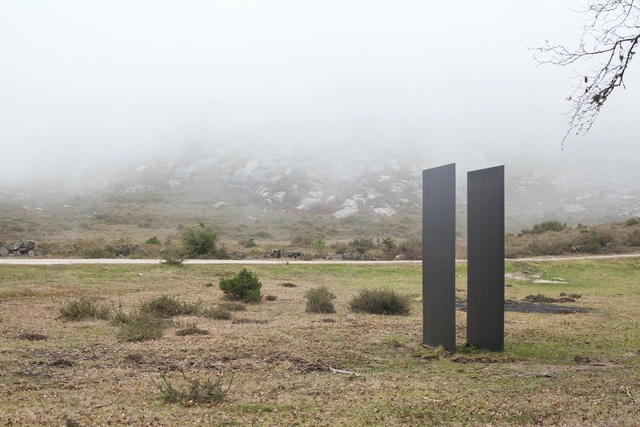
The Alto Minho region in northern Portugal had its landscape transformed by a series of site-specific artistic interventions that were part of the DESENCAMINHARTE program. The initiative aimed to promote artistic creation in the region through a collaborative network designed to foster recognition of its local identity.
.jpg?1567697293&format=webp&width=640&height=580)
Cities that absorb rainwater and allow it to follow its natural course. It should be simple, yet we chose to channel our waterways, preventing nature from doing its part: absorbing and purifying. For Chinese architect Kongjian Yu, this is the key to solving one of the greatest challenges facing contemporary major urban centers: flooding.
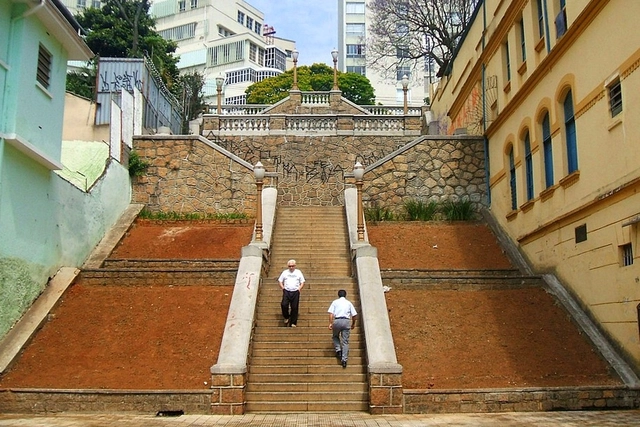
There is no doubt that preserving historical, artistic, and architectural heritage is a fundamental goal for building a just city. It is the right of all citizens, both present and future generations, to know and enjoy our collective memory and culture. However, for this to actually happen, both a discerning eye and a comprehensive vision of the city are essential.
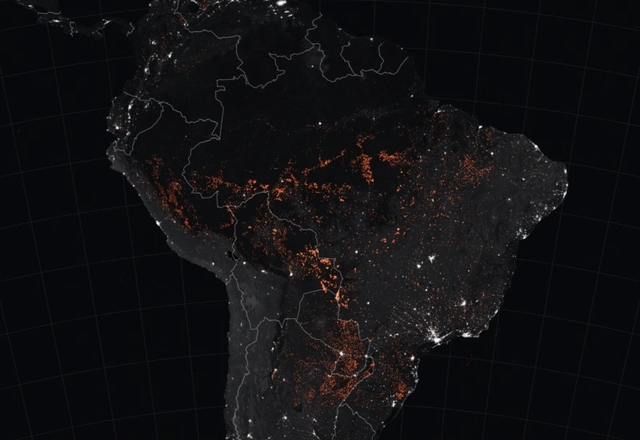
Over the past week, thousands of active fires in the Brazilian Amazon captured global attention in the press and on social media, where the hashtag #PrayForAmazonia was mentioned more than 150,000 times in a single day. But what can satellite data tell us about what is actually happening in Brazil's forests?
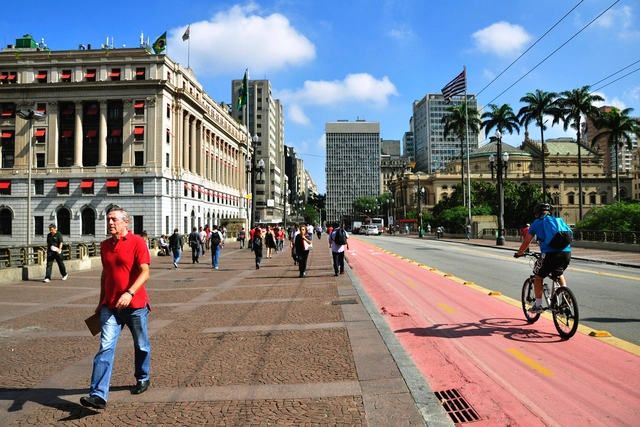
Five Brazilians die in traffic accidents every hour. While highly critical statistics like this can spark positive reactions, they are not always enough to change reality on their own. However, knowing that in the city of São Paulo intersections concentrate more accidents per kilometer, and that these rose by 5% from 2017 to 2018, provides decision-makers with the concrete data needed to implement measures to reduce these numbers. Acting on the most dangerous intersections will save lives.

In the popular imagination, *cortiços* (tenement houses) represented the worst of urban housing in Brazilian cities. Deeply rooted in the national culture and immortalized in Aluísio Azevedo’s classic novel, *cortiços* were depicted as unsanitary, dilapidated dwellings where disease proliferated, the margins of society lived, and landlords exploited tenants with extortionate rents.

A quality public transit system does not depend on buses alone: its overall quality is also directly linked to adjacent elements—such as bus stops. In all cities participating in the QualiÔnibus Benchmarking Group, bus stops were identified by the public as one of the most problematic components. But what can cities do to improve them?

Anyone who has ever been to the beaches of Rio de Janeiro has certainly seen vendors selling grilled *queijo coalho* (curd cheese) or grilled shrimp, sweet mate tea, and Globo biscuits—classic snacks of the Rio shoreline. In São Paulo, open-air markets serve sugarcane juice and fried *pastel*, a local adaptation of a dish originally brought by Chinese immigrants and popularized by Japanese immigrants. In Minas Gerais, there is *pão de queijo* (cheese bread) and pastel, also filled with cheese. In Salvador, it is impossible not to mention *acarajé* (with or without hot sauce), which has been declared an intangible cultural heritage asset by IPHAN. The capital of Bahia even has its own Street Food Guide, reflecting the immense culinary diversity found in the city.
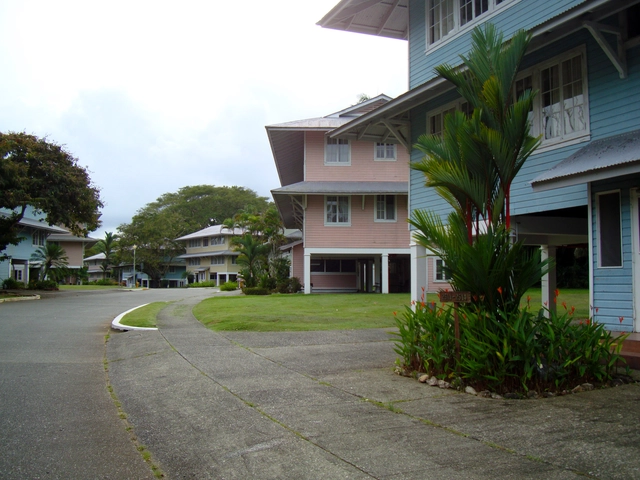
The book Sustainable Tropical Cities, published by the Institute of Tropical Architecture (San José, Costa Rica) in 2006, gathers the conclusions its authors compiled over years of observation and study. Bruno Stagno and Jimena Ugarte, both architects and immigrants enamored with the tropics, aimed to demonstrate the specific characteristics that cities located in the tropical belt possess—or should possess—while introducing an unprecedented topic.
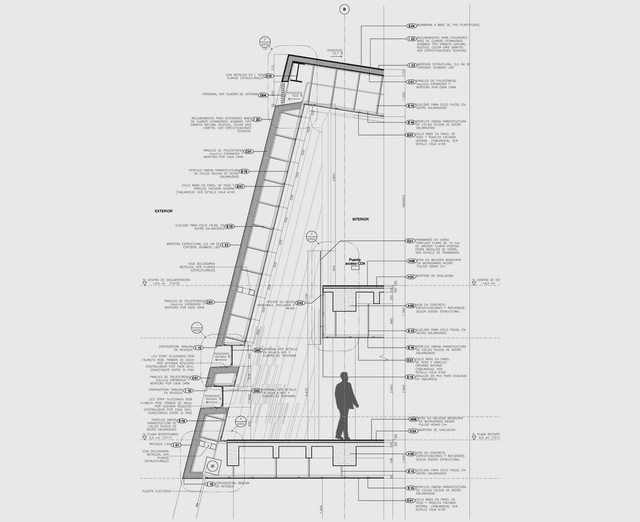
The Museo Casa de la Memoria is located in Medellín's Boston neighborhood and was developed to commemorate the bicentennial of Colombia's independence. Led by Juan David Botero as the design team coordinator, the project was conceived from the outset as a highly recognizable building for both the community and visitors, drawing its sculptural form from traditional gabled houses. "It is a museum for the victims of violence, and as such, we had to ensure it was a space for everything; a home, the house where memory comes to life," Botero says.
The 3,800-square-meter cultural facility unfolds along the creek like a tunnel, housing exhibition rooms, workshops, archives, offices, and an auditorium. Its envelope functions as a folded skin, incorporating an air cavity that absorbs cool air, draws it in through the facade, and expels it as hot air at the top. This chimney effect helps control the typical 30ºC summer temperatures of the area, ensuring a stable and comfortable indoor climate. Below, we take a closer look at its sculptural thermal and acoustic envelope.
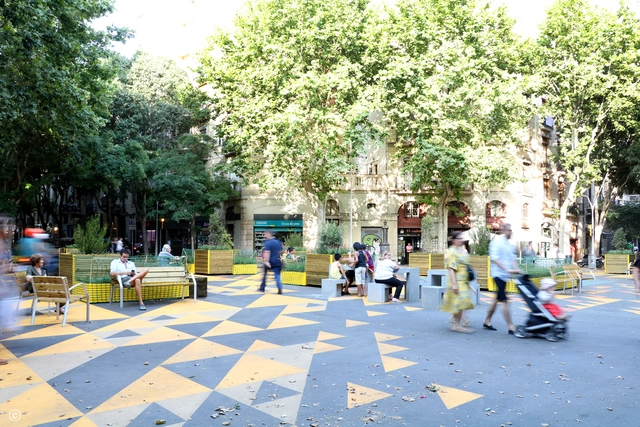
ArchDaily is working with CityMakers to publish a series of articles, conversations, and interviews with the key figures in urban co-production behind the Barcelona CityMakers Lab 2019, an event taking place from October 14 to 20, 2019.
On this occasion, we feature Jokin Santiago Elorriaga, director of Leku Studio, who will lead a masterclass at the Barcelona CityMakers Lab 2019. Jokin is the founding architect of Leku Studio and was responsible for the design and transformation of the Sant Antoni Superblock.
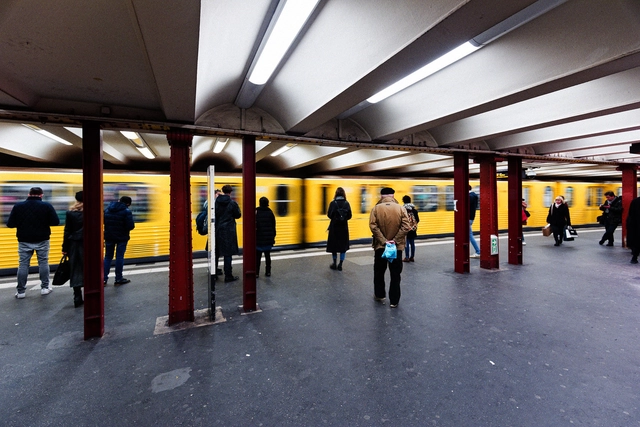
Berlin is a global leader in urban mobility, according to the Mobility Futures study by data and consulting firm Kantar, which evaluated major world cities. The German capital topped the mobility ranking due to several factors, most notably more cost-effective travel and easy access to a broad public transit infrastructure network and shared mobility services.

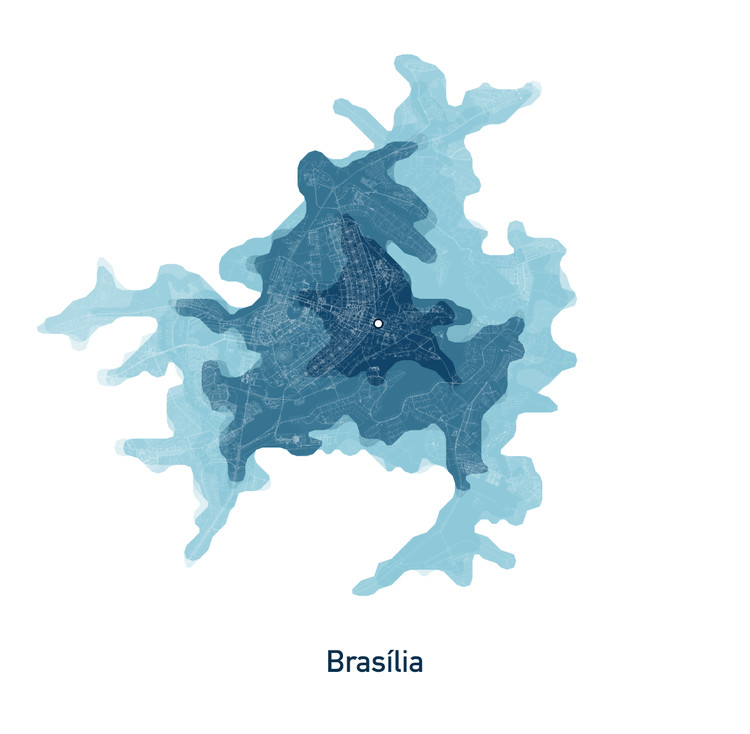
It is well known that our cities are increasingly saturated by automobile use; mobility has therefore become a key element in any discussion on urban living, particularly in large Brazilian cities. This premise prompts us to examine and better understand which aspects of urban commuting we can prioritize for intervention, moving toward approaches where car use is less necessary. An important step in this dialogue is understanding just how time-efficient cars actually are. Mapping Lab conducted a visual analysis of 27 Brazilian capital cities using data from the here.com platform.
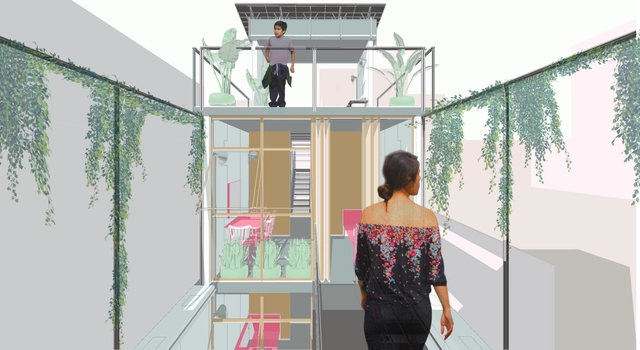
The Brazilian student team, comprising Luiza de Souza Santos, Marcus Barbosa, and Gabriel Thomé de Oliveira from UFMG, was awarded an honorable mention in the SkyCity Challenge 2019 international competition, which aimed to "explore sustainable ways of living, working collectively, and having fun." Learn more about their proposal below.
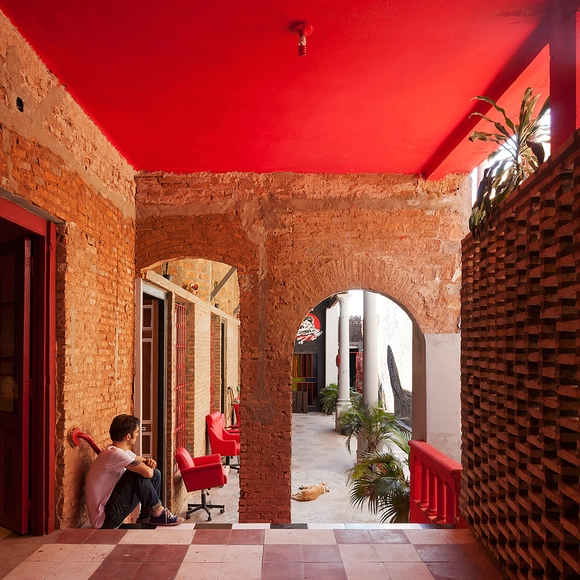
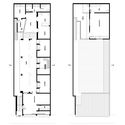
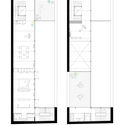
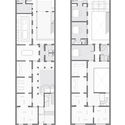
The casa chorizo is a residential typology historically used in Argentina, primarily in the city of Buenos Aires. It consists of a succession of similarly sized rooms connected along a longitudinal axis that open onto a gallery or courtyard, from which they receive light and ventilation. Typically built on plots between party walls, their service areas are grouped at the back. Today, numerous projects address the rehabilitation of this type of housing. These can be understood as research initiatives exploring how a city's characteristic construction matrix can be reviewed and updated to adapt to contemporary ways of living.
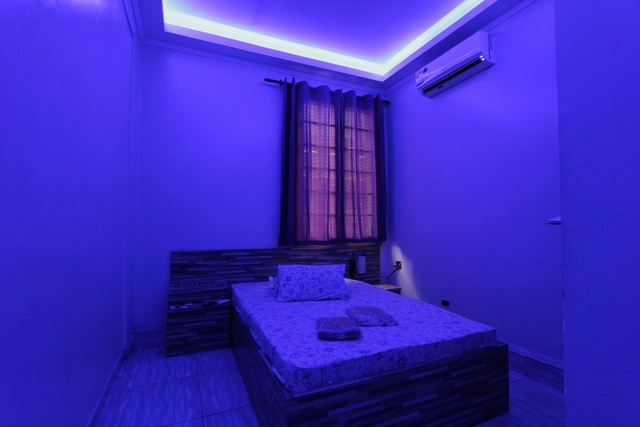
The visual stimulus that triggered this research[1] was the suggestive ambiguity of the letter m/h. Less glamorous than roadside motels, these motel-hotels are an affordable invitation to sexual fulfillment. To capture both their material and intangible complexity, the work is structured as a fiction. In doing so, the narrator imagined within these motel-hotels the potential to reveal other component parts of herself—as if these places, in their ambiguity and anonymity, could facilitate this encounter. In a simultaneous process of liberation and frustration, the multiple narrators find agency.
.jpg?1573568986 "© Isaac Ramírez Marín")
.jpg?1573568977 "© Isaac Ramírez Marín")