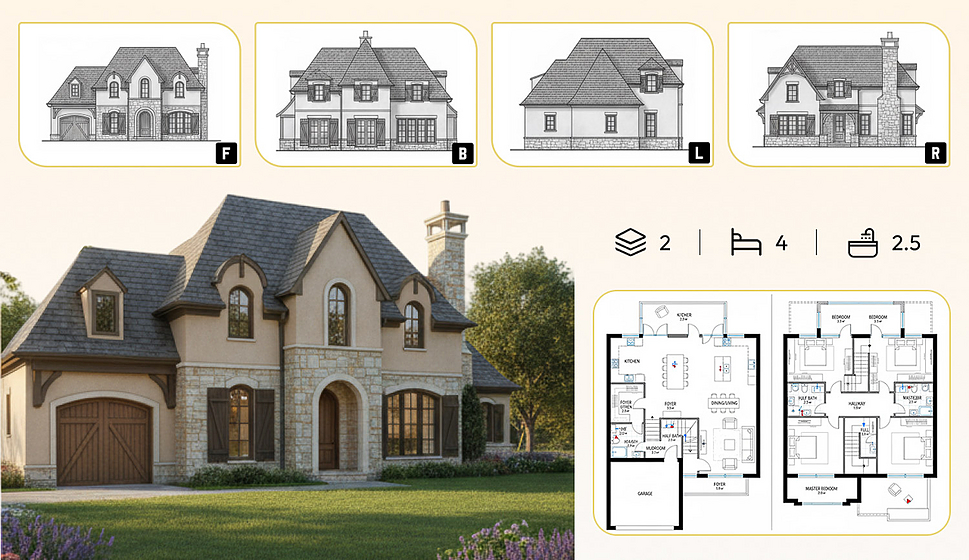
This guide covers a workflow that moves from project parameters to generated floor plans, 3D perspective views, exterior design exploration, and site context visualization, using AI tools in place of preliminary CAD and rendering work.
This guide covers a workflow that moves from project parameters to generated floor plans, 3D perspective views, exterior design exploration, and site context visualization, using AI tools in place of preliminary CAD and rendering work.
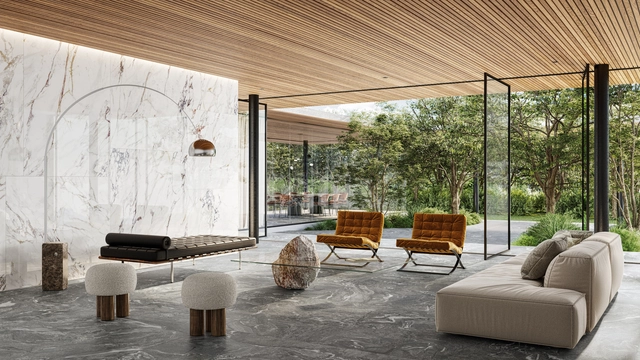
In 2024, the evolution of porcelain tiles has elevated the tactile experience to a new level, transforming them into true works of art. Produced with mineral texture printing technology, the collections feature striking reliefs in dimensions of 120 x 120 cm, 100 x 200 cm, 120 x 250 cm, 160 x 160 cm, and 160 x 320 cm, designed to awaken all the senses. Behind this advancement is Roca Brasil Cerámica, part of the Mexican LAMOSA Group, leading the Roca Cerâmica and Incepa brands.

"Drinking Caracu is drinking health." This is what read on the massive blank wall of a building in downtown São Paulo on the morning of May 1, 2018. Hidden for decades, the advertisement for the famous beer brand now loomed before a massive heap of concrete, twisted metal, and shattered glass. This was the rubble to which the iconic Wilton Paes de Almeida Building had been reduced—a modernist landmark designed by architect Roger Zmekhol and the subject of the documentary Skin of Glass, directed by his daughter, Denise Zmekhol.
The film transcends traditional architectural documentation by blending a personal narrative with the political complexities of contemporary Brazil, a country shaped by deep inequalities and erased memories. At the heart of the story is the building itself, considered a landmark of Brazilian modern architecture, which collapsed in 2018 after a tragic fire.
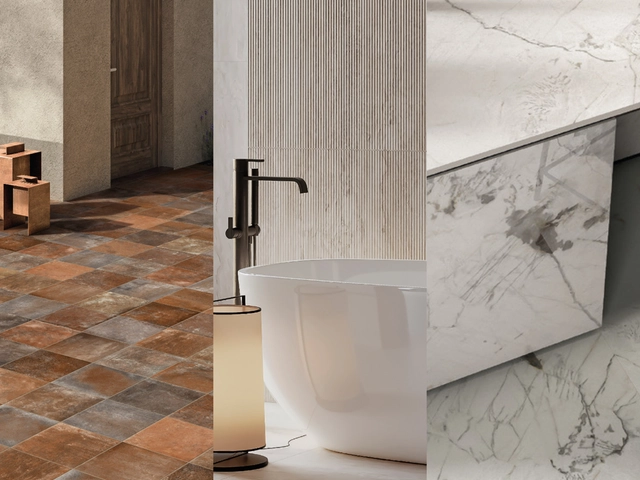
Stone and marble continue to establish themselves as essential materials in architecture and design, for both interiors and exteriors worldwide. CHC offers a curated selection designed to create spaces with a timeless, elegant character. Discover how to incorporate marble and stone into your projects to add a touch of modern style.
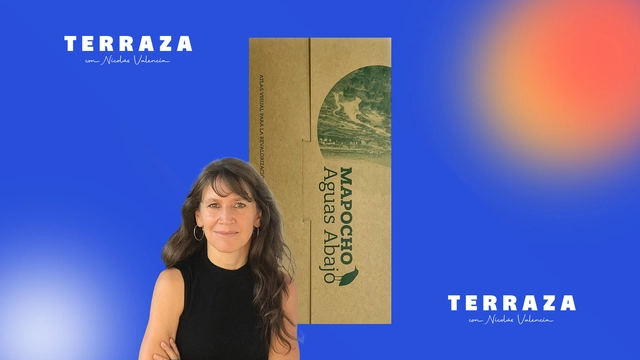
On this week's episode of the TERRAZA podcast, Nicolás Valencia speaks with Chilean architect Sandra Iturriaga about the book Mapocho Aguas Abajo (Ediciones ARQ), a publication developed by the Mapocho 42K Lab at the Pontificia Universidad Católica de Chile that proposes revaluing the heritage and landscape of the downstream stretch of the Mapocho River in Santiago, Chile.
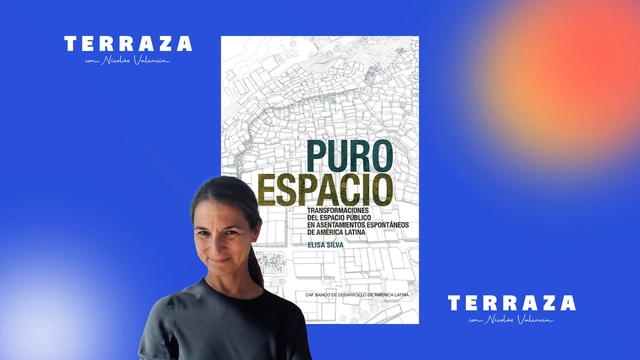
This week on the TERRAZA podcast, Nicolás Valencia talks with Venezuelan-American architect Elisa Silva about her book, "Pure Space: Public Space Transformations in Latin American Spontaneous Settlements" (Actar Publishers), an analysis of a series of public space interventions in communities across Mexico, Colombia, Venezuela, Brazil, Argentina, Peru, and Chile.
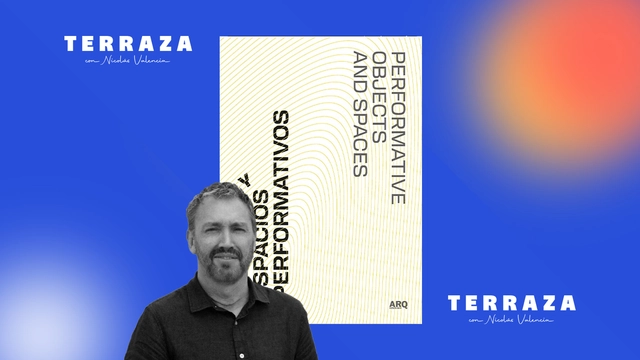
Nicolás Valencia talks this week on the TERRAZA podcast with Chilean architect Rodrigo Tisi about his book Objetos y espacios performativos (Ediciones ARQ), research that examines key moments to observe, explain, and establish the possibilities of certain performance practices in academia and creative environments.
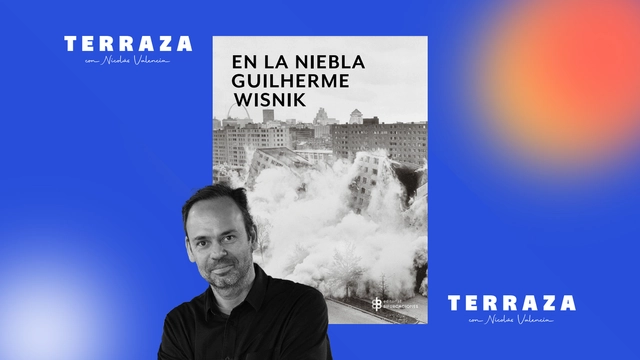
This week on the TERRAZA podcast, Nicolás Valencia talks with Brazilian architect and critic Guilherme Wisnik about his book En la niebla (Editorial Bifurcaciones), a series of essays where fog serves as a metaphor for the state of uncertainty in today's world, weaving together contemporary debates on space, art, and politics.

Choosing between vinyl and laminate flooring is no longer necessary, as resilient hybrid flooring combines the best features of both materials. Kiwi is a natural flooring made of 80% wood, utilizing a premium impregnation technology that makes it 100% waterproof. This product features 80% wood, while the remaining 20% is composed of plant-based resins. Consequently, it is 100% PVC-free, making it an entirely eco-friendly choice.
In a year defined by physical distancing, social media has taken on an even greater role in how we connect and stay informed. Our Instagram accounts have broken reach records, bringing our audience the very best of our website's content: projects, articles, interviews, and news from the architectural world, inspiring new ideas and tools for a better future for our cities.
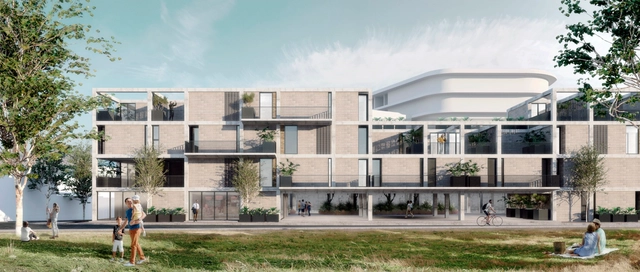
In August of this year, the Municipal Housing Institute of León (IMUVI), in collaboration with the León Association of Architects (Colegio de Arquitectos de León AC), invited students and professionals to participate in the Third Ideas Competition for the development of conceptual proposals for a social housing complex in the Las Américas neighborhood in León, Guanajuato. The competition aimed to develop an intra-urban social housing project integrated with the immediate public spaces and green areas, maximizing land use through feasible and sustainable proposals.
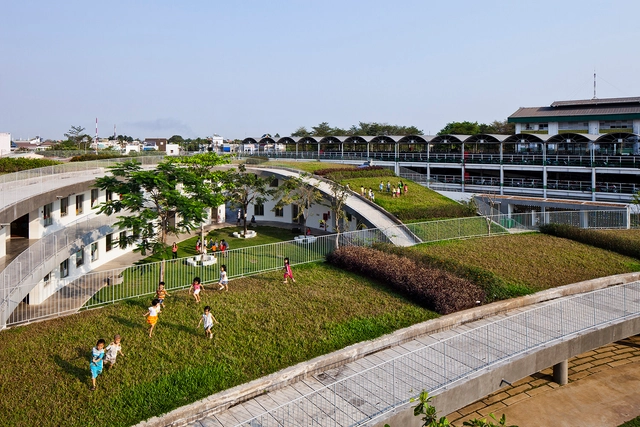
In the face of an unprecedented climate crisis, green roofs are increasingly establishing themselves as a global architectural trend, providing multiple social, economic, and environmental benefits in urban areas. Following the example of pioneering models like Copenhagen's, cities around the world are replacing gray roofs with green ones in an effort to move toward a more sustainable and healthy future. As a result, integrating green roofs has become a recurring practice in projects aiming to address the inherent challenges of the contemporary city.
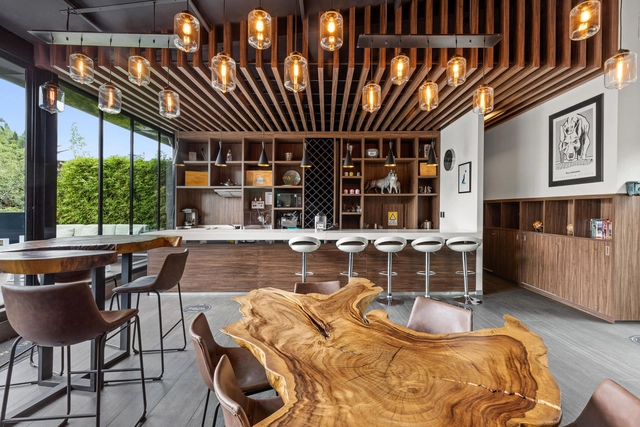
The pandemic has undoubtedly redefined every aspect of daily life, from how we interact to how we live and work. Consequently, architecture has had to adapt to new paradigms and lifestyles. With travel and tourism coming to a standstill for over a year, the hospitality sector was one of the hardest hit, forcing hotels to quickly reinvent themselves in the face of changing needs. Today, the focus is on offering restful spaces that allow guests to disconnect and relax, creating unique, comfortable environments distinct from the home—where most people now spend the majority of their time.
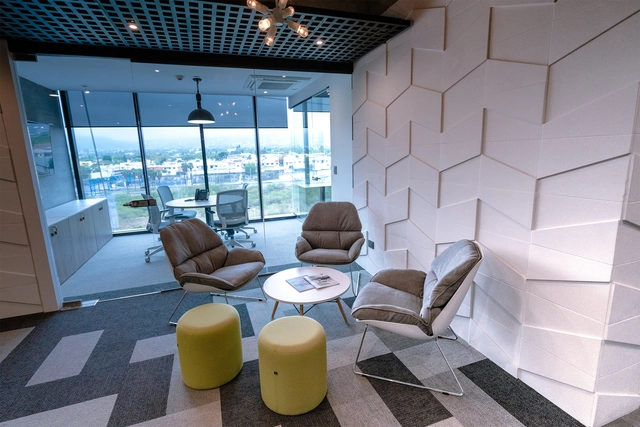
During the pandemic, team communication, meetings, and work processes rapidly shifted from in-person to remote. Consequently, hybrid methods, work-from-home options, and remote collaboration solutions are increasingly studied and adopted across the labor market. While some believed this would spell the end of physical offices, many companies have chosen to strike a balance that meets employees' new needs while fostering teamwork, corporate culture, and identity. Ultimately, this has materialized in flexible workspaces that foster smart collaboration.

The earliest mosaics date back to the 8th century BCE. Indeed, they were already used as decorative elements and paving in Ancient Greece and the Roman Empire. Yet, despite this long history, they remain as relevant as ever, continuing to set trends in contemporary design. Furthermore, in recent years, mosaic techniques have evolved alongside new technologies and advanced manufacturing methods, giving rise to various types of coverings with diverse formats, styles, colors, and properties adapted to a wide range of functions. Among these, glass systems stand out particularly for their beauty, versatility, and physical properties.
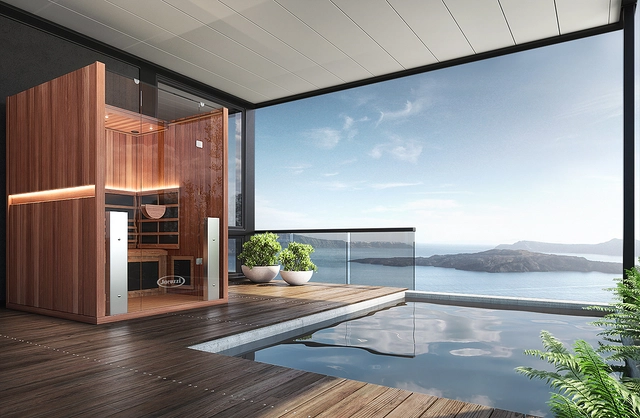
Reflecting the shifting preferences of each era, the design world has continuously adapted its goals to match contemporary lifestyles. A growing awareness of the benefits of comfort-focused daily design has guided the renovation of home design, evolving from a purely functional role toward incorporating wellness equipment innovations into the overall design strategy.
Amid emerging wellness trends, well-being has become a central pillar of interior design. By analyzing health benefits and offering a guide to selecting and integrating wellness equipment into the home, this article highlights how jacuzzis and saunas—combining advanced technology and ergonomic design—promote relaxation and rest in daily life.
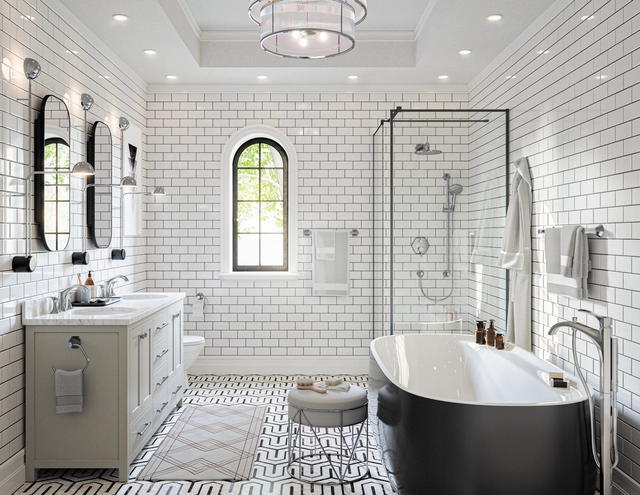
In the 1920s, Art Deco emerged as a dominant architectural, industrial, and graphic design style inspired by elegance, luxury, and sophistication. Although it originated in France, it gained momentum in both Europe and the United States during the 1920s, expanding to encompass all elements of decorative art, including furniture, accessories, and interior lighting. Reflecting the Golden Age of Hollywood and epitomizing glamour, Art Deco was primarily characterized by a predominance of straight lines, symmetry, and bold geometric shapes, with a particular fondness for figures like the hexagon and the octagon.
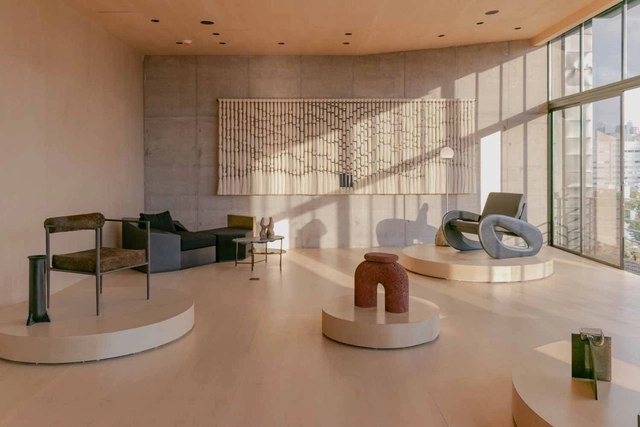
During this year's Art Week, which took place in Mexico City during the second week of February, there was a vibrant surge of cultural events drawing massive crowds, as extensively documented on social media. Evidence of this was the significant turnout prior to the opening of Zona Maco, as well as at Salón Acme, where guided groups of collectors and prospective buyers packed the rooms. To our surprise, after nearly two years of quarantine, the lineup was filled with new projects already planning their second editions. Here, we share a roundup of events we had the opportunity to attend, which will remain open for the rest of February and March. Read on for the full list.

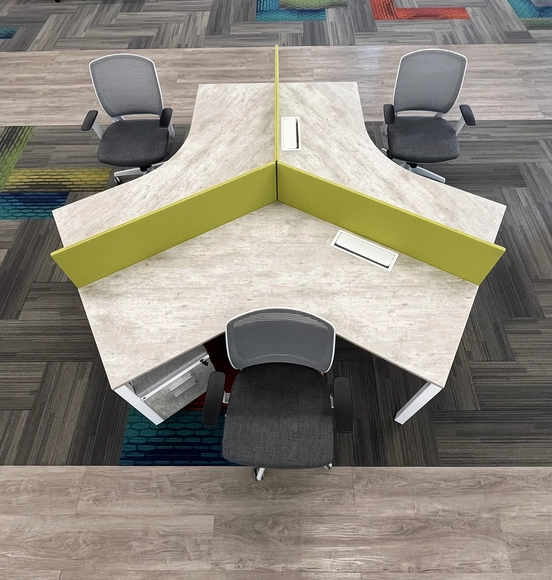
Before transforming a space, the ability to envision its future aesthetic is essential. Visiting a showroom firsthand offers the opportunity to interact with products and materials, creating a space of visualization and inspiration for architects, designers, and visionary clients ready to explore design innovations.
Depending on user needs, showrooms are categorized into two main specialties: office furniture and storage systems.
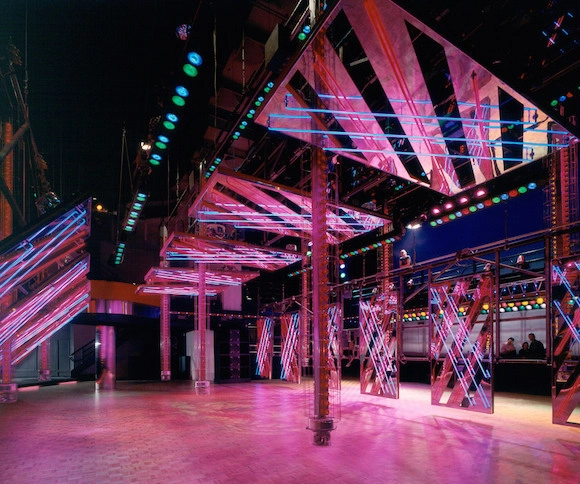
The 1970s shaped many social landscapes that endure to this day. Avant-garde design, fashion, and music are cultural hallmarks that remain in the collective imagination, none more so than the disco scene. However, when speaking of a benchmark that combined these elements and elevated them to their ultimate expression, one must inevitably talk about Studio 54.
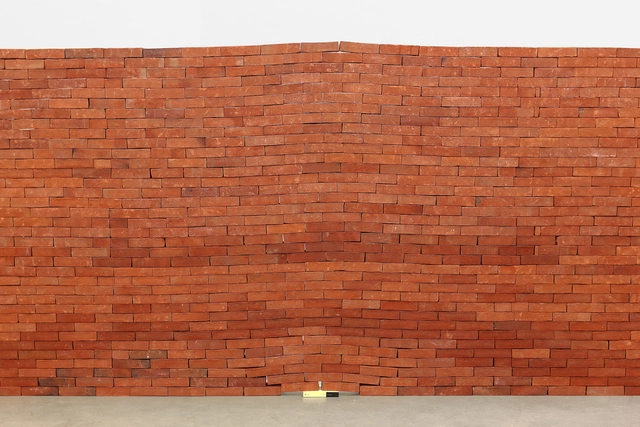
During the last decade we have witnessed how the profession has diversified to work from different trenches, yes out of curiosity, but mainly due to economic factors related to the economic and environmental crises that have hit in recent years. I think that one of the great myths that is lived in architecture universities is to think that, when they graduate, that entire generation will dedicate themselves to building great buildings. The reality is that it is not like that and over the years, it is very common that according to the specific interests of each person, the opportunities are diversified to make them participate in other areas that make up the architecture in an integral way.
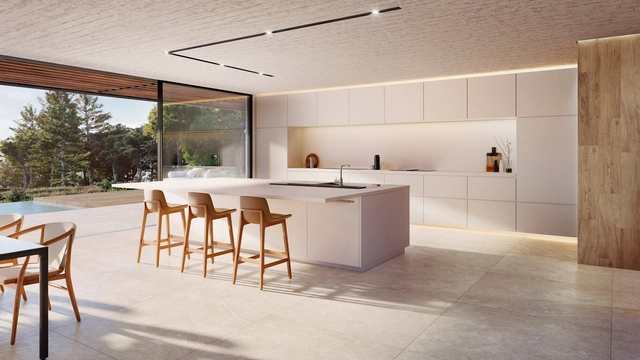
When designing a residential interior, it is common to overlook the importance of the floor. Often, priority is given to the walls, furniture, and lighting, overlooking how this large surface—with its texture and appearance—can define a room's perception, character, and style. Yet, beyond its aesthetic value, durability is essential: while furniture and decor can be changed frequently, the flooring must remain in good condition for years. This is especially true for the kitchen, which is one of the areas of the home that experiences the highest use, traffic, and wear and tear.
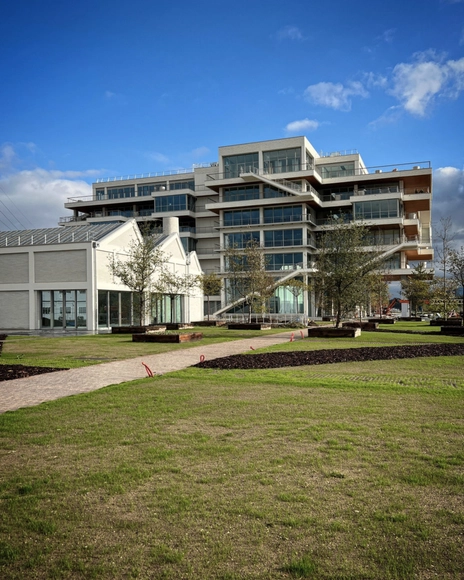
Named 'Le Grand Charles' in honor of Charles Geisen—great-grandfather of Pierre-Étienne Bindschedler, the current president of the Soprema Group—the company's new headquarters is scheduled to open in late fall 2022. Located in the Port du Rhin district of Strasbourg, France, directly opposite the group's current headquarters, the project aligns with the company's vision to provide an engaging, stimulating, and high-quality workplace for its employees.
The construction of the project serves multiple objectives. Chief among them is to create a model building complex in terms of environmental impact, utilizing the sustainable and eco-friendly solutions developed by the Group.

While innovations like 3D printing and laser technology dominate the market, printing on paper—or rather, on a wide range of materials—remains indispensable for the daily workflows of architects, designers, and engineers. Commonly known as "plotters," large-format printers transfer drawings from a computer to a physical format using software that recognizes coordinates, calculating the most efficient path to permanently translate a digital language onto paper. Consequently, whether printing blueprints, advertisements, photographs, or signage, having a versatile, precise, and high-tech printer is essential within any creative discipline.
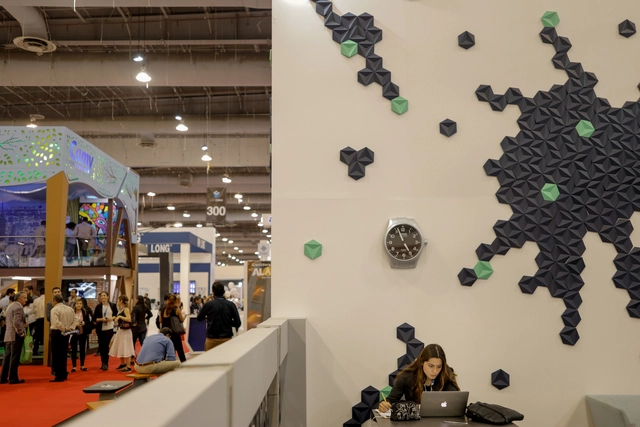
Staying at the forefront while renewing business lines and contacts is key to thriving in any industry. Building on its legacy of 32 in-person and two digital editions, Expo CIHAC returns to Centro Citibanamex, establishing itself in 2022 as a premier hub for the architecture, construction, and interior design sectors in Mexico and Latin America.
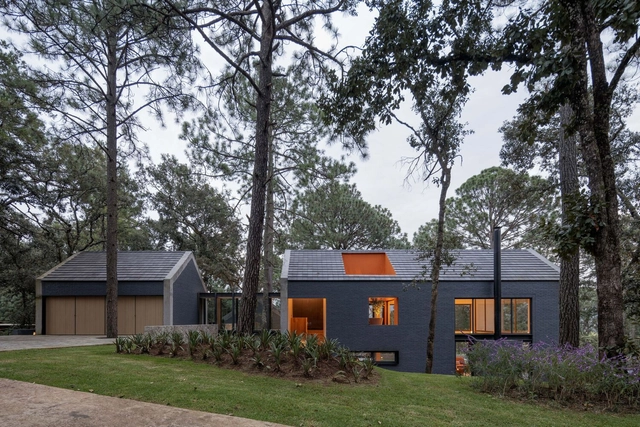
.jpg?1639602926 "CRA House / Estudio MMX. Image")