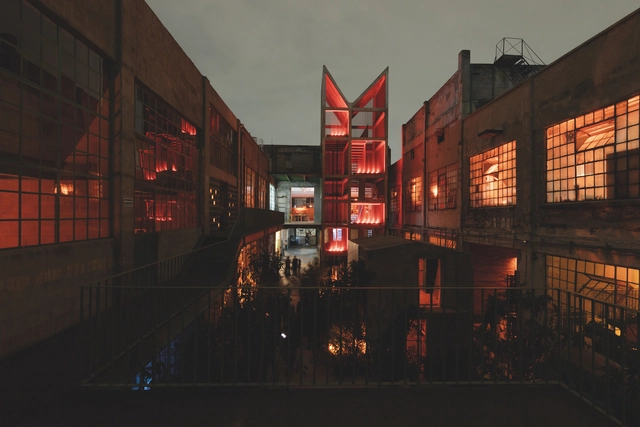
Following nearly 50 years of rapid urbanization, urban renewal has transitioned from an era of incremental growth to one of existing stock. Urban planning has shifted from expansion toward the high-quality renovation of existing assets to reactivate spaces. Looking back at recent adaptive reuse projects by Pritzker Prize laureates, we examine how these masters respond to today's challenges of urban stock renewal.
We often see futuristic, high-tech homes or workspaces in sci-fi films: from Theodore’s apartment in Her (pictured above), where lights turn on automatically upon his arrival without a single touch, to Tony Stark in Iron Man commanding his system to connect to the network and brew coffee, or Tom Cruise in Mission: Impossible controlling lights and televisions with his voice. With the rapid evolution of technology, smart homes have turned these sci-fi visions into reality. At the forefront of this evolution is the century-old German brand Gira, whose smart home systems bring these once-cinematic concepts into everyday life.
While advanced technology promises convenience, it often introduces complexity and steep learning curves. Gira addresses this by bridging the gap between technology and user needs, designing highly intuitive, easy-to-use products that deliver ultimate comfort. With a 117-year legacy—evolving from the original toggle switch to today’s intelligent home systems and touchscreens—Gira has consistently embraced innovation. By aligning technological capability with human experience, the company has established itself as a global benchmark in smart home technology and electrical installations, operating in over 40 countries and earning numerous accolades.
In collaboration with the publisher gestalten, we have recently published our first book: The ArchDaily Guide to Good Architecture. This milestone was an opportunity to look back at the more than 40,000 projects curated over the last 15 years, drawing out their contributions to answer an ambitious question: What is good architecture?
We wanted you—our dear readers—to also confront this question through an open call for opinions. After reading through a vast number of responses from construction professionals, students, and architecture enthusiasts alike, it was surprising to find a widespread consensus: above all, good architecture does not forget why and for whom it exists. Read some of the key responses below.
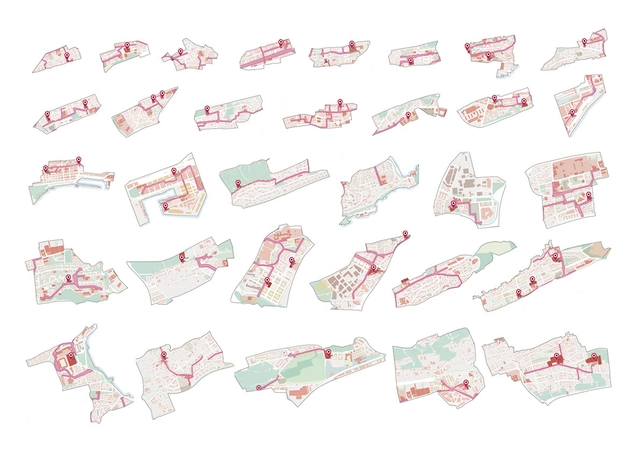
Bringing together citizens' aspirations and providing a technical response, this new model for Santander in northern Spain, projected toward the year 2055, was drafted by the architecture and planning offices Landlab and Paisaje Transversal after winning the 2021 ideas competition for the project.
Below, the authors present this new model in detail, grounded in regenerative urbanism and built on inclusion, connectivity, prosperity, and resilience.
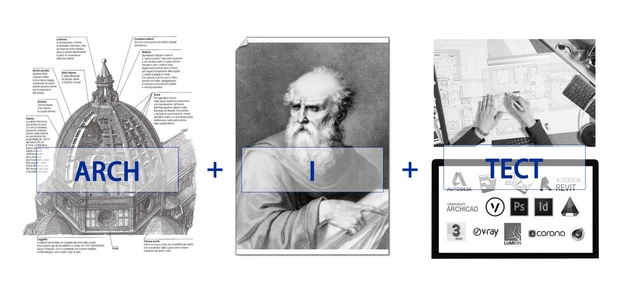
The word "architect" can be deconstructed into three parts: "Arch," the architectural "arch" which etymologically denotes "the highest, strongest, and greatest"; "I" in the middle, representing the self; and "Tect," meaning "technical tool." Historically, the very origin of the architect's identity is rooted in this definition: "to execute the ultimate construction using technical tools guided by one's own subjective consciousness."
Throughout history, the architect's ultimate pursuit ("Arch"), subjective viewpoint ("I"), and technical means of realization ("Tect") have evolved alongside shifting eras and social landscapes. Yet, the core essence of these three elements and their symbiotic relationship have remained fundamentally unchanged.
Over the past two to three decades, accelerating technological breakthroughs have driven architects to invent and reconfigure new "tech" tools for architectural design and construction, striving to keep pace with the information age. Now, with a new wave of technologies like artificial intelligence, big data, and cloud computing driving us further into a digital and intelligent era, the definitions and relationships of "Arch," "I," and "Tect" must evolve. Only then can architects truly break free from the constraints of traditional production relations.
The architect's "I" is no longer the sole agent of design and construction. Instead, by integrating "I" with "Tect," a hybrid consciousness emerges from the fusion of human and machine intelligence, ultimately shaping our destination: "Arch." Architects' cognitive methods and workflows are shifting, as a paradigm of collective collaboration ushers in new professional models.
What is the difference in this shift of agency? It is the difference between individual architectural decision-making and collaborative human-computer decision-making.
https://www.archdaily.com/1131892/how-do-architects-use-ai-architects-exclusive-perks-inside韩爽 - HAN Shuang
The new report from the Intergovernmental Panel on Climate Change (IPCC) paints a troubling picture: climate change is already affecting every corner of the world, and far more severe impacts lie ahead if we fail to halve greenhouse gas emissions this decade and immediately scale up adaptation measures.
https://www.archdaily.com/1131911/impact-of-climate-change-6-findings-from-the-2022-ipcc-report-on-adaptationKelly Levin, Sophie Boehm e Rebecca Carter
Valode & Pistre (VP) is one of Europe's top ten architecture firms and the largest in France. Founded in 1980 by Denis Valode and Jean Pistre, the firm is headquartered in Paris, with branch offices in Beijing, Moscow, and Dubai. Their portfolio spans 35 countries and regions worldwide, encompassing a diverse range of typologies and scales. Widely acclaimed internationally, the practice has also received the Équerre d'Argent, France's highest architectural honor.
Their built portfolio focuses primarily on large-scale public buildings, commercial complexes, and residential developments, including office buildings, international exhibition and convention centers, mixed-use commercial centers, research facilities, hospitality venues, museums, universities, hospitals, and high-end residential projects.
In China, the firm's landmark projects include the Liaoning Cultural Venues, Sanya Haitang Bay International Duty-Free Shopping Mall, Haikou International Duty-Free City, Hangzhou Grand Exhibition Center, Jinan International Convention and Exhibition Center, Wuhan International Exhibition Center, and the Shenzhen World Exhibition & Convention Center—currently one of the largest single-structure buildings in the world. Committed to bringing top-tier French expertise to local Chinese projects, the practice delivers tailor-made designs that emphasize physical realization and human scale, ensuring satisfaction for clients and end-users alike.
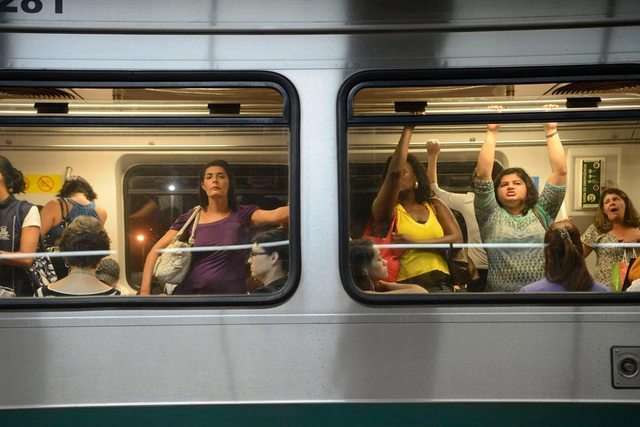
Women's subway car in São Paulo. Image: Fábio Rodrigues Pozzebom/Agência Brasil
“Our cities are patriarchies written in stone, brick, glass, and concrete.” The words of British feminist geographer Jane Darke lay bare an undeniable fact: urban development across the globe has always been the work of men. In executive roles, “the majority makes choices ranging from economic policy to housing planning, from the location of schools to bus seats, without realizing how these decisions affect women, let alone worrying about it,” says Canadian Leslie Kern, a geographer with a PhD in women’s studies from York University.
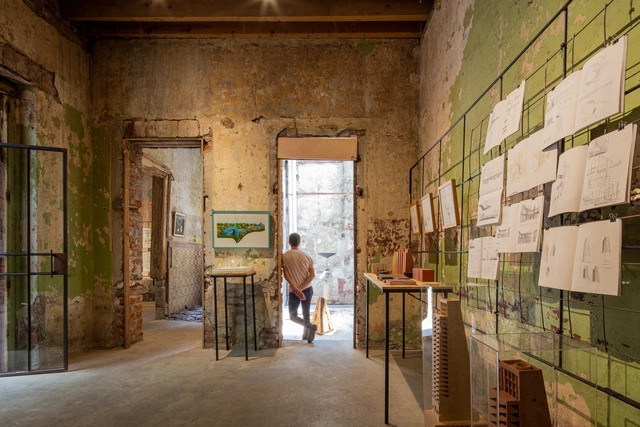
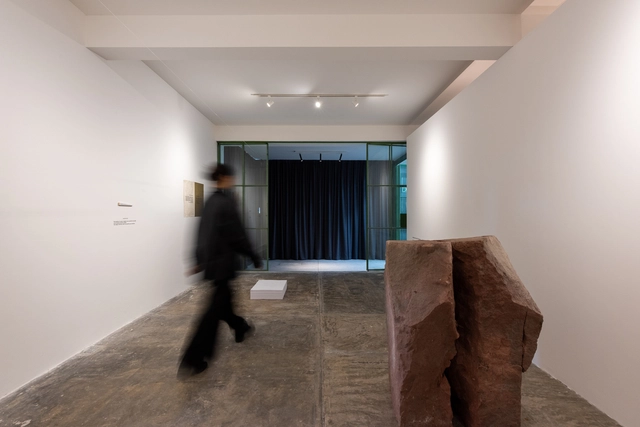
As part of a new initiative led by Francesca Borgonovo and Luis Young in Mexico City, "Preludio"—the inaugural exhibition of BY Galería—was presented from August 25 to September 3 at Proyecto Público Prim. This space arises from the question: "Is it possible to materialize architectural thought?"
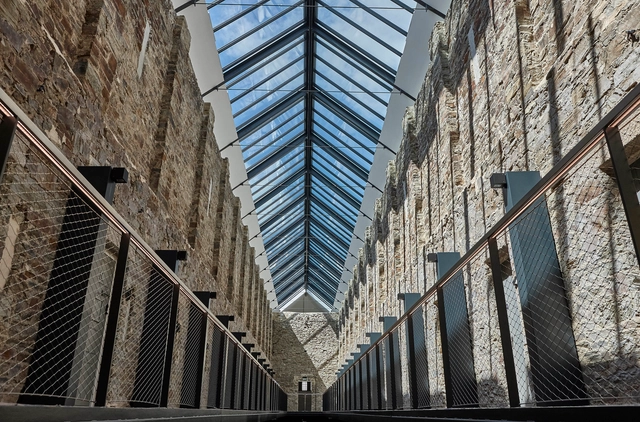
The Bodmin Jail Hotel. Image Courtesy of VELUX Commercial
Converting the 18th-century Bodmin Jail into a modern hotel presented architects with significant design challenges, as the historic infrastructure imposed strict physical constraints. Listed buildings are subject to rigorous preservation guidelines regarding heritage protection, building character, thermal comfort, and the integration of natural light.
Such design challenges often complicate architectural planning, particularly in adaptive reuse projects. Common obstacles include sourcing materials that match or replicate the existing historic fabric. During the planning phase, spatial layout, occupant comfort, and the integration of modern technology must be carefully balanced with contemporary design principles. For the Bodmin Jail Hotel, a key requirement was integrating skylights into the existing, iconic pitched roof.
"Domingos Libro" is hosted by Carmelo from Enorme Studio, delving into forgotten architectural publications, books, and architecture magazines from the '60s, '70s, and '80s that hold some of the most fascinating backstories.
After a hiatus in 2022, the series returned with episode 19, titled “Siempre Joven” (Forever Young). It focuses on Ettore Sottsass Jr. and how, at 62—when mere mortals would be contemplating retirement—he founded a studio alongside four twenty-somethings that would change the history of design.
Cortesía de Alejandro Merino Guerrero, Gianella S. Díaz Castañeda
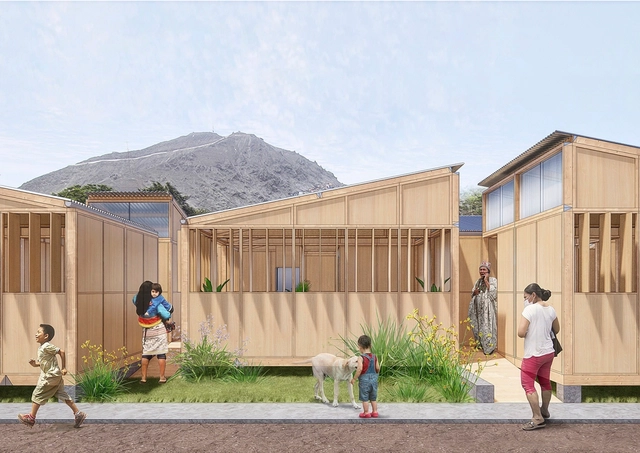
Within the framework of the project "Inclusive Preparation, Effective Response: Strengthening community preparedness and protection systems through an inclusive and gender-sensitive approach in the communities of the Cantagallo area in Lima," developed by the consortium of Plan International, COOPI - Cooperazione Internazionale, and Humanity Inclusion, the studio Arquitectura del Medio, led by Alejandro Merino and Gianella Díaz, seeks to implement a demonstration project in the Shipibo-Konibo Community of Cantagallo in the district of Rímac, Lima, taking environmental considerations and replicability into account.
https://www.archdaily.com/1131842/conibox-emergency-housing-module-for-the-shipibo-konibo-community-in-limaDiego Vivas
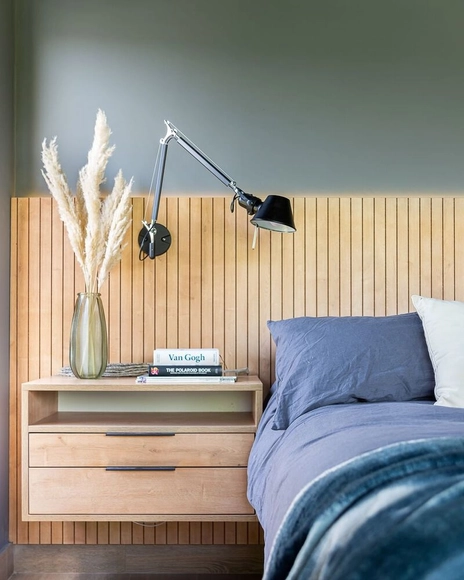
Tablero Vesto Roble Rústico con técnica de ranurado, conseguida mediante router. Posteriormente se maquillan las ranuras para disimular el sustrato MDP del tablero. Diseño de Vardeco. Image Cortesía de Arauco
There are various ways to accentuate and breathe life into a space, from adding furniture or a decorative piece to painting a wall a bold color. Yet, when it comes to elevating an interior simply, quickly, and with added texture, depth, and warmth, a grooved wood-look finish emerges as a compelling, cutting-edge solution. Indeed, it has established itself as a major trend in contemporary furniture and interior wall design, even taking center stage at the renowned Salone del Mobile Milano 2022.
On September 23, LIGA celebrated 10 years of supporting and empowering young Latin American architects with a dinner held at its main space in Mexico City. LIGA is housed within a former textile factory (La Laguna) that originally opened in the first decade of the 19th century. Now transformed into a collaborative multi-use space designed by the architecture firm PRODUCTORA, the venue hosts independent Mexican initiatives ranging from a coffee shop and an architecture studio to a ceramics workshop.
https://www.archdaily.com/1131921/sombra-creates-a-light-installation-to-celebrate-10-years-of-liga-in-mexico-cityArchDaily Team
While the construction industry has been advancing for years in emerging fields like nanotechnology and 3D printing, it remains one of the most lagging in terms of technology adoption. Many innovations never progress past the experimental stage, and while there is a constant push to reverse this trend, we are simultaneously faced with a troubling fact: the construction industry is one of the world's largest producers of pollutants and waste.
"Domingos Libro" is presented by Carmelo of Enorme Studio, delving into forgotten architectural publications, books, and architecture magazines from the '60s, '70s, and '80s that harbor the most fascinating backstories.
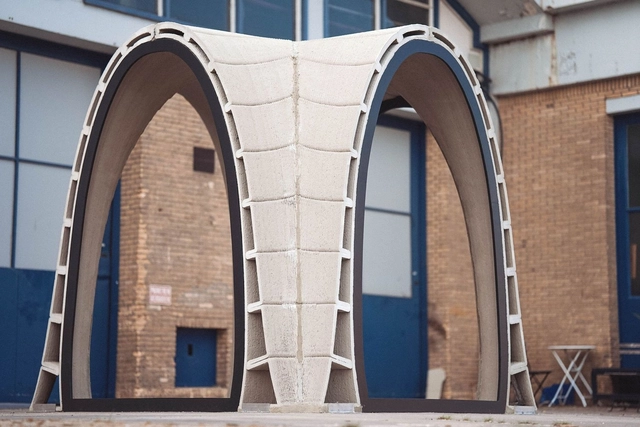
Browsing ArchDaily's 3D printing tag reveals the incredible progress this technology has made over recent years. While once considered a distant, futuristic concept or a tool limited to small-scale objects, 3D printing has matured to produce increasingly complex spaces and even fully printed buildings. More recently, researchers have been experimenting with concrete and other construction materials, though developing a highly efficient 3D printing technology viable for widespread adoption remains a challenge. The 3D-printed pavilion by Huizenprinters serves as a compelling case study.
Since ArchDaily launched its recruitment services, we have received job postings from architecture firms of various scales across China, from Beijing and Shenzhen to Hangzhou. With their unique styles, these practices are active across diverse architectural sectors, seeking talented designers to join their teams. Below is a curated selection of eight firms currently hiring, along with some of their representative projects. We encourage interested readers to apply.
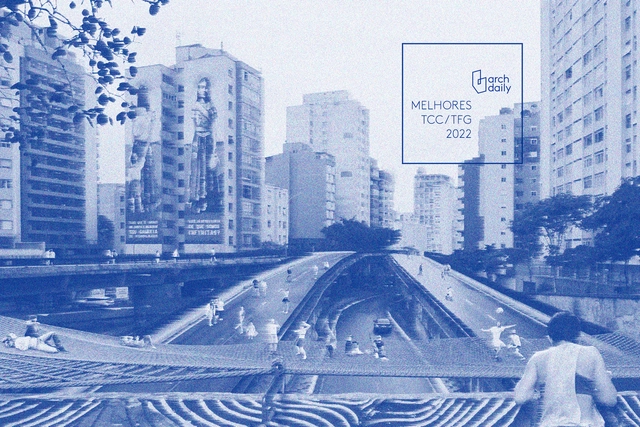
Montage created based on the work "Intentos por São Paulo: Ensaio Minhocão" by Julia Getschko
Academia has much to contribute to the fields of architecture and urbanism. Inspiring visions emerge through its research and proposals, sparking critical debates on how we perceive, occupy, and design the built environment. With this in mind, we hold an annual call for final graduation projects open to all Portuguese-speaking countries to showcase a panorama of themes and projects that we believe stood out over the past year.
Looking back at 2021, two pivotal developments exerted a transformative influence on the architectural design community.
The first was the passing of High-Tech pioneer Richard Rogers (Richard Rogers). German art historian Hans Belting once remarked: "When people call for a new art, it is architecture and design that step forward as a symbol of a new society, carrying the hope of changing living space. And as people envision changes to their living space, they themselves change as well." Rogers was among the first to step forward at the close of the 20th century. His bold, rebellious, and iconoclastic design approach unlocked a new paradigm for the urban landscape. Having practiced continuously until his retirement last year, his career was a constant testament to the critical importance of design direction. In turn, one cannot help but ask: as the giants of our era gradually depart, are we prepared to shoulder the true mission of architecture?
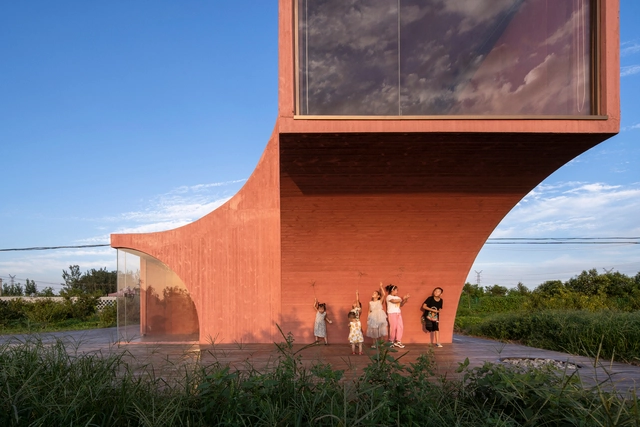
The second was the controversy surrounding architect Tao Lei's design on the television show Dream Home. A 1.32-million-yuan red-brick house designed for an elderly client was met with widespread online backlash, laying bare the deep friction between architectural aesthetics and daily life. It prompts us to ask: Is the aesthetic pursued by architects truly aligned with the expectations of everyday people? Can architectural design reshape public aesthetic perception? Does social class dictate design outcomes? And should a project be dismissed based on sensationalized, fragmented headlines by those who have never actually experienced the space?
"Despair, like hope, is but vanity." ArchDaily’s keyword for this year is: Cultivating internal strength and external reach.Internally (Platform Responsibility): Providing tools, inspiration, and knowledge gathered from all directions to continuously overcome, triumph, and transform, building a broader "design universe." Externally (Communication Responsibility): Stepping outside the architectural "comfort zone" to center public needs, delivering clearer insights and evidence-based processes, and crafting more creative architectural content.
https://www.archdaily.com/1132314/2022-cultivating-inside-and-out-archdailys-new-years-resolution韩爽 - HAN Shuang
All-female volunteer construction effort (mutirão) for the home of Derick's mothers. Via Vimeo. Public Domain
Architecture and the spaces that surround us, much like art, fashion, food, and so many other aspects that support the physical and social construction of a society, play an essential role in maintaining the moral and cultural values established within it. Among built spaces, housing has perhaps played the primary role in producing and reproducing power relations both within and beyond the private sphere.
From a gender and sexuality perspective, it is within the domestic environment that we most explicitly observe the use of architecture as a moral vector, aiding in the construction of specific roles for female and male figures, and in establishing the nuclear family as the foundation of Western society.
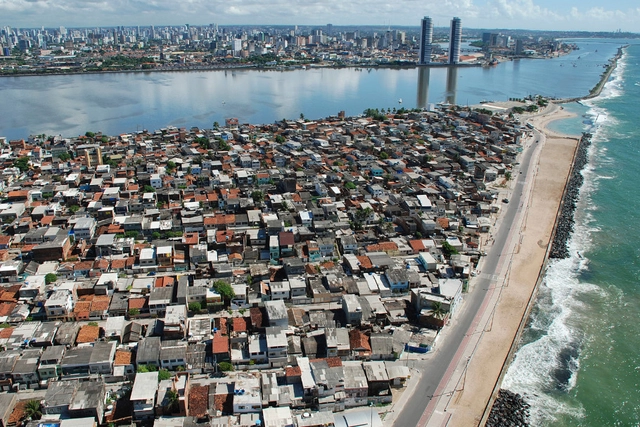
Recife, Pernambuco. Image: Paulo Lopes/Prefeitura do Recife
An increasing number of people live in urban areas. UN-Habitat's World Cities Report 2022 reveals that this share rose from 25% in 1950 to over 50% in 2020, with projections indicating it will reach 58% over the next five decades. The survey also indicates that by 2070, the number of municipalities in low-income countries will increase by 76%, while in high- and lower-middle-income nations, this growth will hover around 20%. Furthermore, the study notes that this scenario highlights the urgent need for cities to be designed and managed so that future growth does not overwhelm existing infrastructure, open spaces, and services—which would lead to unsustainable sprawl.
https://www.archdaily.com/1132378/what-is-urban-density-and-what-are-its-advantages-and-disadvantagesSomos Cidade
As part of the cultural agenda of LIGA, Espacio para arquitectura in Mexico City, the work of a Cuban architecture office is presented for the first time: Infraestudio. The studio, composed of Anadis González and Fernando Martirena, addresses various conflicts and challenges in their daily practice, including job precarity in a context where private architectural practice is illegal. Despite this obstacle, they have managed to develop a provocative body of built work, intertwining it with proposals linked to artistic practices.