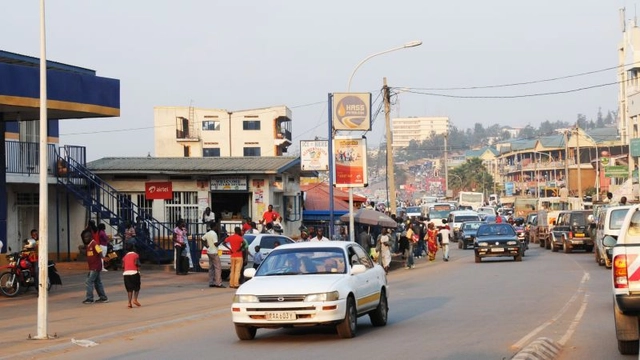
The next generation of Sub-Saharan Africa’s green and inclusive cities is just around the corner, but only if designers embrace the opportunity. Can small-scale entrepreneurship drive new sustainable housing, or will the overburdened sector fail to meet the challenge of climate change?
DxD Block Party: César Pelli Day is an annual FREE public event that connects hundreds of students of all ages with local architecture, design, engineering, and construction professionals. This year's event will be hosted by Pasadena City College (1570 E. Colorado Boulevard, Pasadena, California, 91106) on Saturday, April 5, 2025, from 9 am to 2 pm.
An international European cultural project “UREHERIT. Architects for heritage in Ukraine: recreating identity and memory” together with Architects Association of Lithuania (liet. Lietuvos Architektų Sąjunga ) launches a third conference on 11th April 2025 in Vilnius! This year's theme: “Reconstructing Ukraine: Heritage is home”. Save the date: The third public UREHERIT conference, dedicated to Ukrainian architecture and cultural heritage, will take place on 9:00 11th of April at the National Gallery of Art in Vilnius. During the event, project participants will present the progress of the UREHERIT initiative, including completed and ongoing research, developed methodologies, and past and upcoming professional and community-focused activities—such as workshops, seminars, training programs, and educational initiatives for Ukrainian architecture schools. The conference will address key topics related to the preservation, recovery, and adaptation of cultural heritage. The conference will be held in a hybrid format – in person and live-streamed online. The streaming link will be provided later. The event will be conducted in English and Ukrainian with simultaneous translation available (to/from both languages). Follow UREHERIT on social media for more news.
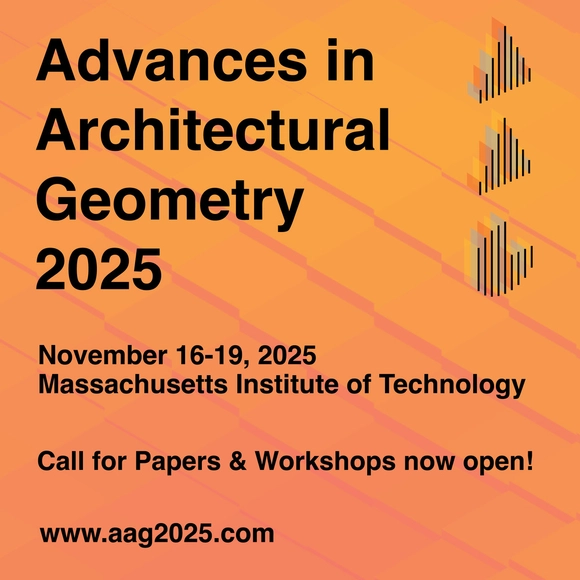
Advances in Architectural Geometry (AAG) is a conference where both theoretical and practical work linked to new geometrical developments is presented. It involves architects, engineers, computer scientists, mathematicians, software and algorithms designers and contractors. We aim at connecting researchers from architectural and engineering practices, academia and industry. AAG has become a reference both in research and in practice and is supported by the direct participation of the most renowned architectural design and engineering offices along with research laboratories.
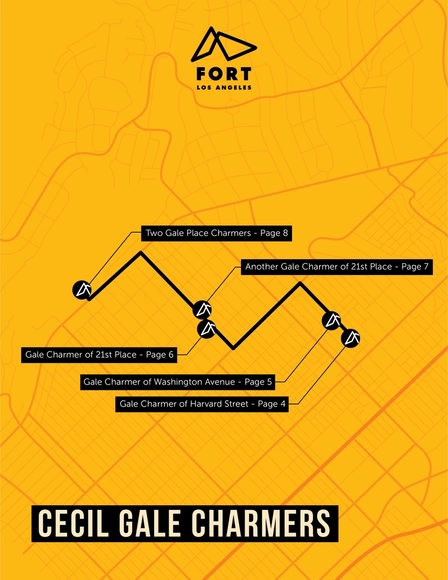
The Cecil Gale Charmers - Free Self Guided Architectural Trail Map
Each month, Friends of Residential Treasures Los Angeles (FORT: LA) curates a new self-guided trail, inviting Angelenos to explore the city’s rich architectural heritage. These immersive experiences highlight significant homes, hidden gems, and the designers who have shaped Los Angeles' built environment.
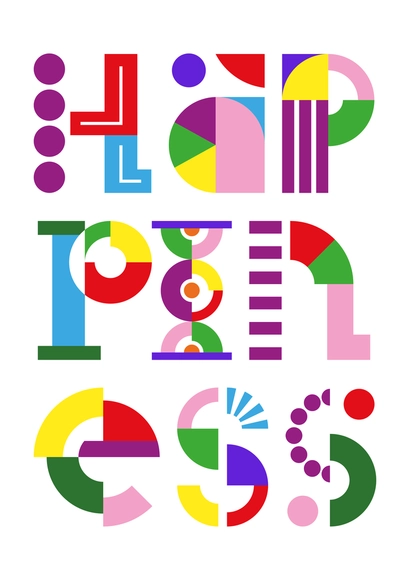
Superdesign Show celebrates an important anniversary: the 25th anniversary of the birth of Superstudio Più on Via Tortona, the historic venue from which the Fuorisalone phenomenon started. It does so with a special theme: HAPPINESS, inherent in the products, evident in the installations, which it proposed as a challenge to those who wanted to participate in this edition. With the participation of more than 70 designers from 10 countries, the involvement of 3 continents and the presentation of more than 20 projects, this year's choral and international event is once again confirmed as a must-attend event for anyone who wants to explore the latest trends and future visions of design. Project by Gisella Borioli, art direction by Giulio Cappellini.
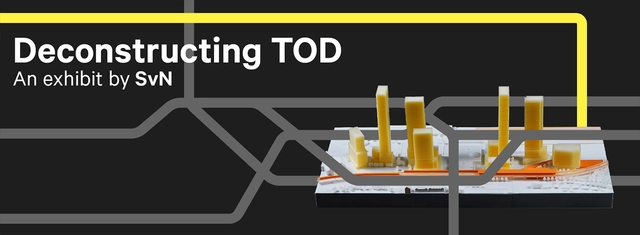
How can major transit projects drive positive social change? Deconstructing TOD: Transit Roots playfully explores how transit can shape thriving communities, spur new housing, create public spaces, and support local businesses—while addressing the challenges that come with it.
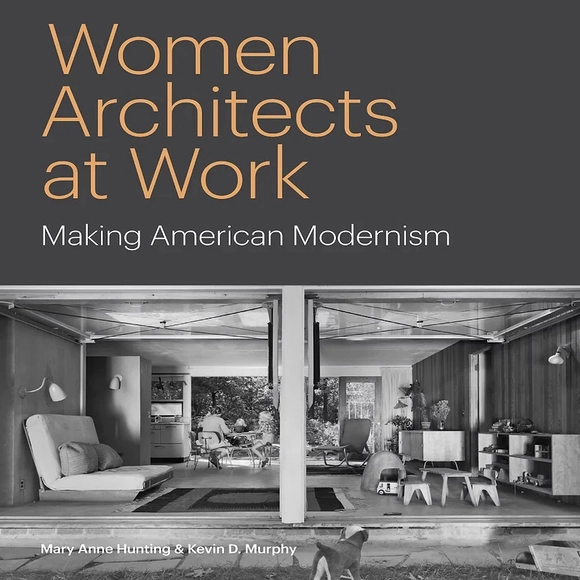
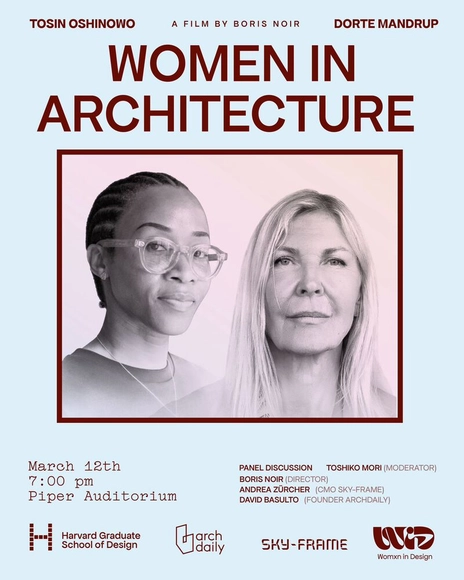
Women Architects at Work. Making American Modernism
The Spring Scholars Series: Women + Architecture at Mather Homestead will take place on March 27, 2025. It will feature a discussion on the contributions of women in architecture and how their work is shaping the built environment today. The event will begin with a lecture by the authors of Women Architects at Work, honoring the legacy of Bertha Mather McPherson (1906-1993), one of Connecticut's pioneering female architects.
Some say that architecture and urban planning practices in the 20th century led to the creation of Hip-Hop. This class will examine that theory further and analyze the genre's art form and influence. It will challenge those who work (or aspire to work) in architecture and city planning and push them to approach their practice more ethically.
Architecture continues to push boundaries, redefine expectations, and inspire through innovation. Trailblazing Architecture highlights the groundbreaking ideas, transformative technologies, and pioneering approaches shaping the future of our built environment.
From sustainable design solutions to adaptive reuse, and from advanced technologies to equity-driven practices, architects are leading the way in addressing complex global challenges. This conference aims to spotlight the diverse ways professionals worldwide are reshaping our industry, imagining new possibilities, and influencing a brighter future for all.
Join us for a global discussion on how architects are embracing bold strategies to redefine the limits of design and construction!
Michele Pompilio, a young entrepreneur from San Giovanni Rotondo—a town known for its welcoming spirit and deep spirituality—will present his collection at Milan Design Week 2025, as part of the Superdesign Show by Superstudio, taking place from April 7 to 13 in the vibrant setting of Via Tortona 27, Milan.
The Facade Tectonics Institute's Vitruvian Honors & Awards program celebrates outstanding achievements in the field of facade design and delivery. The program recognizes outstanding projects, as well as project teams and individuals, that have made extraordinary contributions to facade design, engineering, fabrication, installation and lifecycle performance. The program, winners, and honorees demonstrate the goals of the Institute in advancing the art, science, and technology of designing and constructing building facades to the benefit of people and planet.
On the occasion of Milan Design Week, scheduled from 7th to 13th April, Brera Design District reaches its 16th edition embracing the theme of “Connected Worlds” proposed this year by Fuorisalone. The theme truly reflects the multi-faceted spirit of a district in the city which has become not only a unique brand of its kind but also an international point of reference thanks to its commercial offering and its identity, in a mix of craftmanship, art, culture, lifestyle, food and wine and hospitality. The same intertwining of interpretations and points of view, but also of colours, shades, materials and graphic signs can also be found in the project named “Horizons”: the new installation of Brera Design Apartment (via Palermo 1), curated by the Zanellato/Bortotto Studio. A design manifesto reflecting the spirit of Brera District and that develops through experiments in colours and textures applied to products and surfaces manufactured by genuine craftmanship.