Prefabrication is not a new idea for architects. It was a staple of the post-war modernist ideal, a great dream that precise modern structures would be created in clean factories and then shipped to site. However, the realities of post-war prefab were far from this ideal; buildings were often poorly designed or poorly constructed, and by the end of the century prefabrication was merely a footnote in the catalog of construction methods. In the 21st century though, prefabrication is experiencing a resurgence. In this article originally published on Autodesk’s Redshift publication as "Future of Construction: Your Next Building Won’t Be Built—It Will Be Manufactured," Autodesk's Phil Bernstein looks at the current wave of prefabrication, and answers the question: why now?
And BSB isn’t the only one with this type of ambitious plan for the future of construction. The industry is entering the age of the mass-manufactured building. Prefabrication is growing up, reaching a new level of maturity that is now going to change the industry and define new categories of building. Check the trailer-park stereotype at the door.
There is perhaps no better display of modern architecture’s historical victory than Jacque Tati’s film Playtime. In it, a futuristic Paris has left-for-dead the grand boulevards of Haussmann, in favor of endless grids of International Style offices. The old city is reduced to longing reflections of Sacré-Cœur and the Eiffel Tower in the glass of these shiny new monoliths. But the irony central to the film is that this construction is created through mere surface treatments, and as the narrative unfolds, cheap mass-production withers in a world where the veneer has triumphed over craftsmanship and polish. In short, Modernism hasn’t always been all it's cracked up to be.
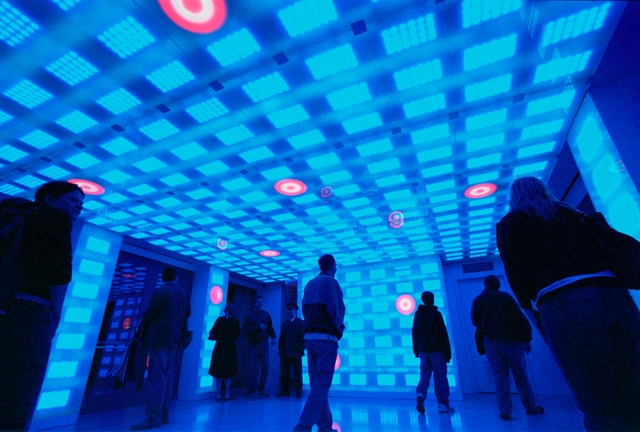
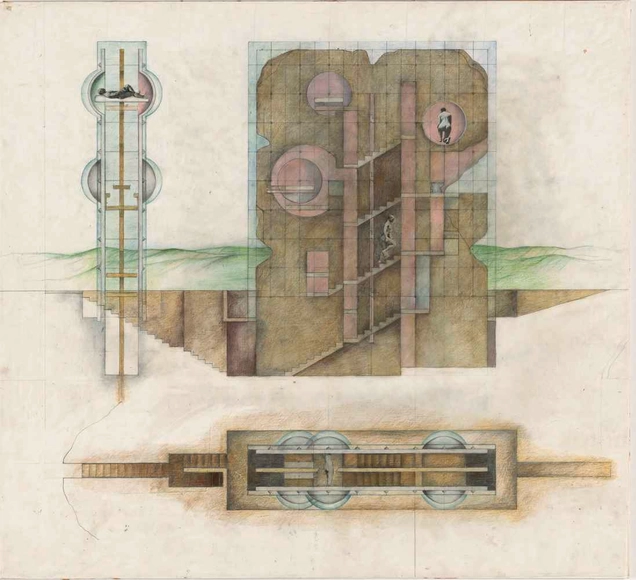
In the Museum of Modern Art’s new exhibition, "Endless House: Intersections of Art and Architecture," the simplicities of mass-market modern homes are abolished by artists and architects who, in examples from the 1940s to the present, have chosen to use the dwelling as a platform for universal messages and as an arena for architectural experimentation. In the same way that photography freed painting from the terrestrial concerns of realism, the simplicity of modernism liberated artists and architects to subvert extant conventions of buildings.
Often, all that is needed for that big break in your career is getting experience at the right firm. But getting your foot in the door is daunting, especially if your ideal firm is one where thousands of other architects are applying constantly, regardless of whether a vacancy has been advertised. In this article originally posted on The Architect's Guide, Brandon Hubbard reaches out to some of the world's top architecture firms (Zaha Hadid Architects, Snøhetta, Perkins+Will, BDP and Callison) to find out how you can maximize your chances in the application process.
I recently reached out to several of the world’s top architecture firms and asked them a series of questions on what they look for in potential architecture job applicants.
After my discussions with these firms I discovered a common theme in how they acquire many new hires. As I covered in a previous article, Want a Great Architecture Job? Don't Send a Resume, many new employees are found through personal references and word of mouth. Developing these relationships within the architecture community is essential for a successful career.
The questions are structured to cover the various steps of the architecture job application process, from the first point of contact to the interview.
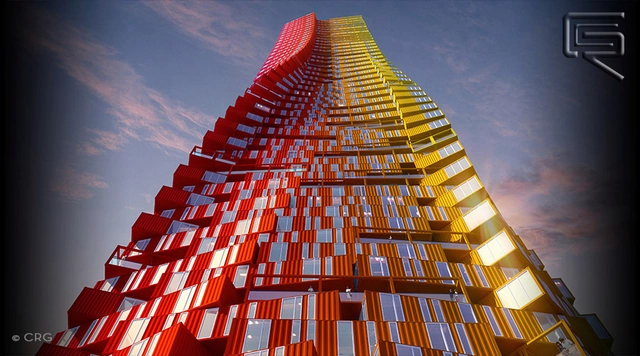
At ArchDaily, we believe it's important to keep our readers up to date on all the most interesting developments in architecture. Sometimes, we will present ideas and projects with a critical eye; however, in many cases we simply present ideas neutrally in the hope that it will spark some discussion or critical response within the profession. Recently, a series of connected news articles about proposals for high-rise shipping-container housing provoked just such a response from Mark Hogan, principle at San Francisco-based firm OpenScope. Originally posted on his blog Markasaurus here's his reasoning for why, contrary to the hype, "shipping containers are not a 'solution' for mass housing."
What’s wrong with shipping container buildings? Nothing, if they’re used for the right purpose. For a temporary facility, where an owner desires the shipping container aesthetic, they can be a good fit (look, I’ve even done a container project!). For sites where on-site construction is not feasible or desirable, fitting a container out in the factory can be a sensible option, even though you’ll still have to do things like pour foundations on site. It probably won’t save you any money over conventional construction (and very well might cost more), but it can solve some other problems.
The place where containers really don’t make any sense is housing. I know you’ve seen all the proposals, often done with an humanitarian angle (building slum housing, housing for refugees etc) that promise a factory-built "solution" to the housing "problem" but often positioned as a luxury product as well.
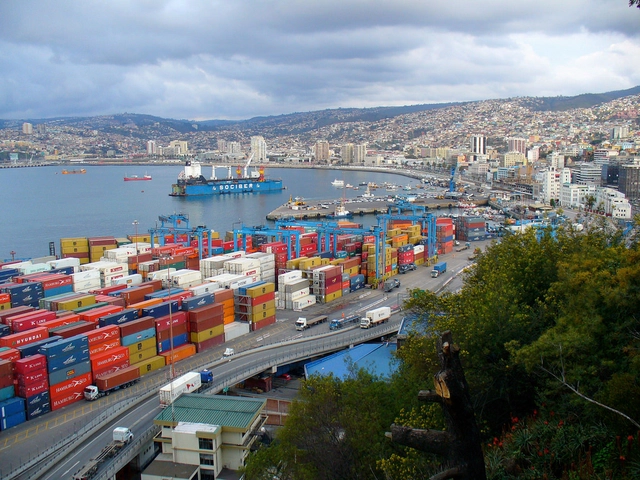
Restricted. Vast. Harsh. The image of a port calls to mind many words, but pedestrian-friendly and aesthetically-pleasing are rarely among them. With their precarious stacks of shipping containers and large pieces of machinery, ports are places that people tend to want to avoid. Yet for logistic and historical reasons, ports are often located near the heart of cities, taking away valuable urban space and desirable waterfront land from residents. This does not need to be the case.
A new report released by The Worldwide Network of Port Cities titled “Plan the City with the Port: Guide of Good Practices” offers strategies for cities to optimize the effectiveness of their harbors while reclaiming as much of the land as possible for the people. The guide uses case studies from urban designs in various stages of completeness to illustrate different techniques available to improve the environment of a port within its city. Although these approaches are designed with a specific program in mind, many architectural and urbanistic ideals can be derived from them to be used in variety of circumstances. Read on for our summary of the report’s recommendations.
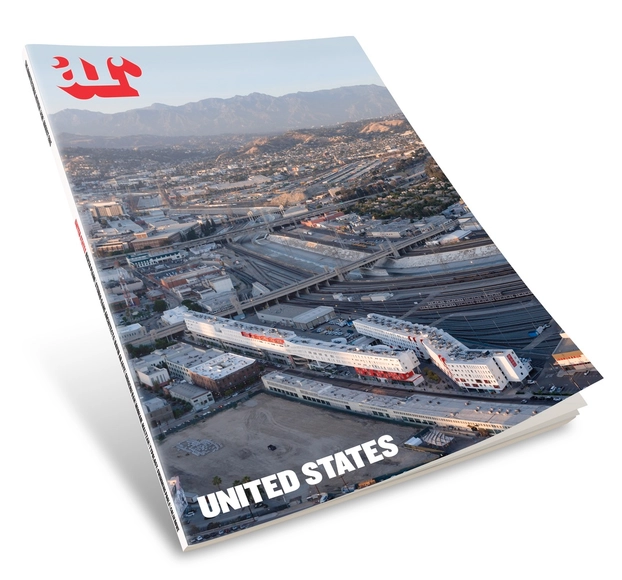
ArchDaily is continuing our partnership with The Architectural Review, bringing you short introductions to the themes of the magazine’s monthly editions. In this introduction to the August 2015 issue, AR editor Christine Murray takes on the disheartening architectural scene in North American cities from New York to Toronto, arguing that "NYC is not where we found a new American architecture" and asking: "Why not give the young guns a tower or a Whitney, let them stretch their legs?"
The latest New York towers are more billboard than building. Like celebrity-endorsed perfume - fancy box, smelly water - the architecture matters less than the artist and his (yes, they are all men) pen’s effluent black-ink concept scrawl.
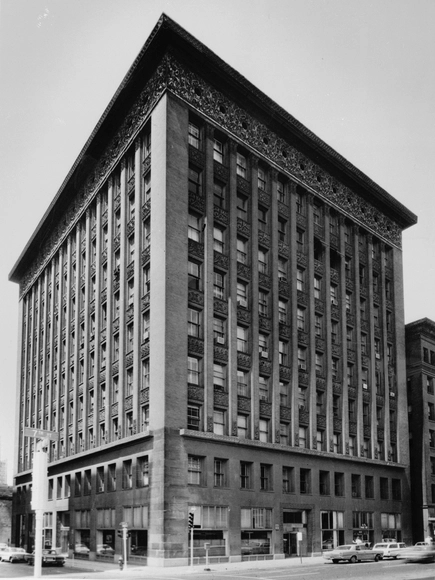
Wainwright Building / Adler & Sullivan. Image Courtesy of Historic American Buildings Survey
Welcome to the second installment ofThe Long(ish) Read: an AD feature which uncovers texts written by notable essayists that resonate with contemporary architecture, interior architecture, urbanism or landscape design. In this essay, written in March 1896, Louis H. Sullivan (1856-1924) discusses the construction of high-rise office buildings. Sullivan, often described as the 'Father of Skyscrapers' and the 'Father of Modernism', was a mentor to a number of US architects in and around Chicago — including Frank Lloyd Wright and the Prairie School. In this essay, written when he was forty years of age, Sullivan lists his solutions to the many problems associated with building tall, and doing so with a degree of artistic flair.
Architects love innovation; they are usually on the lookout for the latest innovation in materials and products which they can incorporate into their inevitably innovative designs. And yet, there's one place where they rarely innovate: their own business. This article, originally posted on Archipreneur as "Branching Out: 9 Architects Who Created Innovative Products," explores the world of architects who are innovating in other ways.
For decades the architectural business model has remained unchanged. While other industries have taken cues from the increasingly popular start-up mentality seen in the technology sector, architects have stuck to the outmoded practice of trading time for dollars. In a competitive global economy, this model is highly susceptible to changes in the real estate market and has limited opportunities for growth. These realities have propelled some architecture graduates to consider alternative career paths in which their unique skillset offers them a competitive advantage.
In contrast to the current business model of most architecture firms, we’ve gathered nine examples of architects who have created innovative products and services. These endeavors offer numerous advantages when it comes to growing a business because unlike the consulting model, product creation is highly scalable and has the potential to provide a continuous passive income stream.
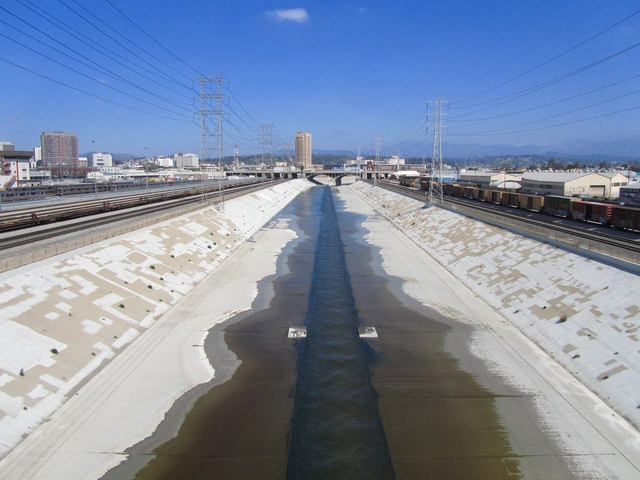
Since the Los Angeles Timesbroke the news that the LA River Revitalization Corp has enlisted Gehry Partners to lead a new master plan effort for the Los Angeles River, there have been a slew of negative responses: the Friends of the Los Angeles River have refused to endorse the Gehry effort, reactions collected by the Architects Newspaper ranged from skeptical to angry, and Alissa Walker at Gizmodo did not mince words when her headline declared “Frank Gehry is the Wrong Architect to Revitalize the Los Angeles River.” These responses raise real and legitimate concerns - progress on the LA River has been years, if not decades, in the making. There is already a master plan, prepared by Mia Lehrer and Associates, and the US Army Corps of Engineers approved a plan to restore 11 miles of the river, known as Alternative 20, just this past July. There are worries that this new effort could threaten the current approvals and funding.
Frank Gehry is an easy target for criticism. His buildings can be polarizing, and his detractors are quick to seize on any defect. Details are trickling out slowly, but a recent presentation to reporters revealed that the plan would eventually identify locations for parks and real estate developments, as well as establish a unified design theme for future improvements such as pedestrian and bicycle paths. For his part, Gehry has emphasized the water reclamation aspects of the project - an especially timely subject in drought-stricken California. And in an interview with Frances Anderton on KCRW’s “Design and Architecture,” Gehry was quick to clarify, “It’s not a building, I’m not doing a building!”
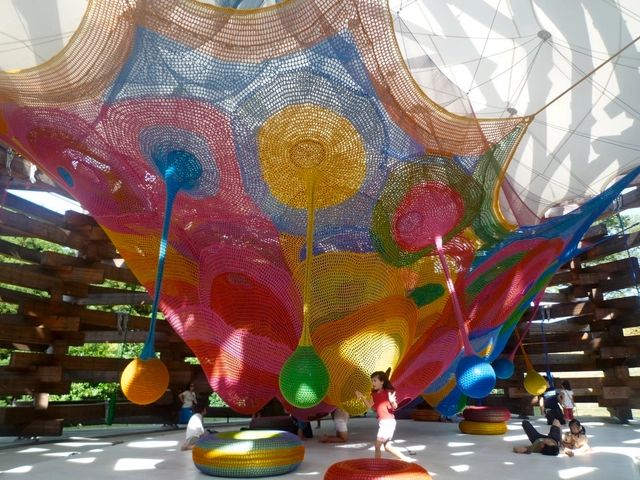
Former US President Theodore Roosevelt once said that play is a fundamental need — so much so that playgrounds should be provided for every child, just as schools are.
In countries around the world, architects are becoming increasingly innovative to create environments where children can explore their imaginations.
Today, playgrounds can float entirely on the ocean, or take the shape of an enormous, colorful crocodile.
Keep scrolling to see some of the best playground designs around the world that will make you want to be a kid again.
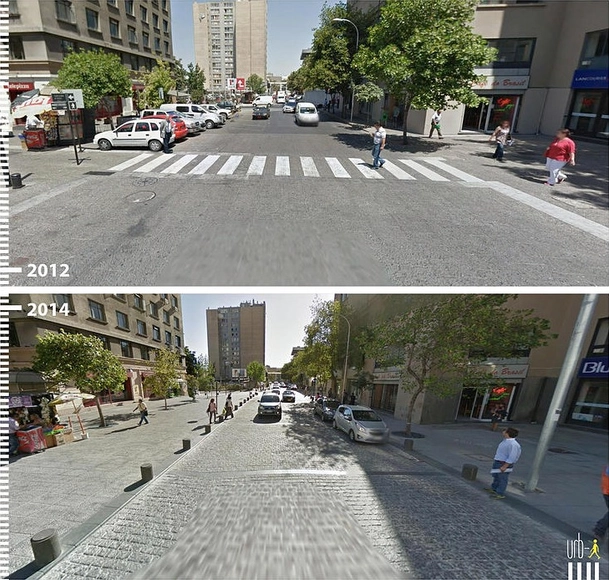
Padre Alonso de Ovalle, Santiago, Chile. Image Courtesy of Urb-I
Providing more public space for pedestrians is one of the main goals of urban renewal projects taking place in cities around the world.
By planting more trees, implementing more sidewalks and bike paths and establishing new seating areas, it is possible to design more welcoming places with less traffic congestion and that promote sustainable methods of transportation, such as walking or biking.
With the aim of publicizing urban renewal projects that have made cities more pedestrian friendly, Brazilian group Urb-I launched the “Before/After” project, which compiles before and after photos that show how cities have redistributed their public space.
The project is collaborative so that anyone can use Google Street View, or another similar tool, to raise awareness of the changes taking place in their cities.
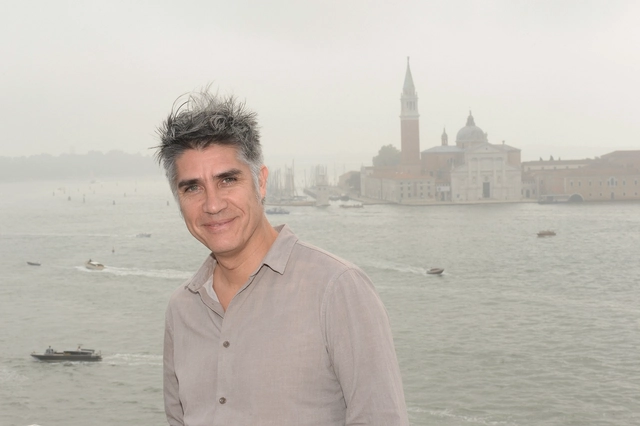
"More and more people in the planet are in search for a decent place to live and the conditions to achieve it are becoming tougher and tougher by the hour," explains his curatorial statement. "But unlike military wars where nobody wins and there is a prevailing sense of defeat, on the frontlines of the built environment, there is a sense of vitality because architecture is about looking at reality in a proposal key."
Aravena will have big shoes to fill. The previous Biennale, Rem Koolhaas' 2014 event, was extremely successful and highly praised by many critics. It was also widely regarded as the most anticipated event in the Biennale's history, after the Biennale had courted Koolhaas for years. But if Koolhaas' Biennale was the event that people looked forward to, I believe - or rather I hope - that Aravena's Biennale will be the one that people look back on in decades to come.
Ideas are precious, precious things. A good one can upend a movement or make a career and they are, of course, worth a great deal. Architects live in a competitive globalized world, and in the race to succeed, defining who owns ideas is becoming increasingly important in an architect's professional life. ArchDaily has previously explained the essential points of architectural copyright and explored the complexities of legal judgments, but what if you want to work internationally? It's a much more complex issue than "China will let people copy what they want" or "Belgians will sue you" and if you want to work outside your home country then it's essential you understand the variables.
Fortunately, we've got you covered: we've pulled together a rundown of the essentials of copyright law and practice in some of the most popular countries to find work - read on for more.
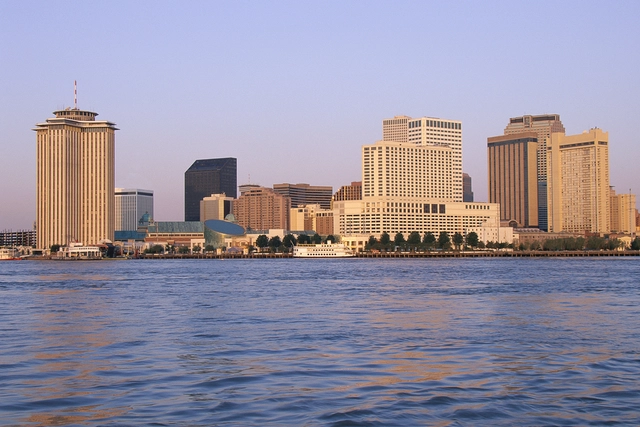
Today marks 10 years since Hurricane Katrina hit New Orleans, setting off what was among the most significant catastrophes to strike the United States in the 21st Century. New Orleans' flood defenses failed, causing the loss of over 1,400 lives and billions of dollars in property damage.
Naturally, such a disaster takes some time to recover from, for individuals but also for a city as a whole, and so for the past decade New Orleans has been a case study for cities to show them how to recover, rebuild and move on - at certain times serving as both an example of good practice and a warning of "what not to do." On the ten-year anniversary of Hurricane Katrina, here's a round-up of stories about the rebuilding of a city from around the web.
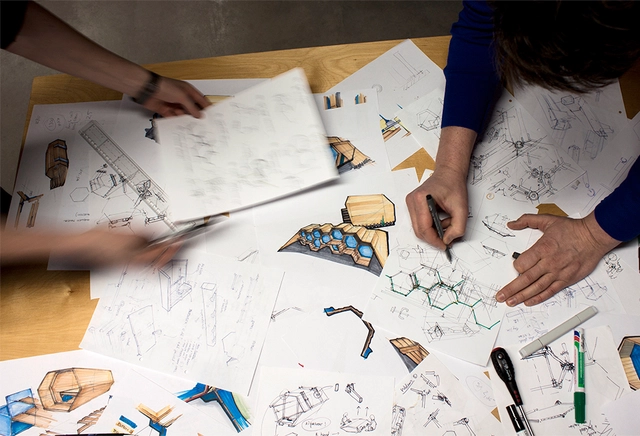
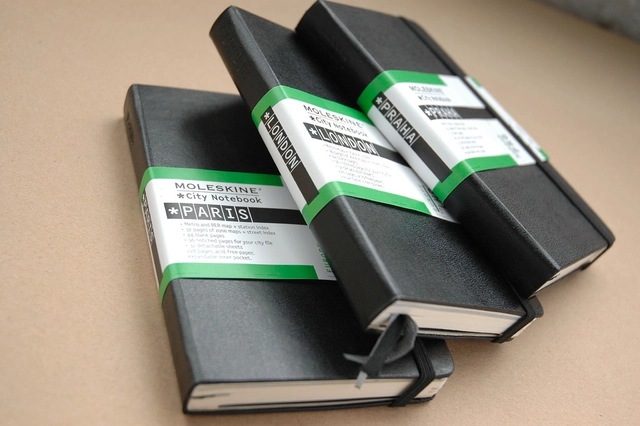
In his articles for ArchSmarter, Michael Kilkelly comes across as something of a technophile: some of his favorite topics include Revit macros, coding, Excel, automation and... Moleskine? In this article, originally published on ArchSmarter as "Why I Still Use a Sketchbook," Kilkelly explains why despite all the technology, sketchbooks remain one of the most important tools at his disposal.
I was in a full panic.
I got to the hotel when realized I left my sketchbook in the cab. I was freaking out. I called the cab company and explained, with a mounting sense of urgency, what happened.
“You forgot your sketchbook? What’s that? Some kind of laptop?” “No,” I explained. “It’s a notebook with good paper. I sketch in it. You know, with a pen.” “Why don’t you just use an iPad?” “But I like to draw. I like the feel of the paper and it never runs out of batteries” I replied. “Whatever. I’ve got a great sketching app on my iPad. Plus like a thousand games. And I can read the newspaper. And check my email...”
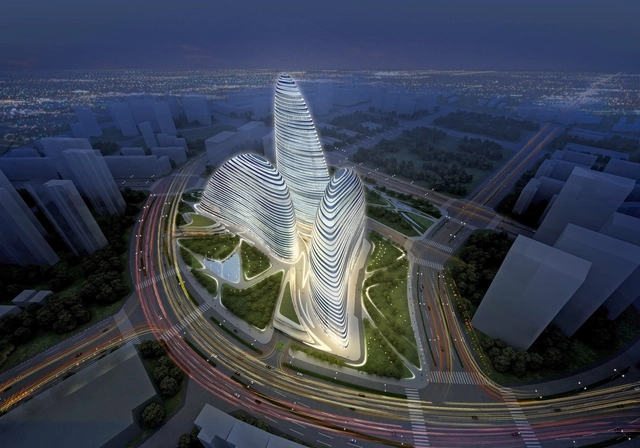
Clearly, brevity is not one of ZHA's strong suits, so for those who don't have 30-plus minutes to chew their way through both video and statement, the basics are as follows: the official reason given by the Japanese government for scrapping the stadium has been the rising costs of the design. ZHA have countered this complaint by saying that the rising costs are not a result of their design but of an uncompetitive tender process for the construction, and of skyrocketing construction prices across the whole of Tokyo. They add that by starting the project from scratch, Japan risks overshooting their 2020 deadline for the Olympic venue.
An extra complication is added by the widespread public dislike of the stadium's design, scale and location - most notably coming in the form of a petition led by Fumihiko Maki and Toyo Ito - which has caused some to speculate that Japan's Prime Minister Shinzo Abe is secretly bowing to political pressure. In response, ZHA's video emphasized the features of the design which were either required by the brief or an attempt to respond to the context, in an attempt to absolve themselves from blame.
However, with the decision to start anew now over a month old, the question remains: will ZHA's attempts to win back the project be enough? More importantly, should this campaign be taken seriously?
Is there a designer who does not dream of the perfect lighting concept, which conveys a feeling of well-being and shows the architecture at its best? Unfortunately, however, it is often the case that the brief received from the client causes difficulties. All too often discussions are peppered with such terms as LEDs and lux levels,causing an unconscious shift in thinking in the direction of norms and technology instead of placing questions about requirements and lighting quality at the centre of discussion. But what exactly is quality lighting design?
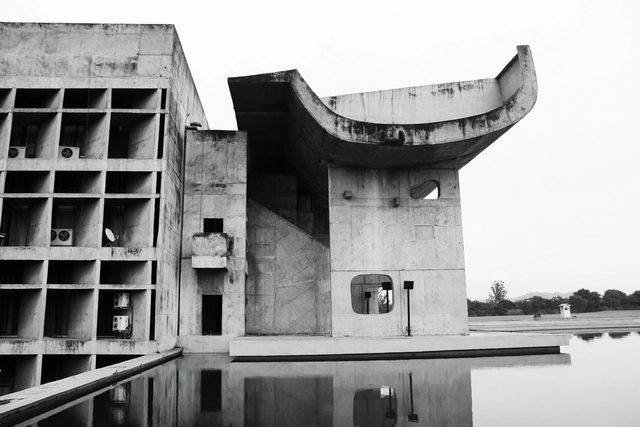
Le Corbusier and Pierre Jeanneret built sublime works amidst the unique landscape of Chandigarh, at the foothills of the Himalayas. They gave the city a new order, creating new axises, new perspectives and new landmarks. Built in the 1950s and early 1960s, the buildings form one of the most significant architectural complexes of the 20th century, offering a unique experience for visitors.
Architect and photographer Fernanda Antonio has shared photos with us from her journey throughout the city, capturing eight buildings and monuments, with special attention given to Le Corbusier’s Capital Complex. View all of the images after the break.














.jpg?1440453412)

.jpg?1440680814&format=webp&width=640&height=580)
.jpg?1440680780 "© Zaha Hadid Architects. Image by Methanoia")
.jpg?1440680830 "© Zaha Hadid Architects. Image by Methanoia")
.jpg?1440680860 "© Zaha Hadid Architects. Image by Methanoia")
.jpg?1440680764 "© Zaha Hadid Architects. Image by Methanoia")
.jpg?1440680814)