1. ArchDaily
  2. Architecture News

Architecture News

Iphan announces winners of the 2020 Rodrigo Melo Franco de Andrade Award

Iphan has announced the winners of the 33rd edition of the Rodrigo Melo Franco de Andrade Award (2020 Rodrigo Award). The 12 selected initiatives will each receive R$ 20,000 in funding from the National Institute of Historic and Artistic Heritage, while five others were recognized with honorable mentions. Organized by the institute, the awards program has been held since 1987 and is the largest in the field of Cultural Heritage in the country, recognizing exemplary initiatives of excellence.

Artist Criola reclaims the history of São Paulo's Liberdade neighborhood with an urban mural

In celebration of São Paulo's 467th anniversary, street artist Criola gifted the Liberdade neighborhood with a massive mural. Produced in partnership with Instagrafite, the work was funded by a special edition of the Street Art Museum (MAR) and prompts a deep reflection and reclaiming of a long history as a stronghold of Black resistance in the city, starting with the neighborhood's very name.

Study assesses the environmental impact of different modes of transportation

A study conducted by Fundação Espaço ECO and Instituto Akatu seeks to understand the impact of urban mobility based on Brazilian conditions. The research used the Life Cycle Assessment (LCA) methodology to analyze the different modes of transportation used in cities across their entire chain: equipment production, transport across the chain, use, maintenance, and disposal.

The city of São Paulo was chosen as the focus due to its diverse transit options and population consumption habits, along with access to existing and secondary databases to gather the information that enabled the analysis.

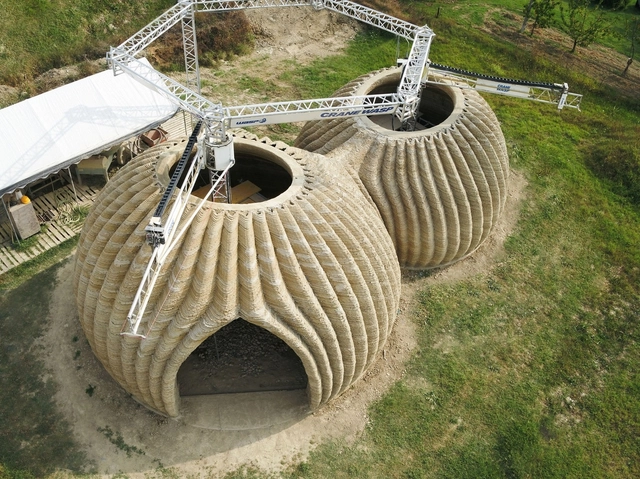
House Built with 3D Printing and Clay in Italy

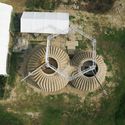
Exponential population growth versus a lack of affordable housing is a challenge affecting urban areas worldwide. To address this issue, the Italian firm Mario Cucinella Architects proposes a new circular housing model: a 3D-printed home made from organic materials.

The prototype uses regionally sourced materials, such as local clay, making it the first printed house of its kind. This reduces emissions from transporting materials and also ensures the building process is zero-waste.

House Built with 3D Printing and Clay in Italy - Imagem 1 de 4House Built with 3D Printing and Clay in Italy - Imagem 2 de 4House Built with 3D Printing and Clay in Italy - Imagem 3 de 4House Built with 3D Printing and Clay in Italy - Imagem 4 de 4House Built with 3D Printing and Clay in Italy - More Images+ 5

Students create audio system to assist the visually impaired in public transit

Motivated by the enrollment of a classmate with a disability at the Dona Escolástica Rosa State Technical School (Etec), logistics students at the institution developed a project that could transform public transit in the city of Santos, São Paulo. The project consists of an audio system designed to assist and offer autonomy to passengers who face mobility challenges.

Spanish Pavilion at the 2021 Venice Biennale: Is Uncertainty Our Only Certainty?

A brief preview of Uncertainty, the Spanish Pavilion for the 17th International Architecture Exhibition at the Venice Biennale, which will take place from May 22 to November 21.

First bus converted into a Covid-19 healthcare unit is already in operation in Brazil

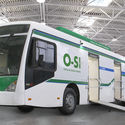
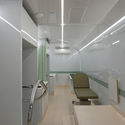
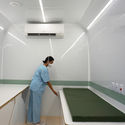
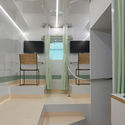
Developed by the Brazilian studio Democratic Architects, the O-SI - Immediate Health Bus (Ônibus de Saúde Imediata) was conceived by designers and doctors focused on creating a modular platform to provide public healthcare services in a modern, safe, and efficient way, based on cutting-edge technology and contemporary concepts of mobile healthcare, sustainable reuse, and social inclusion.

First bus converted into a Covid-19 healthcare unit is already in operation in Brazil - Image 1 of 4First bus converted into a Covid-19 healthcare unit is already in operation in Brazil - Image 2 of 4First bus converted into a Covid-19 healthcare unit is already in operation in Brazil - Image 3 of 4First bus converted into a Covid-19 healthcare unit is already in operation in Brazil - Image 4 of 4First bus converted into a Covid-19 healthcare unit is already in operation in Brazil - More Images+ 5

UFRJ makes over 2,000 free e-books available for download

The Federal University of Rio de Janeiro (UFRJ), through its Library and Information System (SiBI), has conducted a detailed survey of academic publishers across Brazil's leading universities, compiling a list of 2,650 titles available for free download.

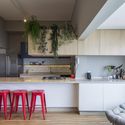
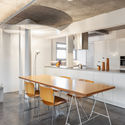
Open-Plan Kitchens: 25 Projects in Brazilian Apartments to Inspire You

Open-Plan Kitchens: 25 Projects in Brazilian Apartments to Inspire You - Image 1 of 4Open-Plan Kitchens: 25 Projects in Brazilian Apartments to Inspire You - Image 2 of 4Open-Plan Kitchens: 25 Projects in Brazilian Apartments to Inspire You - Image 3 of 4Open-Plan Kitchens: 25 Projects in Brazilian Apartments to Inspire You - Image 4 of 4Open-Plan Kitchens: 25 Projects in Brazilian Apartments to Inspire You - More Images+ 46

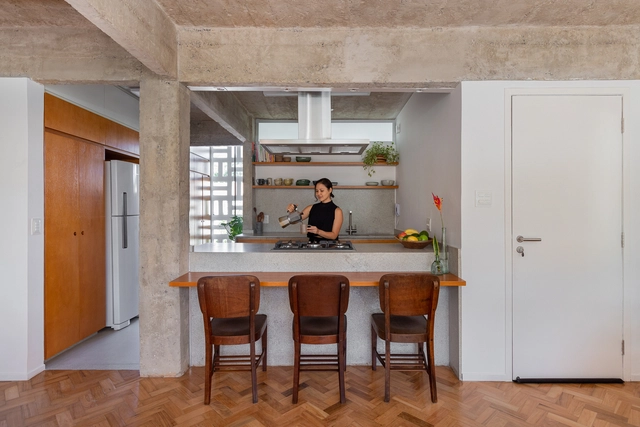
Once seen as a strictly utilitarian service area, the kitchen has increasingly integrated into daily family life, establishing itself as one of the most used spaces in a home. To seamlessly connect it with the rest of the residence, especially in small apartments, open-plan kitchens have become a favorite choice among clients.

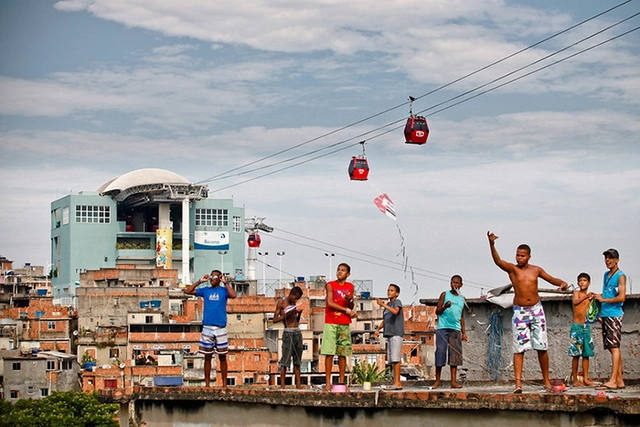
Pipasgrafia: Affective Cartography Maps Kite Flying in Rio de Janeiro

Since the beginning of the pandemic, educator Camila Regina and cartographer Henrique Lima have noticed a significant increase in kites in the skies over Rio de Janeiro's peripheral neighborhoods. These colorful paper diamonds and deltoids are guided by the hands of children and adults who cannot leave their homes, but can go up to their rooftops to fly kites. 

Inspired by this reclaiming of the skies and their own histories with kites, the two kite flyers founded Pipasgrafias, a multimedia project about the activity. Video, text, and illustrated stories—along with an interactive map—portray what it is like to fly a kite in Rio's various peripheral neighborhoods.

27th World Congress of Architects Begins in March with Digital Content

The 27th World Congress of Architects UIA2021RIO will be a hybrid event, featuring virtual sessions starting in March, and in-person activities from July 18 to 22 in Rio de Janeiro, broadcast live online to congress participants worldwide.

The first UIA2021RIO World Architects Week, featuring digital content, will take place from March 22 to 25. During this week, the content will be free to access; afterward, it will only be available to registered Congress participants. The theme chosen to open UIA2021RIO in March is one of the most pressing global concerns today: social vulnerabilities and inequalities.

Circular economy project transforms sururu shells into cobogós in Alagoas

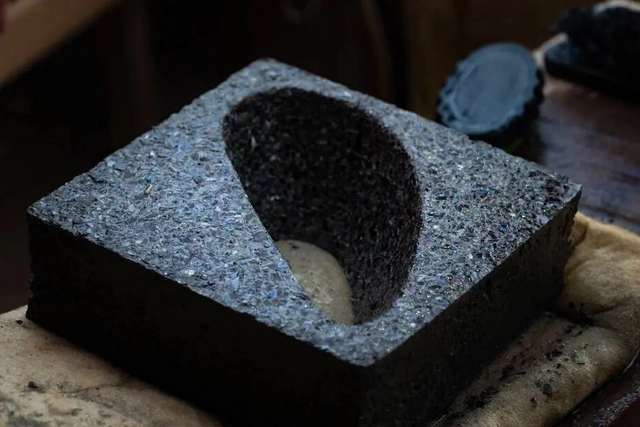
Considered an intangible cultural heritage by the State Council of Culture (CEC) of Alagoas, the sururu is a mollusk whose harvesting is the main source of income for several communities in the state. Around the Mundaú lagoon alone, in Maceió, five communities living below the poverty line produce approximately 300 tons of sururu shells annually—a massive amount of waste that previously had no use and ended up in the Alagoas capital's landfills. 

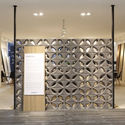
Recognizing its significant economic and social engagement potential, designers Marcelo Rosenbaum, Adriana Benguela, and Rodrigo Ambrósio developed the Cobogó da Mundaú project, which incorporates sururu harvesting waste into the manufacturing of architectural screen blocks.

Circular economy project transforms sururu shells into cobogós in Alagoas - Imagen 1 de 4Circular economy project transforms sururu shells into cobogós in Alagoas - Imagen 2 de 4Circular economy project transforms sururu shells into cobogós in Alagoas - Imagen 3 de 4Circular economy project transforms sururu shells into cobogós in Alagoas - Imagen 4 de 4Circular economy project transforms sururu shells into cobogós in Alagoas - More Images+ 5

Meet the winners of the 3rd Tomie Ohtake Institute Leroy Merlin Design Award

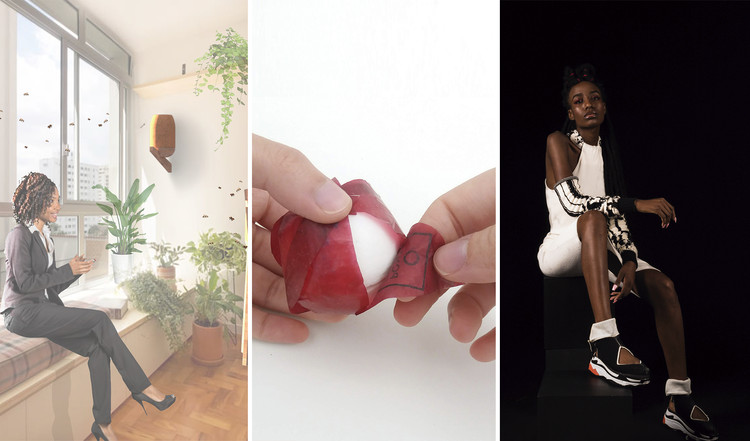
The winners of the 3rd Tomie Ohtake Institute Leroy Merlin Design Award have been announced. The award ceremony, which was originally scheduled to take place in person at the Tomie Ohtake Institute alongside the exhibition of the projects, was held virtually for invited guests due to the novel coronavirus pandemic.

A total of 15 projects were selected from 213 entries representing 20 Brazilian states and the Federal District. 

Meet the winners of the 3rd Tomie Ohtake Institute Leroy Merlin Design Award - Imagem 1 de 4Meet the winners of the 3rd Tomie Ohtake Institute Leroy Merlin Design Award - Imagem 2 de 4Meet the winners of the 3rd Tomie Ohtake Institute Leroy Merlin Design Award - Imagem 3 de 4Meet the winners of the 3rd Tomie Ohtake Institute Leroy Merlin Design Award - Imagem 4 de 4Meet the winners of the 3rd Tomie Ohtake Institute Leroy Merlin Design Award - More Images+ 11

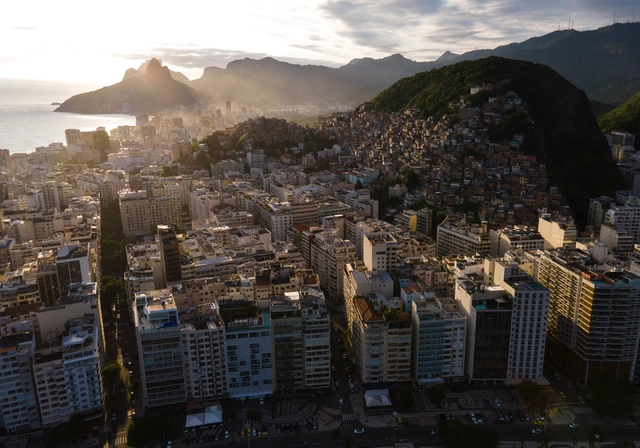
Does the ideal of the compact city still make sense?

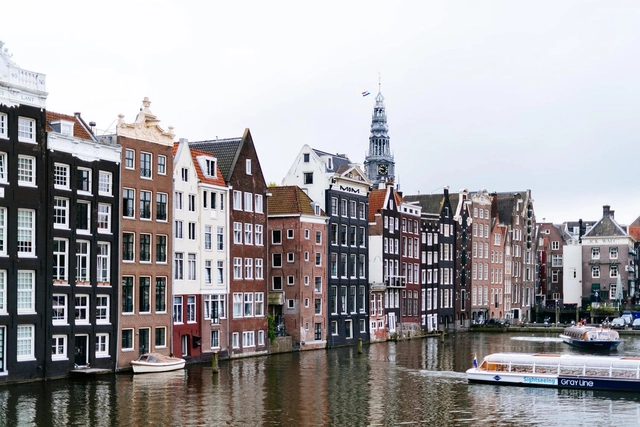
Anyone interested in urban policy will likely, at some point, come across the term “compact city.” This expression has become a staple of urban planning. Proposals associated with the concept favor denser development, with commerce and services close to residential areas, encouraging pedestrian, bicycle, and public transit mobility. Some European capitals, such as Copenhagen and Amsterdam, are often pointed to as examples of this model. Its counterpart is the sprawling city, where neighborhoods are predominantly residential, far from downtown, and require long commutes from home to work.

Does the ideal of the compact city still make sense? - Image 1 of 4Does the ideal of the compact city still make sense? - Image 2 of 4Does the ideal of the compact city still make sense? - Image 3 of 4Does the ideal of the compact city still make sense? - Image 4 of 4Does the ideal of the compact city still make sense? - More Images

ArchDaily Brazil 2021 Building of the Year Award: Voting Now Open

For the fifth time, we are giving our readers the responsibility of recognizing and awarding the projects that have made the greatest impact on the profession through the ArchDaily Brasil Building of the Year 2021 Award. By voting, you become part of an unbiased network of jurors recognizing the most relevant projects of the past year.

Over the next three weeks, the collective intelligence of our readers will filter through hundreds of projects from Portuguese-speaking countries – Brazil, Portugal, Mozambique, Angola, Guinea-Bissau, East Timor, Equatorial Guinea, Macau, Cape Verde, and São Tomé and Príncipe – published in 2020, selecting the best built works in the Portuguese-speaking world.

From hundreds of works published in 2020, readers will choose their favorites, with the 15 most-voted projects moving on to the second stage of the Award.

The 2021 Building of the Year Award is presented by Dornbracht, an internationally renowned company for kitchen and bathroom products.


Flora do Brasil 2020: Free Digital Library of the Country's Plant Biodiversity

With nearly fifty thousand plant species—over half of which are endemic, meaning they only occur naturally here—Brazilian flora is among the most diverse and richest in the world. This data is featured in the country's largest and most comprehensive virtual botanical library, Flora do Brasil 2020, developed by the Rio de Janeiro Botanical Garden.

The Netherlands opens applications for scholarships exclusively for Brazilians

With one of the best higher education systems in the world, the Netherlands offers annual scholarships for Brazilians through the Orange Tulip Scholarships program. Applications for the 2021/2022 academic year are now open for undergraduate, postgraduate, or MBA students.

More than 20 Dutch universities participate in the program, offering scholarship options for courses in the fields of Arts, Biological Sciences, Health, Exact Sciences, Technology, and Humanities, including some focused on architecture and urban planning – all taught in English.

Unesp awards Honorary Doctorate in design to Adélia Borges

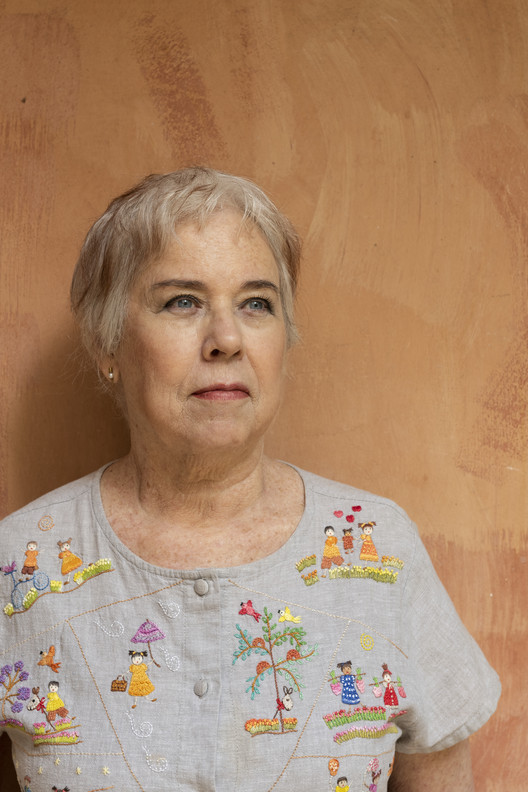
The University Council of the São Paulo State University (Unesp) has decided to award the title of Doctor Honoris Causa to Adélia Borges, a curator, journalist, and critic active in the field of design. The initiative for awarding the degree came from the Department of Design at the Faculty of Architecture, Arts and Communication (FAAC) on the Bauru campus. In its justification, the Council stated that the title was awarded “for her work as a critic and curator with a significant contribution to the research, dissemination, and promotion of Brazilian Design on both the national and international stages, demonstrating deep knowledge of the field and a broad socio-political and cultural vision.” The official ceremony will take place on March 8, 2021, International Women's Day, at 2:30 PM, and will be broadcast on the TV Unesp YouTube channel.