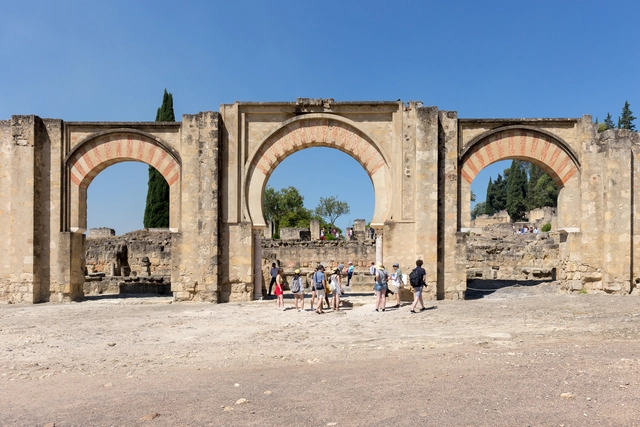
UNESCO has added 19 new sites to the World Heritage List, including the Caliphate City of Medina Azahara (Córdoba, Spain) during its recent 42nd session held in Manama, the capital of Bahrain.
The report prepared ahead of the session includes the evaluation and final conclusions of the International Council on Monuments and Sites (ICOMOS). Following a comparative analysis conducted both nationally and internationally, the council concluded that, alongside Medina Azahara, only Samarra (Iraq) stands as a well-preserved example of a caliphate city. Furthermore, among all caliphate cities, Medina Azahara is the only one that provides evidence of the culture and knowledge of the Islamic civilization that reached Europe.
https://www.archdaily.com/1113929/medina-azahara-of-cordoba-declared-a-world-heritage-site-by-unescoJavier García Librero
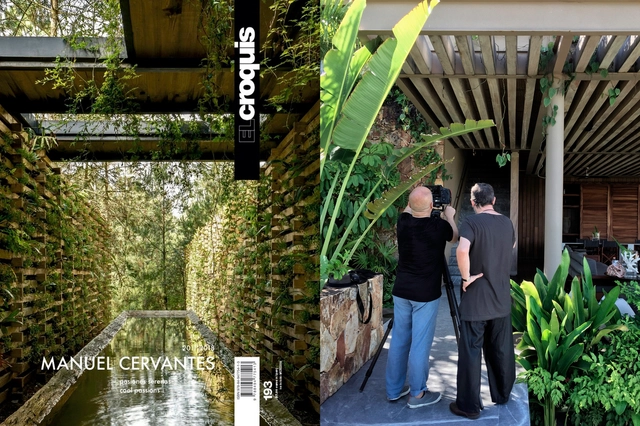
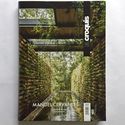
'El Croquis' is one of the most prestigious international architecture magazines, edited by architects Fernando Márquez Cecilia and Richard Levene. Published as carefully curated monographs, the magazine analyzes the work of architects whose careers feature some of the most influential and prestigious projects globally, such as OMARem Koolhaas, Kazuyo Sejima, Herzog & de Meuron, Álvaro Siza or Rafael Moneo. Every two months, a new issue is published with a print run of 35,000 copies, distributed to specialized bookstores in Europe, the Americas, and Asia.
The magazine is published in English and Spanish from El Escorial in Madrid, Spain, and is currently a member of ARCE (Asociación de Revistas Culturales de España) and the Asociación de Editores de Madrid. To date, only 193 issues have been published, the latest of which is dedicated to the career of architect Manuel Cervantes—the first Mexican architect to be featured in 'El Croquis' and the second from Latin America, following Smiljan Radic.
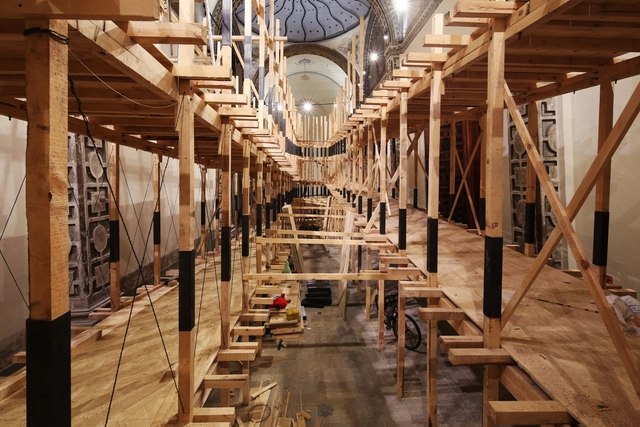
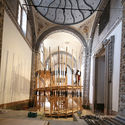
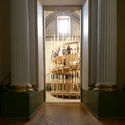
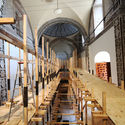
As part of the acoustic exhibition "Modos de Oír," Mexican architect Mauricio Rocha built an architectural and sculptural structure designed to unfold the space of the central nave, creating an ascending path that evokes the cochlear shape of the ear.
The exhibition is spread across the various spaces of the Convento de San José and the Templo de Santa Teresa la Antigua, currently Ex Teresa Arte Actual. Built in the early 17th century, this venue is renowned for hosting numerous events, exhibitions, and sound showcases due to its unique acoustics. Sound art has experienced a significant boom in Mexico in recent decades, with specific links to other historical periods where sonic thinking was also present. Driven by the unique character of this venue and its rich history, Laboratorio Arte Alameda and Ex Teresa Arte Actual sought to create a comprehensive exhibition featuring works that spark a collective reflection echoing the richness, complexity, and significance of the sound art scene.
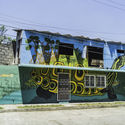
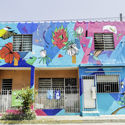
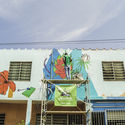
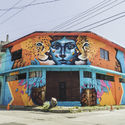
Colectivo Tomate is a Puebla-based civil organization made up of 20 artists, lawyers, architects, designers, nutritionists, and administrators who have intervened in around eight cities across Mexico, inviting people to take action in the streets to drive transformation, demonstrate the power of citizens in communities, and strengthen community ties.
On September 30, 2013, at the Palacio de Bellas Artes in Mexico City, the collective was recognized with the Quórum award for their Ciudad Mural project. This award recognizes, among other categories, the strategic use of design to impact quality of life as an agent of change, as well as its role as a key ingredient for innovation, productivity, and economic development in the country.
The restoration of a disused heritage asset, its repurposing, and sensitivity to the surroundings were the key concepts valued by the jury in selecting this winner of the 18th edition of the Clarin-SCA National Award for Architecture Students.
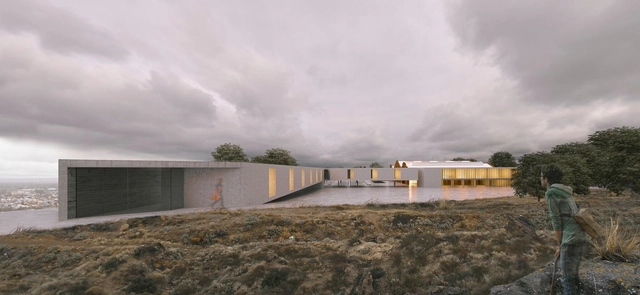
Agustín Ichuribehere, a student at the Faculty of Architecture and Urbanism of the Universidad Nacional de La Plata, guided by professor Martín Villanueva, designed the winning project. The proposal features a building for the Department of Music and Lutherie of the Universidad Nacional del Comahue, integrating an intervention on a heritage site: the former warehouses of "La Reginense" cider factory in Villa Regina, Rio Negro, Argentina.
Learn more about the proposal in the author's own words below.
The exhibition “10 Exponents of the 21st Century: City, Architecture, and Design” launches the cultural activities at Espacio CDMX, a public space dedicated to promoting architecture, urban planning, and socially responsible design in the city, while also serving as a temporary creative venue and Information Center for World Design Capital CDMX 2018.
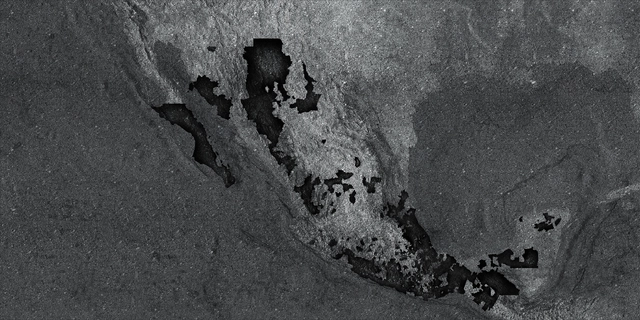
The Mexican Pavilion presents a creative process in which architecture embraces geographic sensitivity and diversity. The exhibition visualizes the territory, its layers, and cultural expressions through sixteen murals that showcase architectural abstractions, intentions, and contextual appropriations for each work.
Curated and designed by Gabriela Etchegaray and Jorge Ambrosi, the exhibition establishes sequences that reveal a dialogue between natural phenomena, geographic formations, and design solutions. Each stone panel shapes the space, highlighting cross-cutting readings: a country vulnerable to natural disasters due to its geological conditions; a highly diverse architecture in terms of scale, site, and integration; and a critical reflection on architecture's role in relation to the Freespace theme of the 16th International Architecture Exhibition at the Venice Biennale.
https://www.archdaily.com/1114006/echoes-and-territory-mexico-at-the-venice-biennalePabellón de México
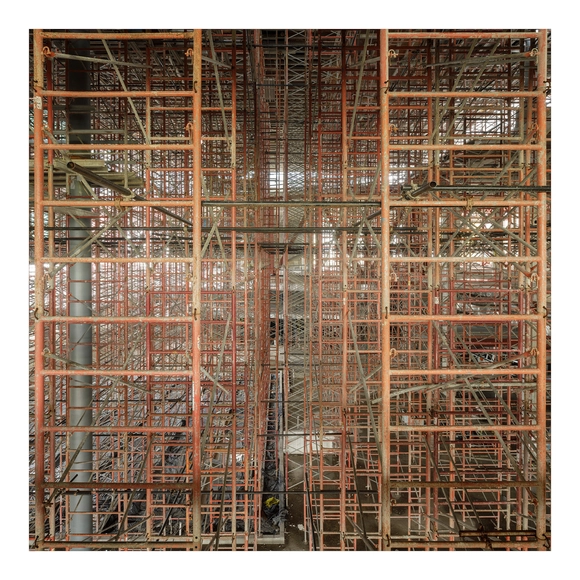
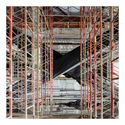
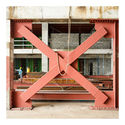
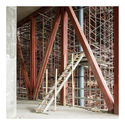
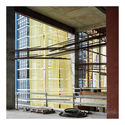
Spanish photographer Fernando Alda explores the construction of the Pacific Center building in Panama, designed by local firm Ventura Arquitectos, in his most recent photo essay. Titled "An Aesthetics of Disappearance," Alda's work was exhibited in the Panamanian firm's pavilion during the inaugural Expo Modii 2018 in Panama City.
Scaffolding, energy dissipators, shoring, electrical installations, and safety netting define the temporary spaces that make up this photo essay. These compositions center on spaces rendered invisible while awaiting the real spaces. "In Pacific Center," writes architect Silvia Escamilla, "he freezes this temporal lapse and the ephemeral elements that inhabit it, those that go unnoticed by us, granting them a new aesthetic value."
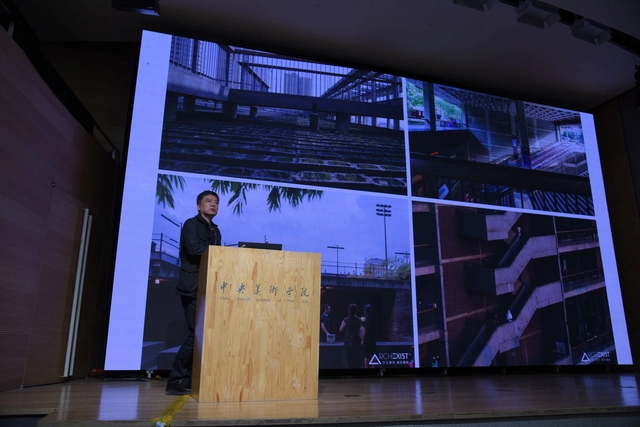
On November 2–3, the Central Academy of Fine Arts (CAFA) hosted a major academic forum titled "Challenge: Re-examining Architectural Thought, Education, and Practice." Numerous domestic and international figures and deans of renowned institutions participated in the discussions, including Arata Isozaki, Rem Koolhaas, and Wang Shu. On the afternoon of November 3, acclaimed Chinese architect Liu Jiakun, principal of Jiakun Architects, attended the forum as a guest speaker. With his characteristic warmth and humor, Liu spoke on the core principles of architectural practice, focusing on his West Village Basin project in Chengdu.
This year's jury is composed of Spanish architect Ángela García de Paredes of Paredes Pedrosa (1999 AR Emerging Architecture Award winner), Indian architect Gurjit Singh Matharoo (2010 AR House Award winner), and Ronald Rietveld of RAAAF (2013 AR Emerging Architecture Award winner).
With the launch of ODA18, this year we celebrate the tenth anniversary of the Building of the Year Award (ODA), the premier award in the Spanish-speaking architectural world where the winners are chosen by popular vote. Starting today, Monday, March 12, and for two weeks, our readers will be responsible for determining which projects inspired us during 2017, faithfully representing the identity of our local contexts while shaping the way architecture is practiced around the world.
Over the next two weeks, the entire ArchDaily en Español network (Plataforma Arquitectura, ArchDaily México, ArchDaily Colombia, and ArchDaily Perú) will host this celebration of the best built architecture in Spain and Spanish-speaking Latin American countries.
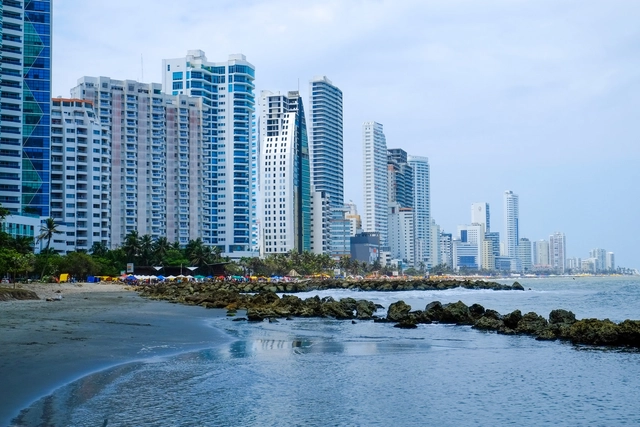
On April 27, 2017, the collapse of the Blas de Lezo II building brought to light numerous construction projects in Cartagena that violate building permits, hold forged licenses, or lack the necessary permits altogether. The tragedy claimed the lives of 21 workers and left more than 30 injured. Only then did an agreement between the Cartagena Mayor's Office and the Inspector General's Office (Procuraduría) establish a normalization plan to curb irregularities in the city's construction sector.
According to the diagnostic report, by late October 2017, 124 properties were identified as unlicensed or built using fraudulent permits. However, the controversy surrounding building permit irregularities in Cartagena resurfaced that same month when a complaint was filed against the ongoing construction of the Aquarela multi-family residential project.
https://www.archdaily.com/1114079/demolition-of-building-in-cartagena-demanded-for-seriously-violating-the-enjoyment-of-public-spaceJulián Jerez V.
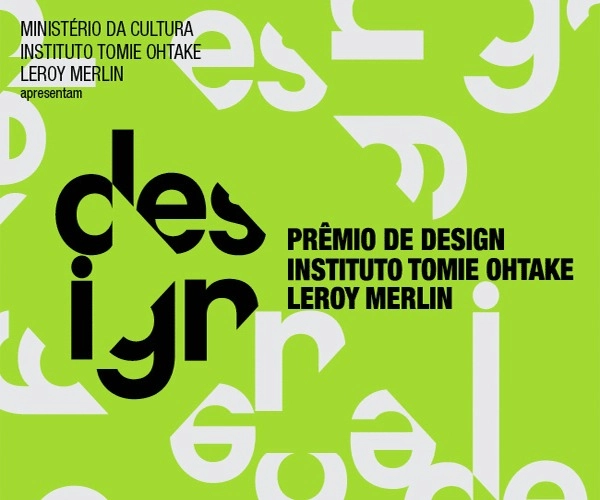
The new award, a partnership between the Tomie Ohtake Institute and Leroy Merlin, has extended its submission deadline. Until August 10, university students of any discipline can submit design projects related to products, furniture, fashion, interiors, landscaping, web, graphics, services, and other fields, under the theme SHARE.
On August 30, the press conference for the 2018 Beijing Design Week - 751 International Design Festival was held at the Geyuan space in Beijing's 751D·PARK. Wang Yudong, General Manager of Beijing Design Week, and Zhang Junyuan, General Manager of 751D·PARK Cultural Development Co., Ltd., delivered opening remarks. The event was attended by Per Boesgaard, Sector Counselor for Sustainable Urban Development at the Royal Danish Embassy, Bart Hofstede, Cultural Counselor of the Dutch Embassy, and over 40 Chinese and international media representatives.
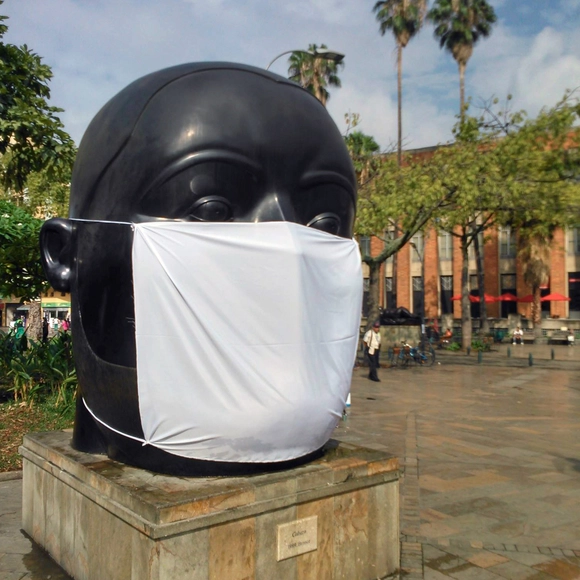
An initiative by Low Carbon City involved placing face masks on Botero's statues in Medellín, due to the current state of pollution. Image via La Ciudad Verde [Facebook]
On March 6, environmental pollution in Medellín, Colombia, triggered the highest alert levels. For three days, industrial production and driving restrictions (locally known as pico y placa) have been tightened. According to specialists consulted by the local newspaper El Tiempo, meteorological conditions are expected to make the situation “most critical” in two weeks.
In light of situations like this, air quality monitoring and control have taken on greater importance in Colombia. This is especially critical given that one in eight deaths worldwide is caused by air pollution, according to figures from the World Health Organization (WHO). In Colombia, 10,527 deaths and 67.8 million cases of related symptoms and illnesses occurred in 2015, as reported in 2017 by the National Planning Department following a study on the health costs of environmental degradation.
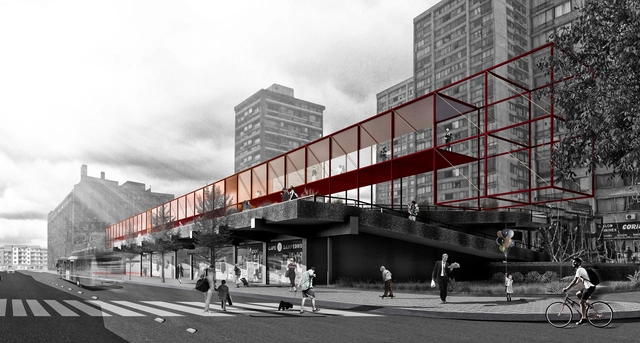
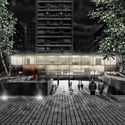
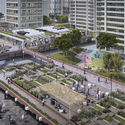
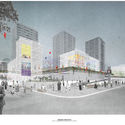
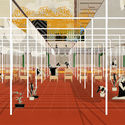
The Architecture and Landscape Ideas Competition for the Pasarelas San Borja and Surroundings announced its winning proposals during an event held on Thursday, September 6, at the National Headquarters of the Chilean Association of Architects (Colegio de Arquitectos de Chile). The main objective of the competition was to recognize, through a qualified and representative jury accredited by the sponsors, the best urban design ideas that help define intervention criteria and generate proposals for the San Borja neighborhood.
A total of 86 interdisciplinary teams registered for the competition, with 34 proposals successfully submitted and evaluated. The jury awarded first, second, and third place, along with three honorable mentions. Additionally, a Neighborhood Mention was awarded to two projects highlighted by the Neighborhood Advisory Commission during the evaluation process.
The measure is based on the principle that it makes no sense to continue applying the same rules to two such different types of vehicles.
Mayor Valérie Plante has promised improvements to the city's cycling infrastructure. Her ideas align closely with those of Councilor Marianne Giguère, who is responsible for sustainable development and transportation. Giguère believes that, under current laws, the message to cyclists is that they must be just as cautious as drivers, “even though you [the cyclist] pose much less of a danger.”
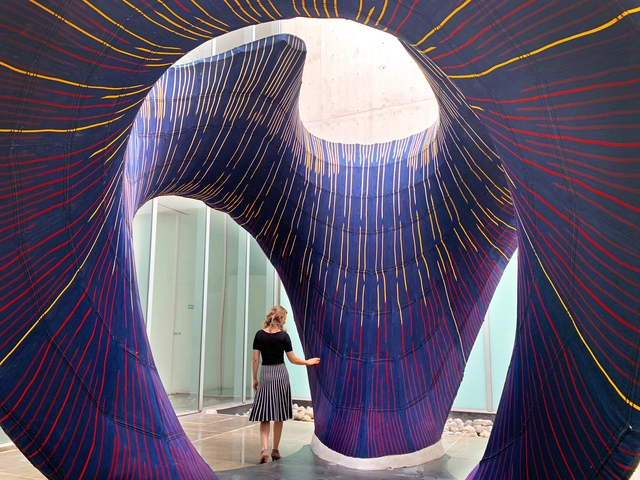
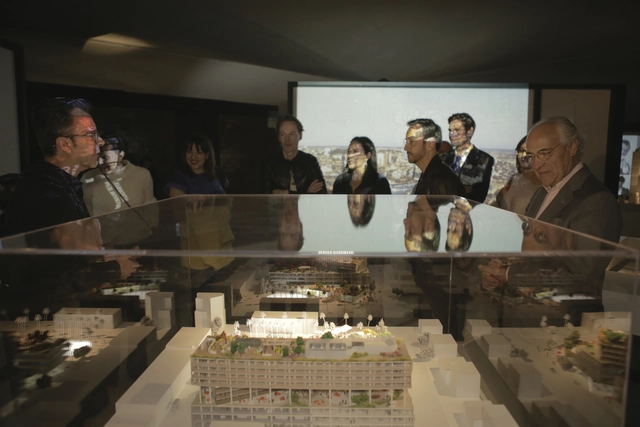
As part of Zaha Hadid Architects' first exhibition in Latin America, the Museo Universitario de Arte Contemporáneo (MUAC) in Mexico City is hosting an experimental structure that pays tribute to Mexican architect and engineer Félix Candela. "Design as Second Nature" showcases several projects by architect Zaha Hadid through models, audiovisual materials, paintings, and photographs, exploring her practice's creative process and highlighting the importance and complexity of design as the articulating axis of forms and construction processes in her work.
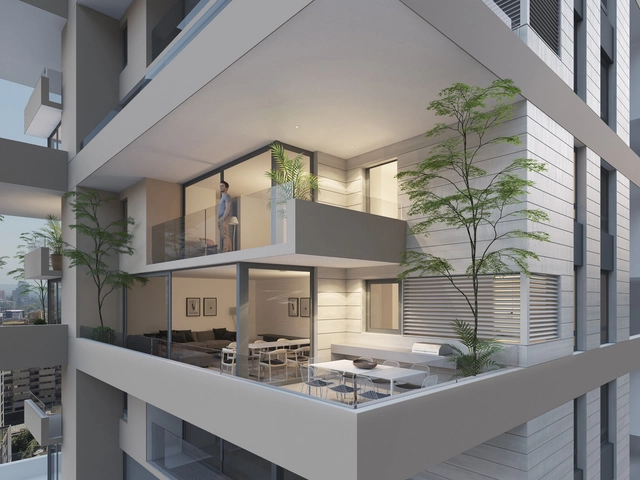
Is there room in the real estate business to create good architecture and contribute to our cities? Convinced of the potential of the real estate sector, Chilean architects Eduardo Berlin and Nicolás Lipthay founded MoDe Studio, an innovation and design workshop that seeks to maximize urban opportunities to build quality architectural projects without compromising—and even improving—their financial performance.
Based on these principles, they developed the 'Casa Vitacura' project, a building designed as a 'vertical neighborhood' with DFL2-standard units that aim to offer the same benefits as a house: spaciousness, privacy, a patio, and independence.
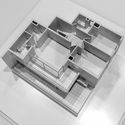
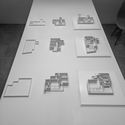
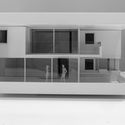
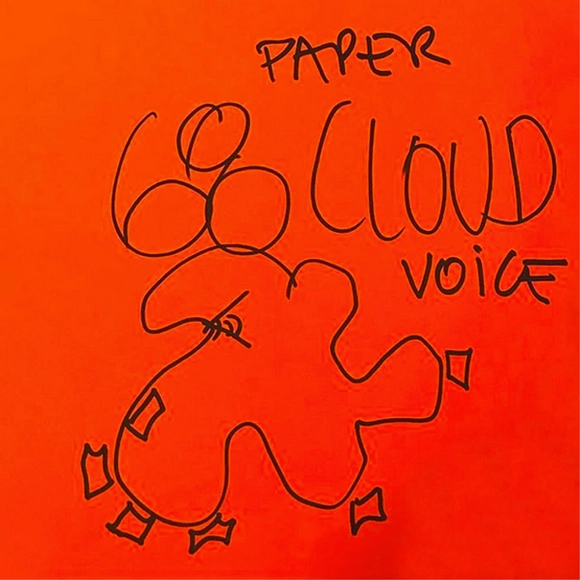
Chilean architect Smiljan Radic, along with Patricio Mardones, are the curators of the exhibition CLOUD '68 - PAPER VOICE, which will be on display from March 14 to May 18, 2018, at the Department of Architecture, ETH Zurich, Hönggerberg in Switzerland.
This exhibition commemorates the 50th anniversary of the social revolution of May 1968, paying tribute to radical European thought and its architecture from 1950 to 1970, which generated diverse perspectives of expression and design forms.
The "Single-Family Housing" Architectural Design Workshop, organized by the architecture firm Cota Paredes Arquitectos, concluded its sixth edition, which invited graduate architects and senior architecture students to develop a Single-Family Housing Project over four weeks in either in-person or online formats. Discover the top projects:
The brief required designing a single-family home for a family of three in Cuautitlán Izcalli, State of Mexico. The workshop also aimed to design projects for low-income families who owned a plot of land and planned to build in the future. The chosen designs had to adapt to the context, creating a home for the family using the concepts of introspective architecture.
https://www.archdaily.com/1114010/results-of-the-sixth-architectural-design-workshop-single-family-housing-by-cota-paredes-arquitectosArchDaily Team
Last Thursday, during the opening of the exhibition featuring the 13 finalist projects – selected from 244 submissions representing 17 Brazilian states and the Federal District – the winners of the 5th Instituto Tomie Ohtake AkzoNobel Architecture Prize were announced.
With the votes counted, the first round of the presidential election was not enough to determine the country's next political leader; candidates Fernando Haddad, of the Workers' Party, and Jair Bolsonaro, of the Social Liberal Party, will face off once again in the runoff vote on October 28.
Political differences and ideological discrepancies aside, the next president will have, among many other tasks, the responsibility of providing federal support for the development of Brazilian cities—home to about 87% of the country's population. To contribute to the debate and—if it is ArchDaily's place to do so—help undecided voters make up their minds, we have compiled below the proposals of both presidential candidates for the future of cities, based on their respective government platforms, covering topics such as housing, urban development, infrastructure, sustainability, mobility, and the right to the city.
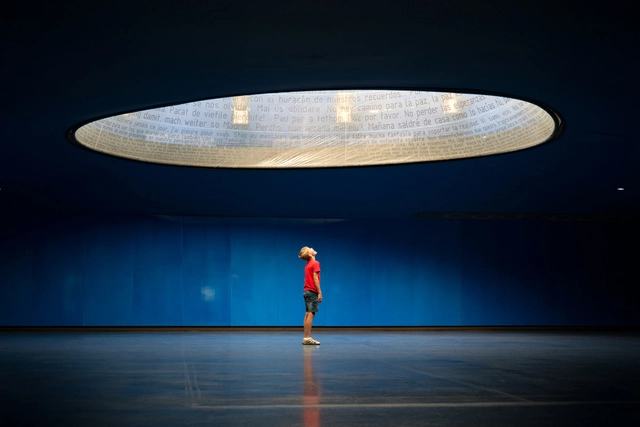
Eleven years after its inauguration, the Madrid City Council has announced a renovation and upgrade plan for the monument to the victims of the March 11 (11-M) terrorist attacks at Atocha Station in Madrid, Spain, as reported by the Spanish newspaper El País.
Designed by Estudio SIC, the monument to the victims of 11-M was inaugurated in 2007, three years after the attacks perpetrated by a terrorist cell on March 11, 2004. The attack consisted of the simultaneous explosion of 10 bombs on four commuter trains, claiming the lives of 193 people and leaving more than 2,000 injured, making it the worst terrorist attack in Spain's history.
https://www.archdaily.com/1114016/madrid-to-renovate-the-atocha-11-m-memorial-in-2019Javier García Librero







.jpg?1521036848&format=webp&width=640&height=580)