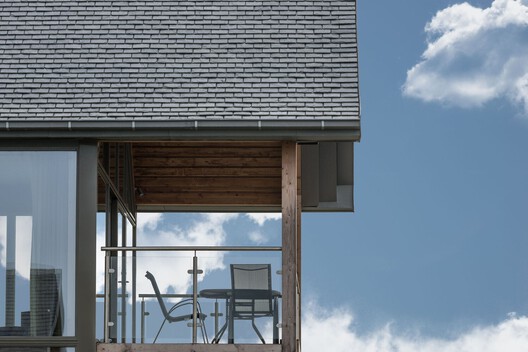
A material's environmental footprint cannot be fully understood without considering its lifespan. A product with relatively low embodied carbon may require frequent replacement, additional installation resources, and repeated disposal over the life of a building. Conversely, a material with a higher initial impact may offer greater long-term value through its durability, reducing the need for future interventions. From this perspective, longevity goes beyond being a technical characteristic; it becomes an essential component of responsible architectural design.

Life Cycle Assessment (LCA) provides a framework for understanding the environmental impact of construction materials beyond their initial production. By considering extraction, manufacturing, transportation, installation, use, maintenance, and end-of-life scenarios, it offers a more comprehensive picture of how material choices influence a building's overall performance.
The distinction between embodied carbon and lifetime carbon becomes particularly relevant. The former accounts for emissions associated with producing and delivering construction materials, while the latter considers their environmental implications throughout their service life. Replacement cycles, maintenance requirements, and the resources needed to preserve a building can therefore substantially influence its long-term footprint.
Related Article
Durability and Aesthetics of Slate Façades in 5 Projects
Roofing systems offer various strategies and material configurations to address durability, maintenance, and resistance in contemporary buildings. According to lifespan figures published by CUPA PIZARRAS, for example, natural slate has an estimated service life of at least 100 years, compared with 52.5 years for clay, 48.75 years for concrete, and 47.5 years for fiber cement. Although actual performance depends on product specifications, installation quality, climate, and maintenance conditions, these figures illustrate how material selection can influence replacement cycles.
Over a century, a roofing system with a service life of approximately 50 years may need to be replaced twice, whereas a natural slate roof designed to last for more than 100 years can potentially remain in place throughout the same period. Each avoided replacement represents more than a reduction in material consumption: it also means fewer transportation requirements, less construction waste, and fewer resources devoted to dismantling and installing a new system. CUPA PIZARRAS' introduction of a 100-year manufacturer's guarantee for its natural slate products in the United States provides an opportunity to reconsider the relationship between material producers, architects, and building owners. Rather than treating durability as an isolated product specification, the guarantee places long-term performance at the center of the conversation.
"When using a wooden cladding system, the client is a bit resistant to the maintenance. Yet with slate, this concern is less due to its durability and easy maintenance." —Le Dirach, Anima Architects
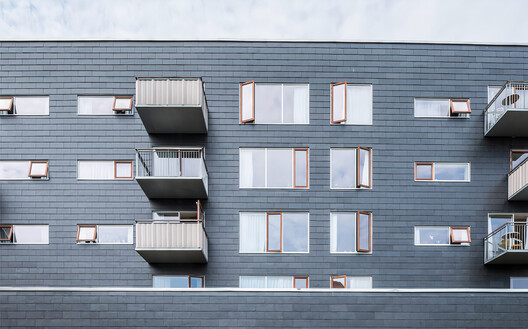
Designing for Durability and Reduced Intervention
However, maintenance is not simply an operational consideration, it needs to be part of the environmental equation. While some materials require periodic coatings, protective treatments, or replacement of individual components, others are designed to retain their properties with minimal intervention. Natural slate, for example, is a mineral material formed through geological processes over millions of years. Its inherent properties allow it to withstand demanding weather conditions, including extreme temperatures, snow, and exposure to moisture. Unlike manufactured alternatives that may depend on additional chemical treatments, CUPA PIZARRAS natural slate is processed without chemical products or artificial additives. Its color and physical properties remain stable over time, reducing the need for surface treatments and ongoing maintenance.
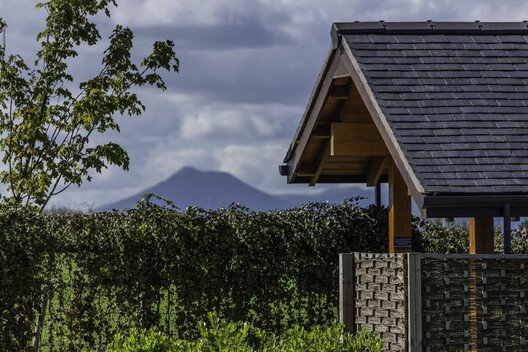
Extracted from its own quarries in Galicia and Castilla y León, Spain, the slate is transformed through cutting and manual splitting techniques before undergoing individual quality inspections. Each piece is classified according to technical and aesthetic criteria, while a traceability system records its origin, characteristics, and production date. Their portfolio includes different natural slate options for roofing, with variations in dimensions, textures, finishes, and formats. In the United States, its range includes CUPA 14, CUPA 98, and CUPA 7, offering different aesthetic and technical characteristics for architectural applications. Beyond roofing, the CUPACLAD® systems extend the use of natural slate to ventilated facades, combining its durability with contemporary installation solutions.
Materials That Age With the Building
"Natural slate reinvents the architectural language. It illuminates the facade and generates different shades throughout the day." —Laure Ferrari, Architecte DPLG
Some materials acquire character through exposure to time, weather, and everyday use, while others gradually lose their original appearance or require intervention to maintain it. This distinction influences not only maintenance strategies but also how buildings relate to their surroundings and how they are perceived across generations.
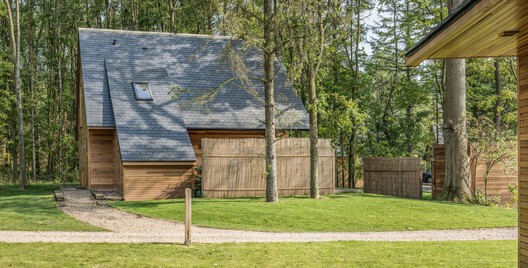
Natural materials such as stone, timber, and brick often establish a relationship with time that goes beyond their initial appearance. Their textures, colors, and physical qualities can contribute to a building's identity as it ages. Natural slate, in particular, offers a combination of visual consistency and material individuality: each piece has its own texture and mineral composition, allowing roofs and facades to develop a distinctive character without relying on applied finishes.
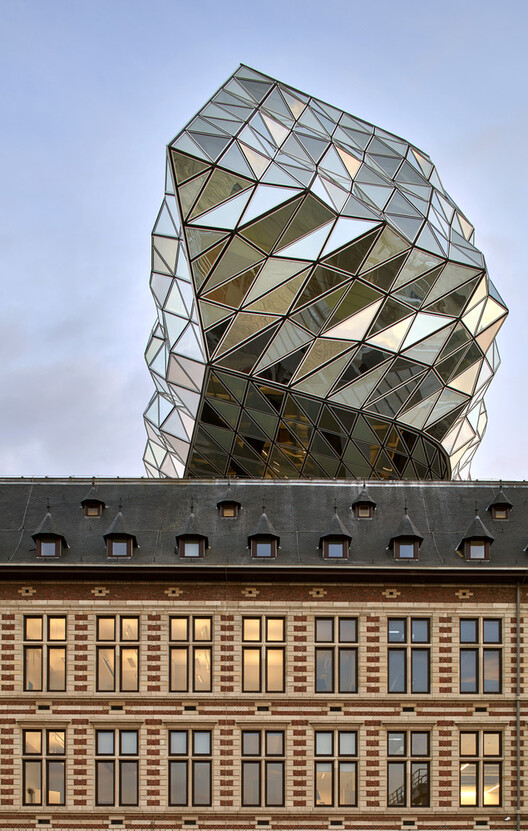
This quality becomes especially relevant in projects focused on architectural heritage, adaptive reuse, and long-term preservation, such as Antwerp Port House, designed by Zaha Hadid Architects. Since one of the requirements of the architectural competition organized by the Flemish Government's Department of Architecture, together with the City and Port, was to preserve the original building, the project retained the existing structure while introducing a contemporary intervention. The roof of the original building, which recalls 16th-century architectural features, is clad in CUPA 4 slate, quarried in Armadilla, Spain, highlighting its beauty and elegance.
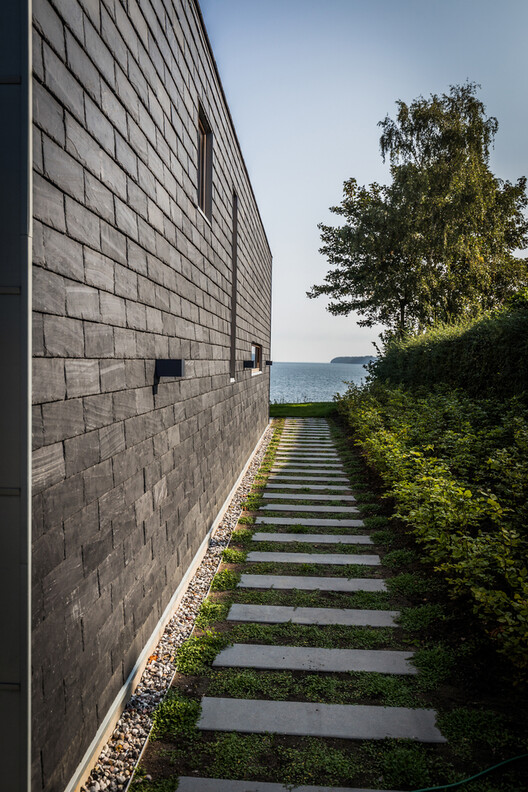
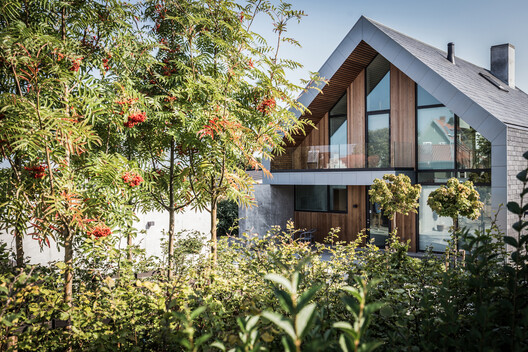
Other projects, such as Villa P by N+P Architecture, demonstrate how natural slate can be integrated into contemporary architecture through different applications. The project features a natural slate roof by CUPA PIZARRAS, as well as a CUPACLAD® 101 LOGIC natural slate rainscreen cladding system. As the architects explain, "Slate is a great material standing the test of time. At the same time, it withstands the harsh and brutal conditions close to the ocean." Selecting materials that can remain functional over extended periods helps reduce the need for major interventions while supporting continuity between buildings and their historical contexts.
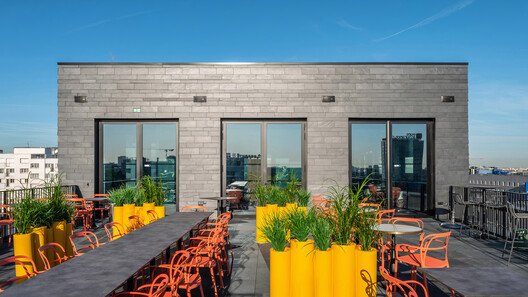
Extending the useful life of buildings requires looking beyond the initial stages of construction. The most responsible material choice is not necessarily the one with the lowest upfront cost or the smallest production footprint, but rather the one that delivers reliable performance while minimizing the need for future resources. For architects and specifiers, long-term guarantees can provide an additional point of reference when evaluating materials. They offer insight into how manufacturers stand behind their products while reinforcing the importance of selecting materials with documented performance, traceability, and appropriate installation requirements. Although a guarantee does not replace careful specification or responsible construction practices, it can strengthen confidence in a material's ability to perform over time.


