
The orientation and sizing of voids are critical variables when proposing perforated screens on building facades. Analyzing local conditions is fundamental to the performance of this type of solution, which is particularly welcome in countries with high temperatures, such as India. Although its climatic diversity makes generalization difficult, summer temperatures can exceed 40°C across most of the country, demanding specific architectural strategies to mitigate heat and humidity inside buildings.



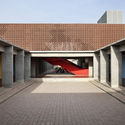

So-called “passive” climate control solutions, which are based on the principle that a building can inherently provide the necessary conditions for indoor thermal comfort and reduce its ecological footprint, are nothing new. Traditional buildings in India demonstrate how strategies like elevating the structure off the ground and constructing thicker walls can positively impact indoor temperatures. Beyond these traditional methods, advancements in materials and construction systems have enabled new strategies that apply this same logic, addressing climatic challenges through the built form itself.


.jpg?1603733170 "Facades for Hot and Humid Climates: Perforated Elements in 10 Projects in India")


