1. ArchDaily
  2. University of Washington

University of Washington: The Latest Architecture and News

The European Cultural Centre Announces 21 Shortlisted Projects for the 2025 ECC Awards

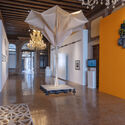
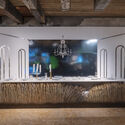
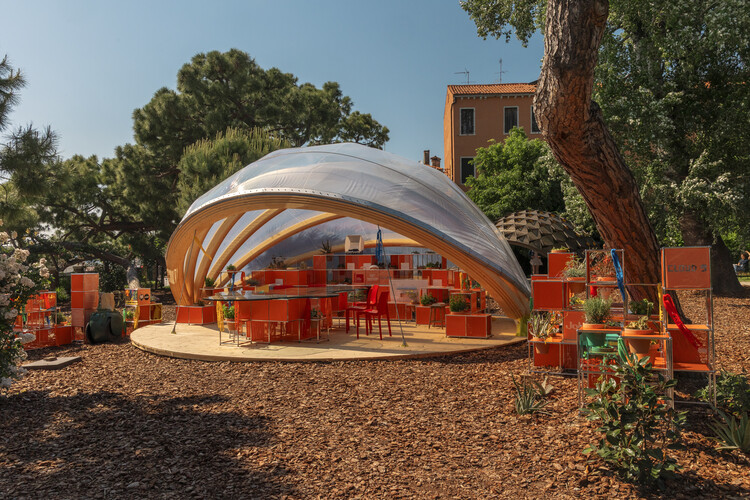
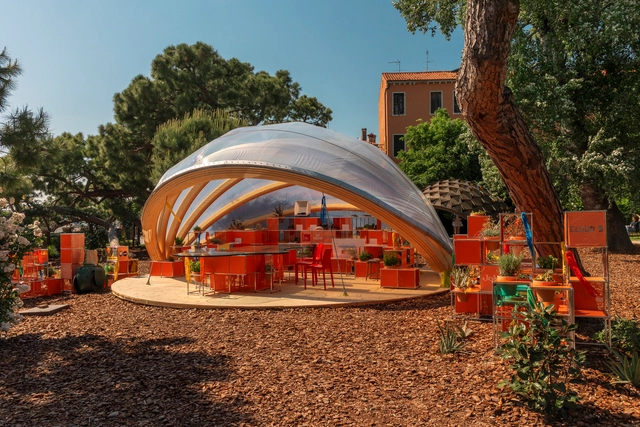
The European Cultural Centre Italy has organized the ECC Awards since 2010 to recognize artists, architects, designers, and academics in their respective fields. The Awards highlight projects featured in the Time Space Existence exhibition, which runs in parallel with the Venice Architecture Biennale and showcases tangible approaches to building more sustainably, aiming to position architecture as a force for environmental and social repair. The seventh edition of Time Space Existence is a group exhibition spanning three Venetian venues: Palazzo Bembo, Palazzo Mora, and the Marinaressa Gardens. This year, the exhibition focuses on the themes of Repair, Regenerate, and Reuse, emphasizing the essential role of architects and designers as agents of positive change in shaping sustainable, inclusive, and regenerative ways of living.
The European Cultural Centre Announces 21 Shortlisted Projects for the 2025 ECC Awards - Imagen 1 de 4The European Cultural Centre Announces 21 Shortlisted Projects for the 2025 ECC Awards - Imagen 2 de 4The European Cultural Centre Announces 21 Shortlisted Projects for the 2025 ECC Awards - Imagen 3 de 4The European Cultural Centre Announces 21 Shortlisted Projects for the 2025 ECC Awards - Imagen 4 de 4The European Cultural Centre Announces 21 Shortlisted Projects for the 2025 ECC Awards - More Images+ 22

Artificial Intelligence Estimates Obesity by Analyzing Buildings and Green Space

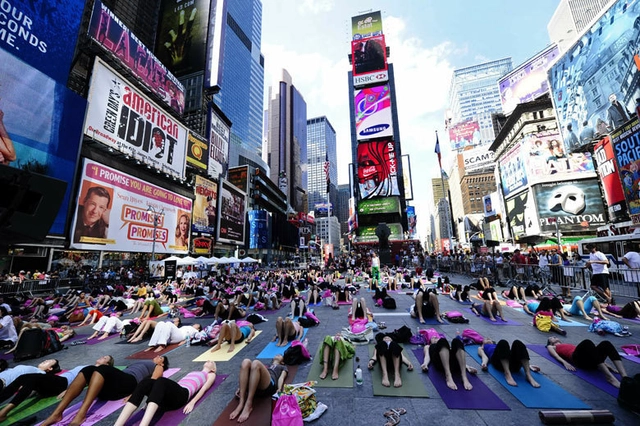
Urban well-being and health tracking has taken another step forward, as researchers from the University of Washington have created an artificial intelligence algorithm that estimates obesity levels by analyzing a city's infrastructure. Published in JAMA Network Open, the researchers' report explains how the algorithm uncovers urban relationships by using satellite and Street View images from Google. As Quartz reports, the project correlated areas with more green spaces and areas between buildings with lower obesity rates.