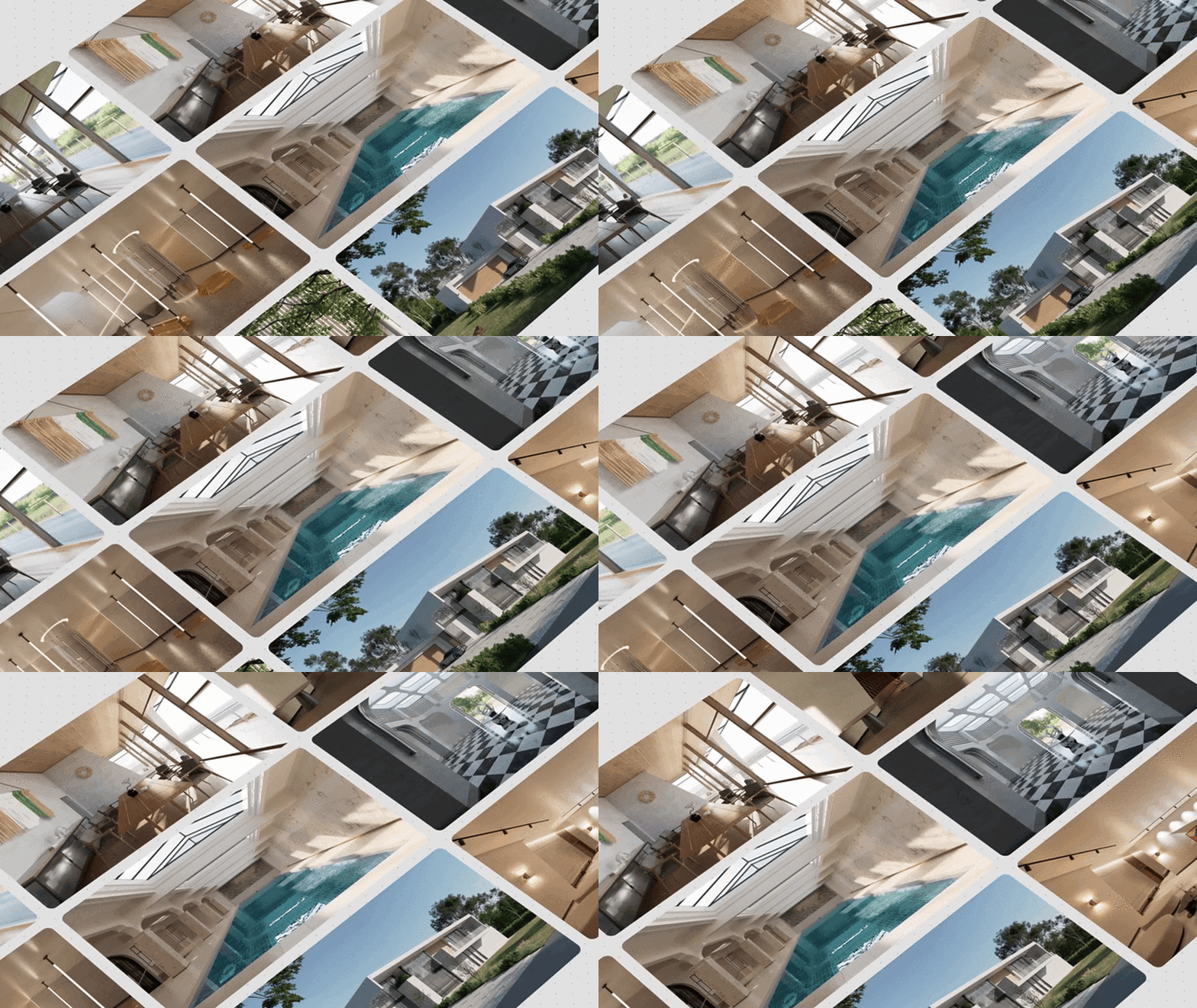
How to visualize architectural concepts in SketchUp using D5 Lite for faster design exploration.
How to visualize architectural concepts in SketchUp using D5 Lite for faster design exploration.


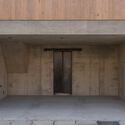
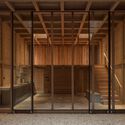
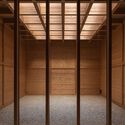
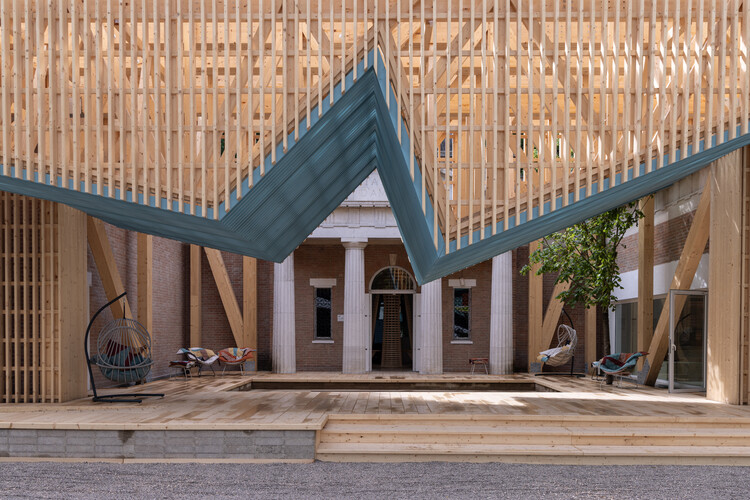
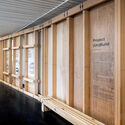
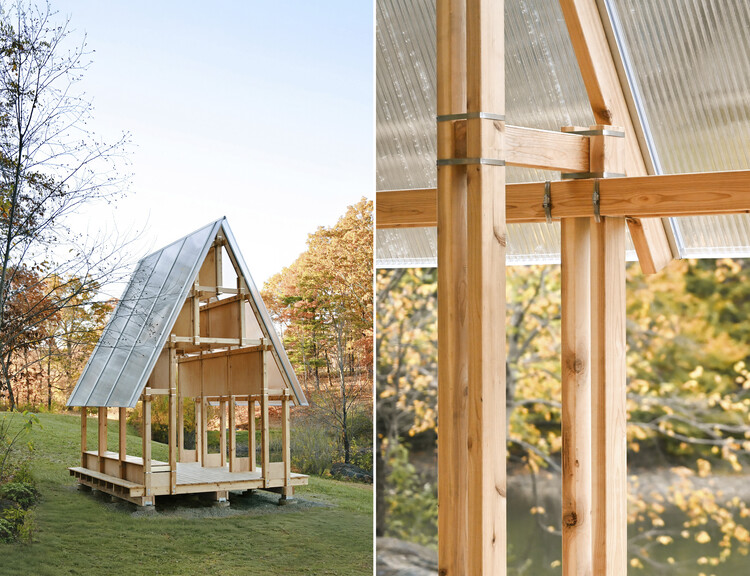
The timber-framed structure designed by Marlon Blackwell Architects for the U.S. Pavilion at the 2025 Venice Architecture Biennale will be reconstructed at Crystal Bridges Museum of American Art in Bentonville, Arkansas, in late 2027. Originally installed in the Giardini as part of PORCH: An Architecture of Generosity, the structure will return in a new setting as a freestanding pavilion on the museum's 134-acre campus. Following the close of the Biennale in November 2025, it was dismantled and transported from Venice to Arkansas, where it has remained in storage ahead of its planned reconstruction.


Architecture firm HENN has launched CarbonBudget, a digital tool that calculates project-specific CO2 budgets for buildings. The new platform, free of charge, is a contribution for designers to help reach the 1.5°C target, a global goal from the Paris Agreement to limit long-term global warming to 1.5°C above pre-industrial levels. As the construction industry is responsible for around one-third of global CO2 emissions, architectural design decisions can effectively contribute to containing global warming. The tool is designed to calculate whether the emissions of a building project located in Europe are compatible with the Paris Agreement target, based on specific inputs such as location and building area. The new platform joins other projects from international offices such as MVRDV NEXT's CarbonSpace, Grimshaw's Minoro, and Henning Larsen's OpenDetail, addressing decarbonization through shared digital information.

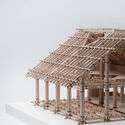
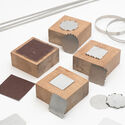
In the face of the climate crisis and within the framework of the United Nations Sustainable Development Goals, the reuse of materials has become prominent in the fields of construction and architecture in recent years. From "urban mining" to life cycle assessments (LCAs), professionals, organizations, and researchers are exploring different solutions and strategies to address the same overarching challenge. Project (Un)Build is a research initiative developing reversible timber construction methods that use straps and friction pads to facilitate material reuse. It contributes to the ongoing debate and reflection on the act of building itself.

Acoustic design is often associated with permanent building elements, such as walls, roofs, ceilings, and insulation systems, which help control how sound travels through a space. However, not all noise sources or environments are permanent. A construction site changes as work progresses; machinery is replaced or relocated from one area to another; an industrial space may incorporate new equipment; and a temporary work area may emerge in a space that was never designed to accommodate it. Acoustic conditions are not static—they change over time and require solutions that can respond to these transformations. So, what happens when acoustic control becomes a flexible strategy?