How to visualize architectural concepts in SketchUp using D5 Lite for faster design exploration.
How to visualize architectural concepts in SketchUp using D5 Lite for faster design exploration.


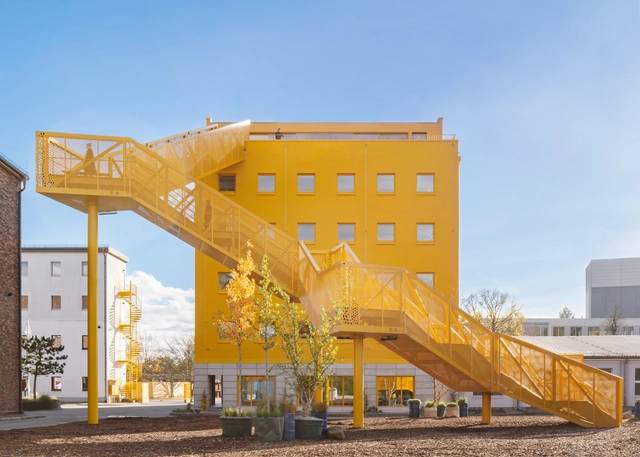
The World Architecture Festival announced the ultimate accolades of World Building of the Year, World Interior of the Year, Future Project of the Year and Landscape of the Year. A host of Special Prizes, including the International Building Beauty Prize, Best Use of Colour Prize and Small Project of the Year were also announced at the closing event, to celebrate the sixteenth edition of the festival. The announcement follows the final day of WAF, in which prize winners across all 44 categories competed for the winning titles.

Architecture photographer Edmund Sumner has taken us on a journey from Europe, to India, Mexico, and beyond. Now his works will be featured at London's Albumen Gallery. You can read about Edmund's perspectives in our interview.

For a sustainable city, a transformation of the underlying system is necessary in addition to spatial changes. This leads to new typologies and forms for buildings, neighborhoods, and landscapes. We are currently overexploiting the urban body. How do we manage resources like energy, food, and materials, and how do we create an exchange of byproducts like waste and heat production? How do we respond to new digital measurement and processing techniques through Artificial Intelligence?
The book delves into envisioning the future of sustainable cities and how we can design them. Difficult problems do not always require far-fetched solutions, but in order to arrive at the solution a change of perspective may be in order. The City as a System advocates such a change in perspective in urban research, arguing that designers must not only focus on the spatial manifestation of a city but also thoroughly investigate the underlying systems and the use and appearance of the urban fabric. This publication was made possible through the support of the Creative Industries Fund NL and the Van Eesteren-Fluck en Van Lohuizen Foundation.
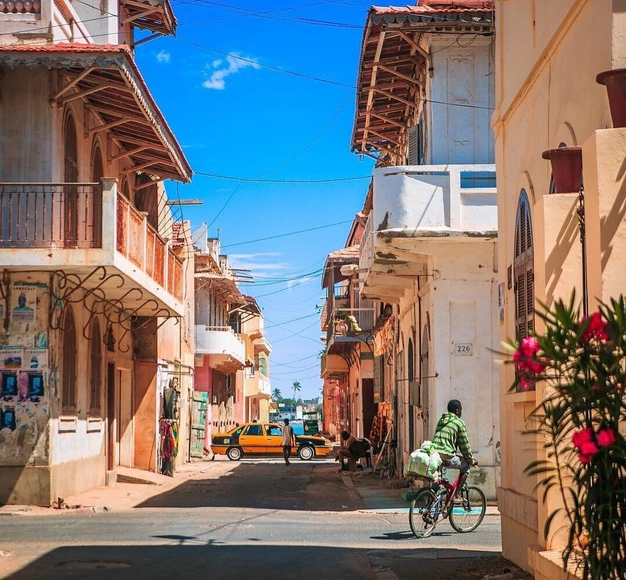
Local communities are more than just a collection of buildings and infrastructure. They possess a distinctive architectural character that mirrors their history, culture, and values. As part of our year in review, we take a deep dive into the top narratives that examine the architectural identity of different local communities.
These stories explore a wide range of topics, including unique geographic territories, cultural tribes, iconic landmarks, communal collaboration, and socio-ecological urban planning. Through these narratives, we uncover the captivating tales behind the buildings and public spaces that shape certain cities and towns.

The Choctaw Casino and Resort expansion in Durant, OK, USA, completed in 2021, included enlarging the casino, adding 1,000 hotel rooms, conference areas, shops, and other amenities. The entire undertaking was accomplished in just 2.5 years, with an impressive 350,000 square feet of tile installed within a mere six months. The core focus of the project was to waterproof approximately 1,200 showers to ensure their longevity. The combination of high-quality installation systems, thorough training, effective communication, and collaboration were pivotal in achieving alignment on project goals and execution.
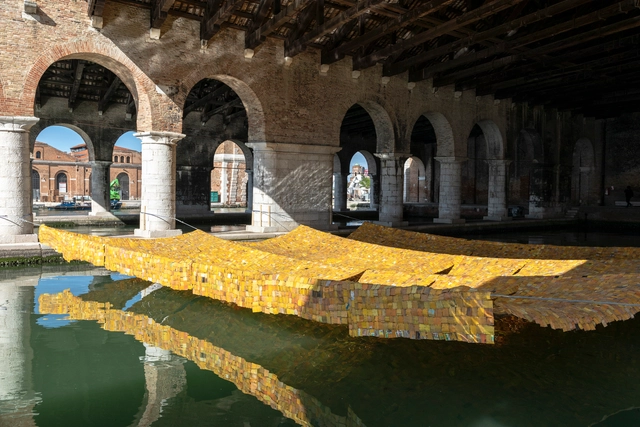
The 18th International Architecture Exhibition of La Biennale di Venezia closed on November 26th. A total of 285,000 people visited the exhibition, making it the second most highly attended Architecture Biennale in its history. Named "The Laboratory of the Future," this edition led by curator Lesley Lokko, has been the first to focus on Africa and its diaspora, exploring the “fluid and enmeshed culture of people of African descent that now straddles the globe,” in the words of the curator, with themes of decolonization and decarbonization.
This edition has attracted a wide array of visitors, 38% of whom are represented by students and young people. Visitors organized in groups represented 23% of the overall public, with a large majority of groups coming from schools and universities. The numbers denote an event centered on the transmission of knowledge and circulation of ideas.
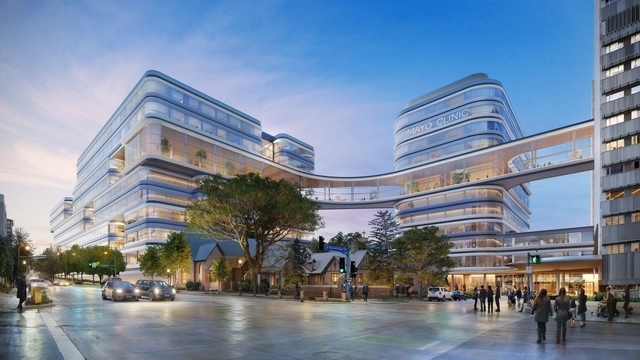
Foster + Partners, in collaboration with CannonDesign and Gilbane Building Company, have unveiled the new plans for a Mayo Clinic healthcare vision in Rochester, Minnesota. Named “Bold. Forward. Unbound.” This initiative presents a multiyear strategic endeavor aligned with Mayo Clinic’s strategy to “cure, connect, and transform healthcare globally.” Reimagining the institution’s campus, the design introduces new facilities that merge care concepts and digital technologies.
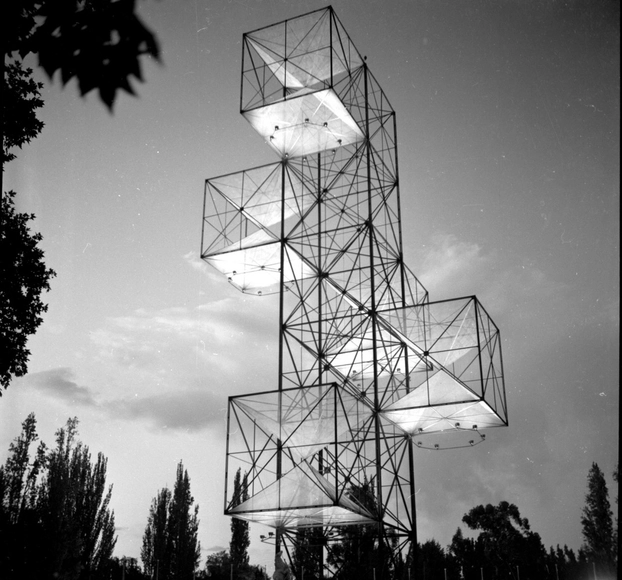
Sameer Makarius was born in Cairo in 1924. In 1933, he immigrated with his family to Berlin. At the age of ten, his father gifted him a camera, marking the beginning of his journey with photography. Following the outbreak of the Second World War, in 1940, they moved to Budapest, where he completed his secondary education, began his artistic training, and connected with the protagonists of the local avant-garde. In 1946, he embarked on his return to Egypt with a prior stop in Zurich. There, he organized an exhibition of Hungarian modern art with the support of Max Bill. Back in Cairo, he worked as a decorative artist for advertising and also for an architecture and construction studio.
His artistic work arrived in the Río de La Plata a few years before he did, through his partner Eva Reiner, who was already living in Argentina with her family. In 1948, she lent one of his works for the MADI art exhibition organized in the workshop of the German sculptor Martin Blaszko. After marrying Eva in Egypt in 1952, they traveled together to Paris, where they worked as pattern designers. They finally arrived in Buenos Aires in April 1953, a city that would become their permanent residence. His migratory journey was marked by the drama of war. At the same time, during these displacements, Makarius built a network of relationships around photography, visual arts, and architecture that allowed him to unfold his work in various territories and formats.

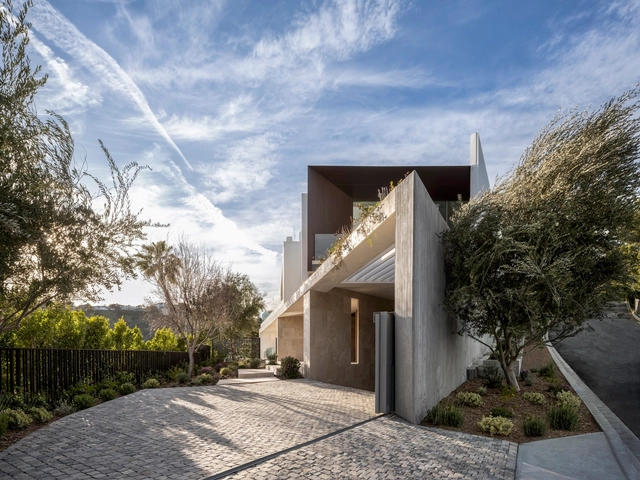
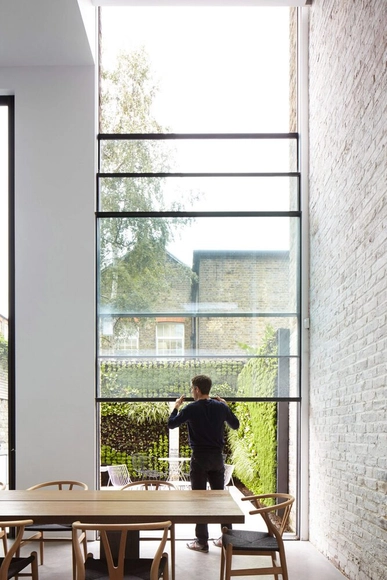
When it comes to windows, we can see how much the industry's technology has evolved over time. While the first versions of windows were small and not very transparent, today we can find large sheets of glass that blur the boundaries between the inside and outside, and can create virtually translucent façades. And this doesn't have to be limited to fixed glass. These days, we can use huge glazed surfaces that can be easily handled, thanks to a great deal of research and experimentation by manufacturers to improve components and raw materials. To create a large frame, for example, larger furnaces are needed for tempering, and strict technical control is required, demanding precision and high-quality standards, along with structural bonding using modified silicones and silyl-based polymers.