How to visualize architectural concepts in SketchUp using D5 Lite for faster design exploration.
How to visualize architectural concepts in SketchUp using D5 Lite for faster design exploration.
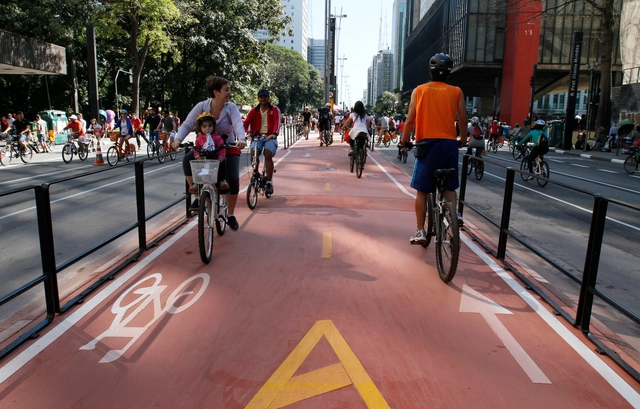
The study titled Prioritize Active Transportation by Bicycle!, published by the Center for Metropolitan Studies (CEM)—a research center at the Faculty of Philosophy, Languages and Literature, and Human Sciences (FFLCH) of the University of São Paulo—presents an analytical planning tool for São Paulo's cycling network, comparing the current scenario with future planning through the lens of inequality.
Journalist Flávio Soares, a master's student at USP's Polytechnic School (Poli), a member of the CEM research team, and one of the paper's authors, explains the key factors analyzed for the construction of bike lanes and cycle tracks in cities.

In the ever-evolving realm of architectural design, the trajectory of visualization technologies is propelling us into a future where creativity knows no bounds. A number of new tools are at the forefront of this revolution, offering architects and designers new software that redefine the boundaries of architectural visualization. In this article, we delve into one of these tools, Eyecad VR, and its strengths, exploring how its real-time rendering, immersive experiences, virtual reality capabilities, and extensive 3D asset library are helping reshape the landscape of architectural design.
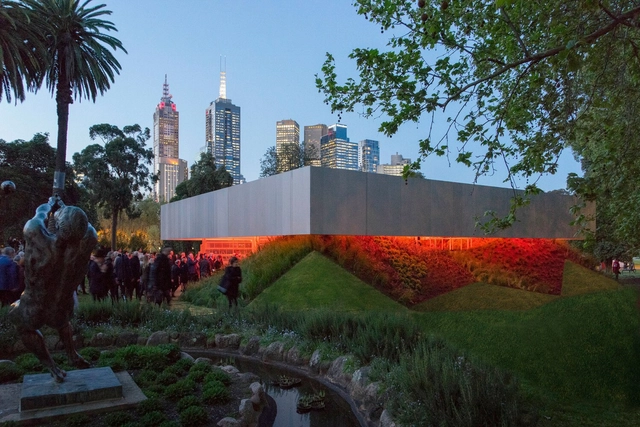
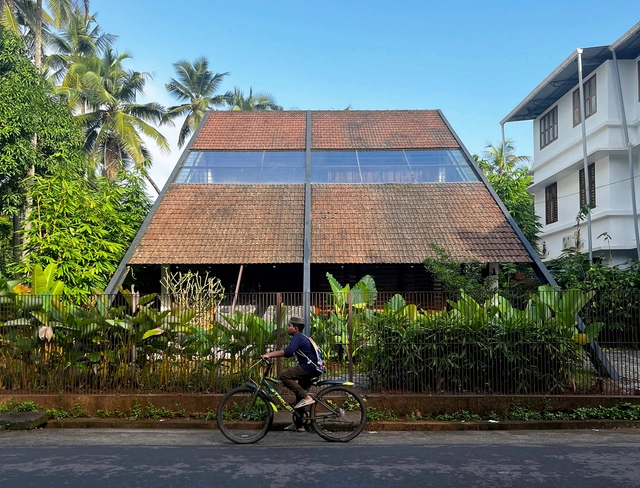
The MPavilion represents one of the most important architectural events happening annually in Melbourne, Australia. Initiated and founded by the Naomi Milgrom Foundation, the event was first launched in 2014 and has since brought internationally recognized architects to design a temporary structure in Melbourne's Queen Victoria Gardens in a system similar to London’s Serpentine Gallery Pavilion. From Sean Godsell's solar-actioned panels to Studio Mumbai‘s experimental bamboo structure, each pavilion explores craftsmanship and contemporary design while fostering a rich cultural program for several months before being disassembled and donated to one of the city’s parks. As the latest pavilion was recently inaugurated by Tadao Ando, we look back at the previous editions of Australia’s most famous annual structure.
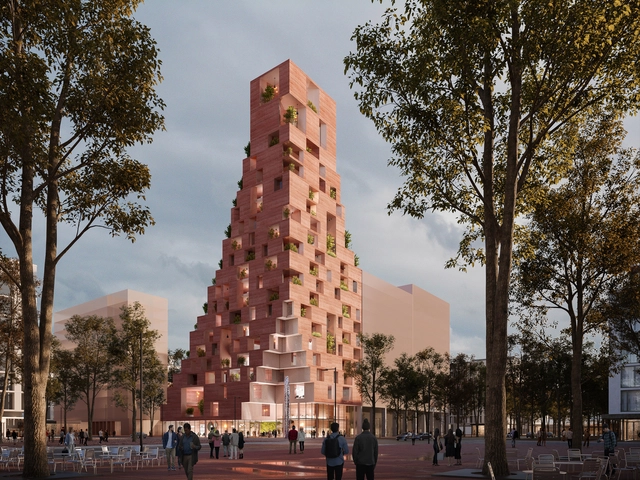
CHYBIK+KRISTOF has won an international competition to design a multifunctional tower as a significant part of Tirana’s evolving landscape. The structure is situated in the heart of the capital city’s culture hub within the New Boulevard, reflecting a shift in Tirana’s urban development. With its distinctive red concrete silhouette, it aims to create a new landmark, signaling the commencement of various other projects outlined in the masterplan.
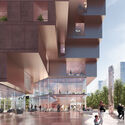
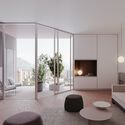
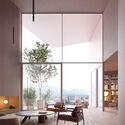

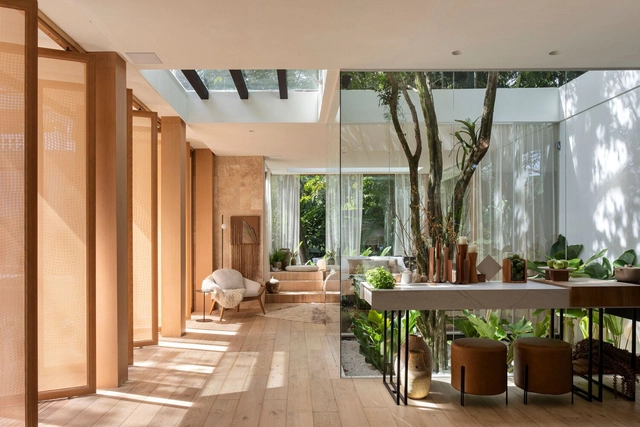
Amid the ongoing environmental crisis, bioeconomy has gained significance across different domains, particularly in the construction sector, where efforts there is a push to enhance sustainability. This shift in mindset has also influenced the realm of interior architecture. With a growing awareness of climate change and the imperative to protect our planet, architects and designers are increasingly embracing biomaterials. The result is the creation of spaces that not only captivate visually but also demonstrate a proactive commitment to the environment.
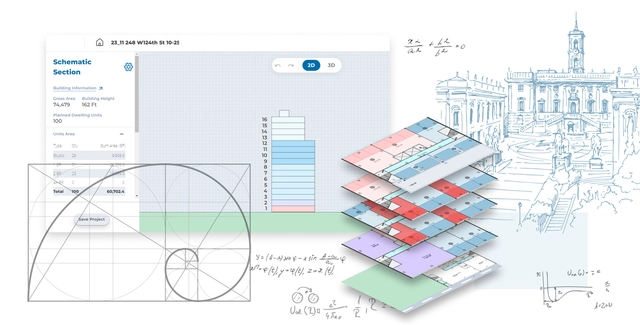
The world of architecture is a captivating fusion of artistic expression and scientific precision. My journey in the realm of architecture started with a profound exploration of its rich history. It was the awe-inspiring works of Renaissance masters that propelled me onto a transformative trajectory, guiding me toward harnessing the immense potential of artificial intelligence and algorithms in architectural design.


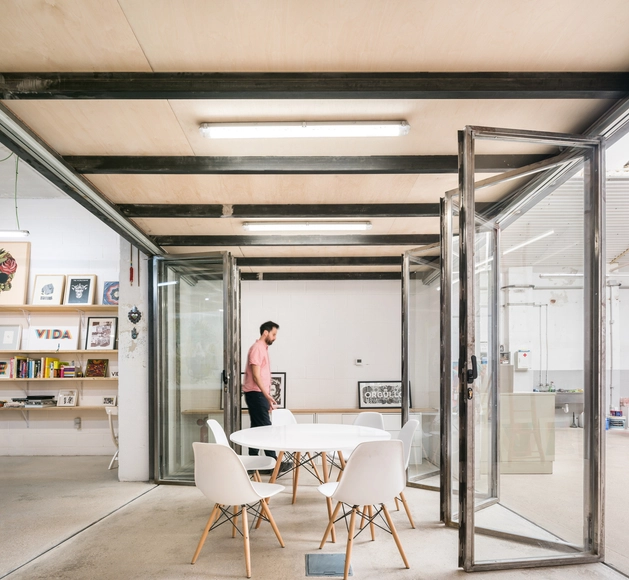
“Two brains are better than one,” goes the old saying. And with good reason. As the social beings that we are, humans thrive through interpersonal interactions and the dynamic exchange of ideas. It is these collective thoughts that tend to flourish, evolve and reach their full potential, fueled by a diversity of perspectives and experiences. That is precisely why teamwork stands as one of the most valued pillars of any working environment, and also explains why office workers spend an average of 37% of their time every week sitting in meetings. It’s no surprise then that modern office settings embrace meeting rooms as designated spaces for collaborative ideation and decision-making. But not in the way many might imagine. Gone are the days of bland conference rooms with nothing but a large table, uncomfortable chairs and white walls, giving way to new, more innovative models that respond to a shifting paradigm.

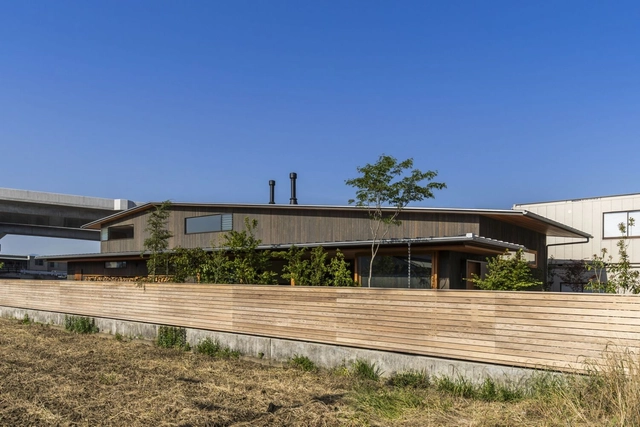


Japanese architect Kengo Kuma and Greek photographer Erieta Attali have been working together for over twenty years. Their joint work is characterized by a shared aesthetic understanding of architecture, space, and visual perception. In both Kuma’s buildings and Attali’s photographs, interior and exterior spaces merge and dissolve into one another. Both are united by the idea that spatial experience is fleeting, shaped by the rhythm of the day and the seasons, making built space a medium that expands into the landscape and encourages people to question their notion of spatial boundaries.