How to visualize architectural concepts in SketchUp using D5 Lite for faster design exploration.
How to visualize architectural concepts in SketchUp using D5 Lite for faster design exploration.



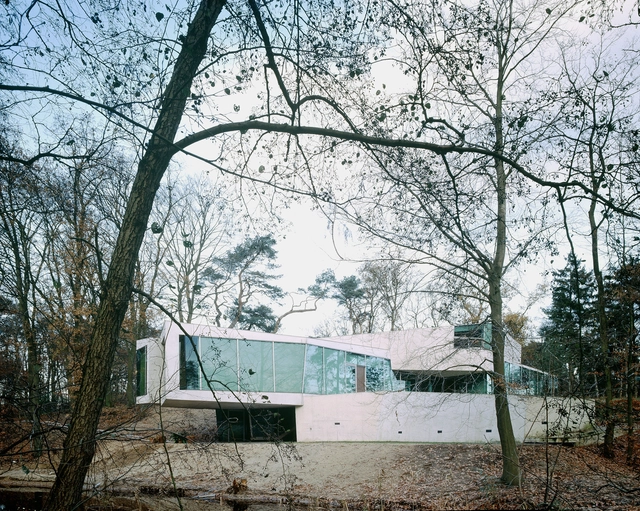
In 1993 a young professional couple from Amsterdam set out to build a private house unlike any other. They wanted to create something that “would be recognized as a reference in terms of renewal of the architectural language.” They reached out to several architects, including Rem Koolhaas, but finally decided to entrust the commission to Dutch architect Ben van Berkel after he studied the site and came up with a vision for the project, relating it to the couple’s lifestyle.
Located in Het Gooi, its design took over 5 years, going through several iterations, but always coming back to its core inspiration: the Möbius loop. The shape, defined as a single-sided surface with no boundaries, was the key to a new architectural language that aimed to weave together all the individual activities of each family member, allowing the functional program to be integrated within the dynamic structure. By 1998, when the house was completed, it became widely published and internationally recognized. It also became a sort of manifesto for its architect, as it uses an organizational principle to inform the final image.
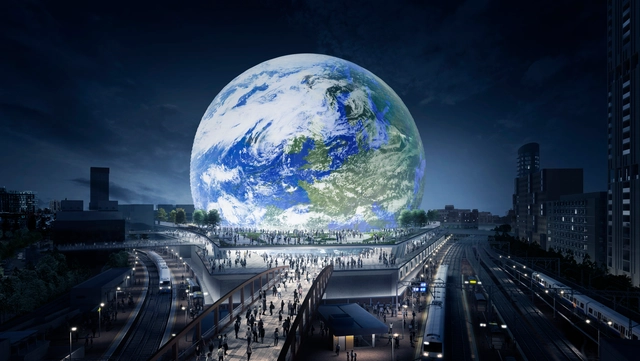
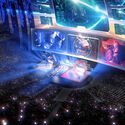
Madison Square Garden Entertainment (MSG), the developer behind the recently opened The Sphere at the Venetian Resort in Las Vegas, has announced that plans for a similar project in London have been withdrawn for lack of support from London’s planning officials, as reported by The Guardian. The plans were initially announced in 2018, with planning permission filed in March 2019. The 300ft-tall structure, having a capacity of 21,000 seats, was to be located in Stratford, east London. In November 2023, following a combination of unfavorable comments in planning officer reports and opposition from residents, London’s mayor Sadiq Khan withdrew his initial support.




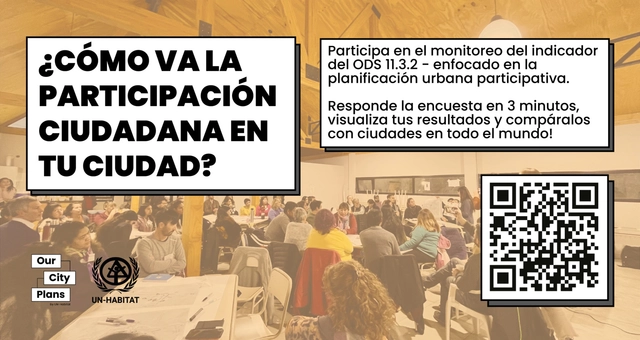
Today, more than ever, we need to safeguard one of the cornerstones of sustainable urban development: citizen participation in urban planning processes.
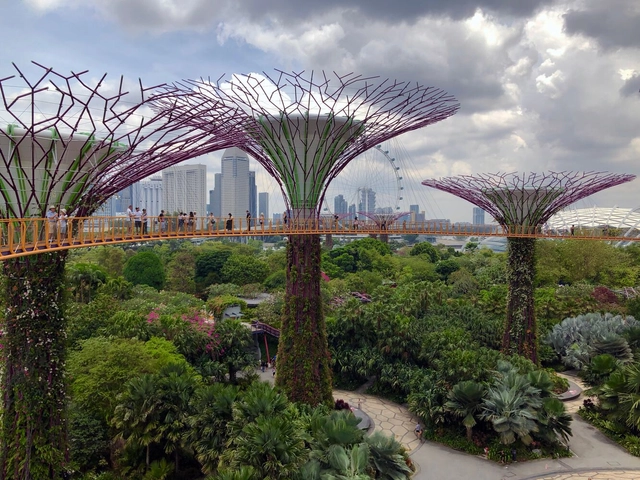
For a long time, sustainability in the architectural field was synonymous with technology. Efficiency was directly linked to innovative technological devices that adorned buildings with gadgets. Nowadays, however, sustainability increasingly encompasses different strategies that also involve acknowledging vernacular techniques and local materials as crucial for creating sustainable and carbon-neutral buildings.
Nevertheless, regardless of the technique or materials employed, the common denominator is the pursuit of reducing the carbon footprint of our architecture, which demands changes in how buildings are conceived, constructed, and operated. In other words, whether returning to vernacular methods or utilizing cutting-edge applications, these strategies aim to reach the same destination and, therefore, are equally valid despite being vastly different.

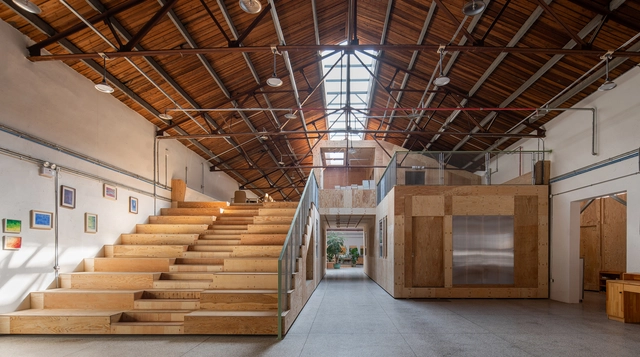
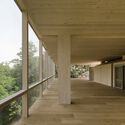
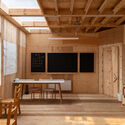
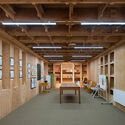
It's fascinating to observe the current state of wood in the world of architecture. The material, once seemingly forgotten by modernity, has resurged with full force, facing significant challenges but also revealing promising opportunities. The aesthetic and architectural appeal of engineered wood, coupled with its intrinsic association with sustainability, has been a catalyst for the increase in wood-centric projects around the world.
Due to technological advancements and research into the limits and possibilities of this material, there has been a significant leap in the development of wood in construction. Buildings around the world are being erected with wooden structures, driven by the increasing interest in sustainable solutions based on renewable resources, a demand from both the public and architects and their clients.