




-
Architects: Kyungsub Shin, TAArchitects, Urban Intensity Architects
- Area: 160 m²
- Year: 2015

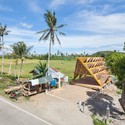
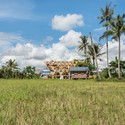
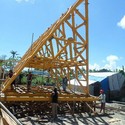
Text description provided by the architects. There're been numerous architectural attempts to support people struck by natural disaster. In general, they tend to end up recovering the damage. Or, at most, they achieve providing innovative structure. Yet, it can only perform better in disastrous condition or gives better quality of life. As we participated from the very initial stage, we tried to deliver it beyond this recovering level. We set our goals to support the change of the community after disaster and to organise collective manoeuvre on disaster. Super Typhoon On the 8th of November, 2013, typhoon Haiyan hit the Philippines hard, and Tanauan suffered the most damage, directly bombarded by the storm. Tanauan lost 1,275 souls. Haiyan set the world record for the strongest typhoon, with maximum wind speed achieving 397km per hour. The powerful gust blew away rooftops, and the typhoon brought along a 6 metre high tsunami, which devastated the area. Gradual Collapse In Tanauan, roof structure is generally made of metal plate. When typhoon hit the town, it became a threat to next door. To make matter worse, international disaster relief provided more metal plates for recovery, since it is cheap and easy to install. We required to approach from different angle in order to inform how hazardous the roof system is and to suggest an alternative. Getting rid of the threshold between wall and roof, we divided the structure into the primary and the secondary. It is for the gradual collapse against the hard gust, and for the survival of the primary structure which will be the frame of the quick recovery. The primary steel structure has been fabricated in Korea and delivered to the site, while the secondary structure has been made out of local lumber.


.jpg?1430882803 "Disaster Responsive Shelter / Urban Intensity Architects + TAArchitects + Kyungsub Shin")
.jpg?1430882790 "Disaster Responsive Shelter / Urban Intensity Architects + TAArchitects + Kyungsub Shin")


