Vishaan Chakrabarti
https://uncertain.substack.com/p/vishaan-chakrabarti-rough-transcript

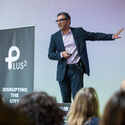


Vishaan Chakrabarti
https://uncertain.substack.com/p/vishaan-chakrabarti-rough-transcript
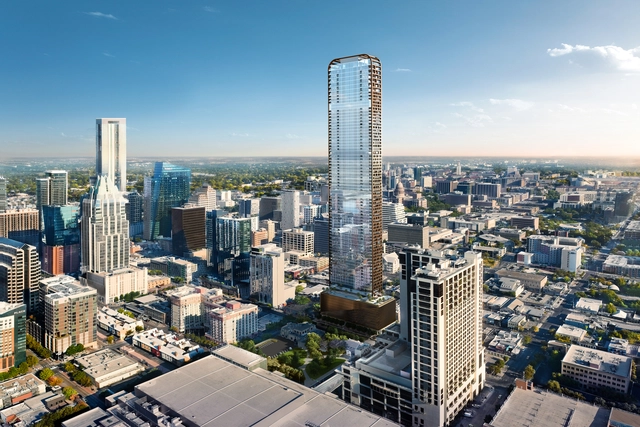
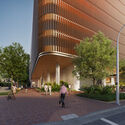
Austin-based office HKS announced the design of the Wilson Tower, a high-rise of 315 meters in Texas' capital featuring 80 floors, 450 units, outdoor terraces, and gardens. The tower will be delivered in collaboration with Britt Design Group and Wilson Capital, and is expected to break ground in the summer of 2023. After completion will become the tallest residential tower in the USA outside of New York.
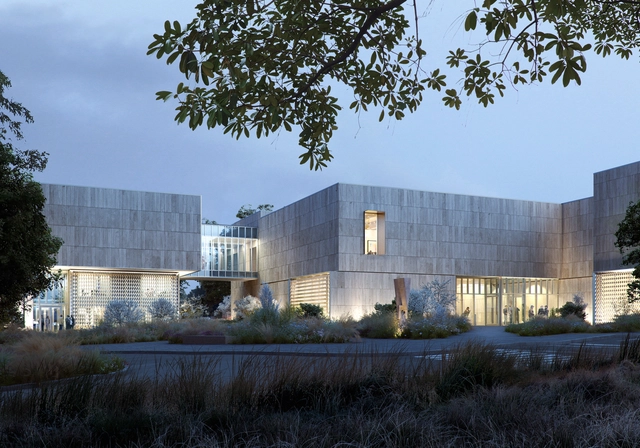
The construction of the new building of Palmer Museum has begun. Located at Penn State, USA, and scheduled to open in the spring of 2024, the new 6600 square meters complex will expand nearly double the space of the current gallery to host the growing collection of more than 10,000 pieces. The design features a series of pavilions, educational areas, and courtyards to boost accessibility to the art collections for students, staff, and the public. The construction aligns with the 50th anniversary of the museum along with a multitude of events, including the exhibition of Allied Works' pieces of the design process for the new Palmer Museum.


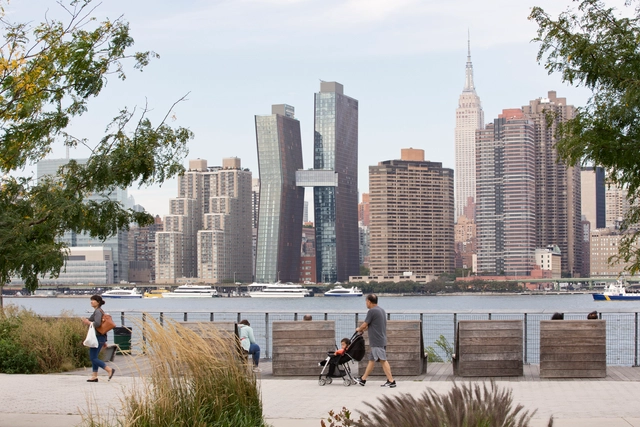
The first and only formal architecture union in the American private sector was just formed by Bernheimer Architecture's employees after two years of the union campaign. The Union aims to reframe the discipline and profession and create an established sector of better labor rights standards and work conditions. The BA Union will be associated with the International Association of Machinists and Aerospace Workers to reshape the industry at a large scale and work on Industrywide problems like long hours and low pay.

Similar to a mainstream school setting, Celebrate the Children, a school for children with autism, lines its hallways with colorful banners, photographs, and student artwork. Parents concerned with some of their children’s hypersensitivities often ask Monica Osgood, the school’s director, if there is too much stimulation. Monica responds that her students need to learn in ‘real’ world settings if they will ever have a chance to use their acquired skills outside of the classroom. This logic for replicating ‘neuro-typical’ environments, argues directly against the sensory sensitive approach, and, with reasons worth exploring. Individuals with autism often have very poor generalization skills. Therefore proponents of ‘neuro-typical’ simulated environments claim that sensory sensitive environments actually cause less, not more, universal access and integration into the larger population. Whether or not there is any truth to this claim is unknown. There are strong arguments for and against the ‘neuro-typical’ approach, but there are no definitive studies comparing the sensory sensitive approach to the ‘neuro-typical’ approach.